Misinformation, media and trust
Skills:
Reading ML Papers80%Research Methods70%AI Alignment Basics60%AI Ethics & Policy60%AI Safety Engineering50%
Key Takeaways
The video discusses the spread of misinformation on social media, the role of media organisations in addressing this issue, and the importance of trust and authenticity in communication, with a focus on the COVID-19 pandemic and its impact on society, highlighting the need for credible sources, fact-checking, and effective communication strategies, including the use of informal tone, storytelling, and solution-first approaches.
Full Transcript
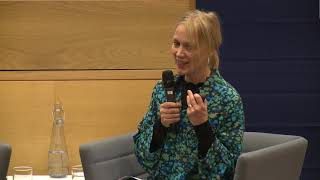
hello and welcome to oxford saeed's leadership in extraordinary times thanks for joining us today i'm andrew stephen the l'oreal professor of marketing and the associate dean of research here at the side business school um today's episode is going to be about misinformation media and trust uh three very intertwined and complex topics that we're going to look at from a few different angles and so we're going to dive into that with three expert speakers brief in a minute but briefly i just wanted to remind you all of the episodes that we've had so far today as i think number 11. i think this is the fifth week that we've been broadcasting leadership in extraordinary times and i want to thank you all for for joining us today and certainly for joining us for some of the previous episodes if you have um but you can find all of them on our oxford answers website uh with that with the address you see there on the screen so i certainly encourage you to to check it all out um if you uh if you're interested uh and also just a quick uh plug for what else is coming up this week uh thursday um we'll have uh dean peter terfano in conversation with jacqueline novogratz um talking about moral leadership in a time of crisis so another really really relevant and i'm sure will be a fascinating discussion coming up on thursday and then we'll be announcing the details for next week's episodes coming uh coming up pretty soon uh so with that let's dive into today and as i said misinformation media and trust and i want to just welcome our panelists um we've got phil howard who's a professor of internet studies and the director of the oxford internet institute we have uh alex connock who's a fellow in management practice here at the business school in the marketing group and rachel botzman who is trust fellow in management practice also here at the side business school um and each of them have expertise in all various parts of uh of the three sort of intertwined topics that we're going to talk about today so welcome to to our three panelists um and before we dive in i just want to remind you the audience uh that we uh of course welcome your questions uh so please uh put them in um and we'll try and feel them as much as we can throughout the the conversation uh this this afternoon um and one quick reminder also if you don't mind uh not just giving your name but also where you are in the world because we have a really global community and a global audience and and i'd love to be able to say that we have a question from you know jane in sydney as opposed to just jane so we can get a bit of that global flavor so if you don't mind doing that they'll be wonderful but let's dive into to the material uh straight up and and i'll go to phil first uh as uh really a deep expert on on misinformation um what is happening at the moment with respect to misinformation um around covert 19. that's a great question and to some degree everything we know about what's happening uh comes when we analyze social media data and so most of the social most of the misinformation is coming from social media and most of it is coming from state-backed news agencies um mostly from the russian government and the chinese government so so how is this being politicized so so it's coming from russia and china but but what what are they doing well their messaging is is about trust and the goal of these communications is to try to undermine our trust in our own public institutions and our own democracies so this there's two or three big messages the first is that leaders political leaders and democracies aren't serving us well they're making poor decisions and they're not able to protect the population then there's trust messaging around our health care providers right the russians and chinese media machines would would would prefer to have us diminished our trust in our doctors and there's also this message that they authoritarian regimes are the most trustworthy they say they're leading the science they're on the fastest route to providing a cure and they're providing aid to democracies to help us with the struggle that we're we're now we're facing and so so rachel is an expert on trust i guess this is eroding all sorts of public trust in all sorts of institutions but but how do you see it i think one thing is it's important to remember when you look at photos of a crisis and you look at organizations like the red cross when they go in they take food they take water they set up shelter but they often offer people hand cranked radios so information is life or death in these situations and i think we shouldn't forget that that's what it is at stake that we need information as much as food and water in a time of crisis and when water becomes contaminated it's toxic when information becomes contaminated it can literally harm people so one of the things that is really difficult in a crisis in a time of uncertainty is that we as human beings will look for any kind of information that will reduce the unknown for us that will give us a feeling of control and this is a nightmare in terms of the information that comes through to us even if we're looking at trustworthy news sources so one of the most powerful things that we actually need to do is rather than pointing at institutions or pointing at social media or pointing at celebrities and influencers pointing at russia and china and all these things are huge problems that we need to solve the most powerful place to start with ourselves is to actually ask where are we responding to information how are we emotionally reacting what times of day where which news sources do we go to what news stories are we looking for so i know with myself personally um i like millions of parents are honestly desperate for my children to go back to school and i think about all the children around the world that really do need to go back to school so i will look for any information that is about the june the first deadline and then returning to school that's my desirability bias to kick in so i think the place to start is actually by thinking about your own behaviors and how you are responding to information and understanding that your body and mind needs good information as much as it needs food water and shelter right now and so alex the the the broader media therefore has a role to play in this as well because i i think you know what phil's talking about is where this is coming from and these sort of um state actors uh and state-backed media um providing that and then rachel talked about how we process this individually kind of the psychological consequences and then in in the middle of all of this i suppose is i guess what we could call the um the independent media or the non-state-backed media um so where do they fit into this because you know that they might create news stories about misinformation uh you and i were talking just the other day for instance about um pieces on on shows that are sort of trying to you know uncover misinformation but at the same time they're perhaps perpetuating this doubt or uncertainty that that rachel is talking about so how does this all kind of fit together with the with the conventional media well first of all very briefly the state media itself you know if you split that into three um in the uk for example you've got the government briefings that uh you've got um the bbc which i know is not strictly state media but i think many would perceive it as such and finally you've got the ofcom which is the media regulator which is actually now putting out weekly reports on this information in an attempt to kind of level the landscape but in terms of the non-state media there's actually been i think quite a rather interesting reshaping of the way that on state media interplays with society over the last couple of years already or perhaps since 2016 so um you know one of the big new players we've seen is the chariot the rise of the charity fact checker so you have full fact which is a sort of genuine public service presenting in a clear fashion debunking of all kinds of nonsense conspiracy theories you know for example around the supposed link between 5g the telecom technology and coronavirus so that's a new sector secondly you're seeing the state engaging with social media channels so for example it's not accidental that peter henahan who is the head of the digital unit at number 10 downing street the uk where the prime minister's based um it's former head of pr at both buzzfeed and the lad bible which are both huge social channels and in fact that they've allowed questions from both buzzfeed and the lab bible at the daily press briefings so that's a new player in the non-state media and the digital media are doing pretty good job as well so for example wires magazines done quite a lot kind of point by point takedowns of kind of some of the more nutty conspiracy theories in quite a kind of mechanistic and detailed way and then actually to be fair the traditional media has done too so you've seen for example mail online which is a very traditional newspaper the daily mail but which has a huge global footprint has been quite instrumental in for example taking on a presenter of a channel in the uk itv who said that it suited the suit of the state to um to not not allow rumors about the supposed link between coronavirus and whatever and and the daily amount of good take down of him and then the times has done quite good historical perspectives where they've looked back to the 17th century in the great plague in 1665 and found analogies there where the state was having to take on some quite wild and crazy rumors at that point so i think there is a bit of a reshaping actually of the of the non-state media and anderson stepping up if you like of the state media and taking on what is quite a big across across-the-board phenomenon and don't forget some of the misinformation has actually come from the very top of states so for example donald trump saying you know of um the malaria drug you know why don't you just take it what do you have to lose and so when you're dealing with when you're dealing with misinformation coming from the very top of one of the most powerful countries on earth it's very important that the non-state media as well as the state media gets stuck in which then kind of i think brings us back um also to to phil in thinking about approaches to tackle this um because i guess rachel's saying we need to be aware of this as people and and and think about it from that sort of bottom-up approach i suppose and alex you're talking about um sort of the various entities within the media industry and and their responsibilities um i guess two other uh players in this space at least two other players in this space are governments and the uh social media platforms themselves so so phil what's what's happening in that sort of realm um you know i know you you work with uh the uk government for example um and have recently been speaking with them so maybe that's that's where we could begin certainly i think um i think your instinct is right there's there's a balance we all need to be better at consuming information and smarter before we share it i think there is also though a structural problem in that the social media firms serve up misinformation in the key days before people vote or the key days when they're trying to learn about what the government has said about public health policy and that misinformation undermines our trust that the stores will be open and the schools will reopen so good consistent clear messaging has to come from the top it has to come from a credible source um and we shouldn't have information structures that serve up the junk to us when we when we need the high quality information so you know this several of us who are arguing that the best thing that can help address this inoculate us against misinformation is a better supply of data both from the social media firms and from government itself right keeping data open in part helps us all see what's going on track the misinformation and and stifle it when we spot it so i want to talk a bit more about the the social platforms as well um because obviously i mean i think we're all aware of the just the the amount of of posting coming into you know the likes of facebook and twitter and everything else um it's very very very hard to sort of police that but what what's your take phil on on you know if you go into twitter for example they've got the the special sort of covert 19 area facebook's got that very prominent as well um and and others too in terms of sort of trying to signal hey here's a here's a sort of a vetted area um on our platform i mean on the one hand i can see that as useful but on the other hand does it does it actually make users doubt kind of back to what rachel was saying doubt everything else in the feed if if if only certain stuff is being called out as as accurate and what you find in there typically is stuff from news media sources so is that does that happen i actually think i actually think the firms are doing better they're doing more they're being more creative than they ever had with any of the political issues over the last four years so now the average person searching on youtube will find credible health information from professional news organizations they won't see a lot of junk they won't see stuff from the who or the profession you know the nhs but they'll see professional news you twitter and facebook are doing a slightly better job at taking down junk the challenge though is that there's always going to be an audience for misinformation there's a small segment of the population between a quarter and a third that looks for this stuff and we'll share they we want to find conspiracies or actually we want to find the truth and for many of us that means trying to find a sensational story or an extreme story that seems to bear some inside information and so you know we're sort of we have these cognitive biases and some of us like to chase that misinformation and share it so on that rachel let's let's come back to kind of what you were saying before which is very much about the psychology of all of this at the individual level how do we then reconcile this this desire to reduce uncertainty um to not have doubt with what phil was just saying in terms of some of us actually might be seeking out um this type of information and and be willing to share it there's so many different dimensions to this but um i think part of what actually fuels our appetite and um amplifies the vacuum the emotional vacuum that often misinformation and conspiracy theories uh fill is when we don't feel like we're receiving enough information from government and credible organizations so we tend to talk about misinformation information overload but what can actually drive people to seek information particularly from celebrities and social media influencers is when they don't think they're being told the truth or when they think the information is being withheld from them and i know this is different um from all over the world but if you look at the studies in terms of people's confidence in the government which is essentially trust do i have confidence in the unknown what they're doing what i can't see a lot of the distrust is actually coming from an information problem i don't have enough information around the exit plan i don't have enough information around testing and vaccine so i think that void is also what is driving people towards conspiracy theories and what people will be pulled towards is very different so i thought it was really interesting that um one of the biggest uh faint news stories uh over the last couple of weeks was the dolphin in the venice canal now i have to admit i thought that was true um that and i'm embarrassed to say that now i don't if you saw the image um but it of course it was fake news and i think why did i think that was true for the moment well it's hope right we will we will latch onto to information that fusela fulfills our fears but also gives us some glimmer of hope so i think we shouldn't underestimate the information void that many people are feeling from governments and credible institutions and organizations and therefore they're filling that gap they're filling that vacuum with emotions and misinformation and going to less trustworthy sources so i want to i want to come back to sort of that theme in a minute to pick up on like where what do we do about this but but first that's why we're talking about conspiracy theories uh alex i want to come to you because i know you've been looking quite in quite a lot of detail the 5g um conspiracy so so do you want to unpack that a bit for us well i think based on your research the 5g and kind of conspiracy theories and their conflation with coronavirus are actually the perfect summary of everything we've already talked about so for instance there's been a lot of coverage on russia's rt channel of 5g and its supposed potential risks which i think would would fit quite well with phil's proposition that they've been state-backed um actors getting involved in trying to undermine trust and the theory goes that it's nothing more sophisticated than russia wanting to catch up on 5g and therefore trying to slow it down in the west i can't consubstantiate that you've had you know non-state media in the uk for example you had a tv channel in in in london a local tv channel air an 80 minute interview with a well-known conspiracy theorist called david ike which came which came up with all sorts of um uh sort of tie-ups between coronas and foot corona virus and 5g and what's interesting is there's been quite a lot of good dissections of this for example by wired and spiked and others and what they found is that there's a whole um if you like viral legacy of this story these two stories being conflated which absolutely substantiates all everything that we've so far talked about about the way this material propagates around the internet and it's everywhere from right wing to talk show hosts in america to even bots and i think phil said a fantastic thing in in parliament in the uk this week where you mentioned that that celebrity super spreaders were the way that bots translated their their fake news from conversations with each other into the mainstream and that you know and that what's happened with 5g and coronavirus is the two kind of essentially incorrect sets of theories have coalesced into a sort of super incorrect um calculation of theories you know right down to the point that conspiracy theorists on facebook claim new 20 pound note features a designed in preview of both 5g and coronavirus in the actual graphic design of it you know the whole thing is some kind of preconceived conspiracy so i think that the the tie-up between 5g and coronavirus is illustration if you like of the wider problem which is this this propagation of essentially nonsensical but nonetheless compelling because they provide answers in the way that rachel mentioned um versions versions of history because every secure version is better than the real situation which is of course insecurity and lack of full knowledge yeah and i mean i think i think back to what you've all been saying is interesting here if we think of the sort of the psychology and sociology of information sharing more broadly there's a host of reasons why people might want to transmit a message to someone else and one of them is novelty right and and so i think filling that void aspect you were talking about rachel is is one of them and then bring you know purportedly novel information that is very topical very relevant uh given we're all very very focused on something very salient and coronavirus at the moment and you sort of have that almost perfect storm for increasing um you know what i would call sort of social transmission probabilities uh and then amplify that with social media and then the news media pick it up and celebrities and influencers and everyone else um you really do have a um a very very very sort of fertile ground for for rapid dissemination of misinformation here and then phil i want to ask you though about the role of bots in all of this um because that's another dimension altogether um and alex just sort of alluded to what you've been saying around bots as well um perhaps you could just fill us in a little bit more on how that fits in here too certainly certainly i've just finished a book on the problem of where misinformation comes from and why it disseminates and i call the book lie machines because so much of the work of dissemination happens through algorithms and these are algorithms that know a little bit of your credit history and know some of your social media content and can purposefully choose content to push to you and depending on the platforms uh other people can add their own bots right so you can compose a chunk of text that whenever somebody tweets about covid will respond with a covet and and as rachel said the myths about coronavirus are themselves deadly so in this case we have little chunks of code automation that actually perpetuate they they uh perpetuate the misinformation and help get to the the people who are more likely more susceptible to it more likely to believe it i think i think angie if i might jump in i think it's well here we have a kind of perfect storm of network theory since you mentioned it in the sense that a virus obviously is best analyzed through a kind of textbook network theory and it's very very interesting if you're teaching as i'm sure we all are at oxford you know courses which features like network theory how much of it relates across from viral marketing and into medical viral study so if you've got a virus network theory you've got the information spreading network theory and then you've got 5g which actually is a network so you've got kind of the perfect storm of networking that's being played out here and of course the network is the perfect mechanism of transmission and actually the government itself in the uk put out a advert today pointing out that if you um go on whatsapp and share a theory of whatever kind and up to 22 or 20 whatsapp powells and they each do that then you're at three and a half million people you know and and that's that's network in operation isn't it and it's the same with the super spreaders in the virus so it's a it's it's if it wasn't so awful this would be the perfect intellectual case study in networking mm-hmm and so so i think we we spent about 20 minutes in in what in essence is a master class on on exactly that sort of information flows over networks i want to switch now though to the leadership perspective here um and also think about solutions and fixes and and and and maybe what can't be easily fixed um and we'll eventually get into some practical guidance i think for business leaders but that i i suspect we won't get there initially because i think there's more to one pack um but rachel pastor if we can we can start with you because you brought up the the psychological aspects um so you've often spoken about trust being something that you earn as opposed to it's a built thing or it's just endowed so if we talk about this erosion of trust people are very doubtful they don't know really which sources to to trust now but they're internally or intrinsically kind of motivated to to latch on to information because they need it you know how do how do institutions re-earn that trust if it's now been brought into question um what should you do well i think the role of trustworthy leaders has has never been more important than ever before and as you say i really have an allergic reaction to the language of building trust or how do i build trust because it is this idea that you have to be given trust and therefore you have to demonstrate you're trustworthy and it's not like any a fixed asset that can be managed it's a very continuous process one thing that i find fascinating and and i'm not usually one for sort of gender stereotypes is why we're responding to female leaders in this crisis so if you look at um merkel if you look at just into arden in new zealand if you look at um uh i've forgotten the danish prime minister's name i can only remember her first name um prime minister of norway these are all women and why does it feel like they are cutting through why are the research studies showing that confidence in those governments with female leadership is higher than governments with male leadership and i usually don't like this gender stereotype but i think there is a learning there and when you look at their communications they are calm they are consistent and they are confident and so i think what we're seeing is this this idea that empathy and strength can go hand in hand and this is so important when it comes to trust whereas i think some institutions and some forms of male leadership and communication um they tend to sort of over emphasize the confidence over the competence right now so i think there is something to look at and to learn from why we are connecting to many female leaders and why there is a correlation why trust and faith in those governments and confidence to do the right thing right now and to lead us through the crisis is higher generally than governments with male leadership so um i can't underestimate in terms of trustworthiness the importance of consistency right now and this is where i would criticize the uk government uh we have inconsistency in the voices delivering the information so that's a problem like every night we see a different figure ahead up there we have inconsistency when we can expect to receive the information inconsistency in the way the information is packaged and that is terrible for trust so how we fix consistency issues how we fix clarity issues and how institutions can really take that empathy and strength that we're starting to see we're seeing in many of these female leaders i think there is a lot of lessons to be learned there and i'm just going to go to an audience question now which is actually very very similar to what i was going to ask you alex um and that this comes from sandra in brisbane australia which happens to be my hometown um so it what how would a business leader though communicate this so so i think rachel's talking about sort of governments but what about if i'm running a business and you know i'm aware that there's this trust issue around misinformation in sort of the general public do i have a role to play yeah thanks sandra and how lucky you are to live in brisbane um first you know be there and be in the conversation you know it's in the enlightened self-interest of business leaders to communicate on wider societal issues and you know milton friedman's argument that the only purpose of a business is to maximize shareholder value is fully 50 years ago now you know it's another era another age and in fact the esg focus which is very core to saeed you know environments social governance is um it is absolutely vital and it's actually the first thing we do in the marketing course so so be there because it's the right thing to do actually companies that have strong esg outperform and results there's lots of research including here at oxford to substantiate that and actually companies that do well on esg but are more investable as well so that's why in terms of what you should do i think there are three things get the advertising right get the public information right and get the pr right so in terms of the advertising actually i think many companies are getting it badly wrong at the moment and actually there's quite a lot of quite funny sort of mashups of videos where they're essentially showing that every american corporation from federal express to uber to budweiser and samsung and north korea have made pretty much exactly the same advert which kind of starts with mortgage piano music things then goes into a quiet sequence of people at home sort of put their thumbs on zoom and then ends up with a slightly more empowering sequence and they're also if they're all sort of coming together and uh and and they're not really working and there's you know given that there's what martin sorrell called a darwinian color of media underway which is that you know the whole advertising groups and whole whole creative media companies are getting slashed and advertising budgets are up to fifty percent down um there's a corporate america and the corporate world need to do better than that so the second thing is get the public information right and i think on that front companies are doing really well so actually when trump came out with his sort of slightly veiled suggestion that people might try in ingesting bleach um it was it was the make it was wreck it vancouver who came out with the makers of detail that came out said you really don't want to do that and their their statements were actually um uh probably better worded than those of the actual us government at the time and in full fact which is uk charity sort of backed them up on that and said the industry was doing a good job so stick to then get the public information right and finally get the pr rights and i'd say it's been a mixed story on getting the pr right so some people have done really well like gilead for example the american pharma company you know have actually communicated quite well around the doubt around some of the early trials on their um their own severe drug you know so they've done an excellent job but some corporations have been absolutely tone deaf i think warren buffett saying at his um shareholder meeting that he couldn't find anywhere to spend his cash couldn't find anyone anything to invest in was probably the wrong choice of words at a situation where there wasn't enough ppe equipment in america you know for the health care workers who are on the front line i think richard branson attacks exile asking for funding from the uk government for virgin atlantic probably wasn't the right play either so he's going to get your pr right don't be tone deaf be aware of the wider perspective on what it is that you're saying and the environment you're saying it in so i'm going to go to another question here thanks alex um i'll i'll direct this one to you phil um it's about to the role of government again so this is from lucian in south africa um so he's saying south africa's government has passed a covert uh 19 law prohibiting the publication of fake news um and and as far as where we don't have that here in the uk or other parts of the world so what's your view on that in terms of it being a feasible solution thank you for your question lucian i i do not think governments should regulate news output and so uh i would say that it there's a range of other better scenarios solutions that i would play with before getting government into the business of of checking news content i think it's um it's pretty clear we all need better information habits we should look at something before we forward it and we shouldn't be following covet misinformation or even covet as a topic addictively right we need a break our own mental breaks um from health news otherwise you get caught in the downward spiral that said i do think that social media firms could have a radical rebuild at the moment they are designed to promote content that is controversial and sensational and all caps you know titles and all caps that's the stuff that circulates and government probably should have a role in guiding social media firms towards better behavior building for consensus right helping good stories circulate further following on with more good political speech is is going to be a better solution than than clamping down with with censorship mechanisms thanks and and just before we keep on going another um audience question here and kind of open this up to to any of you actually it's um and apologies if i mispronounce your name um um has anyone considered how credible information spreads um as quickly as fake news does uh or does it take too much effort to disseminate credible info um so i guess sort of the different rates of of diffusion um any any insights uh on on that the sort of real versus fake information well once it's caught if a social media firm allows us to flag it users can flag it and then there's algorithms and there's teams of people who sit there and inspect the comment and try to remove it so for the most part small amounts of credible information well expressed will travel farther will last longer and will stay in the public mind um much longer much in a much more constructive way than uh even the tastiest bit of junk news maybe i could jump in one of the big and one of the interesting thing what sort of grammatical issues that we discovered was that if you if you post as a question you will naturally create more engagement and also if you post as the answer to an implicit question you will also get more engagement so i think a lot of it's actually um again as phil said in the phraseology of these things the kind of shouty headlines and what have you but it's like do you want to know the answer to why correctness has happened a virus has happened is obviously a question and it naturally becomes more shareable because people people naturally will engage with that so i think there's quite a lot that we can learn about the actual grammar of how social media works and you know that we at the time we were doing quite a lot of analysis of what we call trigrams which is combinations of three words and how by combining words in different orders and different different grammatical constructs you would actually create quite different um network dynamics in terms of how viral stuff would go and i'm sure that the intelligence agencies for example when they were looking at isis were certainly engaged with such things as to how to actually construct the innovation of a mechanistic way how to put together posts in such a way that they would become either shareable or or um credible and on that note alex i think this is where media organizations could do a lot better in terms of when we find a credible meme that sticks so if you talk to anyone in america they'll go you know flat on the curve people like that's that's the metaphor that has stuck that's why they're staying home and so if all credible information around planning the curve actually carried that headline we'd gravitate towards that so i think one of the problems is that credible information is so fractured in the messaging whereas conspiracy theories tend to carry the same headline um which is a real problem you know covert was made in the lab kovis is the cause of 5g so how we actually create cohesion around the messaging of credible information i think is a real media challenge and i think what's what's interesting is that of course the the the far right and the conspiracy theorists in general do have a coherent world view now you might disagree with it and you might disagree with every facet of it but if you listen to russ limbaugh or or you know saying that the reason covered 19 is called kovic 19 is because it's the 19th coronavirus which is factually incorrect as it was actually called that because it was 2019. um you know everything that he says or everything that david ike says fits together in a coherent world view and i think rachel when you alluded to the female leaders being better than the male leaders at all of this part of that is because they have constructed credible holistic alternative world views that we can subscribe to in the way that angela merkel with her phd in nuclear chemistry or whatever it is has done so effectively and so i think this sort of global answer to how we take on misinformation is by creating our own coherent global world view into which any given facet of information will seamlessly fit yeah and i think you know alex you alluded to this as well but i think if we think about you know for you and i as people you know who work in marketing if we think about you know exactly the things you're talking about in some sense the grammar of social media or what gets attention in a news feed um you know a lot of research in industry was sort of like to facebook and google um and twitter as well as you know our own work um you know looks at this you know what what gets people to actually pay attention to for example a brand's post in in a news feed well it's those very aspects about attention uh grabbing that are being used by actors who are seeking to disseminate misinformation um interestingly governments and corporations often don't use some of those elements in their playbooks and a key one that we found in our research is actually the use for social media is the use of an informal tone you know basically the advice we always give to uh to companies is speak you know in a tone of voice uh that's colloquial that's social you know the social and social media actually does mean something it's not just another another um digital platform so speak like it's people talking to people which tends to be more informal more colloquial um you know not quite as polished not maybe messages as clear because that perhaps ironically can be what breaks through and gets attention because it actually fits in with everything else cognitively that you're um you're consuming or your um your processing from your news feed and so if you think about what governments do just to to pick on on government messaging it tends to be very official very serious uh and and there are obviously many good reasons for that but it's not always the case in a social media environment that that formality that sort of very official looking video and uh you know the the chief medical officer here in the uk very serious looking gentleman staring into a camera um it's not clear that it actually gives that high level of credibility in a social media environment it might be in a different media environment and so i think there's a lot that organizations as well as governments and anyone else seeking to spread um the correct information need to kind of look into in the marketing in the advertising world because they've been doing this for a long time to figure out how to best communicate and get attention um in in digital channels um which we wouldn't normally think about particularly in sort of formal government uh so i think that's another sort of build on what you're saying alex um i want to come though to another uh question from the from the audience this one is coming uh from anna who's in uh torino in italy um and asking just actually do we have any good examples uh we can share from either public bodies or or uh indeed companies uh that are sort of getting it right in this low trust confusion environment um with their with their messaging or advertising um rachel perhaps you might have some examples first yeah i mean just um just for my outside question i think um you raise something really and this i think relates actually to what governments and companies need to be doing um i'd like us to identify sort of the three things people are looking for in misinformation so we're trying to understand the cause we're trying to understand the end point and we're trying to understand the cure and there might be more added to that list but i think if we could actually get to the root cause of what people are seeking from these conspiracy theories and pummel credible information against those targets um we could be more strategic in the information that we're disseminating um sorry i digress so getting back to best practice examples um you know i think it's really interesting uh that there are more examples uh coming from public leadership than there are from corporate leadership so the first thing i think that actually strikes me is where is the voice in financial services i i can't point to a best practice in in financial services where i think we're seeing some stellar leadership is if you look at hilton um and ebay even companies like airbnb and what's really interesting about these companies is it's solution first right so they are legacy systems and infrastructures are not getting in the way of the way that they can redeploy assets and solve a problem so they haven't come out with a communications campaign first they said right maybe we can provide housing for vulnerable workers maybe we can support education in a significant way with ebay how can we support micro financing and small business loans and they've redeployed their assets and come up with a new form of value and and solving a real need and then the communication follows so i think it's actually um brewdog um so the company that is now um was a gin company and now making hand sanitizer right it wasn't a communication campaign it was solution first so that's where i would actually look is is companies that are being incredibly innovative in the way that they take in some instances the island capacity that's now in their businesses and redeploying their assets to actually solve a really big human problem because we can't forget that this is a human crisis i mean i know it is a crisis caused by a disease but this is a human crisis so the companies with the best practice examples they are providing real solutions to human needs yeah and then i mean i think you know really good examples um there are around that sort of redeployment of of assets you know making you know like uh i think it's also lvmh making hand sanitizer and and so on um so i guess really the point that rachel is you know you you start to as a company if you take action it's you know the you know the actions speak louder than words there um some more questions actually from the audience um this one i'm going to take another one from australia um this one's from shan in sydney um and like this one's for you phil um back to regulation uh so if the government doesn't regulate fake news what is the solution uh as this is doing a lot of harm well there's a couple of ways to get the right solution i think um some of the research that we've done at the oxford internet institute shows that when scientists can communicate their findings with a good story they have much more impact than if they just publish in the in an academic journal and scientists especially around climate change for example are getting much better at telling compelling stories about the adventure of research and the importance of the findings and so i imagine that will be transportable to health right if if health research want to tell if health researchers want to tell the story of searching for a cure of the late hours burning the candle both ends that's going to be the the the narrative of adventure that will keep us hooked on the journey towards finding a cure that that storytelling is going to be very important i think one of the real challenges especially for business leaders is going to be around communicating how they're they are treating their own employees so some of the super clusters that are popping up in the united states are popping up because large firms have made their employees go back to do low wage labor and there's been a sector of the economy the gig economy that's just been decimated um by this and this and there's a range of workers who simply don't have the protections that those who work for major firms do so leadership business leadership not only has to figure out how to contribute to public life with sane sensible recommendations and messaging but demonstrating that they can take care of their own staff and their own workforces is going to be is going to be vital alex do you have something to add to that no i thought i thought i thought phil phil said it brilliantly i thought i think if i could just sort of pick up on that as a sort of wider commentary on the upending of of capitalism in a way so so this has been a populist uprising and the kind of social pyramid has turned upside down it's kind of it's been a kind of media version of 1789 or 1917 in the sense that that celebrities have had a very bad war you know you look at you know victoria beckham for example on the sort of or david geffen with sort of beautiful drone shot of his yacht in the british virgin islands posting on instagram and then being surprised at how badly that went down around the world and the new heroes are the bin men the nurses the the retail workers the workers in the amazon factories and so forth and i think i think if you combine that with the fact that we've become the kind of um binge binge viewing mini-series viewing probably you know population who are sort of netflix junkies actually feels right that possibly there is a really interesting storytelling opportunity around singling out some of those core workers in society who have now become the the absolute pivot of our of our world so for example in the uk while celebrities haven't done very well um captain tom 100 year old veteran of d-day um walked with his sort of um sort of rest around his own garden and raised 30 million pounds and so there's an emotive story that tells a much wider story but through the prism of one individual so i think if i were in the storytelling business for government for example at the moment i would be looking for more stories like that and i'd be looking to tell them as phil suggests in a kind of sequential dramatic in-depth mini-series way that tracks you know the finding of a virus you know of a vaccine in oxford over a period of months or what have you and that's actually probably more likely to address the story long term and and and address the false rumors and the misinformation then instant hits on facebook or or twitter and so i mean rachel i think this comes back to what you were talking about much earlier around hope and people wanting hope and i guess there are different ways to deliver hope and and in a void we might seek out misinformation that whatever sort of fits with our worldview or is in just intriguing or gives us some kind of um place for confirmation bias but i guess what alex and phil are talking about there was something else around storytelling so what's your view on on that because it could be a different approach for organizations to take to sort of provide that hope but i think it connects also to what alex is talking about is that um the way many brands have responded to this idea of hope has been those campaigns um i think i think it's the facebook campaign where it's like beautifully shot and i thought it was an advert about a choir because it's someone singing about the nhs workers you've probably seen it it's running everywhere and so um it feels cliched right already in three four weeks that every campaign that is essentially meant to be a campaign about optimism somehow feels like it's taking the only connection that we have to the world and to each other and turning that into an advertising campaign so what we respond to whether it be the dolphin in the canal which is fake or captain tom is something that feels um tangible there's a scale thing to this so when things are so out of our control we gravitate towards things that we can understand and quite literally put our hands around that have a physicality to them so the fact that he walked up and down his garden a hundred times and his age these are all like physical signals that our brains can immediately understand and that is completely different from the way information is being communicated around beds available and the vaccines and the testing so i think this is really a scale issue for many brands in the way that they're communicating is that the way they're communicating is hope in the sense of world connection and world peace whereas that actually what we're looking for is smaller stories of hope that feel very real and immediately understandable and relatable to us yeah i think i think you're right the key is absolutely that relatability um but it just sort of it struck me as as a as a maybe not an antidote to the misinformation spreading but as a as sort of a just a counter to it this this notion of well if if that's in some part fueling some kind of need for information a need for hope and need for certainty actually then there are other ways we can we can do that and even say in a leadership context within our own organizations large or small or anything in between um maybe we can do that and i think that relatable human story aspect that's that's that's positive um and and brings it down to that local level you know i think is a really really good lesson uh for leaders so you know i think that's one thing but i want to sort of pivot now a little bit um because we're going to be out of time soon just to think more about some of those things that that we could encourage um leaders to do and i mean i know there's been a very um wide-ranging conversation with lots of different stakeholders but if we again bring it back down to to sort of the um the business constituency um what else what else should should people be doing in their organizations with their teams with their co-workers with their customers um alex password will start with you and then go to rachel and then phil well i think there's a real opportunity here if you think about if you think about sort of 2015-16 is kind of the apogee of misinformation when you had the brexit campaign and the trump campaign and cambridge analytica and the bots that phil's friends the bots and so and so forth and we're still seeing the echoes of that in 2019-20 but what's different about this period from that period and the intervening period actually is that that was the period of relativism when nobody believed in facts and nobody believed in experts and even government ministers in the uk and in the us said that quite openly said they didn't believe in experts and now that's not the case now people do believe in experts and we're now in the era of substance i've seen more university professors on the news and on tv in general in the last month that i've seen the rest of my life combined i think and so the word authenticity which had been becomes a horrible maligned word which basically meant i actually walked up the mountain which i took my instagram picture of myself on the top of therefore i'm authentic has now become something much more meaningful which means it's become not just a question of photoshopping yourself in but it's a question of actually having the substance to be in the conversation at all i think if i was if i am sat at some board meetings you know with big big cheeses in the corporate world now i would always say you know now is the time to be there with the substance to be there with the real in-depth facts and the real delivery forget about the flim flam forget about the celebrity spokesman forget about the you know the quick quick shoot with the celebrity begging for money or whatever like that forget about all of that people don't want that people want facts substance and real authenticity of a kind that really wasn't present in the past five years i can agree i couldn't agree more and i think um you know there's two fundamental questions that that boards need to be able to answer which is when we look back whether it be in two three five years time whoever knows what the end point is um the question that every company whether it be an employee or an external stakeholder will ask is what did you do during covert 19 what did you do during coven 19 and if you do not have an answer for that a very clear answer um i think you'll become irrelevant i mean it is going to become make or break um so i think that is the first question is is being very clear about what are you doing to actually address problems uh right now and the second thing is it's a feeling and it goes back to something phil was talking about with your own employees that you genuinely care i mean i know this sounds so obvious but where we're seeing many business get communication wrong both internally and externally is there is still this massive disconnect between those in leadership and the rest of the organization and this feeling that the people in leadership will be okay and then you'll be followed and good luck to the rest of you so how do you communicate that you care and that your intentions in leadership are aligned with the rest of the organization because so much of our response through a lens of trust comes down to intentions and motives if we do not believe the intentions and motives of the company whether it be in a corporate communications campaign or something a leader is saying to employees that further arose trust so what did we do in covid19 and are we proud of it do people feel like we genuinely care and can we honestly say that our intentions and motives as a leadership team are aligned with the rest of our employees and society as a whole they will be the three things i would be focusing on and phil i i like the direction of all these ideas i like rachel's notion that telling local stories will help make uh help make compelling arguments that you you are being constructive you are doing good things and i i agree take care of your staff first um any big picture messaging about the some vacant future is just going to be empty if the story gets out that you're not able to take care of your staff they're working in difficult conditions and the fact and working in a way that perpetuates the the public health crisis so taking care of staff first and foremost and then customers and that may mean taking a hit in the business but uh it will be even bigger hits you'll seem even more disingenuous if if this if a story gets out that you're not able to protect yourself take care of staff and tell local stories and i think just to to wrap up you know rachel i think it was you who said it before that this is a very much yes it's a disease spreading around the world as a pandemic but it's a human issue and you know what you're all saying and i think we all need to remember is it's the human aspects about how we deal with each other that will be remembered um and i really like your point rachel around um you know people say well how did you handle covert 19 you know as a ceo or as a team leader or you know as an entrepreneur running a small business what whatever role you're in um which really means it's in these times of crisis that our human character has to shine through and it makes us reflect on i think what what is that human character that we have that we that we want to share with each other um to to lift us out of all of this and it's you know it's a hard road ahead there's going to be a lot of doom and gloom uh unfortunately but i think staying true to what those values are really in your organization and you as a as a leader just as a human being how you treat uh others from you know your family to your co-workers to um to to your other colleagues and and business partners but that's really what the essence is here um and and i think we're at a at a sort of a point in time where people are going to remember and and not in terms of a punitive i'm going to remember and hold hold you to account but i think just in terms of people are trying to handle all sorts of things i mean before this broadcast started a few of us were talking about you know juggling work life plus you know having kids in in the next room uh trying to you know fumble through homeschooling um how we manage all of that uh the the sort of the ethos that we apply the values that we apply to um handling just work and life colliding uh in the home during a lockdown situation then what do we say on meetings with others and so on that all really matters and so i think sort of the big message we're hearing here from the panel today is really one around remember the human aspect of all of this misinformation um through media all kinds of media and then what that does to trust is a really really really big deal that's being looked at at tons of different levels but i think for us as individuals and as citizens um you know our way to handle this is to really pay attention listen be skeptical but also think about how we can treat people well um and in a way that is true to ourselves uh is authentic from a business and a leadership standpoint um and helps fill that void that rachel was talking about in terms of people being doubtful and wanting information and then gravitating towards misinformation well if we can fill that with a bit of hope uh and other positive things maybe that will will help us along the way um so we're out of time um but i really want to thank rachel boxman alex connock and phil howard three fantastic colleagues of mine uh at the university of oxford uh for joining us today um thank you for your questions as always there are more questions than we could get through but thank you for um for for sharing your questions and thoughts with us um and please remember to to tune in same time two o'clock uh bst on thursday for our dean peter tefano in conversation with jacqueline novogratz um but with that uh once again thanks and uh have a good rest of your day thank you thank you thank you you
Original Description
In times of crisis, people turn to the media for information that they can trust. What responsibilities do old and new media organisations have to address the problem of “junk news” spreading rapidly? How can businesses earn trust in a climate of confusion, uncertainty and misinformation? Professor Andrew Stephen will lead a discussion with Professor Phil Howard, Director of the Oxford Internet Institute and Oxford Saïd Fellows Dr Alex Connock and Rachel Botsman.
Subscribe to our channel ➤ https://www.youtube.com/channel/UCHIqMEje_NFJ2u24CVaNQvg
Visit our website ➤ https://www.sbs.ox.ac.uk/?utm_source=Youtube&utm_medium=SubscribeEndSlate
Follow us on social media:
LinkedIn: https://www.linkedin.com/school/oxfordsbs | https://www.linkedin.com/showcase/oxford-answers/
Twitter: https://twitter.com/OxfordSBS | https://twitter.com/Oxford_Answers
Instagram: https://www.instagram.com/oxfordsbs/
Facebook: https://www.facebook.com/OxfordSBS
#OxfordSBS #LifeAtSBS #OxfordAnswers
Watch on YouTube ↗
(saves to browser)
Sign in to unlock AI tutor explanation · ⚡30
Playlist
Uploads from Saïd Business School, University of Oxford · Saïd Business School, University of Oxford · 17 of 60
1
 2
2
 3
3
 4
4
 5
5
 6
6
 7
7
 8
8
 9
9
 10
10
 11
11
 12
12
 13
13
 14
14
 15
15
 16
16
 ▶
▶
 18
18
 19
19
 20
20
 21
21
 22
22
 23
23
 24
24
 25
25
 26
26
 27
27
 28
28
 29
29
 30
30
 31
31
 32
32
 33
33
 34
34
 35
35
 36
36
 37
37
 38
38
 39
39
 40
40
 41
41
 42
42
 43
43
 44
44
 45
45
 46
46
 47
47
 48
48
 49
49
 50
50
 51
51
 52
52
 53
53
 54
54
 55
55
 56
56
 57
57
 58
58
 59
59
 60
60

Oxford Impact Investing Webinar - Ask the Expert
Saïd Business School, University of Oxford
Alice Kettle: Telling stories through stitches
Saïd Business School, University of Oxford
Webinar - Private Equity’s Roaring 20s - A Peek Around the Corner
Saïd Business School, University of Oxford
Peter Drobac
Saïd Business School, University of Oxford
Becoming a more effective and impactful leader | Women Transforming Leadership Programme
Saïd Business School, University of Oxford
The Oxford Chicago Valuation Programme - Subtitles
Saïd Business School, University of Oxford
Ideas in Motion with Dr. Judy Dlamini and Moderated by Shukri Toefy.
Saïd Business School, University of Oxford
Oxford Impact Measurement Programme - The Landscape of Impact Measurement for Impact Investing
Saïd Business School, University of Oxford
Leadership in extraordinary times
Saïd Business School, University of Oxford
Personal and professional wellbeing and mental health during Covid-19
Saïd Business School, University of Oxford
Oxford Saïd Entrepreneurship Forum 2020, 7 March 2020
Saïd Business School, University of Oxford
Covid-19: Preparedness, resilience and the future of public health
Saïd Business School, University of Oxford
Oxford Chicago Valuation Webinar - The Rise of Private Debt
Saïd Business School, University of Oxford
Peter Tufano in conversation with Hiro Mizuno
Saïd Business School, University of Oxford
Webinar - The Macro Effects of Covid-19 | Oxford Real Estate Programme
Saïd Business School, University of Oxford
Leading and organising for impact in times of crisis
Saïd Business School, University of Oxford
Misinformation, media and trust
Saïd Business School, University of Oxford
Oxford Social Impact Webinar - What is the New Normal for Impact Investing During Covid-19
Saïd Business School, University of Oxford
COVID-19: The view from Mexico
Saïd Business School, University of Oxford
How can entrepreneurs not just recover from the crisis but actually rejuvenate the economy?
Saïd Business School, University of Oxford
Leadership in a New Retail Landscape
Saïd Business School, University of Oxford
The future of advertising
Saïd Business School, University of Oxford
R:ETRO webinar - Transformation in networked whistleblowing
Saïd Business School, University of Oxford
R:ETRO webinar - Shaping the new sustainability agenda online
Saïd Business School, University of Oxford
Post-covid-19 scenarios for the real estate industry
Saïd Business School, University of Oxford
R:ETRO webinar - Circular economy and the social
Saïd Business School, University of Oxford
Financing the COVID Crisis
Saïd Business School, University of Oxford
Keeping the sparkle: a global perspective on luxury retail
Saïd Business School, University of Oxford
Oxford Saïd and the Education & Training Foundation's portfolio of leadership programmes
Saïd Business School, University of Oxford
R:ETRO webinar - Beyond COVID-19: the case for human rights in business
Saïd Business School, University of Oxford
Capitalism The Great Debate - Stakeholder v Shareholder
Saïd Business School, University of Oxford
An Inconvenient Fact: Private Equity Returns vs The Billionaire Factory
Saïd Business School, University of Oxford
Marketing leaders, crisis management and future growth plans
Saïd Business School, University of Oxford
The future of banking - opportunities and challenges for banks in a post Covid-19 world
Saïd Business School, University of Oxford
Designing and Measuring Impact Investing Portfolios
Saïd Business School, University of Oxford
What does it take to get a job in Private Equity?
Saïd Business School, University of Oxford
A call to action from the MBA class of 2020 to the Oxford Saïd community #BlackLivesMatter
Saïd Business School, University of Oxford
After hours case study sessions - ENEL
Saïd Business School, University of Oxford
After hours case study sessions - Welsh Water
Saïd Business School, University of Oxford
After hours case study sessions - The Motley Fool
Saïd Business School, University of Oxford
After hours case study sessions - Royal Canin
Saïd Business School, University of Oxford
Reputation Symposium Series 2020 – Covid-19 and Global Business
Saïd Business School, University of Oxford
Can social impact survive the crisis?
Saïd Business School, University of Oxford
Executive Coaching | Oxford Advanced Management & Leadership Programme
Saïd Business School, University of Oxford
R:ETRO webinar - #NoMorePage3 and the Replenishment of Emotional Energy
Saïd Business School, University of Oxford
R:ETRO webinar - Structural injustices, social connection, and corporate political responsibility
Saïd Business School, University of Oxford
Covid19 Economics: Myths, Markets and Policy
Saïd Business School, University of Oxford
The future of the office
Saïd Business School, University of Oxford
The Challenges of Bank ESG Investment Strategy (webinar)
Saïd Business School, University of Oxford
Intersectionality and Inclusion
Saïd Business School, University of Oxford
Investing in Procurement Builds Resilience
Saïd Business School, University of Oxford
Youth setting the agenda - Transport and Fossil Fuels
Saïd Business School, University of Oxford
Intersectionality and Inclusion - Vodcast with Jim Carrick-Birtwell
Saïd Business School, University of Oxford
Investing in Procurement Builds Resilience
Saïd Business School, University of Oxford
Banking on Failure: Cum-Ex and Why and How Banks Game the System
Saïd Business School, University of Oxford
The Entrepreneurship Project at Saïd Business School
Saïd Business School, University of Oxford
Trailblazer Chronicles. A conversation with Yancey Strickler
Saïd Business School, University of Oxford
Pillars 1 & 2: Are We Close to a Deal? Views from the Inclusive Framework Steering Group
Saïd Business School, University of Oxford
Pillars 1 & 2: Are We Close to a Deal? Other Views
Saïd Business School, University of Oxford
Intersectionality and Inclusion - Women Entrepreneurs
Saïd Business School, University of Oxford
More on: Reading ML Papers
View skill →






Related Reads
📰
📰
📰
📰
EU tech chief and Tim Cook hold ‘constructive’ talks as Siri AI stays blocked in Europe
The Next Web AI
Claude Sonnet 5 Didn’t Just Get Smarter. It Changed the Economics of AI.
Medium · AI
Claude Sonnet 5 Didn’t Just Get Smarter. It Changed the Economics of AI.
Medium · Machine Learning
MGX’s $49 Billion AI Fund Signals Abu Dhabi’s Long-Term Technology Ambitions
Medium · AI
🎓
Tutor Explanation

 DeepCamp AI