Interactive AI Clones: Creating Unique Human Experiences
Key Takeaways
The video covers the creation of interactive AI clones using tools like Chat GPT and Deli.ai, and how they can be used to scale helpfulness, avoid being a bottleneck, and create unique human experiences. It also discusses the importance of custom instructions, fine-tuning, and guardrails to ensure the clone's accuracy and effectiveness.
Full Transcript
The idea of a hallucination doesn't even really exist in this system because it's not just going out and then finding things and then randomly trying to put it together. It's like no, here's all the stuff and we've super structured you how to communicate it. Today I'm very excited to be joined by George B. Thomas. If you don't know George, you've got to know George. He is an AI marketing strategist and HubSpot expert. He's the author of the forthcoming book, Cloning Human Experience, and his agency is Sidekick Strategies, and his podcast is Hub Heroes, and he happens to be a good friend of mine. George, welcome to the show. How you doing today, Michael? I'm doing great. Thanks for having me. I'm super excited to just be sitting with you and having this conversation, and hopefully we're going to add a ton of value to those that are listening today. Uh, we definitely will. And today, George and I will explore something new to me and likely new to you, which is interactive AI clones. It's not exactly what you think. And really how they can help you create unique experiences. And I'll share a little bit about how in the world I discovered this with George in a little bit. But first, I want to scroll back the clock a little bit and I want you to share your story and how in the world you got into AI. Start wherever you want to start and then take us up to what you're doing today. Yeah, I'm going to start back further than some might think I would start back because I think there's context to the conversation that is the story of George B. Thomas. Like listen, I started out at 3 years old in a one room log cabin in Lincoln, Montana. We didn't have any running water. And like at 9 years old, I rode my pony to a one room schoolhouse. Right. By 17 years old, uh I was a high school dropout and I actually joined the Navy. And so to say that I come from non- tech beginnings and and lightly educated beginnings is an understatement. And the reason I'm sharing that part of my story is because I want everybody to know that anybody anybody could do the thing that we're about to talk about today. Like I'm not a tech genius. I'm not like you know half Albert Einstein. So, if you're sitting here and at any point you're like, I don't know if I can do that, just go back to the very beginning of this story. Um, some other pieces of how I got here. I've been a youth pastor at a church. I've been a bouncer at a bar. I've worked in the food industry. And at some point in like my late 20s, early 30s, I was like, "Hey, maybe I want to do this design development agency thing, which then led me to winning tickets at Inbound 2012, which led me to HubSpot, which led me to Marcus Sheridan, which led me to podcasting and video editing and educating humans how to do great stuff in sales, marketing, and business, which then led me to AI. All right. And when I say led me to AI, when I first started to use AI, when I first started to get into artificial intelligence, it wasn't out of like it's the shiny new toy, even though it was. It was out of desperation for something that I wished I had once learned, but out of my infinite wisdom as a youth, ignored and realized there was something on the planet that could do it way faster than me. And that was I wish Michael if I could go back I would listen to my typing teacher and I would learn how to type because right now it's like two fingers, three fingers and trying to go as nuts as possible. Um but then I saw Chat GPT and I was like this is the fastest typest on the planet. And so I went down this road of like how can I get it to understand me? How can I get it to create content like a human? How can I get it to sound like me? And so this started me down this journey of like voice and tone and grammar and structure and all of these things that I like to call the bricks that were kind of being built um during this almost 2-year period before we even reached the story that we're talking about today, which is the creation of the digital interactive clones. And so I want everybody to realize as we kind of talk through this, we might go back and I might talk about certain segments or sections of this and how all of this ends up being in the clone or clones that we're going to talk about today. Okay. And there's part of your story which is not been told where you decided to do another podcast exploring human understanding and relationships which also I think is part of the story. So kind of sew that part of the story too. Yeah, definitely. So here's the thing. In the intro you mentioned the Hub Heroes podcast. That's the podcast that we do for HubSpot users. And I'll be honest, over the 10, 12 years that I had been helping humans with HubSpot, I realized you can teach people HubSpot as much as you want, but at some level, you also have to teach the humans to be good humans to do good sales and to do good marketing. And so once I started my business, cuz this was about three years ago, I actually ended up uh exiting out of agency life. Like at first it was Marcus Sheridan, the sales lion, then Impact Brand and Design, and then Impulse Creative with Remington and Rachel Beg. And then boom, three years ago, let's start our business, which means you can kind of do whatever you want to do as long as you have the runway financially to do that thing. And so I was like, hey, I want to start this podcast that is about helping humans. And so I started a podcast called Beyond Your Default. And here's the thing about Beyond Your Default is this podcast is me being about as vulnerable and as raw as humanly possible. And it and it was a painstaking process of me basically putting myself on the digital therapy uh couch or session each week where I would talk about the skeletons in my closet or the way that I wanted to grow better or the way that I felt and kind of had engaged with fear. And it and it was it was like me unpacking all of these things that in my early 50s I was like it's time to activate mentor mode. And so beyond your default was this. Let me help humans. Let me do a little bit of mentoring. Let me give something that I can plug into the humans that I'm helping with HubSpot of like hey you might want to check this one out too. So connect the dots. how what you're doing, like what you ended up doing. Like go ahead and reveal as part of this story what you created and then we'll kind of dissect a little bit about like how how to actually do it cuz you were able to use all this um data for lack of better words that you had created for this podcast to do something with an interactive clone. Yeah. So let's get into uh you know reveal the masterpiece and that is we have created multiple clones but at first I'll talk about the George B. Thomas HubSpot helper clone and I also want everybody to realize as we get into this I came kicking and screaming. At first I had a buddy who was like you've got to check this out. This is the dopest thing ever. And I was like nah. And then I was like who am I? uh who would want that information, like how would it be useful? And so, I just want you to know there was like a six-month period where I was like kind of backpedaling of like this may not be the thing for me, even though I was like super down with like AI and chat GPT. Then I ended up uh doing a weekend at this friend's house with another friend. Both of them, by the way, happen to be clients of the agency. were hanging out and we start over the weekend to build this clone and it was crazy because all of a sudden all of these pieces that I've been talking about started to fall in place. So for instance um we needed to make it sound and I don't mean audio, we'll talk about that later, but I needed to make it sound like me. Like if I was going to create a clone, it needed to not just be this like robotic version of like HubSpot knowledge or information based on the content that I had been creating for years of content creation. And so I got to use the brick of like voice and the brick of tone and the brick of like all the grammar stuff that I had told uh you know chat GBT to use or not. Don't use these words, use these instead. Uh, don't use M dashes, which I might get some hate for those of you that love the M dash. I'm just going to throw that out there. I get it. But like the way that I wanted it to kind of bring use medium uh sense of paragraphs, uh, use short, medium, and long sentences to add perplexity and burstiness, like all of these things. I was able to take the the thing and be like, "Okay, I'm going to create these custom instructions." So it just understands like be a HubSpot expert. Make sure you're simplifying the complex, come from a place of empathy. And then once we got the content in there, which I'll talk about like what all the veins of content here in a hot minute, we got the voice, the tone, the, you know, the grammar, the way that in there. The next part, wait, actually, don't reveal everything yet. just just cuz we're going to get into this in a little bit, but just jump to the end and explain what this thing could do once you had finished all the stuff cuz we're going to we're going to reverse engineer everything. What was the final output of this thing? Describe it in words. Yeah. Yeah. So, the final output is somebody could come to uh helper.jby georgebomas.com and they could ask any HubSpot question or question around anything that I had created from a content perspective um either by typing in like a chatpie experience or by calling on the web browser and being able to actually talk to it and even hear my voice literally carry on a digital phone conversation to the point that we even Michael got a 1877 number so people can really call it on like their cell phones or heck, you could use a rotary phone if you still have that, but you can call the 877 number. You can call it via your browser or you can text with it and you can just have these massive conversations around HubSpot workflows, HubSpot reporting, um what's an active list versus a static list, like whatever you're curious about. And and that's the that's what where it sits today. And this brings us to the part of the story where I reached out to George because I saw a Facebook friend who was blown away by it and um I didn't know what it was. So I reached out to George and George gave me a link and I interacted with with him and uh as soon as I started talking to it, it immediately sounded like George and he said something like, "What's hopping, Mike?" or something, you know, like like literally like it knew who the heck I was, right? And it had George as you listen. George has a very unique personality. So, I messaged George and I said, "George, we got to get you on the show. We got to reverse engineer how you did it." So, that's what we're going to talk about today. We're going to talk about how you can create an interactive clone of yourself that that writes like you and sounds like you, more importantly, and is live and interactive. Now, George, you already might have answered this question a little bit, but there are some marketers and entrepreneurs right now that are asking the question, why in the world would I create an interactive AI clone? Say another way, what's the upside if you do well what we're about to talk about? Yeah, I think the upside if you do well, and there's a whole conversation around that one word of well, um you're going to be able to buy back time in your day. That's one. Two, you're going to be able to streamline many of your processes, especially when it comes around content creation or content ideation. That's two. And three, you're going to be able to scale your help helpfulness or servantthood to the world based on the products or services that you're providing. Um, and so just for those three reasons alone, getting back more time, streamlining processes, and helping more humans, that should be enough. Yeah. And your why was a little bit more too. You had a legacy why. You want to talk about that? Yeah. So, one of the things that I kind of toy around with, and again, for some people this may creep them out, for some people this is like, "Ooh, yeah, I like that idea." Um, but I know I've had a really interesting life. I know that I've learned a lot of life lessons. I know that I'm into this like focus on significance, build legacy, um, leave ripples on the planet uh, before you leave. And so I started to think about this clone and what I could teach it. And again, it it started down the HubSpot uh rabbit hole, but quickly because of Beyond Your Default and because of also this part that we did during the training of understanding, hey, let's give it my core values, let's give it my mindsets, let's give it my beliefs. All of a sudden, I realized like as a a recovering youth pastor, as somebody who gets tons of messages of like, "Hey, can I just talk you like can we talk through something? Like I I just need some advice." I was like, "You know what? Maybe I should create a a like personal and business growth clone." So, there's two different clones. One more for like the personal and professional growth and then one specifically for HubSpot. And and when I started to go in that vein, I was like, I can't wait, which I'll never see this, by the way, but I can't wait until there's a day when either my kids or my kids kids can sit down with the digital version of what I'm putting into this brain on a daily basis, into this digital clone, and can ask it questions with zero judgment, but with all of the understanding and values and mindsets and beliefs that I've been bringing to the world for the last at this date of this recording 53 years. Now, by the time I'm gone, maybe it'll be 83 years. And so, can you imagine 30 more years of data in a closed LLM that your family could be leveraging for advice, success, whatever it would be in the future. That's outside of your family. That's really cool. Okay. So, uh you got a lot of synapses firing in a lot of people's brains right now of all the possible applications of this. So, before we begin considering I mean creating our very first AI clone, what are the things that we need to be thinking about? Yeah. And here's what I I hope, Michael, is I I want people to hear this episode and I want them to be activated to do, but I want to go back to the word you used earlier and that is well. I want them to do well. And so dependent upon if you're an individual or you're setting this up to clone an individual or if you're setting this up to clone a business, there's a couple things that you might want to pay attention to differently. So for instance, when I think about just the human, and I've I mentioned this earlier, but um what are your core values? Have you documented your core values? Um, have you created either using AI or just writing it as a human uh the core values and what that means in different directions? Have you documented your mindsets? Have you actually got your beliefs uh down somewhere that you could train to a digital clone? Do you have your voice and tone in there? Do you have your strategies, your signature phrases? And by the way, Michael, I've got to share one of the most exciting moments with me and the clone because of course, you know, you have to have that Japetto Pinocchio moment where you're like, "How much of a real boy have I created?" And so I'm talking to my clone and all of a sudden I heard the phrase automagical, which is a word that I made up like years ago on the Hubcast podcast with Marcus Sheridan and I was like, "Oh my gosh, it just said automagical." And then it it stopped um answering one of the questions I had asked it with. Don't forget to be a happy, helpful, humble human, which by the way is the way that I had ended my video tutorials, HubSpot video tutorials for years. And so all a sudden there were these phrases. Um it knew my stories from beyond uh uh beyond uh your default, right? And so like um all of a sudden it started telling this story about when I was at an Indian reservation on a mission trip and like what h and I'm like, "Oh my gosh." So like do you have those things documented or can you figure out a way to document those any frameworks that you have so or methods? So like for instance I've created this thing called the superhuman framework. It's four cornerstones and 10 uh H pillars just to give you a kind of short synopsis like purpose, passion, persistence and love. Like that's the four cornerstones but it knew that framework. So when it talks about things it knows to use that framework. H how do you what is your emotional intelligence? Do you do you know what that is? And have you documented the emotional intelligence? What's your boundaries? What's the blind spots? Right? And these are just things for humans, but if you're an organization, you could be doing this as well. But I also want you as a organization, let's say, okay, George, I'm a marketer. I don't really want to clone myself, but man, it'd be great to have a clone for our organization, which I have several clients that were getting ready to go down that road where they saw what we did as a human. They're like, "Hey, we need we need that for the world." Okay, we can do that. But now you have to start to think about things like brand values. You need to think about cultural principles. Here's a big one. Start thinking about tribal expertise and how do you actually document that and get it into the clone. Again, brand voice and tone. the origin story of the company, the origin story of the top tier of people that are in there, case studies that you have. Please by all that is holy put those in playbooks, SOPs, um customer philosophies. Right? So this is the laundry list of things that as a human or an organization you should be like hey be oh by the way let me just maybe say the most important thing you should have by the way hopefully if you're listening to Michael's podcast I'm assuming which I shouldn't do that you've been creating content and a part of the like add value human first value first like content creation process because all of the things that I just listed plus being able to get your content into the mind, which maybe Michael, we can dive into what I mean by that later on in the show. Now all of a sudden you end up in a magical place because it has been more about the technique and less about the tech. Love it. Okay, we're going to come back to that content thing for sure. I put it in all caps. All right, so a couple things. Um, that was a lot first of all. So, and one of the things we were also talking about when we were prepping is that art that audience also, right? Um, speak to me a little bit about the audience. Um, and and and also the ultimate goal, right? Like we didn't talk about either one of those things like did you have a goal when you got started with this thing and and and how does that play into it and how does the audience play into it? And then we'll come back and we'll deconstruct some of the other stuff you talked about. So, great great questions. So, the the persona, I'll use a marketing term, or the humans that you're helping, uh, or the ideal customer profile or client profile if it's the, uh, organization that you're selling to, uh, whichever ones of those you look at, I'm hoping that you have those baked out. So like for us, we literally had a persona that was a HubSpot user, a business owner, a marketing professional, a sales professional that we put those three, four, five personas into the mind of the clone. And in the custom instructions said, pay attention to uh the way that you communicate based on if it is this persona, that persona, so on and so forth. Again, you could reverse engineer this for your ideal client profile, but what you're giving it is the context in the way that it should communicate based on the place that they are in. Cuz I would definitely talk to a marketer different than I would a CEO of an organization or a business owner, right? So, you've got to kind of take that into account. That's persona or audience. Um, plus you want to make sure that you're programming, prompting. I like to call it teaching and communicating. By the way, I I just like to simplify. Teaching and communicating to the clone that like your goal is to serve, is to educate, is to simplify, is to ask questions, is to challenge, whatever it is for you, you want to make sure that you have that directed towards the audience as well. So, that's audience. Um, the next piece that you asked me, Michael, was the ultimate goal. I mean, like is Yeah. Yeah. Yeah. So, and this is kind of a couple different directions, but for me, I'm one guy, right? I do. I have a team. Yes. Um, do they help me with things? Yes. But are they George B. Thomas? No. Do people want access to me and the brain and like the person that I am in this kind of brand that I've built in the HubSpot ecosystem? Answer is yes. And so there got to a point where I realized a couple things. One, um I can't scale myself to be on every call with everybody. I I can't scale myself to answer every question that everybody has because my calendar showed me that I was trying to do it. And my coach told me that calendar is not the calendar you want to live by. And uh which Angus is a super smart dude. And I listen to what Angus says and I'm like, "Yeah, I probably need to figure out a way." The second thing I realized is that when it comes to even employees, I would I'm a bottleneck. Like if I'm working on three different things and they have to wait in Slack for me to answer a question, then we're burning time and time is money. And I don't really get that like micro on it. But you get my point. You you understand what I'm trying to say here. At the end of the day, my goals were how do I scale more helpfulness and how do I not be a bottleneck in my organization? And if you're like most mere mortal humans, jokingly at some point in your life is if I just could clone myself. And so I did. I did. And I f I found places to put these different instances of the clone once we created them in the places that would give uh employees the empowerment that they needed, the answers that they needed, as well as people that are outside of the organization the um access to me that they needed to move forward in different ways of life. And I have some crazy like testimonials and use cases that have kind of come in as we've been building this. And it's just it blew my mind so much that that's why we literally started to write the book and are in progress of writing um you know cloning human expertise, a true flywheel model. And I I can't wait uh to birth that to the world and just see again how much impact that will make and how much impact the clones that people make will make. Shout out to Angus Nelson, your coach and my coach. Yeah. So, okay. Um, come up with an ultimate goal is what I heard you say. And in your case, it was like trying to give you time back so that you but still provide a lot of value to the people that want to connect with you. I also heard you talk about a whole bunch of other things like um come up with your what makes you uniquely human, right? Your core values, your mindsets, and your beliefs. And talk briefly what if people don't know what their mindsets and beliefs and core values are? Do you have any like quick little tips on how they could get to the bottom of that? Yeah. So, it's funny because you'll so many times we wear our business hat um when it comes to like AI in general. So, you've probably watched a tutorial or a video that tells you to like get Chat GBT to interview you for your next job that you're going to apply for. Um, get chat GPT to uh interview you about questions that matter. All right. Um, so literally do something like, "Hey, I'm trying to diagnose my top 10 mindsets that make me impact the world. Can you ask me 5, 7, 12, up to you questions that we can document the answers that then we can break that down and then rinse and repeat for your beliefs?" Because by the way, I kind of cheated. I did a podcast for a year and a half and then put every transcription into the chat GPT and had it diagnosed out of a chat GPT project and looking across it all and said, "Hey, what are these things?" And then read them, mind blown, tweaked them, uh, and then inserted them into the clone. Right? So, it's it it sounds like it would be difficult, but if you just get the right questions asked to you and you give honest and vulnerable answers, then you're going to get the data or context that you're going to need for what we're talking about here. Love this. Set another way, if you already are a creator of content and you have ideally written content or transcripts of all the things that you have produced over a period of time, you could quite literally upload them into AI and ask them to reverse engineer what it believes your beliefs are, your mindsets are, and your core values are. And then you can edit those. Is that essentially what I'm hearing you say? Exactly. Okay. Now, you said perhaps we could explore this later. you need a lot of content. So, explain the importance of well, we we kind of know the importance because we've covered it extensively on this show of content, but where do we find the content? Um, and and you also are consistently feeding in content. So, explain talk about that a little bit. Yeah, so uh this is where I just again during the process it kind of blew my mind because we have been creating content for years. Um, so here's what happened. We started adding into the tool, the tech, which we'll talk about later. We started adding into the tech, uh, the Sidekick Strategies YouTube channel, the George B Thomas YouTube channel, the George B. Thomas website, the Sidekick Strategies website, uh, the Hubheroes podcast, the Beyond Your Default podcast. Um, like my social channels, by the way, we added those in. When you say you added them in, do you generally mean that this particular tool that we're going to get to in a little while is smart enough to work with different mediums? Okay. Yes. It it was absorbing all the audio, video, written word, all the stuff, right? Yes. It was absorbing all of this information from all the channels to get it to the word count that it needed to get to. And and by the way, because it was pulling in audio and pulling in video, it was already knowing how I sound, the actual sound of my voice. It already knew the pace and rates at which I speak when I speak about things because it has that context that it can pay attention to and the wizardry that happens in the background. And what I want everybody to realize too, and this this completely impacted the way that I looked at content creation moving forward, is with many of these channels, I could flip a little switch that says keep synced. So what does that mean? Well, for my entire life, I've lived on this principle of 1% better each and every day. Meaning, if I can just learn something new at the end of this, I'm going to be a dope human. And so when I saw that sync for like the podcast and the YouTube channels and the websites, I was like, man, if I just create one piece of content on each channel, uh either a daily or weekly or some version of like we're going to train this thing to be smarter, then literally the clone can be 1% better each and every day. And and so one, all of that stuff goes in there. Um, and then two, we start creating content based on the fact that we knew there were some gaps. However, here's the other mind-blowing piece. If you're a content creator, I would ask you this. Do you remember every piece of content that you've created and answered that you've answered? Um, no. No. And and so when we were testing this, we're sitting around that weekend. We had gotten a couple channels in and I started asking it questions like, um, can you tell me, George, can you tell me about Salesforce versus HubSpot versus Zoho? And all a sudden it spit out an answer. And I was like, where did it come up with that? Because it's a closed LLM. Like, did I teach that? To which then I went into the mind and realized that like two years earlier, I had created a piece of content that was a versus article that I had completely forgot about. And I found multiple things where I was like, man, I should go back through my library because I forgot that I taught all these things. However, the mind doesn't forget. Meaning, the interactive digital clone doesn't forget. It can look at all of that in seconds and pull the answers out of everything that you've been doing for years uh to the human that needs it now versus if they ask me and I'm like, "I don't know. Let me go look and see. I'll get back to you next week." And it's like, "I don't know. Well, let me look. I'll get back to you in like 2 seconds. Boom. And it's there. So, like so there's just these pieces that it I was like, man, this is this is fascinating. This is incredible. Um, from so many directions of like the content being brought in, the content being So, now I want I want to tell people a little bit about this process of like keep training it. So, we created an instance by the way. Now, we're up to like uh helper.jorge George b Thomas.com for HubSpot growth.jbomas.com for professional growth and uh personal growth. But then we created we started creating internal clones. So we we created a content creator clone which its job was to help us create content uh in the voice and tone of George B. Thomas. Um that was easy. It is George B. Thomas. Like we didn't really have to teach it much. It like knew everything of like the voice, tone, the vernacular, the pace, all of that stuff. But we started going in because HubSpot, they do three, five, 12, 14, sometimes more updates a day to their platform. And so what we started doing is I got this wild kind of kick of like I wanted to be the most up-to-date resource on HubSpot possible. And so we would, and I say we, I I did not do this myself. I brought the team in and said, "Hey, uh, project manager Kelly aka the wife, can you please uh, kind of get these different updates out to different humans?" And here's the process. I've created this prompt, which you're going to copy and paste into the content creation clone that basically tells it to teach this update like George B. Thomas would teach it to the world, and then give it the update. And when it spits out, put it in a Word doc, give it a title, H1 title, title the document, get it over to another employee, and they're going to upload all of these updates into the clone. So that means there was information that we were learning. There were was information that we were creating into our own voice and tone, and the clone now knew the information and could teach it like George B. Thomas air quotes would. And there's so many different uh directions and levels that you can do that too. It just gets fascinating on like here's how we are going to create content so that we can fill the machine. And I think when I first talked to you, we were coming up on to to talk about this um interview, but I think we were coming up on 17 million words that were in our closed LLM. Uh, Michael, we're almost at 19 million in our LL. Like, so it's getting smarter every single day. And imagine you listening to this, your clone or your organization's clone that could get smarter every day and create just super dope experiences for the people that you're trying to serve. Love it. Um, we're going to get to the tech here in just a short moment. Talk to me about hallucinations because this is a big concern that a lot of people have, especially if it's going to if it's going to model them, you know what I mean, and sound like them and speak like them. One of the biggest fears people have is it's going to say something stupid or it's going to make a mistake. Um reactions, thoughts. What's Yeah, this this was one of my biggest worries. Um because of being an early adopter of chat GBT, I had called uh foul on it many times like I don't think so, brother. That's not how that works. It's like, can we can you please tell me if that's true? Oh, yeah. I'm sorry. I was just making it up. So, the fascinating thing about this tech is that you can put in guard rails and goalpost. We kind of talked about the the goals, but the guardrails is like, hey, only talk about these things. Don't talk about this. Don't talk about this. Like, this is out of bounds. So, with like um micro custom instructions, you can tell it where not to go in different directions. is if somebody's like like don't talk politics for example, right? Yes. Exactly. Exactly. Um mine but what about the hallucination side of it? What about when it just says stuff that doesn't isn't what George would say. So it's not going out anywhere. So it can only talk about the things that you've programmed it or uploaded into it. So like the idea of a hallucination doesn't even really exist in this system because it's not just going out and then finding things and then randomly trying to put it together. It's like, "No, here's all the stuff and we've super structured you how to communicate it because like there's multiple tabs on the tech side of like how you're giving it like it makes custom instruct, first of all, I love chat GPT, so don't hate on me. And I'd love me some good custom instructions, but the tabs on this thing make custom instructions look like a kindergartener versus like the way that you can program this bad boy or or teach it how to commute." a Kate just on the content that you've added into it. So, if it asks a question that it doesn't know the answer, then it's going to say just like you would say, "Honestly, that's a great question. I really don't know the answer, but maybe you could go here to find it." That kind of thing. Here's here's what mine Oh, it's funny. You just unlocked something else that we need to talk about as far as go and find a thing. But, um, here's what mine says. You can make yours say whatever you want, but if it uh if you ask it a question and it doesn't know, mine will say, "Unfortunately, I don't know the answer to that. Maybe you should have a real world conversation with George B. Thomas." And I and I get a notification from the system saying you have one unanswered message or you have two unanswered message which I can then go in and I can message them or I can even do like an email or an SMS broadcast with the answer to the user which then they get the answer that they're looking for. Now here's what I'll say. I might have got lucky and we when again ton of content we were able to program it and teach it quickly. So far in the time that we've been doing this, I've had one like one unknown answer that I've kicked back. That's crazy. Okay, let's get into the tech. So, um, what what's powering all this, George? Yeah, it's a it's a little tool called deli.ai is what's powering it. And you can go to their website. Um, you can check it out. And um when I when you ask me that question like I want to dig deeper than just like it's deli.ai and and obviously we spent a lot of this time talking about what's powering it is actually the technique and then also the tech that allows you to do this. But when you go in here and after you kind of get your, you know, mind things are uploading to your mind, you can go into this behaviors area and under behaviors, you're going to have things that you can start to focus in on like purpose and instructions. And so like purpose is literally this open text field that you can put up to like 6,000 characters of how you want this thing to be and what you want it to kind of know and how you want it to use it. And so for example, like mine literally says, "You are a digital George B. Thomas. You are the digital embodiment of George B. Thomas, a trusted HubSpot expert, inbound strategist, educator, and guide dedicated to helping businesses grow better, humans flourish, and leaders step into their full potential. Your mission goes beyond just HubSpot. Yes, you help users master HubSpot tools and methodologies, but you also provide wisdom, clarity, and motivation. I won't keep reading. But you can see that that sounds less like a prompt and more like you're instructing it for its life duty. Like, and by the way, one of the things that I loved doing when I got to this point, I was like, "Hey, uh, George, can you tell me what your purpose is?" And then it spits it back out to you and you're like, "Oh, I got to tweak a little bit." Or, "Oh, that's exactly what it is." And under that, you have custom instructions. Wait, wait, wait, wait, wait, wait. Hold on. Hold on. You just threw something out there. You said you gave it its purpose and then you tested it on what its purpose was. Is that right? And then if it got it wrong, you tweaked it. Is that right? Yeah. Okay, that's important. I didn't know if you were just doing that inside of chat GPT and brought something over to the deli thing. So, what you're saying is you can put the purpose in there and then you can ask it a series of questions and if it seems off, then you can modify it is really what I'm hearing you say. Okay, keep going. And by the way, you just mentioned something that could be a huge hack for people. Um, some of what I am saying I had to go through a little bit of a harder trench than what you might because of some recent chat GPT stuff. You could literally be like, "Hey, based on all you know about me, can you Yeah, cuz the memory feature now is available." Yeah. Yeah. So, based on all that you know about me, what would you say my purpose and educational style is moving? And then you could be like, "Okay, can you tweak that and actually write it like we're giving it to a deli.ai AI clone and then you could take that and tweak it the rest of the you wanted. So you can air quotes cheat to get where I got eventually from the beginning of this. But the but the thing that I want to double down on is yes I have had conversations with this. Yes, I have tried to trick it. Yes, I have tried to go as deep as it will let me go before it hits the barriers or the guard rails that I've actually given it so that I can go in and be like, "All right, let me tweak a little bit of the purpose." Or the next piece is you have the custom instructions. And so I won't read all the custom instructions, but I want you to hear the first part of the actual custom instructions that I put in here. So, um, stay engaging and personal. And then it continues, "Communicate with energy, enthusiasm, and the warmth that defines George B. Thomas, right? But think about the beginnings of all these custom instructions. Break down complexity. Challenge users to grow. Speak with confidence and authority. Encourage best practices. Reference real world scenarios. Adapt to the users level. Keep it conversational and fun. Encourage action and implementation. Be proactive in problem solving. When asked about the superhuman framework, always dot dot dot. Right? So, there's more to all of those, but I want I want people to understand the like this this this this that you're actually training it. And you can give it up to 20 of those like what I call microcustom instructions because a lot of your purpose is like the the macro custom instruction of how it's going to show up and how it's going to be. So, that's purpose and instructions. Yeah. Um, what about we were talking about speaking styles and response settings. talk about that a little bit when we're prepping. So, that's second out of three tabs, by the way, cuz you have purpose and instructions, speaking style, and response settings. And so, speaking style is literally where you can go in and you've got this area that's like your clone speaking style. And so, what I uh did here is I put George B. Thomas speaking style optimized for maximum impact. George B. Tom is speaking with a natural mix of passion, energy, and real talk wisdom. His style blends mentorship, humor, and nononsense guidance, making complex topics not just understandable. You get where I'm going with this, right? Again, it's less about um the like I'm going to prompt this thing to do a robot. No, it's like you're you're literally like this is how uh you might go to chat GP chat GPT by the way and be like hey mold my voice and tone which if you know your voice and tone with like communication best practices and then build me out a clone speaking style based on my voice and tone and professional speaking best practices. Boom. Tweak it a little bit. Add it here. But then you can also, cuz that's by the way just like the rhythm and rhyme of it, like how it says throwing spaghetti on the wall when it's talking about like the most complex thing on the planet. But then you can also upload speaking style samples. So, this is where you like you have like um maybe it's interviews you've been part of, maybe it's Zoom teachings you've done, but you can take little clips, no music, no weird background, and you can then start to add these um speaking samples to which is how you can hone it into sounding like you. But there's even these levers that you can manage where it's like make it a little more engaging or make it a little bit faster or a little bit slower. So, like even when your voice is in there, you have like the refinement tweaks that you can make as well. Love it. What about response stuff? Do we need to talk about that? Response settings. So, this is where uh you can set your default language. So, for me, it's English. Now, I'm going to pause there for one second because this was another big thing that excited the crap out of me is that I know that I've tried to learn languages in the past. I suck at it. Me too. Me too. Like, but here's the thing. I know that if I was really trying to scale helpfulness, there are people in Mexico that would love to learn from George B. Thomas. There are people in Germany that would love to learn from George B. Thomas. What's funny, Michael, one of the first testimonials I got based on the clones power was a guy on LinkedIn raving about it in like German. I had to have LinkedIn translate it so I could see what in the heck all the good stuff that he was saying. But but so it speaks in like 57 different languages. Okay. So now all of a sudden you're going global. You aren't your clone. Your clone is going global and being able to speak to all sorts of different languages about the thing that you're good at. Um but if we if we go down into now we can do like the messaging configuration. And so you have this place where you can do response length. So, um, I can make it sound intelligent or I can make it sound concise or I can make it sound explanatory or I can do a whole custom thing, but I keep mine concise. By the way, at first it was like longer messages and then I turned it to concise because the friend that you were talking about when she was all excited and she created this video and she sent it to me, she said this and she didn't mean it in a negative way, but she said, "This thing kind of goes on for a while. And I was like, that's a problem because I don't go on for a while. Like I talk and I'm out and I listen and then I talk except for when I'm on an interview with Michael Stellzer. I'll talk all day long. Anyway, so here's my point. So like you can you can tweak it and be like, you know what, I think I want to go concise and then there's a creativity level where you can be like stay super strict to like just the words I give you or give it a little bit of like adaptation. So have a little bit of fun with what I've given you and make some assumptions on all the things that I've taught you right here. Or you can even be like, "Hey, foot loose, fancy free, just make it creative." But it's but it's still your stuff. Um, one of the switches that I love the best in response settings is dynamic questions because you can now make it ask dynamic questions when it's done with the thing that it's teaching. So for instance, I might be teaching on uh lists and when I say I, I mean the the clone and so it might be talking about um so to create a static list, by the way, what kind of static list are you thinking about creating today? And then it's oh well, I'm actually thinking about this, this, and this. Is that a great idea? Well, if you're a pet groomer, you might think about this direction of list blah blah blah blah blah. But does that make sense for you? Oh, actually, so again, it starts to feel more like a conversation because there's a question that entices the conversation to move on. And then if you're in an industry that you would need this, you can also add like specific guidance or questioning style around this. Um, and you can add like a um, what do I want to call this? Like a um, this is just a clone. It is not me. It does not play me on TV or like, you know what I mean? Um Oh, kind of a reminder. By the way, you're not really talking to George. Yeah. Yeah. Which, by the way, if you if you call my 877 number, it starts out with, "Hi, I'm a clone." And then goes into the thing cuz I'm never trying to like pull the wool over anybody's eyes. I'm literally just saying, "Hey, we've created this amazing thing. Go use it um however you want to." Boom. Now, here's here's one last switch on this response settings that I think is important to use or not use depending on who you are and what you're teaching and how relevant this is. But you can even turn on a thing called recency bias. Now, here's where this gets fun and ours is on, by the way, because what we want to do is have the base of HubSpot education, but when we add updates, it means that is the most recent thing that you can do with HubSpot. Therefore, when you're looking at the context, you need to look at the latest update information in conjunction with the base of information you have so that you can get the most recent answer to them for what they're actually trying to do. So, for us, it makes sense. If you're just like a normal consultant and you've got your framework in there and it's like doesn't really change over time, then you might not need that. But until the day you go to like update your framework and you don't want to lose everything that you put in there, but you update your framework and you hit that little switch. Hey, recency biased. I'm adding new stuff. Make sure you pay attention to that. So those I I just think the like dynamic questions and the recency biased are like some like ninja tip like turn it on or turn it off depending on who you are and how you're going to use it. George B. Thomas, the real George B. Thomas. Yes, sir. It has been a pleasure to interview you on today's show and scratch at the surface of what is possible if you create an interactive AI clone. If people want to experience your clone, you have already mentioned where to find it. Um, I'll let you mention that again, but first, if they want to interact with the real George B. Thomas, is there actually a preferred social platform? If they want to work with you, is there a place you want to send them? And then where can they try out your clone? Yeah, definitely. So, uh, listen, I know most of the people, uh, that are going to listen to this, you're probably on LinkedIn, so just George B. Thomas on LinkedIn. Connect with me there, message me there. I I love having conversations. So, I'm super down with any questions that you might have as you kind of roll through this process or any mind-blowing thoughts that you even got from the episode, even if you don't activate on this after you're done. Uh, if you want to do like um HubSpot style work, sidekickstrategies.com, if you're like, I need to get that dude on my podcast or my stage, head over to georgebomas.com because that's where all the speaking stuff is. Um, and then if you just want to interact with the clones, if you happen to use HubSpot or by the way, you're thinking about buying HubSpot but you don't want to get into HubSpot salesfunnel. Did I say that out loud? You could go and interact with the clone or you could go over to the growth.jorge btoomas.com and interact with that one. So helper dot or growth dot and you'll find the right place to go interact. Helper.jorge bthomas.com for the uh HubSpot stuff. And what was the other one? Growth growth.jorgeby Thomas.com for the personal and business growth one. Folks, go try out his um interactive uh clone. It's going to sound exactly like him and it's going to freak you out a little bit. George, thank you again for sharing your insights and wisdom with us today. Thanks, Michael.
Original Description
Struggling to keep up with requests for your expertise? Wondering how to scale yourself without losing your human touch?
You’ll learn how to create your own interactive AI clone—from defining its purpose and training it with your content to setting response styles and guardrails that keep it aligned with your message. Discover the practical steps, tools, and content you'll need to get started—and how to make your clone smarter every day.
🔔 Subscribe for More AI Insights
– https://www.youtube.com/@AIExaminer?sub_confirmation=1
⏬ Download the latest AI Marketing Industry Report
– https://socialmediaexaminer.com/AIReportYT
🎓 About the AI Business Society
– https://AIBusinessSociety.ai
🧭 About the AI Business World Conference
– https://www.socialmediaexaminer.com/aiworld-yt
👁️🗨️ About George B. Thomas
– Website https://sidekickstrategies.com/
– Website https://www.georgebthomas.com/
– Podcast https://sidekickstrategies.com/hubheroes
– George's Growth Clone https://growth.georgebthomas.com/
– George's Hubspot Clone https://helper.georgebthomas.com/
– LinkedIn https://www.linkedin.com/in/georgebthomas/
– LinkedIn https://www.linkedin.com/company/sidekick-strategies/
– YouTube https://www.youtube.com/@sidekickstrategies
🔗 Show Notes From This Episode
– Find other products, tools, and resources mentioned in this episode https://www.socialmediaexaminer.com/interactive-ai-clones-creating-unique-human-experiences
🤝 Connect With Michael Stelzner
– Connect with Michael Stelzner on Facebook https://www.facebook.com/stelzner
– Connect with Michael Stelzner on X https://x.com/mike_stelzner
⏰ Timestamps
00:00 Intro
01:07 About George B. Thomas and His AI Clones
11:44 What AI Clones Can Do for Marketers and Entrepreneurs
15:04 How to Build an AI Clone: Preparation and Training Considerations
36:50 How to Use Delphi.ai to Build an Interactive AI Clone
#AIExplored #AIExploredPodcast #AIClones
Watch on YouTube ↗
(saves to browser)
Sign in to unlock AI tutor explanation · ⚡30
Playlist
Uploads from AI Explored · AI Explored · 54 of 60
1
 2
2
 3
3
 4
4
 5
5
 6
6
 7
7
 8
8
 9
9
 10
10
 11
11
 12
12
 13
13
 14
14
 15
15
 16
16
 17
17
 18
18
 19
19
 20
20
 21
21
 22
22
 23
23
 24
24
 25
25
 26
26
 27
27
 28
28
 29
29
 30
30
 31
31
 32
32
 33
33
 34
34
 35
35
 36
36
 37
37
 38
38
 39
39
 40
40
 41
41
 42
42
 43
43
 44
44
 45
45
 46
46
 47
47
 48
48
 49
49
 50
50
 51
51
 52
52
 53
53
 ▶
▶
 55
55
 56
56
 57
57
 58
58
 59
59
 60
60

Start Your AI Journey Here...
AI Explored
Adopting AI for Business: Where to Begin
AI Explored
How to Get AI to Create Better Content
AI Explored
Prompt Engineering Fundamentals: How to Get Better Results With AI
AI Explored
Using AI to Speed Content Creation
AI Explored
AI Workflows: How to Get Started
AI Explored
Repurposing Video Content Into Multiple Mediums with AI Tools
AI Explored
Getting AI to Model Your Unique Brand Voice
AI Explored
AI Prompting for Writing: How to Get High Quality Output
AI Explored
How to Create Stunning AI Thumbnails for YouTube
AI Explored
Building Custom GPTs: Personalizing an AI Assistant
AI Explored
Using AI to Be a Better Content Creator
AI Explored
Getting Your Team Quickly to Embrace AI
AI Explored
Using AI As Your Business Consultant
AI Explored
Generic to Genius: Crafting AI Prompts for Optimal Results
AI Explored
AI Operations: Using AI to Scale Your Work
AI Explored
AI Automation: How to Speed Up Your Work
AI Explored
Getting Started With Midjourney: Creating Advanced AI Images
AI Explored
AI for eCommerce: Putting AI to Work to Sell Products
AI Explored
Implementing AI Across Your Company: A Comprehensive Method
AI Explored
Advanced AI Copywriting: How to Train AI to Write Like a Pro
AI Explored
5 Levels of AI Marketing Mastery: How to Level-Up Your Use of AI
AI Explored
Creating AI Assistants Using Claude Projects
AI Explored
AI Creativity Unlocked: Making Anything Seem Possible
AI Explored
Using AI to Expand Your Ideas and Creativity
AI Explored
Prompting at Scale: How to Deploy AI Across Your Company
AI Explored
AI Insights: Uncovering Customer Value
AI Explored
Building Foundational AI Skills for Business
AI Explored
Using AI to Create Engaging Social Posts
AI Explored
Creating an AI-Driven Content Marketing Workflow
AI Explored
Custom AI Models vs ChatGPT: A Guide to Private Large Language Models
AI Explored
MidJourney for Business: How to Quickly Create Professional AI Art
AI Explored
Using AI as a Content Analyst: How to Plan Your Next Steps
AI Explored
Creating AI Agents: The Future of Work is Here
AI Explored
AI Priming: Getting Custom and Accurate AI Output
AI Explored
Top AI Tools for Creators for 2025
AI Explored
The Smart Marketer’s Guide to Streamlining Work with AI
AI Explored
AI Automation Made Easy: How to Get Your Hours Back
AI Explored
AI Assistants: How To Level Up Your Work
AI Explored
AI-Driven Teams: How to Transform Your Workforce
AI Explored
Content at Scale: How to Train AI to Create Great Content
AI Explored
How AI Helps Leaders Accelerate Business Growth
AI Explored
Get Accurate AI Headshots: How to Create Your Flux LoRA
AI Explored
Custom GPTs Secrets: How to Get Great Results Every Time
AI Explored
Building AI Agents: How to Get Started
AI Explored
Becoming an AI Expert in Your Company or Industry
AI Explored
Building an AI Content Team: How to Rapidly Outperform Your Competitors
AI Explored
Embracing Emotional Intelligence With AI: How to Remain Uniquely Human
AI Explored
AI and Brand Voice: Your Secret to Quality Scalable Content
AI Explored
NotebookLM for Business: Unlocking Valuable Insights
AI Explored
Becoming an AI First Company: From Chaos to Clarity
AI Explored
Using AI-Inspired Social Content to Grow a Loyal Audience
AI Explored
How to Use AI to Simplify Your Marketing
AI Explored
Interactive AI Clones: Creating Unique Human Experiences
AI Explored
Regain Your Time With ChatGPT: Training AI to Assist You
AI Explored
AI Apps Made Easy: Creating Whatever You Can Imagine
AI Explored
AI Marketing Strategy: Practical Applications for Any Business
AI Explored
Combining AI Tools for Better Results
AI Explored
Get Pro-Level ChatGPT Results With This Simple Change
AI Explored
Advanced NotebookLM Use Cases You Can Apply Today
AI Explored
More on: AI Startup Building
View skill →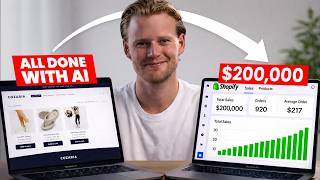


![Building an AI Startup in 8 Minutes with ChatGPT [No-Code Method]](https://i.ytimg.com/vi/e39j1Oy9dGc/mqdefault.jpg)



Related Reads
Chapters (5)
Intro
1:07
About George B. Thomas and His AI Clones
11:44
What AI Clones Can Do for Marketers and Entrepreneurs
15:04
How to Build an AI Clone: Preparation and Training Considerations
36:50
How to Use Delphi.ai to Build an Interactive AI Clone
🎓
Tutor Explanation
 DeepCamp AI