Product Strategy in Gaming Explained
Key Takeaways
The video explains the fundamentals of product strategy and roadmapping in the video game industry, covering key elements such as target audience, unique value proposition, market research, and competitive analysis. It also discusses the importance of post-launch management, industry best practices, and leveraging cutting-edge tools like Generative AI and project management software.
Full Transcript
Ever wondered how your favorite video games come to life? It's not just about coding and graphics. It's about strategy, vision, and understanding what players truly want. In this video, we're diving deep into the world of product strategy and road mapping. We'll equip you with the skills to not only dream up amazing game ideas, but also navigate the complex journey of bringing them to market. Whether you dream of working for a major studio or launching your own indie masterpiece, mastering product management is your key to success in this exciting world of video games. To kick things off, you'll start here with product strategy 101, where you'll delve into the core concepts of product strategy, focusing on how to build a road map that leads to winning video game ideas. By the end of this video, you'll be able to define the concept of product strategy and its significance in the video game industry. You'll also be able to explain the key elements of a successful product strategy, including target audience, unique value proposition, market research, and competitive analysis. Just what is product strategy? Product strategy is your game plan guiding the path from your initial game concept to a successful launch and beyond. A robust product strategy outlines what your game is all about, who it's designed for, and how it will stand out in the fiercely competitive gaming landscape. Let's unpack the key elements that form the foundation of a successful product strategy in the video game industry. This is where it all starts. Know your players. You need a deep understanding of your target audience, the players you're creating this game for. What genres do they enjoy? What platforms do they play on? What are their expectations in terms of graphics, gameplay, and story? Understanding your players allows you to tailor your game to their specific desires and preferences. Take the widely popular game Animal Crossing: New Horizons, for example. Nintendo clearly understood their target audience's desire for a relaxing, open-ended experience where they could create their own virtual paradise. With all the video games out there, what makes yours special? What's the unique selling point that sets your game apart and compels players to choose it over others? Is it innovative gameplay mechanics, a captivating story, stunning visuals, or a combination of these factors? Consider the game Among Us. Its unique blend of social deduction and teamwork quickly captured the hearts of millions, showcasing the power of a distinctive value proposition. Think of this as your reconnaissance mission. What other games are vying for the attention of your target audience? What are their strengths and weaknesses? Understanding the competitive landscape helps you identify opportunities to differentiate your game and carve out your own unique space in the market. For instance, before launching Valerant, Riot Games meticulously study the competitive shooter market, identifying areas where they could innovate and offer a fresh experience to players. Your product road map is the timeline that charts your game's development journey. It outlines key milestones, features, and release dates, ensuring everyone on your team is aligned and working towards the same goals. A robust road map extends beyond the initial launch, encompassing post-launch updates, expansions, and even sequels. Look at the ongoing success of Grand Theft Auto Online. Rockstar Games commitment to regular updates and expansions has kept players engaged and coming back for more years after the game's initial release. Once your game is ready for launch, it's time to generate excitement and build anticipation. This involves crafting trailers, engaging in social media campaigns, partnering with influencers, and employing other marketing tactics to create buzz around your game. The launch of Fallg Guys, its vibrant visuals, quirky gameplay, and clever marketing campaign propelled it to viral success, demonstrating the impact of a well-executed product marketing strategy. The journey doesn't end at launch. Post-launch management involves actively listening to player feedback, tracking key metrics, and continuously iterating on your game to enhance the player experience. No Man's Sky is a prime example of the importance of post-launch management. Hello Games use player feedback to new iterations of the game, releasing numerous updates that transform the game into the experience players originally envisioned. Staying current with industry best practices and leveraging the latest tools is paramount. This includes utilizing project management tools like Asana or Trello, analytics platforms like Amplitude or Mix Panel and CRM software to effectively manage player interactions and feedback. Moreover, Generative AI is revolutionizing game development. Stay curious and explore how AI can help you create even more immersive and captivating gaming experiences by meticulously defining your audience value proposition roadmap and by harnessing the power of industry best practices and cutting edge tools, you'll increase your chances of creating a successful and unforgettable gaming experience. Just remember, product management is a dynamic field and constantly evolving. Continuous learning and adaptation are key to your success.
Original Description
What does it take to turn a video game idea into a successful product? In this lecture, explore the fundamentals of product strategy and roadmapping in the video game industry.
Learn how product managers define target audiences, craft a compelling value proposition, analyze competitors, and build product roadmaps that guide development from concept to launch. You’ll also see how marketing strategy, post-launch iteration, analytics tools, and emerging technologies like generative AI play a role in shaping modern gaming experiences.
This video is part of the *Xbox Product Manager Professional Certificate* on Coursera, where learners develop practical skills in product strategy, roadmapping, user research, and product launch while preparing for real-world product management roles in tech and gaming.
Continue learning and explore the full program: https://bit.ly/4bsHZnQ
0:00 Introduction to Product Strategy in Gaming
0:43 What You’ll Learn: Product Strategy 101
1:17 What Is Product Strategy?
1:44 Understanding Your Target Audience
2:22 Defining Your Unique Value Proposition
2:56 Competitive Analysis in Gaming
3:27 Building a Product Roadmap
4:04 Launch Strategy and Marketing
4:35 Post-Launch Product Management
5:06 Tools for Product Managers
5:24 The Role of AI in Game Development
#ProductManagement #ProductStrategy #GameDevelopment #Xbox #TechCareers #ProductRoadmap #GamingIndustry #ProductManager #Coursera #LearnOnline
Watch on YouTube ↗
(saves to browser)
Sign in to unlock AI tutor explanation · ⚡30
Playlist
Uploads from Coursera · Coursera · 0 of 60
← Previous
Next →
1
 2
2
 3
3
 4
4
 5
5
 6
6
 7
7
 8
8
 9
9
 10
10
 11
11
 12
12
 13
13
 14
14
 15
15
 16
16
 17
17
 18
18
 19
19
 20
20
 21
21
 22
22
 23
23
 24
24
 25
25
 26
26
 27
27
 28
28
 29
29
 30
30
 31
31
 32
32
 33
33
 34
34
 35
35
 36
36
 37
37
 38
38
 39
39
 40
40
 41
41
 42
42
 43
43
 44
44
 45
45
 46
46
 47
47
 48
48
 49
49
 50
50
 51
51
 52
52
 53
53
 54
54
 55
55
 56
56
 57
57
 58
58
 59
59
 60
60

Principles of Obesity Economics with Professor Kevin Frick
Coursera
Introduction to the U.S. Food System: Perspectives from Public Health by John Hopkins University
Coursera
E-learning and Digital Cultures
Coursera
Equine Nutrition with Jo-Anne Murray
Coursera
Coursera Meetup BBQ
Coursera
Contraception: Choices, Culture and Consequences with Jerusalem Makonnen
Coursera
Nutrition for Health Promotion and Disease Prevention with Katie Clark
Coursera
Information Security and Risk Management in Context with Dr. Barbara Endicott-Popovsky
Coursera
Contraception: Choices, Culture and Consequences with Jerusalem Makonnen
Coursera
Writing in the Sciences with Kristin Sainani
Coursera
Economic Issues, Food, and You with Jennifer Clark
Coursera
Leading Strategic Innovation and Creativity in Organizations with David A. Owens, PhD
Coursera
Useful Genetics with Professor Rosie Redfield
Coursera
A History of the World since 1300!!!! with Jeremy Adelman
Coursera
Microeconomics with Richard McKenzie
Coursera
Discrete Optimization with Professor Pascal Van Hentenryck
Coursera
Leading Strategic Innovation and Creativity in Organizations with David A. Owens, PhD
Coursera
Science from Superheroes to Global Warming with Michael Dennin
Coursera
Introduction to Digital Sound Design with Steve Everett by Emory University
Coursera
Women and the Civil Rights Movement with Dr. Elsa Barkley Brown
Coursera
Galaxies and Cosmology with S. George Djorgovski
Coursera
Science, Technology, and Society in China I, II, and III: Basic Concepts with Naubahar Sharif
Coursera
Introduction to Pharmacy with Kenneth M. Hale, R.Ph., Ph.D.
Coursera
AIDS with Kimberley Sessions Hagen, EdD
Coursera
Health Informatics in the Cloud with Mark Braunstein
Coursera
Songwriting with Pat Pattison by Berklee College of Music
Coursera
Software Defined Networking with Dr. Nick Feamster
Coursera
Epigenetic Control of Gene Expression with Dr Marnie Blewitt
Coursera
Guitar for Beginners - Introduction to Guitar with Thaddeus Hogarth by Berklee College of Music
Coursera
Organizational Analysis with Daniel McFarland
Coursera
Scientific Computing with J. Nathan Kutz
Coursera
Jazz Improvisation - Introduction to Improvisation with Gary Burton by Berklee College of Music
Coursera
Principles of Economics for Scientists with Antonio Rangel
Coursera
Introduction to Music Production with Loudon Stearns by Berklee College of Music
Coursera
Principles of Public Health with Zuzana Bic
Coursera
The Science of Gastronomy with King Chow, Lam Lung Yeung by HKUST
Coursera
The Language of Hollywood: Storytelling, Sound, and Color with Scott Higgins by Wesleyan University
Coursera
Nutrition and Physical Activity for Health with John M. Jakicic, Ph.D., and Amy D. Rickman,...
Coursera
Nutrition, Health, and Lifestyle: Issues and Insights with Jamie Pope, MS, RD, L
Coursera
Survey of Music Technology with Jason Freeman by Georgia Institute of Technology
Coursera
Exercise Physiology: Understanding the Athlete Within with Mark Hargreaves
Coursera
Canine Theriogenology for Dog Enthusiasts with Margaret V. Root
Coursera
Web Intelligence and Big Data with Gautam Shroff
Coursera
Critical Perspectives on Management with Rolf Strom-Olsen
Coursera
El ABC del emprendimiento esbelto with Sergio Ortiz Valdes
Coursera
Interprofessional Healthcare Informatics with Karen Monsen
Coursera
Creativity, Innovation, and Change with Jack V. Matson, Darrell Velegol and Kath
Coursera
Innovacion educativa con recursos abiertos with Maria Soledad Ramirez Montoya an
Coursera
Inspiring Leadership through Emotional Intelligence with Richard Boyatzis
Coursera
Matematicas y movimiento with
Coursera
Sustainability of Food Systems: A Global Life Cycle Perspective with Jason Hill
Coursera
Latin American Culture with Enrique Tames
Coursera
Latin American Culture' with undefined
Coursera
Computer Security with Dan Boneh
Coursera
Introduction to Art: Concepts & Techniques
Coursera
Programmed cell death
Coursera
El ABC del emprendimiento esbelto
Coursera
Understanding economic policymaking
Coursera
History of Rock, Part 1 by University of Rochester
Coursera
Pensamiento Cientifico
Coursera
More on: Product Strategy
View skill →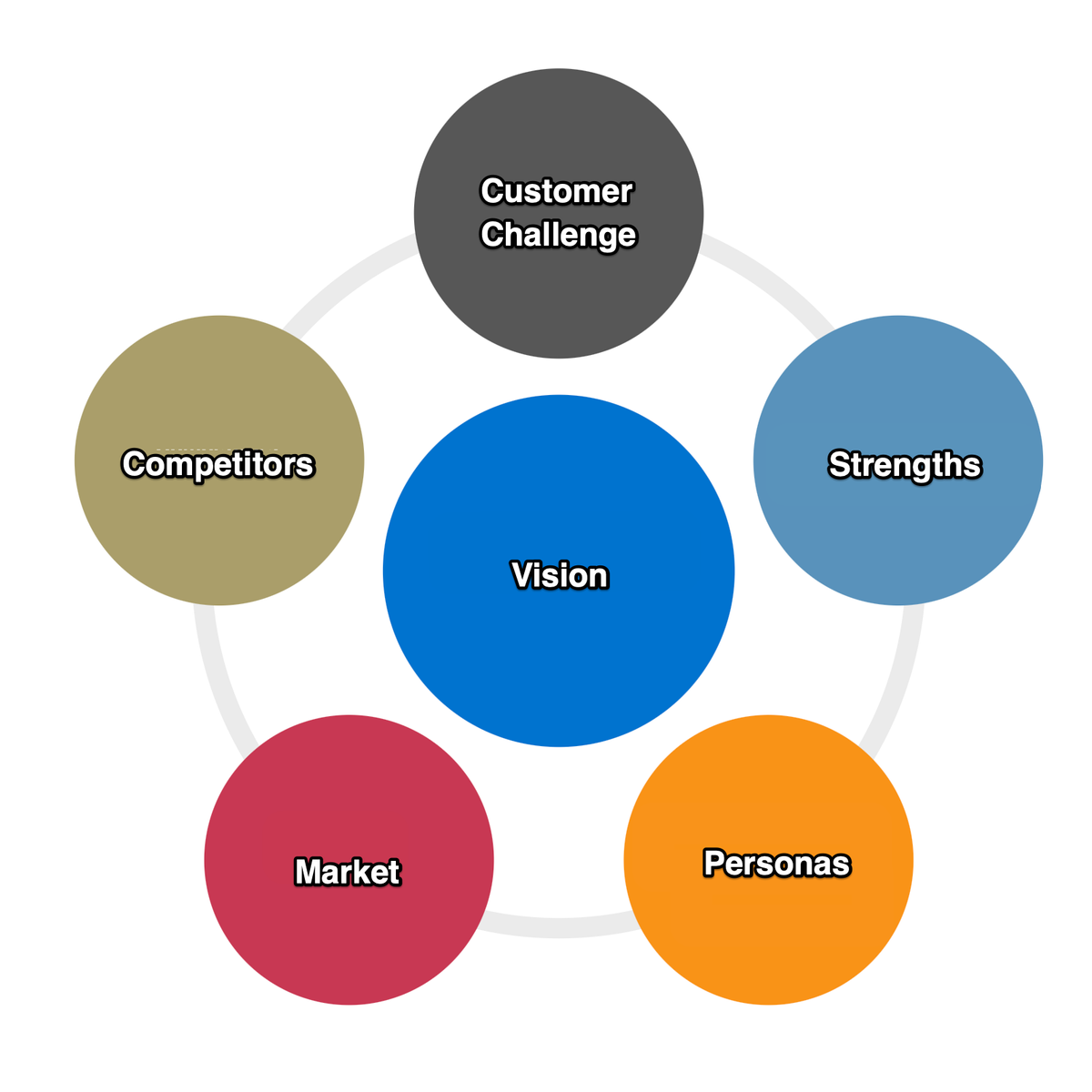





Related Reads
📰
📰
📰
📰
We Talked to 50+ Clinics and Real Estate Offices Before Writing a Single Line of Code — Here’s What…
Medium · AI
Eastern Philosophy for Developers: Using Wang Yangming to Combat Burnout
Dev.to · cxtao
I've been a Google phone diehard for 10 years - here's my 5-part wishlist for Pixel 11
ZDNet
I hit a wall so I built AppKeep for product lifecycle management and more
Dev.to · Jeremy Foxx
Chapters (11)
Introduction to Product Strategy in Gaming
0:43
What You’ll Learn: Product Strategy 101
1:17
What Is Product Strategy?
1:44
Understanding Your Target Audience
2:22
Defining Your Unique Value Proposition
2:56
Competitive Analysis in Gaming
3:27
Building a Product Roadmap
4:04
Launch Strategy and Marketing
4:35
Post-Launch Product Management
5:06
Tools for Product Managers
5:24
The Role of AI in Game Development
🎓
Tutor Explanation

 DeepCamp AI