Nvidia’s Massive Agentic AI Power Play
Skills:
Agent Foundations90%Tool Use & Function Calling80%Multi-Agent Systems70%Autonomous Workflows70%
Key Takeaways
Nvidia's Reuben chip and Vera Rubin nodes are designed for a future dominated by consumer and enterprise agents, offering 10x inference efficiency and 3-4x training efficiency, and the company is pushing forward an agenda against the narrative that its throne is at risk due to TPUs from Google or inference chips, with a focus on physical AI, robotics, and autonomous systems
Full Transcript
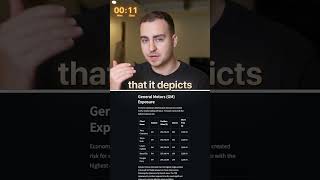
At CES yesterday, it was all eyes on Nvidia as Jensen Huang took the stage for his keynote. Two of his big announcements from the event were Nvidia's model for self-driving cars and more details about Reuben, the company's next big AI chip it is working on. The chip is supposed to be cheaper to use compared to previous models, and in some cases, companies should have to use less of them. I want to bring on Steve Jen, founder and managing partner at Kindred Ventures to help us break it all down. Steve, welcome back to the show. It's great to have you here. >> Thanks for having me. Um, it's good to see you. >> So, you are on the ground at CES. Were you at the keynote yesterday? >> Yeah. Uh, we, uh, you know, CES every year is, um, a great moment for, uh, all of our hardware companies and compute companies to come together. Um, so CES itself has a has a new life, uh, because of AI, which is great to see. >> Nice. Well, I want to talk to you about the keynote. So, look, the two big announcements coming out of Jensen Huang's speech yesterday were the self-driving car model, uh, and you know, I know you you're you're close to that space, and so maybe we'll get there in a second, but I want to start with the the new generation of of chips that they, uh, gave us more details on the Reuben family. Uh, what stood out to you about Jensen's uh, speech about the chips? Uh, and, you know, I kind of thought that we knew a lot of the stuff yesterday, didn't we? Um, yes and no. I I think everyone knew that the Vera Rubin super chip and the Ruben GPU were coming, but I think some of the details weren't widely uh understood yet. I think there was there was a couple concerns coming in. One was um you know, is this going to be a drop in chip to replace the B2 uh B200s and uh GB200s and it looks like it's not right. So you what what you saw yesterday was a Vera Rubin super chip, a CPU and a and two GPUs. um uh and then in a node and then uh Reuben GPUs. So these are sold and delivered as nodes and racks. You can't just take a a single GPU and replace um your existing chips. So as a data in the data center, you actually have to change uh how your rack system works. So the rack is a system um in this new Ruben series. So uh what you get though is 10x inference efficiency. You get uh 3 to 4x uh training efficiency. Uh, but it's it's it's it's going to require some work on the clouds and Neocloud's parts. So, it's a paytoplay, right? They have to compete with um paying up for a new series while they're still figuring out how to get delivered and monetized on on the on the Blackwells. And so, uh, this is, you know, a continuation of the battle royale that the hyperscalers, the neoclouds, the inference engines, Frontier Labs are playing right now. They have alliances, pre-commitments, bookings, and they're still figuring out how to utilize the the last series of chips. So, um I think 2026, one of our predictions for 2026 is that this battle royale is going to be even more intense than last year. Um uh many more uh uh bookings, many more alliances, uh that you'll see. uh and they're going to have to fight for customers and and still monetize and utilize all those B200s sitting uh in data centers and still getting shipped to them, >> right? >> So, um the net net though is that it's great for inference engines. It's great for Frontier Labs. It's great for Neolabs. Uh uh it's it's going to be expensive for NeoClouds and and hyperscalers, but uh you know long term uh they're going to be able to have uh the very best chips um uh uh compared to anywhere else around the world. Well, let me ask you this. This idea that you have to sort of replace the entire rack and it's not a drop in chip. Does that come across to you as a strategic move from Nvidia and in a way to sort of ensure that customers are buying more of the whole system from them or is this an innovation you know in the sense that you couldn't actually get the benefits that it wants you to get without buying all the other stuff around the trip? >> My my understanding um and it's we just had a sort of data look at this but my understanding is that it's not a business decision. It's a technical uh systems decision uh that this is how um uh the the Vera Rubin nodes in Rex will work. I don't know if you saw the picture of it. It's a golden monolith. >> Yeah. >> Beautiful. My my comment at the time was, hey, it looks impressive. Also looks very expensive. I mean, yeah, that's why they colored it in gold, right? Um and so, um I think I think this is a system as a rack solution. And I so I don't know that it's a it's a pricing or business decision so much as it is. Uh this is the new uh rack system and node system that they want to push out there and that's a technical requirement. Um and so well, you know, we'll find out more in the coming days. Um but I I think uh this is really interesting because it's a replacement cycle. It's like the same way that consumers replace their new their iPhone for the next iPhone, right? >> Their their old iPhone, their current iPhone still works uh but they want the next one. And I think u basically the entire indust the compute industry is is essentially on the the the >> the Nvidia replacement cycle. >> Yeah, you don't need it yet, but you'll need it soon. And so you should get it now and book it now. Otherwise, you might be waiting in line and then um a slip on your competitive race uh with others. So I think >> I I will say it's it's funny to me. I was watching the live stream and uh I was on YouTube and wherever I was watching it, the comments underneath the top comments were this is the consumer electronic show. this is like you know one of the least consumer things you know and look I know you say it look all of AI rest on the chips right and the end of the day it all comes back to it but uh some people were saying gosh you know it's getting more and more technical and and uh in terms of what's what's being announced at these events >> I mean CS has always been a mix of some consumer devices um and a lot of infrastructure uh the server companies the chip companies uh the component companies have always been out here. This is sort of the it's always been sort of the the the trading u order filling um uh convention from from time ago but it's you know it's a thousandx now because um if you think about all the keynotes like uh very few of them are actually touching the consumer right you saw the AMD keynote you saw um you'll see a seaman's keynote you'll see um so many keynotes from companies that are two three steps away from the consumer but it's super important right uh the you know this whole bear rubin series that they announced. It's built for a future around consumer agents and enterprise agents. That's why they built this. The prediction is is that uh over the next year or two inference workloads will exceed training workloads which is which will be the first time that that that's ever happened. And so the this is made for a gent work workloads. the number of requests that uh are you're making on an inference level requires a tokens per second per watt uh calculation that is we just haven't seen in the industry. So as as companies like Perplexity and um Plug Code, you see what they're doing with their harness on on top of their Opus models um codecs uh things like that. These agent platforms um are going to use up so much inference that you need a different chipset and a different system. And so >> let me let me ask you about consumer workloads was definitely a focus yesterday, but a lot of it too was was physical AI, right? I mean, you know, manufacturing robotics and and we had a good story about that uh yesterday, too. How Nvidia is really uh gunning for this category of customers now with its omniverse suite. Um what do you make of the of the focus on physical AI because it wasn't just Nvidia yesterday. Uh you know, I think other other ship companies as well announced more products targeted towards these sort of industrial applications. Why is this such a big focus now? Is this where they have to look for growth? >> No, I I don't think the narrative is that they have to look for growth and so they're sort of forcing um uh uh this theme. I think that this is a theme that's been brewing. I mean, if you think about what um uh a chipmaker and Intel used to do this a long time ago, but what Nvidia is doing is sort of setting the mandate for the conversation and providing the tools uh for that conversation and that building to happen in a sector. So essentially it's sort of like kingmaking, right? You know, we often talk about um >> they're setting the tone. >> Yeah. Do do venture funds kingm make companies? Well, I'll tell you Nvidia is kingmaking sectors, right? And so um what you're seeing is that they're um you know, they did this with LLM, right? They focused in on LLMs. um and you know uh had great things to say about um not only uh open AI but also uh XAI and Elon Musk's ability to stand up a data center very quickly with lo and behold their chips inside and um and then they uh King made on the robotic sector right uh and you saw that with Grood and everything that they were doing there and now when they say physical AI it includes robotics concepts um it also includes uh uh VAS right and VLMs um and so um they're not it's these derivative technologies that are improving over time in the industry. Um if you went to any of the ML conferences over the last year like ICML, ICLR, Nurups, you saw that physical AI was a huge thing. And so world models um everything from world models to robotics models to autonomy is part of physical AI. >> It's very much the the narrative that that that people want to attach themselves to right now. >> Yeah. And if you saw what they announced yesterday, they have open data sets, they have open- source models, right? They they showed that demo video and uh you know and we know this well because one of our companies um one of our portfolio companies, Neuro is a Nvidia partner um is invested in by Nvidia and Uber and they launched their their uh neuro um car with uh Lucid and Uber and it's AGX store inside Nvidia chips, right? And um and what Nvidia uh basically shipped yesterday very interesting is that um other auto OEMs and other technology companies can use these models and their chips right their chips are always inside right and this accelerates the ecosystem so that using open source which I think there's been an argument that what is this purpose of open source from a monetization perspective well in this case it sells chips and then uh the second part of that of what I thought was super interesting is that they basically uh offered a hardware model and software kit to create your own Tesla FSD or your own Whimo. So, um you know when they're >> it's like it's like anyone anyone can you know it's very much democratizing who can develop on this technology. I I think that's that's a good point actually. I hadn't thought about that. Uh very quickly after all these announcements yesterday uh the stock didn't really move and you look Nvidia stock is kind of you know a tough thing to predict but what did you make of of that part of this? Yeah, you know, from a public stock perspective, I think, you know, the a lot of the Reuben stuff, um, uh, announcements and and even the physical AI, there's been data out there, right? Uh, Neuro's been using, uh, Thor, um, with Uber. Uber was announced as a Nvidia partner as well. So, a lot of this stuff is already probably factored in to Wall Street's pricing. But the other thing that's interesting here is that um you know if you look at Nvidia today uh they are uh pushing forward an agenda uh against the narrative that is is there a bubble and there's another counternarrative which is um is Nvidia's throne um at risk because of TPUs from Google or is it at risk because of inference chips and what I'll tell you is the Vera Rubin uh family that series of chips it's 10x improvement in inference so it kind of calls into What was the narrative that was floating around around the Grock acquisition? And I still think that um you know we we have >> Does it make you qu Does it make you question the Grock acquisition a little bit? >> No, it doesn't actually because I think the Grock acquisition, you know, we'll see if they actually use the Gro chip license uh in their product suite. Um I think if they do, it's you know, it's heavily modified uh to fit into Nvidia's uh suite. But um what I think it was was getting one of the world's best teams in efforts. Um you know we uh when we looked at that it was like the SRAMM uh uh innovation that Jonathan and team had achieved that's just there's very few people on the planet that know how to do that. And I don't think that's the that's a that's not in the wheelhouse of Nvidia. So I think that was essentially a 20 billion um uh talent acquisition. Right. which which is very much what they what they kind of call it by by doing everything but the acquisition. I mean they didn't call it a an aqua hire but >> I mean reg regulatory like issues aside um it's a great talent acquisition and 20 billion is a lot for any company other than Nvidia right and so um so what it when I look back at the Grock acquisition you know they didn't take Grock cloud right uh they have DGX cloud so they don't need that um and I think I think that they're going to build a new inference chip that's focused on uh tokens per second Um, and it's not focused on training obviously. And um, and if you look at what they're offering here, it's saying you can pay to play here and you can get a a much more performant uh, inference and training chip in Reuben. And we're probably going to offer you around the same time, maybe a little bit after, right? >> Uh, an inference uh, accelerator that is single focused on on that outcome and that use case. And so, you know, I think as this unfolds, I think uh there may be a little bit more upward pressure on that price, but I think people are still grappling with a couple of these narratives. And so, we'll see how that plays out in the future, but you know, the Reuben trips aren't coming out for a while either. >> Well, and and I think we we were all excited to to to get more details on it yesterday. And um we we didn't have time to to get to the self-driving car stuff, but we're going to talk about that in our next segment with our AI and robotics reporter, Steve. I want to thank you for joining us. Uh have fun at the rest of CES and enjoy the rest of the week. That is Steve Jang, founder and managing partner at Kindred Ventures here on TI TV.
Original Description
Steve Jang discusses why Nvidia’s Rubin family was built specifically for a future dominated by consumer and enterprise agents. He explains how the shift from training to massive inference workloads is redefining the hardware requirements of the AI boom.
TITV airs on YouTube, X and LinkedIn at 10AM PT / 1PM ET. Or check us out wherever you get your podcasts.
Subscribe to: The Information on YouTube: https://www.youtube.com/@theinformation The Information: https://www.theinformation.com/subscribe_h
Watch on YouTube ↗
(saves to browser)
Sign in to unlock AI tutor explanation · ⚡30
Playlist
Uploads from The Information · The Information · 0 of 60
← Previous
Next →
1
 2
2
 3
3
 4
4
 5
5
 6
6
 7
7
 8
8
 9
9
 10
10
 11
11
 12
12
 13
13
 14
14
 15
15
 16
16
 17
17
 18
18
 19
19
 20
20
 21
21
 22
22
 23
23
 24
24
 25
25
 26
26
 27
27
 28
28
 29
29
 30
30
 31
31
 32
32
 33
33
 34
34
 35
35
 36
36
 37
37
 38
38
 39
39
 40
40
 41
41
 42
42
 43
43
 44
44
 45
45
 46
46
 47
47
 48
48
 49
49
 50
50
 51
51
 52
52
 53
53
 54
54
 55
55
 56
56
 57
57
 58
58
 59
59
 60
60

Will OpenAI's Agent Tools Kill Startups?
The Information
Oracle’s Shockingly Small Cloud Margins, OpenAI ‘Super App’ Goal, AI Copyright | Oct 7, 2025
The Information
AI Startups: Get Market Share Now, Profit Later
The Information
How to Cut AI Agent Costs
The Information
The Problem with Longevity
The Information
Why Longevity Hype is a Serious Problem
The Information
The 'Imposter Syndrome' of Tech Founders
The Information
The Future of Hiring is Not Your Resume
The Information
AI Profitability Problem, Silicon Valley Longevity Boom, MeritFirst’s Hiring Strategy | Oct 8, 2025
The Information
How Base Power is Solving the Energy Crisis
The Information
Brex vs. Ramp: What's Next for the Fintech Rivalry?
The Information
Big Tech Cozy Up to Trump
The Information
AI Umpires in the MLB, Base Power Updating American Power, Trump & Big Tech | Oct 9, 2025
The Information
Why Qualtrics is Making a Multi-Billion Dollar Bet on AI
The Information
How to Build A Successful Open-source AI Company
The Information
What Caused This AI Startup to Fail?
The Information
E-commerce is Back and Stronger Than Ever
The Information
Lessons from a Failed AI Startup Founder
The Information
How to Build a Successful Open-source AI Company
The Information
Qualtrics’ $6.75B Acquisition, E-comm Startup Revival, Reflection AI Raises $2B | Oct 10, 2025
The Information
Amazon’s AI Enterprise Strategy: The Trainium Chip
The Information
OpenAI’s Announces Major Chip Deal with Broadcom
The Information
Tokenization: The Future of Crypto?
The Information
What Top AI Researchers Look for in a New Job
The Information
AWS’ New Enterprise AI Push, OpenAI Deal with Broadcom, Big Tech AI Ad Planning | Oct 13, 2025
The Information
Why Oura is Raising $900M to Invest in AI
The Information
"Jensen Can't Be Happy About That" | OpenAI Broadcom Deal
The Information
Why US Fintech “Hasn’t Happened Yet”
The Information
AI is Changing What a PhD Does in the Lab
The Information
Oura CEO on Future of Health, Brex CEO on Fintech’s Growth, AI for Science Discovery | Oct 14, 2025
The Information
Oura CEO on the Future of AI in Healthcare
The Information
Are AI Coding Assistants a Threat to Engineers?
The Information
Dreamforce 2025: Major Learnings
The Information
Dreamforce 2025, AI Challenges in Healthcare, Pushback on AI Coding Tools | Oct 15, 2025
The Information
Microsoft’s 24/7 AI: The Future of Team Productivity
The Information
XAI's Colossus 2: The World's First Gigawatt-Scale AI Data Center
The Information
Anthropic Is Shopping for Startups
The Information
Microsoft CPO on AI Strategy, Anthropic’s Acquisition Plans, Gaming Startup Trains AI | Oct 16, 2025
The Information
Oracle’s Stock Movement Amidst AI Margin Concerns
The Information
"The Traditional SaaS Business Model is Dead"
The Information
How Brex Is Preparing for the Next Phase of Fintech
The Information
Apple-F1 Media Deal, Moneyball for Minors, Oracle's AI Margin Worries, AI Rollup Boom | Oct 17, 2025
The Information
Is Tech Ruining Youth Sports?
The Information
Crypto’s Hottest Startup, Upgrade CEO on Future IPO, Questions Ahead of Nvidia GTC | Oct 20, 2025
The Information
The Unknown Crypto Exchange With Major Market Impact | Hyperliquid
The Information
Nvidia's Next-Gen AI Chips: Vera Rubin and Kyber Revealed | Tech Analyst Breakdown
The Information
Full Suite Banking: How Fintech Companies Differentiate
The Information
Personalized AI Baby Health Data?
The Information
How AI Chatbots are Changing the Web
The Information
Baby Wellness AI, Turo CEO on Car Ownership Crisis, The AI Search & Revenue Enigma | Oct 21, 2025
The Information
Vinod Khosla on AI’s Credit Risks, High Costs, and Energy Demands
The Information
Vinod Khosla on AI's Circular Financing Deals
The Information
“Creators are the PhDs of Commerce” — Li Haslett Chen, CEO of Howl
The Information
Why Enterprise AI is Failing: Vinod Khosla Explains the Problem
The Information
How Campus’ AI Creates a Personalized College Curriculum
The Information
The AI-powered Education Startup Tackling Tuition Affordability
The Information
Vinod Khosla on AI’s High Costs, Circular Financing, and Massive Energy Needs | Oct 22, 2025
The Information
AI is Fixing the $130 Billion Staffing Problem
The Information
The CEO Voice Beats the Corporate Brand
The Information
SEO is Dying: The New Goal is Generative Engine Optimization (GEO)
The Information
More on: Agent Foundations
View skill →





Related Reads
📰
📰
📰
📰
Why Agentic AI Needs More Than Standard Model Risk Management
Medium · AI
What is Anyscale? The Platform Powering Scalable AI and Python Applications
Medium · Startup
Memory Management in Long-Running Agents: Short-Term vs. Long-Term Vector Memory
Medium · Machine Learning
What Are Long-Running AI Agents? A Beginner’s Guide
Medium · Machine Learning
🎓
Tutor Explanation

 DeepCamp AI