[Live Webinar] How to Pitch an AI Startup to Investors
Key Takeaways
The video discusses how to pitch an AI startup to investors, covering topics such as fundraising, capital concentration, and pitch deck creation, with a focus on entrepreneurship and AI startup building. It highlights the importance of traction, product development, and patent law in AI-driven businesses, and provides practical steps for creating a pitch deck and securing funding.
Full Transcript
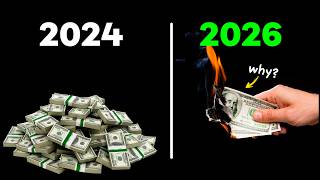
Hello everyone. Thanks for thanks for tuning in. Uh welcome to our session. We're doing this uh welcome to our session on how to pitch uh an AI an AI company. We've the only reason we understand how to do this or you know the proof of of us knowing how to pitch a company is that you know over the past few years over $600 million have been raised with decks that we that we touched on. But but there's a there's a big there's a big butt um to that story. Um which is that fundraising has always been kind of weird. Um has always been it's always been kind of weird. I I remember when we uh when we started uh site beating, I remember this company raised funding and I thought it was it was crazy. Uh it was this company called Yo. They made fun of this in this in that Silicon Valley series. Um it was this company called Yo that uh all you could do in Yo was just send messages uh send yo, not even like a message, just yo back and forth between the app and then that's it. There was no communication. And I remember seeing this and saying, "Well, this is idiotic first, but second, like why would this company raise money and not us, right? Like that's that's a it didn't make any sense, right?" And then, you know, if you fast forward a few a few years to today, right? You you come across stuff like this. uh you come across uh you know SpaceX's uh $800 billion valuation or Ilia one of the one of the co-founders of Open AI raising a billion dollars just as a seed or preede round for for his company and that does that make any sense right it's it's all it's all very confusing so that's that's the first thing I want to I want to talk about today I want to talk about what the [ __ ] is going on with funding because I think that if you want to you know if you want to raise funding for an AI company today you sort of have to understand a little bit of the fundraising context. Um, so I have I have some thoughts on this and then I have some thoughts on a pitch deck. Uh, and we're going to get into the actual pitching part. Um, I've gotten much better at multitasking. So, I see you guys on the on the Zoom. Some of you guys are on the on the Zoom link. Welcome. Thanks for tuning in to Zoom. I see you guys here. And then I see you guys on the YouTube live stream. You guys have like a 20 30 second delay, but I see I can read you guys here. And, you know, when you have whenever you come up with questions, stuff, just throw it in there. I'll try to keep up. I'll have a couple breaks for questions and that way we'll prove that this is live. Sometimes people ask, "Oh, is this live or is this just some recording?" It's live. I'm here. Okay, let's do it. So, what the hell is going on with fundraising? Uh, let's let's understand a few basics first. Uh, this is these are some actual real data points. Uh, this is from a Hopspot report. So, this is the amount of capital invested in startups um or in tech companies over the last few years. Um there's some winess to that as you can see. But overall the trend and this is you know this is an early 2025 report. But as we close 2025 uh that trend sort of continued in the sense that a lot of money a lot more money was raised uh in 2025. There's more money going to companies which is great for us. Yes. No. Uh well there's this other there's this other chart that sort of overlaps that one which is the amount of deals that uh the amount of startup deals that happened um in 2025. And you can see that line sort of follows the inverse right there's there's what that's basically saying is well there is more money going to startups but fewer companies are able to capture that money. So we're basically seeing some capital concentration more money going to fewer companies. So which are the startups that can get funded, right? In the end if in the end if you guys can raise money then you're on on your way but you know the question is how do you become one of those now fewer companies or fewer percentage of companies uh that are managing to to raise any capital. So let's let's dig a little deeper into into some of those numbers. So this is another uh report. This comes from pitchbook. Uh this is the median deal size um across across venture capital. some there's some really crazy stuff happening here because you can see that uh the median. By the way, this chart is like really confusing. That's the this is the 2024 number. I don't know if you can see my cursor. And then this is the 2025 number. Uh and the line is not straight for some reason. I don't know. Uh but we've I've I've dug deeper into the report where this came from. And yeah, so this is kind of the number. So we we're seeing $900,000 as a standard preede round in 2025 and we're seeing 3.6 $6 million as a standard seed round in 2025. If you want to convert that into valuations, um, you know, that's that's a valuation. Those are valuations of $8 millionish for preede and $15 millionish for seed. I translated that into this if you want to take a better screenshot of it. Um, by the way, for you guys on Zoom, like a bunch of people, almost 100 people on Zoom, which is crazy. Thanks. Um, I always get the question, is this being recorded? Well, it's being live streamed to our startup club channel. Um, so if you ever want to if you want to rewatch then that's that's where you can go. Okay. So I mean what's madness to me right is that these are very very big. This is a lot of money at a very very high valuation for startups. Um that sometimes comes with problems which I'll get to. But overall the conclusion of this of this new data is that you know these seed rounds a seed round seed round of $3.6 6 million. I always say back in my day, but at least back when we were fundraising for SL being like $3.6 million, that that would have been a series A round, right? So, how do we go how do we go from from a seed being something like a million to being 3.6 million? That's kind of this trend that we're seeing, right? Fewer companies capturing more capital. And why is that, right? So, why are they raising more or why are investors pouring more money into these businesses? Um, well, part of it is this, right? Part of it is that uh the rounds the time between rounds has gotten longer. Uh again, back in my day, this is I mean it's not even in the chart. Back when we were fundraising, you know, the the general rule or or recommendation is like, hey, you should raise money uh for something like 18 months of runway. That means that you at month 12, you've probably hit the milestone that you were looking for. You start fundraising and you have 6 months of of cushion uh in order to close that round. Uh that has been very visibly extended, right? So at least in the first half of 25 um the mean and the med I mean the average and the median time between rounds is much more closer to 24 sometimes even above 24 uh which means that companies are raising money to last longer right they're raising money I mean this extra money that they're raising lasts longer the idea is that you have to you know you have more time because there's more capital out there uh because you need more traction yes I think both of those are valid reasons companies are kind of being able to secure capital not just for 18 months but for 24 months. And I think that's important because uh because it relates it connects very directly to this topic. So this is uh a little uh chart that we made for our last video. Um my team can post a link to the Zoom people for you guys on on the on the YouTube stream. It's literally the last video that we put on the channel. Um it talks a little bit about these cycles in fundraising, right? And and and I think that this is very real. I don't want to go all the way back that that far back but let's say you know 2014 for example this was a a fantastic time to raise money this peak seed funding a lot of money there was there were a lot of ideas there were a lot of founders there was some money that's some rebounding from 2018 so a lot of money there there there was money going to a lot of companies a lot of companies raised money uh in 2024 and then what happened in 2026 was well not all of these companies managed to get to series A right there were too many companies too many ideas happening This was like a like a spring of startup. So if you had an idea in 2024, there's a good chance you were raising money for it. But you know, not not all ideas are great. Not all ideas manage to um you know to get to to the next phase and so you end up in um in this we end up in this series A crunch right where few companies raise money. Now 2017 2019 we had some soft soft bank effect. Um so the soft bank effect of that is uh you know we we work is kind of included there. Soft bank being this this fund you know in injecting billions of dollars into companies companies getting valued at tens of billions of dollars like these these $40 million unicorns were happening. So like that got people excited again right so through 2017 2019 people are excited about investing in startups because there's there's there's that visibility over that payback or that payoff uh a few months uh or a few years in advance uh and I think that that concluded with sort of co mania which is what I call it uh covid mania is the is is this time postcoid where all these stimulus checks the stock market booming we had all this money flowing and you not a lot of places to go interest rates for low. So where you know if you have a lot of money where you put it you put it in startups where you're willing to risk it. Um and then you know that came along with a reset, right? We we you've seen a couple at least two of these waves or I've seen at least two of these waves in my startup founder lifetime and now like today 24 25 26 we're living sort of through this rebound uh after this covid reset uh this is you know we could call it the AI boom and I I I think it's very real a lot of companies are raising money because because everybody is very excited about AI there's there's you can call it a bubber I mean you might or might not want to call it a bubble but you know there's a lot of money flowing into these companies And for us founders who are building companies in the space, that's overall good news. Um, we need to remember that there's a good chance these cycles will repeat themselves. So, how do we prepare for the next uh for the next phase? Like as I said before, like the these are the graduation rates from seed to series A. So, the amount of companies that raise money um in seed and also then went on to race at series A. Notice that that number dropped as low as 6% in 2022. Um again this you were coming down from that wave of serious of of the covid crunch uh that started increasing in 2023 as these you know as these companies the the better companies that raise seed you know fewer companies raise seed so you there's there's a higher chance of those companies raising another round um I I don't have the the source of this data didn't have any numbers for last year but you know another another company which again is not the same source so it you might be mixed put that clocked that uh graduation rate from C to series A at 15%. So like it kind of looks to be, you know, going down again, but it's not apples to apples cuz it's different sources. But anyway, uh maybe the conclusion from that is um we are in an upcycle, right? So, we're raising money for this upcycle, but we have to remember that there's a chance that that we'll be in a down cycle and, you know, in x amount of months or years, and we need to make sure that we either raise enough money to survive that crunch or and or I think uh get enough traction to survive that crunch so that you are one of those select series A companies that are able to raise the next round. I think that that's very important. If we wanted to summarize this even more into you something you can screenshot, something you can take. Uh it's it's this right. So more founders are competing for fewer but larger checks. That's what's happening. And there seems and this extra money that companies are raising, you know, they're raising it to be safe, right? We're raising it because we don't know because we're uncertain about the fundraising landscape for startups in a few months or years and we want to make sure that we are ready, right? Ready to tackle on that. So, uh, that's a quick, what was like 10 minute, like a 10-minute summary of the current fundraising landscape. Maybe a good chance for a break, a small break for questions if any have come up. Um, I don't see any, so I'll go once and twice and thrice. Bram says, "This was very clear." Thank I'm glad. Good. Okay. So, I'll keep going. Throw questions. If they're easy, I'll bring them I'll I'll answer them. Otherwise, I'll you we'll save them for the end. Okay. Uh let's keep going. Um so I think that you know the next thing that I really that I think we we ought to talk about is um you know what you know what is what is an AI company? What is an AI company uh today? And I I always like to go back to the '90s. I was I have no idea what a what a tech startup was in the 90s. I was I was 10. But uh but but but uh if you remember or if you've read um in the '90s an e-commerce startup would have absolutely been a tech company right so we had you know we're were part of the was part of the.com bubble of course but um you know you'd have Amazon you'd have boo.com and all these all these companies that were essentially e-commerce platforms right these e-commerce platforms they would go on and raise millions of dollars uh get crazy valuations go public sometimes Um, why? Why? Well, because in order to build the I mean, everybody's excited about the internet, yes, but in order to build these companies, in order to start these businesses, you need you need a lot of money, right? Like that back then, you couldn't get away with um you couldn't get away with, you know, getting going to Shopify and starting your e-commerce. You had to like buy some servers and install them somewhere and configure them. So you needed like somebody who could install and maintain the servers and then somebody who could code the platform and you web was you know in the internet was very new and you were kind of building [ __ ] from scratch uh a lot. Um, by the way, I see a question on these trends being I mean if these trends are only US or if they extend I think that you US being one of the largest if not the largest startup hub um I think it sets the trends sometimes there's a little bit of a delay of how that trend behaves in in the rest of the world but overall it's it's very worldwide more worldwide now but anyway uh yeah so like this e-commerce startup like this was was is a venture backable company in the '90s if you run an e-commerce you can raise venture capital for Right. Uh but what happens what happens over the last 20 years? Well, an e-commerce company kind of became like a normal company, right? Like in this day and age, you don't need to be um you you don't I mean, if you're an e-commerce company, sorry. Uh do you raise venture capital? I don't think you do. Honestly, I don't think you do. Why? Because, you know, you can you can start this business on Shopify. You need a lot of capital to do that, if any capital at all, right? Um so if you're just you know a reseller a marketplace an e-commerce thing you build somewhere you know the expectation you know as as investors see it is like well like prove to me that you're doing something and then an e-commerce company might raise money later but they they would raise money only if they have some really core innovation or after they get traction right so like we've kind of shifted this thing that used to be like a like a really edgy bubble.com bubble right like tech like pure tech company that has shifted into into what we call now a normal company And I like that analogy to to echo it into into what we call an an AI company today, right? Because for the longest time, I think that you know up to up to one or two years ago, if you were building an AI company, you sort of classified in this category I like to call like R&D startup, right? So what's an R&D startup? It's a startup that's made made up of PhDs and really advanced scientists and engineers uh who are kind of like writing papers like publishing literally publishing papers not too different from the way open AI started right so like this is a company that raised money that got lucky raised some money including from Elon and some other people who donated this money to this nonprofit um but then the idea is like well this nonprofit is going to need tens of millions if not hundreds of millions of dollars before it can come up with anything and maybe it won't come up with anything at all right but it's it's it That's that's kind of like the bet with R&D and you see that with you know biotech companies hardware companies sort of operate in that in that world where the expectation is you will need many years of R&D and many bright minds together uh working without the expectation of revenue for a long time right because we're building some really big future promise um thing um but but now well there's there's another type of AI company and that AI company is what I would call a normal starter, right? To me, a normal startup is something like a SAS, right? Like a like a software as a service. Why is that a normal startup? Because a normal startup, you know, goes and hosts in AWS. They don't need to buy servers anymore. They um you know, they have they can code and build a product in in in a few months, right? And or an app and they launch it. Um and they you and they the expectation is that you'll get uh revenue you know within a few months or or you traction customers within months if not a year right so the expect you know the building software is expensive yes but the idea is that you can build it a lot faster because we have all these tools now um libraries and and again APIs and stuff that you know you don't you no longer need to build from scratch so we've you've productized a little bit that building process and now if you plug and There's a world where that company just uses Open AAI's API or uses um some other LLM uh connected to their system to make the product better. And does that make that company an AI company? Yes. I mean by name you could call it an AI company, but it's just very different from the other one. Right? So we sort of have to make this very very big differentiation as to like there are AI companies and there are AI companies. Um the right hand side the R&D startup company that's Ilia's company that former open AI founder raises a billion dollars. Why? Because it's going to need years of R&D to build something uh that that that can be sold and people are willing to take that bet. Um and obviously founder with a lot of credibility etc. the other the rest of us, right? The rest of us are the other are are the other type of AI company, right? Uh we're not PhD if we're not PhDs or or anything of the sort and we're building a product SAS for B2B or BC or an app, you know, most tech startups. We can still I think that there's still venture there's very much still venture capital for that type of company. But just like with e-commerce, we're kind of seeing that shift moving to the left where um where that company has is it's easier to build that company. I think that if it's a controversial line, but you know, if vive coding actually ends up working, um, you know, you can vibe code a an an app. I mean, not to maybe not today, maybe you still need an engineer to iron out all the quirks, but you know, fast forward 3 four years, maybe you'll be able to build an app by vibe coding. You don't need an engineer. You don't need a lot of time. And we we maybe productize maybe maybe AI companies or you know or typical tech companies uh apps you know become as standardized as e-commerce became right because now we have the tools to build them and we don't need to raise a lot of money to get off the ground that I don't know but maybe maybe we'll see um that's not that's not what today's about the point is we have to understand uh if we're one or the other right uh these are not the same type of company there you could call both of these companies a a company but you but but they're very different. The investors that invest in them are very different and the expectation of traction for each one of them is very different. The right to type company again that's the Ilia $1 billion round company um yeah that company can get away with not tra not having any a lot of traction. I would bet a dollar that most of you guys in both of the streams are the left type of company. And if for you, for you or for us, uh I guess you know traction is everything. Traction is everything. Why? Because it's got it's going to get increasingly it's going to get easier and easier uh to build a company of the left type of of AI company. It's it's easier, right? We have B coding again. uh we we we have tools and libraries and we can build we can we can bring AI into these products without having to build our own LLMs right we can just plug into APIs and and just have AI that that works for for whatever product and application we have right so if we are you know if you are the left type of company um how do you stand apart from the others it it's traction it it really is right uh I think that what we're seeing now in in the in the ecosystem is it's so easy to start a business. It's ever easier to start a business. It's ever easier to do it without that much money. Um, which means that the only way you stand out either for this round or for the next round or for future rounds, you know, even that crunch right between seed and cres, it's like the companies that are winning are the ones that can prove that the product works. That's it. That's it. You have to prove that the product works. and proving that the product works is easier on the coding side, harder I think on the marketing and growth side because you know I think the marketing ecosystem has changed to a point where it's not easy to pay ads anymore. people have become more ad blind and there are ad blockers and you know if you're a premium product you know chances are people if you're selling to a certain level of user there there's a good chance they pay for you to premium right so you can't advertise on them there to to them there so I think it's gotten customer acquisition has gotten more expensive um that's a topic for another day but uh you know for you guys as as founders like track that's why traction becomes so so crucial um okay so let's talk let's talk a little bit about pitching uh let's talk about pitching your startup Um I mentioned that you know with Slidebean about $600 million have been raised uh on on decks that we've that we've helped craft. Um most of the time that's been either with our platform which which I'll mention later but you know it's either um designing decks uh or writing decks. when we when we work with a company to write a deck to write a pitch deck. Um what founders, you know, what we would love to do is is to capture the story, right? To talk to a founder and just capture what they're what they're talking about. Just like give me a summary of what you have, business plan, whatever. Doesn't need to be a written business plan, but we'll write it and we'll put in great form on a pitch deck. What happens is that most of the founders we end up talking to uh that come to us because because we're because they need a pitch deck, they they really they're really really struggling with these five items. So that's the five items that I want to that I wanted to talk about today or that I'm going to focus on the most. Uh 10 go to market financials valuation and and capital needed. most of the time that I, you know, again, most of the founders I will talk to again when when I'm, you know, when we're discussing working on a pitch deck, uh, they think they have this sorted out and they don't. Um, and that's why I'm, you know, going one step ahead and telling you how to sort this stuff. Okay. So, um, the, you know, on the pitch deck, I I think people, you know, sometimes get tripped a little bit with pitch decks because they're they're trying to turn a b a pitch deck into a business plan. I I I think that in a nutshell, right, you come up with a business plan. No, I mean, let's go back to the 90s again. In the 90s, you would you would come up with this business. So, what do you do? Well, you write a business plan. And the business plan is like this 40page document. No AI. So, you have to like write 40 pages of worth of of plans, uh, structure it, format it in word and whatever, print it and give it to people. Um, the problem with that is that businesses change so quickly. uh you know startups move so quickly that business plans get outdated like in in in weeks, right? I I had to write a business plan for my visa. I remember and it took me the damn thing took me like a month and a half to write and by the time I was done like everything had changed and I'm like I'll just I just send it like that. But uh everything changes so quickly and when you're dealing with a 40-page document like it it's just it's just too much, right? So I think that you know very naturally and I'm happy about this like we've evolved from business plans into saying well the founder and at least in tech startups the founder has a business plan in their head that business plan is ever changing. This pitch stick is a quick summary of what that business plan is today. And obviously it's it's about to change, right? But it is in the end a story. It's a story about numbers. It's a story about the product and the technology and it's a story about the founders and the people, right? So if I were to kind of write that into a single sentence, it to me it looks something like this. A pitch is a company's story. It's a story of what the company has accomplished and the vision for what it can become. Um that that sounds nice in the abstract. I think I think it is it's the core of what a pitch tech is. But I think people often forget this one part which is well how are you going to get there right? How how are you going to get to traction to to to that? You know I always say that ideas are worthless without execution. So the pitch tech should not just be about an idea. It should just be about about execution. And I think that that's one of the big caveats right where that it's like hey I have this idea. I have this product. I've the way I've I've I can visualize us building this product and launching it and that's it. That's that's that's as far as the founder could see when in reality the the you know you have to kind of be able to visualize or be able to at least sell your your plans as to what's going to happen after that. Um I again sometimes you don't have that visualization and you know to that that begs the question well are you actually ready to raise money if you haven't if you haven't done that homework if you haven't sort of like make the plans as to where where the business is going um and when people you know and I always ask I used to ask this question in another webinar it's like are you ready to raise money yes yes we're raising money yeah we're we're ready we have everything right um but there's one there's one question, but there's one big caveat with with fundraising that I think trips a lot of people and I wanted to kind of make a little parenthesis to talk about. U if you were in our session last week, maybe you've seen these slides. Sorry, but I think they're important for for everyone regardless. So, I'm going to go quickly through these. Let's imagine that you you're ready to raise money. You guys you you're ready to raise money. You heard me say that the average preede round was 900,000. So, you're maybe rounding that up to a million and so you're raising a million dollars. And the way you're thinking about this is, oh, we're going to give these investors 15% of the company uh in exchange for that million dollars. It's normal, right? In startups, that doesn't look too crazy. Um, so investors get 15%. Great. So what what what becomes of your company, right? And that's where I was talking about. So like visualizing where where the company goes. Well, let's say that you're assuming you you run some forecasts and you assume that this company grows to maybe something like $10 million in annual revenue, at which point you become profitable and you start making money. Great, you don't need to raise money again. Uh, a lot of founders pitch their companies like that. Um, so great. Uh, you're raising a million. You know, you you you you're making 10 million. How does how much of that turns into profit? Well, a typical IBIDA, right? Earnings before taxes, uh, is going to be about 10%. Uh, if you take taxes, that's 20%. So, maybe you end up with 8% of of profit of pure net profit. uh after after taxes 800,000 which is a [ __ ] ton of money by by every measure. Um so now you go to your investors and you to your board and to your team and you say okay well now we're going to share dividends of of this growth. Well um 15% of that um goes to investors because they own 15% of the company which means they get $120,000 15% of the 800,000. Well that means that it's going to take them nine years. nine years to get their $1 million investment back. Um, and that's not even taking into account ROI, like actually making profit over their investment. So, so many of the companies that I talk to that tell me, hey, we're ready to raise money. We're just looking for this investor. They have this idea in their heads of, hey, it's it's it's a $1 million round for 15% of the company. Uh, and we're going to get this company to 10 million. And that's that's not an exciting that's not an exciting investment. uh and it's it's a it's a classic classic uh error. Um I see I can talk a little bit more about this but uh let me move to another scenario right the company that maybe is more ready or maybe some some other stuff that you have to be ready about um same idea right so this company two company 2 is raising another million is also raising a million dollars they they get 15% uh for investors but this company is not going to focus on profits they're just going to focus on growing more and more very fast which means that they're not going to be profitable which means they're going to need more money that means that new investors will come in the share that the first type of the first investors got is going get diluted, right? It's gonna go for maybe 15 to 10, right? It keeps shrinking because more investors join the um join the company. Um and but because that company is not focused on profits, it's just focused on on growing really fast. Maybe it hits $50 million in revenue. It's not profitable. It loses still loses money, but it makes $50 million in revenue. difference between company one and company two is that for company two um there's a good chance a bigger company will want to buy this company out and because it's growing because it has that much revenue because it has that many customers or some really good technology that they built because they were burning money or because they have a lot of customers that they're are interesting to the larger company that company may may be acquired and it may be sold for something like five times revenue um which is not a crazy valuation for for an exit Um, and so what happens to this investor? Well, these guys have 10%. That means they get a payback of 25 million, which means that they've tw they've 25xed their money in in the span of 7 years. Like that is the that is the game of of venture capital. And again, if you're not if you're not ready to either, you know, to sell your company or to operate at this very very risky approach of just burning money every month because your focus is growth, then you you're maybe a different type of company, right? um cuz you need to be growing super fast. You know, it's probably probably not necessarily but probably not going to be a profitable business. Um you're probably going to need many rounds of investment. And again, the only way you can get this um you can get a payback on that uh is through an exit. So, you know, if we were to add a little note to our to our requirements for a pitch deck is that well, a pitch is a company's story uh of what it has accomplished, what it can become, but you know, in there we have to answer well, how are we going to get there? How are we going to execute on this? And well, in the end, how much money are you gonna make me the investor? Um, okay. So, next the next thing I have is some some breakdown of of slides, like actual slides, uh, with some good examples of, you know, how to how to structure a pitch deck. Uh, before I do that, since I don't no longer have any more, I mean, since I'm done with kind of like the context of fundraising, uh, maybe let's do another round of questions, maybe. Uh, I see your role. uh through the right of growing revenue as the key metric and making no profits was no longer attractive for uh thought sorry thought the right of growing revenue as the key metric and making no profits was no longer attractive for investors. Is that correct? Are VCs still not looking at profit and or free cash flow? I I that's a great question. I think this relates a lot to the cycles we were talking about. Um, if you read a blog post or or a news article saying, "Oh, like founders now care about profits." Check the date. Check the date because there's a good chance that was written in 23 where that was very real, right? 23 24. Now, today, um, I don't think that's the case. I think that we are in we are very much in this AI race where um where profits are less important than growth today I think um right it's just showing like right now you know there's a lot of again there's a lot of capital flowing that's not a problem we're not companies are not running out of money there's no danger of companies running out of money because of lack of capital in the market that's not that's not where we are now capital is there money is there there money is going to these AI companies. The the concern, the fear today is, well, which one's going to stand out from this massive crowd of AI companies? Because that's that's what we have, right? We we we have a new AI product every I mean, look at product hunt like there's a new AI thing for everything, right? So, which ones win? Uh that's I think that's the race today much more than which one is profitable. Um and again, that shifts a lot with these fundraising cycles I mentioned. Um I see one more. uh how did the coordinated or parallel strategies moves by Nvidium, Microsoft Anthropic uh reshape expectations around infrastructure control and what implications does that have for venturebacked AI startups? Wow, this is a it's a mouthful of a question. Um I I you know I think that at least for tech um you know I I think that at least for tech you know companies that are building products I believe or at least as I've seen infrastructure has not been a huge part of the conversation right like if you're you know if you're using I don't know Gemini's API or you're using Google um sorry Gemini or OpenAI's API in your product then um then you don't really have to worry about the infrastructure. That's Google's problem. Uh you know, you have to be we have to assume maybe that uh these guys are running these data centers at a loss which means that our API costs for AI might go might get higher. Right? Right now like there's there's it's a butchery competition for low for the lower price and maybe those prices will increase but beyond that I don't feel like the infrastructure mess is something that affects companies that are just solely focused on on building software. If you're building your own LLM, then that's another that's another question. That's another uh conversation entirely. Um, as fewer companies are raising larger rounds, any idea what proportion of that capital is flowing to AIdriven businesses compared to the broader market? Um, that's a good question. I again two two thoughts on that. First, like is any business not an AI business these days, right? like it's it's almost like a given that you will integrate some form of AI um because it's it's just like AWS right AI is like AWS now um so that's one um I I have seen you know I have seen some reports even as you know even in the last few months on you know valuations for companies that are you know more AIdriven being higher right like there's this multiplier of valuation that you get because you're an AI company but I think that that yeah and and that's a fact that's the fact uh that's the that's the that's the data uh what data says um my in my opinion like I think that that line's going to be very blurry soon enough because everything sort of integrates with AI now um I see your question here uh on the on the Zoom I'm sorry in the YouTube live stream I'm working on a patent that will cool data centers hybrid potentially saving 20 30% won't use water less energy um uh questions I don't have a team Will it be better just to license or try to put a team together? That that's up to you, right? That I think that that's those are two very different approaches. I mean, if you have a patent for something, um, you know, a patent is very expensive. Let's start there. You know, it's probably tens of thousands of dollars to get a patent through, not just provisional, but get a patent through. I guess, you know, that question is more like what do you want to do, right, with a patent? Do you want to build a company around it? um which comes with its own set of risks and pain and but also benefits or you know do you want to find somebody that licenses this patent which is a honestly a a process I know very little about uh I don't know how you knock on a door and try to sell a patent on something I I generally don't so sorry um okay uh I'll take the last one and then I'll move to the slides uh while writing a pitch deck you're not yet in operation but you need to fund you need to fund you need funding because of the cost of the actual data U or simulated in the I product. Should you still fix a particular pricing to the product while calculating TSM sum? Good question. I think it's a good segue into into the slide section. Okay. Um so let's talk about slides, right? So these are again let's remember these are the big questions that we have to answer, but this is still I think a little bit abstract. So I've broken that even further for you guys. I've broken it down all the way to the simplest four questions that that a deck needs to answer. So let's look at those four questions. And then they're like types of sections. It's like I couldn't have made it easier. Okay. So, what should detect do to to again to answer the stuff that we're talking about? First, it should talk about what opportunity have you discovered in the market? What's missing? What is there a pain point that some certain group of people are experiencing that doesn't have a solution? Um, two, what have you built to tackle this problem? Right? Uh, how does it work? Who is it for? Right? Who who buys this product? It's not it's usually not everybody. um how much are you growing and how much are you going to continue to grow? Tying back to traction, I think that there's always there's always a chance for traction. Um if you're a seed company, right, in we have another webinar that talks a little bit about this. By the way, we have by the way, we're doing these sessions every week now. Uh every week for February and March, we're going to do one live session on Thursdays around the same time. So, if you haven't seen them, make sure to check them out. uh my team might paste the link to our startup events page uh or you where you'll get it and two uh oh yeah or you can just go to subscribe to the YouTube channel where we'll live streaming them live stream them anyway so that way you'll have it okay um so how much are you growing how much you're going to grow uh traction right so we're talking about traction in the sense that even at the earliest stage you can get traction because traction might be a landing page that tests how much conversion you get on this product traction traction might be a weight list traction if you're B2B traction might be letters of intent or conversations with companies. So you to your question about pricing it's like you know you can imagine what the pricing is but the only real way to know what the pricing can be is by talking to a potential customer. Now do you need a product a finished product to talk to a potential customer? I don't think so. I think you can just literally get out of the building and um talk to a potential customer. So a lot of those questions traction right a lot of that validation doesn't need doesn't require a finished product and tens of thousands of dollars and or months of work to finish it right so traction traction doesn't need a product is what I'm trying to say um and then the other the other step is like well why are you and why are you and your team the right team to change the status quo those are the four core questions I always like this metaphor of like zooming out whenever you're working on your page tag we sometimes get caught up in in a slide right we're caught up in in the slide being overcrowded or or welldesigned or whether we use this photo or this photo uh or we write this or this. I always like have that metaphor like stepping out like step back from the pitch deck. Look at the, you know, zoom out of your presentation software. Hopefully that is slight beam, but zoom out for a sec. Look at the, you know, 15 or 20 slides as a group and ask yourself, am I am I answering these four questions? Um, because if you're not, then that that then that that then it's easier to see it that way, right? Easier to see it from that bird's eye view. Okay. Um, but we can also transfer these questions into into something. We can transfer these questions into sections of a deck. Uh and to me these are the four the colorful ones. Those are the four core sections of a pitch deck. Uh the status quo with which has the problem the business opportunity slides. The solution slide uh which um which sorry the solution section which covers the product and how it works and who is it for. Uh the market which covers traction and how you're going to capture this market. And the why us which covers you versus competitors, your team and so on. So you know that transive structure but let's let's uh let's dig a little deeper. By the way u that little so this diagram if this is probably the best slide today. So if you want to screenshot a slide this is the slide to steal. Uh but if you don't want to have to convert that to a deck you can just use our template. Uh there are there's a template at slbe. Uh every template that we have for startups for pitch decks follows this exact um this exact format. So you can just hit slide.com. It's free to sign up. You can grab any of our templates. They all follow this structure. So, uh you won't get uh you won't get lost. Uh Paul to your question. No, I don't I don't share my slides, man. Just No, but you can watch the you can watch the the webinar on on like the recording. Um okay. Or you or maybe you don't want to use lightbean and I'll forgive you for that. But if you don't want to use light bean, you can still use our pitch deck reviewer. So, we have a a pitch reviewer where you can upload any deck in in PDF format and we'll run it through Megatron. That's our AI. Um, and we'll um we'll give you a rating. We'll rate every slide. We'll tell you what's missing. We'll tell you what's working, what's not. Uh, last time I checked, we had reviewed about 300 decks, like 36,000 slides. Uh, and they were all kind of following the same patterns of issues, right? Traction was always an issue. TAM was always an issue. I'm going to talk about that. And damn, I can't remember. Oh, and overcrowded slides. Those are the top three issues that over 2500 decks uh Megatron has been able to detect. So it's it's not called I mean it's just internally called Megatron. I'm sorry. Uh it's not that evil. Uh okay. So let's talk about the slides. All right. So we talked about the intro section. Not a lot there. Um intro is usually the cover slide. Sometimes I like to include a traction teaser slide in the intro. You know, if your deck is, I don't know, 20 slides and you're you're scared that your that your investor might be bored by slide 10, which does happen, you can throw a slide two as what I call attraction teaser. So traction teaser is, hey, like our product is growing, you know, it's it's like like a summarized traction slide where you say, hey, we have 20K in monthly recurring revenue and we've been growing 10% every month for the last 6 months. And and when you look at that, it's like, holy [ __ ] what's what is this company? I want to dig deeper. Now, obviously, this traction needs to be good. If you don't have a launch on traction, then don't do a traction teaser slide. I don't think beta users are good traction teaser. I think signups are just vanity metrics. It has to be revenue. It has to be customers. Um, if you don't have it, then just move move along. Okay. So, status quo section, right? Let's remember the question that we're trying to answer here in the status quo, which is what opportunity have we discovered in the market? Normally normally um I like to do that through one or two slides which is this problem or opportunity right which is what problem have you identified in the market um what have you discovered that other companies haven't uh sometimes you have to do a market overview I didn't include it here but it's like well this is the market just just so we can get on the same page right um and you know obvious again keep them short keep them clear use three or four sentences to keep that crystal clear and the solution even though that's part of the next section Remember that, you know, as you pose this problem, your solution slide needs to be sort of like the answer to that question, right? You're saying, "Hey, here's the problem and here's how we're going to solve it, at least in the abstract." So, some good examples. This is uh this is the deck that I'm going to that I'm using today. This is 11 Labs pitch deck. This is this raised them their first $2 million round if I'm not if I'm not mistaken. And that's from 2022. Uh by all measure an AI company, right? So um they tackled the status quo section with two slides uh which is this one I would call this I mean it doesn't have a title it says mark doesn't say market overview but it is a market overview right which is hey like here's a market uh people want to listen to listen and watch content in their native language uh you dubbing is the way you would normally do that it's very expensive about 100 100 bucks a minute and it's it's a long it takes a long time but that's the that's the only way it's done if you're an outsider right if you don't work in production video production or film or YouTube, I guess. Um, then you have no clue what dubbing costs like or why it's important. Like I you would you would have no clue, right? The investor would have no clue. There's a good chance they won't. So that's why and remember the these guys aren't AI companies, so they're pitching AI investors, right? So they have to kind of give that context of, hey, this is what's happening or this is the way the world works in in um in this uh in this market of of of content creation, right? But that's not the problem. This is just context, right? So, this is a very proper market overview slide. Um, which bridges into the problem. And I love this problem slide. One of my probably one of my favorites ever because it's just one [ __ ] sentence, man. That's it. That's it. There there are no affordable tools to make content watchable in any language with high quality. That's it. Like, I I think that great problem slides are short. Great problem slides are are like concise and to the point. There's no there's no um jargon with this. There's no there's no exaggeration, no no nothing. It's just like this is the problem. Here's here is very very uh simple um content watchable in any language with high quality. I mean sorry no affordable tools which I would have highlighted too but um that's it. That's the problem. I normally don't recommend doing problem slides that have more than three bullets. If you if you need more than three bullets, then your problem is maybe not that powerful, right? In the end, what you want to what you want to do here is pitch a problem that's very that's very a painoint that's very strong, right? It's like this is oh man, like people that do this for a living, they really really struggle with this thing. Um, and that's that's a solid problem slide and that's why it is. Okay, so that segus into the product or the solution section, right? So, what have you built to tackle this? um how does it work and who is it for? Uh that comes with the solution slide, comes with the pro product slide with you know features uh audience use cases the business model I think is part of this section too uh and milestones and roadmap kind of the vision for what the product is today or what you've accomplished with the product and and where it's going. I think all of that is the product section honestly this is the section where founders struggle the least. Founders are usually really good at this. Uh they know their product, they love talking about it. Uh they have screenshots hopefully and mockups and now you can make mock-ups with anything,
Original Description
Pitching an AI startup is different: investors want to understand what’s real, what’s defensible, and what’s changing too fast to bet on.
In this live session, we’ll break down how to pitch an AI company in a way investors can evaluate quickly—without hiding behind buzzwords. Built for founders preparing to raise, refine their deck, or pressure-test their story.
We’ll cover:
✅ What investors actually look for in AI startups (and what they’re skeptical of)
✅ How to explain your product, model, and data advantage clearly
✅ Moats in AI: when they’re real (and when they’re not)
✅ The metrics that matter early (usage, retention, cost-to-serve, margins)
✅ How to structure your deck and narrative for an AI pitch
___________
What is 'Slidebean'?
We built a platform to help founders scale their startups: from making your pitch deck to setting up your company and managing your investor relationships.
► Our fundraising platform for startups ► https://yt.slidebean.com/cmx
Follow us
X aka Twitter: http://twitter.com/slidebean
LinkedIn: http://linkedin.com/company/slidebean
Follow Caya
X aka Twitter: http://twitter.com/cayahere
LinkedIn: https://www.linkedin.com/in/caya/
#startups #slidebean
Watch on YouTube ↗
(saves to browser)
Sign in to unlock AI tutor explanation · ⚡30
Playlist
Uploads from The Startup Club by Slidebean · The Startup Club by Slidebean · 59 of 60
1
 2
2
 3
3
 4
4
 5
5
 6
6
 7
7
 8
8
 9
9
 10
10
 11
11
 12
12
 13
13
 14
14
 15
15
 16
16
 17
17
 18
18
 19
19
 20
20
 21
21
 22
22
 23
23
 24
24
 25
25
 26
26
 27
27
 28
28
 29
29
 30
30
 31
31
 32
32
 33
33
 34
34
 35
35
 36
36
 37
37
 38
38
 39
39
 40
40
 41
41
 42
42
 43
43
 44
44
 45
45
 46
46
 47
47
 48
48
 49
49
 50
50
 51
51
 52
52
 53
53
 54
54
 55
55
 56
56
![[Live Webinar] Startup Funding Rounds in the AI Era](https://i.ytimg.com/vi/lHg-UjB0OVo/mqdefault.jpg) 57
57
 58
58
 ▶
▶
![[Live Webinar] How to Pitch an AI Startup to Investors](https://i.ytimg.com/vi/wyPnD2HtURY/mqdefault.jpg) 60
60

How Startup Equity REALLY Works
The Startup Club by Slidebean
Startup shares aren’t pies: they’re bricks. #equity #shares #slidebean #startupclub #startups
The Startup Club by Slidebean
A Startup Valuation is like betting odds 🎰
The Startup Club by Slidebean
Giving Stock Options ≠ Giving Shares ☝️
The Startup Club by Slidebean
The PAINFUL Road from Pitch Deck to Funding
The Startup Club by Slidebean
Every SaaS Acronym Explained
The Startup Club by Slidebean
How would I run a startup (If I had to start over)
The Startup Club by Slidebean
NEVER make an MBA your co-founder
The Startup Club by Slidebean
Raising Venture Capital Takes LONGER Than You Think
The Startup Club by Slidebean
The Startup Club by Slidebean Live Stream
The Startup Club by Slidebean
The 4 Biggest RED FLAGS on a Pitch Deck
The Startup Club by Slidebean
MBA's are NOT great Startup Founders
The Startup Club by Slidebean
NEVER outsource your Minimum Viable Product
The Startup Club by Slidebean
The Ultimate Pitch Deck Guide - 2026
The Startup Club by Slidebean
Avoid this MISTAKE founders commonly make
The Startup Club by Slidebean
How to Raise Startup Funding: EVERYTHING You Need to Know
The Startup Club by Slidebean
Can your Startup raise money?
The Startup Club by Slidebean
How to issue shares to NEW INVESTORS?
The Startup Club by Slidebean
Why Software Patents Are Useless
The Startup Club by Slidebean
Startup Financial Modeling Explained (+ FREE Template)
The Startup Club by Slidebean
You NEED this spreadsheet for your Startup
The Startup Club by Slidebean
What NOBODY Tells You About Selling a Startup
The Startup Club by Slidebean
I Did 3 Startup Accelerators (So You Don't Have To)
The Startup Club by Slidebean
Top 6 Startups that Apple Killed
The Startup Club by Slidebean
The Pitch Deck that Shaped All Pitch Decks
The Startup Club by Slidebean
LLC vs INC: a guide for startups
The Startup Club by Slidebean
How to write a Killer Elevator Pitch - 2025
The Startup Club by Slidebean
How to Scale a Startup Team
The Startup Club by Slidebean
The ONE thing Investors look for in Startups
The Startup Club by Slidebean
The RIGHT Way to Calculate your Market Size (TAM/SAM/SOM)
The Startup Club by Slidebean
Beware of Convertible Notes
The Startup Club by Slidebean
Idea to Exit (and the Most Common Mistakes Founders Make)
The Startup Club by Slidebean
How Much Equity Are Founders Keeping
The Startup Club by Slidebean
Startup Budgeting (And What Most Founders Get Wrong)
The Startup Club by Slidebean
Solo Founder? There’s a catch...
The Startup Club by Slidebean
This Slide shows investors you get it
The Startup Club by Slidebean
Investors Don’t Trust Your Projections
The Startup Club by Slidebean
More Ideas ≠ Better GTM
The Startup Club by Slidebean
You’re Budgeting Your Startup Wrong
The Startup Club by Slidebean
The Hidden Danger of Churn
The Startup Club by Slidebean
Why Startup Founders Lose Equity But Not Control
The Startup Club by Slidebean
Why Startups Die Between Rounds
The Startup Club by Slidebean
From “drop out” to “finish school first”? 🎓➡️🚀
The Startup Club by Slidebean
How to Get Startup Funding: What Convinces An Investor?
The Startup Club by Slidebean
Why Most Startups Fail to Get Investors
The Startup Club by Slidebean
The Weird (but Exciting) State of Startup Funding
The Startup Club by Slidebean
The startup playbook is dead and AI killed it
The Startup Club by Slidebean
How to Calculate Customer Lifetime Value the RIGHT Way
The Startup Club by Slidebean
Being a newcomer isn’t a weakness
The Startup Club by Slidebean
Culture isn’t soft. It’s expensive when it’s wrong
The Startup Club by Slidebean
Great startups don’t start with ideas
The Startup Club by Slidebean
Why unprofitable startups are popular again
The Startup Club by Slidebean
Obsessing over political headlines is quietly hurting your business
The Startup Club by Slidebean
Runway doesn’t save startups. Alignment does.
The Startup Club by Slidebean
The hidden discipline behind a great pitch deck
The Startup Club by Slidebean
[Live Webinar] Startup Funding Rounds in the AI Era
The Startup Club by Slidebean
The right way to approach investors #fundraising #startups #vc #entrepreneur
The Startup Club by Slidebean
Stop forecasting revenue like this
The Startup Club by Slidebean
[Live Webinar] How to Pitch an AI Startup to Investors
The Startup Club by Slidebean
How to Value your Startup (and keep your Equity)
The Startup Club by Slidebean
More on: AI Startup Building
View skill →


![Building an AI Startup in 8 Minutes with ChatGPT [No-Code Method]](https://i.ytimg.com/vi/e39j1Oy9dGc/mqdefault.jpg)




Related Reads
📰
📰
📰
📰
The Rise of Remote Work and the Future of Careers
Medium · AI
Building in Australia: An Ecosystem Deep Dive on Innovation, Investment and Competitiveness for Digital Economy Startups
Dev.to · Mic Hael
The Anatomy of a Winning SaaS Pitch Deck That Landed $1M+ Funding
Dev.to AI
A Guided Growth Platform for Learners and Mentors
Dev.to · Jugal Shrestha
🎓
Tutor Explanation

 DeepCamp AI