[Live Webinar] Startup Funding Rounds in the AI Era
Key Takeaways
The video discusses startup funding rounds in the AI era, covering topics such as valuation, equity, and exit strategies, with tools like Slidebean and OpenAI JPT being mentioned.
Full Transcript
Hello. Hello everyone. Uh hello. Thanks for uh thanks for tuning in today. Thanks for uh joining uh some of you guys on the YouTube channel and a bunch of you guys on the Zoom link. Uh thanks for tuning in. I um we've been working on this new webinar series. Uh this month like 2026 is bound to be I think it's bound to be a really exciting time for for startups. And if you're trying to raise money in this AI era, there are a few things that have changed versus how it how raising money used to work. So, I want to talk a bit about those. I want to make sure that you don't make the same mistakes that I did. So, let's uh let's go for it. We have a we have a bunch to cover. We'll have time for questions and you can throw them. I'm I'm decent [clears throat] at multitasking. So, I have the the YouTube chat here and the and the Zoom chat here. So, if you want to throw a question and it's easy, I'll catch it. Otherwise, we'll leave it to the end. Um, hey Nikki, just just to make sure that Nick Nick, uh, just to clarify, it is live. Sometimes people ask and think this is some sort of recording. Anyway, uh, my name is Kaya. A lot of people like think that I'm I'm Stan because of the YouTube channel. It's that's not the case. I'm just the CEO of this company called Stbean. Um, before I get that question, this webinar has been uh, it's been, you know, about the recording uh, for you guys on Zoom. This webinar is actually streaming live streaming to our startup club channel. This is like our secondary channel where we nerd and really dig deep into startup related topics. Um so if you need to rewatch that's where it's going to live forever at least until we come up with a new one. Um for you guys on this on the YouTube link then you're just on the YouTube link. Okay. Oh and also like I said we've prepared a bunch of webinars this week. So a good way to stay tuned even if you can't attend the live sessions like today. Uh I I love when there's a big live audience because we can do a lot of questions and stuff. Uh but if you can't uh you know you can subscribe to the channel the the webinars will stream there. We also have a bunch of videos and a bunch of good content around it. So um good. Okay. Um so you know the only reason I understand this is because Slidebean you know we're this platform for founders to navigate fundraising. Uh I had to we raised money. We're a venture back company. We raised money. I hated this process. Um, and you know, we kind of put it up set it upon upon ourselves to try to make sure that you don't suffer as much as we did with our with our raising. Um, I I really think that raising money sucks. Uh, it's probably the to me it's the worst part of being a founder. Uh, as a founder, you want to run your company, you want to, you know, build your product, you want to see revenue and and happy customers, and you have to deal with all these investor people. Um, so how does that go? Um, I think that for me the biggest struggle with with the whole fundraising was was this this like when I when we were raising our first round, this app called Yo, I found the article back there. This app called Yo, this is 2014 raised a million dollars cuz it and it just sent messages back and forth saying yo. And you you hear about these funding stories and you're like, well, if they raise money then then I'm I'm then I'm ready, right? Like then my company's ready. Um, but that there's there's always more to it, right? Or, you know, in this day and age, you see these AI valuations in the billions. Uh, Ilia, one of the I mean, the CTO or former CTO of OpenAI raised a billion dollars for a new company just right off the bat, right? Just just that's it with a probably with a pitch tech and and a name. Um, but for the most part, that's not that's not how it works for the rest of us. So um the the best advice I can give you on startup press and on startup valuation references is just don't pay that much attention to them because the reality is that a lot of funding happens because um people have connections and yeah because people are decently decently connected um and or you know have a real baggage or a lot of companies under their belt and a lot of trust from previous investors. Uh, and that's what really defines these crazy, sometimes pointless rounds that are kind of too big. But for the rest of us, for the other 99% of us that don't have exits under our belts or that uh, you know, raising that aren't raising money on hype, then this this is for you. This is this is for the rest of us. Okay. Um, first thing that we want to understand that that you want to I want to make sure that you guys understand is that funding is a means to an end, right? It's not um, it's not the endgame. It feels a lot like the endgame because we have to spend so much time working on it and because getting money in the bank for companies feels like security, right? It feels like uh like peace of mind and then we can kind of get working on it. But it's not the goal, right? It's it's just a step, right? It's just a means to an end. The endgame by of your business is by all means either selling your company or or going public, right? An IPO. Now that makes the question okay like well what about profits? Is is that ever the goal? Is that ever the goal of a company? Is that ever the goal of a startup? And the answer is is loaded. Let me let me give you an example. Okay. So, um let's imagine that you you've you've done your math. You figured out that you want to you want to start this company and and you want to raise something like a million dollars, right? That's that's not a crazy amount of money to raise for a preede company. Great. Um, so you go and and the way you think about it is, well, maybe investors are going to get 15% of my company. I'm going to give investors 15%. In exchange for a million dollars that that doesn't sound too crazy, okay? Uh, and then you go and let's let's say that you raise this money. Investors get 15% of the company and you go and you start using this money. You build a product you want to build. You launch it and it goes well and your company grows to say $10 million in annual revenue, which sounds great. It is great. I mean, it's by no means a small feat to build a $10 million company. Um, but well, okay, so what what happens next, right? What about these investors? Well, if your company makes $10 million and and you're you know, you're looking for profits, what's going to happen is well, you're probably going to operate on an EVITA, that's your earnings before interest taxes, um, of about a mill of 10%. Right? That's that's pretty standard. Um even for software companies uh at at at this smaller scale you to make 10% of your of your entire revenue to be clean net income profit. Uh but after that you have to pay taxes of course, right? So that's that's got to be about 20 20%. Um so from 10 you're going to go to 8% in in net income. That's around $800,000. So what happens next? Well um well you you share these dividends, right? you you may choose to you know most companies would and it's like okay let's pay out dividends to ourselves the the founders the shareholders and to the investors and in exchange for that well they get that their 15% right so they they get that 120k 15% out of the million dollar uh pool sorry after after tax out of the 800,000 pool so let's remember they invested a million which means that it would take about 9 years of doing this again and again 9 years of $10 million in revenue with 10% IBIDA to pay investors back just to pay them back just to get them back to the to the million dollars that they um that they invested originally and that's not very exciting for an investor because a lot of things can go wrong in 10 in 9 years uh and moreover like when am I getting any as an investor when am I getting any profits back like I invest I just got my money back but what about turning a profit on this risk that I made by investing in this company. So that's not the way startups work. It it's not and and and I explain I always like explain that example, showing that example because so many companies I talk to that's or founders that I talk to, they're thinking of their companies like that, right? They're thinking of a million dollars. They're pitching this idea that they're never going to raise money again. They're going to be profitable and they're going to pay dividends to their investors. But that's not exciting for investors because it takes too long. It's too it's a lot of risk. It's very little reward over too long of of a period of time. So that's not the way startups work. Let me paint you another scenario. Let's say that this company needs you same same idea needs to raise a million dollars and it's thinking about giving investors 15% of the company. Now, but this company is not going to focus on profits. It's going to focus on just growing really fast. Um so what are they going to do? Well, because they're growing really fast and they're not profitable, they'll need another round of investors. So that means that everybody's going to get a little bit diluted, right? we're going to have to give some percentage to the new set of investors. Um and then another set of investors probably, right? So that initial cut that investors got um was down to 10%. Also the founders cut, but I'll get to that. Um so the these guys invested a million dollars, now they end up with only 10% of the company. Okay, what happens next? Well, because this company is very aggressive, right? It's trying to grow really aggressively. It's not focusing on profits. is just reinvesting all this money and and this extra money that they got from the new batches of investors. Um well, this company might hit maybe $50 million in revenue. No, it's not profitable, but it hit $50 million in revenue and was able to get there really quickly. Okay. When you are there, when you're this company that's growing, that has $50 million in revenue, then then you're exciting for a bunch of other reasons more than your profit. Maybe you're excited because of the tech. Maybe you're excited because of the team or because of the audience or because somebody else can monetize your customers in some other way. And there's a good chance that a bigger company will you you'll find the attention of another bigger company that might say, "Well, actually, we'd like to buy you, right? We'd like to acquire you uh because we like your team, because we like your tech, we think there's a synergy." So, they might pay, and this is this is I'm not making this up. They might pay something like five times your revenue for that for that acquisition. That's the way exit valuations tend tend to happen. Um, okay. So, they'll pay five times uh five times what what the company used to what the company made in revenue. That's $250 million. Um, so, you know, that's for that investor that got 10%. Well, that's $25 million. And that is that is a great ROI. That is an insane ROI. That's 25 e That's a 25x return in a small spend time, maybe seven years, which is which is mad, right? Um that's the game that investors play. Uh investors don't want, you know, they're not going to risk a million dollars invested into your company that might fail in exchange for or just getting it back. They want a multiplier. They want this money to be multiplied. And and that comes with its own set of problems. Um you have it's super risky first of all. um you know this company might fail at any time because if it doesn't raise the next round it'll fail. Um it requires this super fast growth. Uh it means the company is not going to be profitable for a while. It means that it's going to need more investors and the only way and the only way these guys will make their money back is if there's an exit or an IPO. It's the only way. Um so whenever you hear a founder talking about not raising I don't want to raise money again. I only I only need one round. I don't want to raise again or I want to be turn profitable or I don't I don't ever want to sell my business. Those are big big red flags to an investor because how are they going to get their money back with profits? It just takes too long. But but uh you know honestly [ __ ] investors a little bit like they're you know they're a means to an end. We funding is a little bit is a means to an end. You what about us right? What what about the founders? Um so let's let's let's see that example uh of the founders honestly [snorts] not [ __ ] investors investors and they take risks in in our companies and they help us get to where we need to be but uh you know we have to think about ourselves okay uh what about founders right in this example I gave you like this cut this slice of funding for founders is is is way smaller right these founders they don't even have 50% of the company right this pie got re-shared well the first thing I I I I I we have we have to change a notion about how we think about um equity which is that equity I'm sorry uh startup equity doesn't work in in necessarily in pies a better a better representation of this would be bricks um and let me show you let me show you how that looks I actually came up with a little example for you guys um okay so I'm going to show you my screen the right place Uh I think you guys can see this hopefully. Uh yeah. So uh in uh so in Slightbean uh all of your accounts include this section called startup equity uh which has a cap table. Um so cap table is basically the tracking system of uh all of your equity and and the reason why we put a cap table into our platform is so that you can forecast or can think you start to understand about equity. Ideally you want to use this cap table to track your equity. important like the cap table or this cap table is really just a representation of um the you know of the agreements between the founders and the shares. The real cap table is in your legal documents in your equity issuance like your lawyers have the legal paperwork that backs this. This is not the legal part. This is just a summary, right? A summary that you can use to uh you to take a look and to forecast and so on. So um so let you know here in settings you can define for example your founders and notice that here when we define founders right I'm going to set myself KA and I'm going to do uh Anthony there from from the zoom link so both of us are founders and yeah both of us are founders and what we do when we set up this business we set it up with a certain number of shares each of us got say 5 million shares in the business and because the company has 10 million shares uh total, right? We each have 50%, right? So 50% of this pie. Now, when we go and add funding rounds here, uh let's say that we raised the preede round and we set this funding amount to say $900,000. Um that's actually a standard. In 2025, the median preede round was $900,000. So I'm not not making that number up. Um we we have to define a valuation. This is let's assume this is equity. It's going to convert to stock. We we we can do a convertible note too, but that's a video for another day. We have a video about that. Um, but let's say that we set a valuation of $5 million. What's actually happening? What's actually happening here? Well, in the cap table, what's actually happening is that the shares that Anthony and I have haven't changed. We still have 5 million shares. What we've done is we've created the company has issued this 1.8 million shares to to this to these preed investors. So now they have 15% of the company. But notice that we didn't give out any of our shares. It's not that me or Anthony, we took some of our shares to give it to them or that we took some of percentage to give it to them. That's not the way it works with with equity, at least in in Ccorporations in the US. Um, and this is and this system is actually great because that allows us very to very easily add new investors into the mix. So, let's add a new investor into the mix. Uh, let's bring in uh a seed round. And let's say that we raise a seed round a few a few months or years later. And this seed round is $3.6 million. That was actually not not 35 3.6 sorry that's actually the um median seed round that started raised in 2025. U obviously fed by a lot of this AI hype and so on. Um so with this $3.5 uh million dollar funding round let's set let's say that we have a valuation of $50 million for that round. just a a placeholder but just for the sake of example notice what happens here right so the shares that I have the shares that Anthony has and the shares that these preceding investors have those have not changed the shares that they have it's the same number of shares what has changed is that we've created new shares so the company now has more shares and the percentages change and that's the big difference with equity right it's not that um it's not that we are reissuing shares between people not we're selling shares. Part of the reason and I see your question Anthony on the taxable income. If I go and sell my shares to an investor, I'm actually getting money for that which is taxable income. And here the the investors are buying shares. They're investing in the company. So there is no there are no tax implications for raising money. That's that's actually one of the reasons. Good question. Um so notice that you know you know this pie got redistributed. It's it now looks very different from before, but uh your percentage got diluted. That's exactly right. Um and it's important that you understand this because uh you know how much dilution will a founder need to go through right through this through this lifetime of a company. So let me get back to my slides. Um now by the way this uh cap table example that I used it's it's in our platform. Um you can sign up here with the if you're on on the um sorry on on the YouTube link you can you can sign up there. Maybe if you're on the Zoom link maybe you're you're in our platform already. Uh but just grab that link there. Uh my team will paste it on both ends if you if you want to copy. And obviously you can play around with your own numbers. Okay. But yeah, let me give you an example of um how this might look for a founder. And this I I don't think you guys are going to like this slide, but it's a very real slide. This is the amount of equity that the founding team. So think of the founding team as both Anthony and I, right? Both co-founders. Um, think of the founding team, the amount of shares that the founding team has at different funding levels. Take a look at a priced at a seed round, right? Not not even preede but seed. The median company, the median or the you know the typical uh founders set of founders altogether held 56% of the company. That means that by by the seed you've already given or you've already created enough shares and and diluted yourself to 56%. You know, investors own the other what's that 40 44% of the company which I'm sure blows a lot of people's minds because you all think, oh no, I'm going to own my company. I'm going to I'm going to have control. I'm going to have that 51% and I'm never going to give it away because I make decisions and nobody can fire me. Uh but that's not the way it works. That's not by no means the way it works. Look at series A, right? By series A, the typical founder set of founders, not even one individual, but both or three of them together. So if you have three founders in this example, series A, not another not example, actual data, real data, you know, you have three co-founders, basically each each co-founder in this median series A company um [snorts] has only 30 has only about 12% of the company. Um and that keeps going down down down down all the way to series D, right? or all the founders altogether would would hold about 11% of the company. So why would you know what's what's up with that? Like are we building this company that somebody else owns? Um and and and the answer is uh kind of but that's that's not that's not all of it. But because let's look at that example, you know, kind of like what we did what before with a $250 million exit. If you have 11% of the company, you sell the company for 2 $250 million. Um, you know, each of you is getting $15 million 14 $14 million and you have to pay taxes on that. So, it's probably gonna be like 10, but um [snorts] that's not that's life-changing money for pretty much every one of us. Um, but that's true. It's maybe not as exciting, not what you thought. You know, if you want if you want the real deal and you were probably looking at $1 billion exit, if you're a unicorn, right? That's that is uh transformative money. But the point the point is the endgame, right? Right. So going back to you funding being a means to end. Uh the endgame of of all this stuff is not holding on to this company forever is not collecting dividends. Is for for the investors and for the founders to build a company to sell it quickly and to either retire or take this money and build another company. That depends on how how much of a serial entrepreneur um you feel with. But that's uh you know those are the stakes. I see I've seen some comments uh Anthony, Andrea, and some some of you guys on YouTube. [snorts] Um maybe I'll do a little pause now and kind of read a little bit through those questions. Uh I have more slides, but let me go through your questions. Um yeah, so the yeah, the the spreadsheet I mean the template that I share lives in Slidebean. It uses some like some functions in our in our network. So you it's not an Excel, it's it's a it's built on top of Google Sheets, but you have to use it from the platform. Uhup um series D between 1550 million% pretty pretty good return for yeah that's that's that's exactly right Andre you're you're you're on to it uh the scale is best to use debt once founders hit certain level uh is it is it better to use debt I mean sometimes um you know at a certain stage companies can raise money with debt it has its caveats uh but yeah it's it's an option true um is it normal for a company to give up to 31% of its shares in the seed funding stage It's more than normal as it seems, right? Again, you know, this is, you know, consider this as the median as a seed round of $100,000 where you have to give out 40% of the company. That's that's that's a lot, right? You we're thinking seed rounds. Think of seed rounds in the in the scope of what a seed round looked like in 2025, which was 3.5 million in in the median. Um, when should you be racing in terms of your first round? I'm going to get to that. Um, yeah. So, I'll get to I'll get to what's next. Okay. So, how do we go? How do we go about raising money, especially in this AI day and age? Um, last question I see, Angela, can't investors just cash out? Normally, they can't. Normally, they can't. Normally, a good company rulebook, that's called a bylaws, will forbid founders and investors from selling their shares randomly uh to other people because you you don't want that. Um, you don't want somebody else to own your shares and control the company. Um, right. Right. And it it it can get a little messy. Normally they we all cash out together. That's the objective. We either all cash out together if there's an exit or we all cash out together uh if we go public. But there's no cashing out in the middle. And that's you. It's it's a commitment. But anyway, okay. So we said funding is we established that we need to go through multiple funding rounds uh to do this. And then so a standard tech company will go through rounds in more or less in this order. Uh preede to C to series A to series B. To your question, uh, Gabby, will this be on YouTube later? It's actually live streamed on our startup club channel. So, u, I'll ask my team to paste that link again, uh, if you guys want to subscribe and tune in to all the webinars we're doing this month. But, okay. Um, so precede 2 series B uh, and to this endgame, right? But what is a standard tech company? Let's just establish what what that is in in today's day and age. So, standard tech company obviously has a path to scale. We have established that the $10 million the one that's that gets stuck in $10 million is not is not an exciting venture backable company. This is a company that needs to scale a lot faster. So a lot of scale you know unicorn but hundreds of millions of dollars in revenue. um important. It's a you can only do that really do that with if you're a product not a service, right? If you're a service or if you need humans or if you need a staff to scale alongside your um your uh your revenue, right? That that that doesn't really work so well. Um and then in terms of that AI, like if you're using, you know, the question of AI, well, if you're using existing AI models, you're also a standard tech company. uh if you're you plug into OpenAI JPT or you know using some existing model to automate some some work and and and some stuff in your company by all means consider yourself a standard tech company. Um you could you could brag all you want about being an AI product. uh that varies in success you uh but you know in the end we're all we're all in the same boat like AI for us founders and for companies and for products AI is went from being this edge that you're like oh like we're building on AI woo valuation multiplier to saying that's yeah like everybody can access this API right it's not it's no longer a big differentiator um so that's a standard tech company most tech companies are standard tech companies And when would you raise money? Like what what milestones? What what do you need to hit in order to raise these rounds? Um the first thing I'll say is okay, a seed round, which we we've been talking about. Normally a company would raise a seed round. When they hit around $30,000 in monthly revenue when they hit it, that's when you can go get in front of an investor and say, "Hey, we're raising a seed round. It's it's we're raising $3.5 million as a seed round." That's that's pretty standard. 30K in monthly revenue. Um this is for you I'm thinking software SAS where a lot of this revenue is profit is profit right your your cost your product doesn't cost a lot to operate. If you're kind of like a marketplace where you have 30k in in volume but your revenue like what you collect is just I don't know 10% of that then that that number is probably a lot higher. Um but that also you know hopefully corrects a misconception which is you know when do you launch or what happens when you launch? You should launch somewhere between your preede and your seed. Which means that if you launch and you try to raise money when you launch, you're in a really really bad time to raise money because investors, a lot of fundraising is about FOMO, right? You want investors. You want to get in front of an investor and say, "Hey, we're building this. It's growing really fast. It's it's a really exciting company. It's going to be a unicorn. And if you don't invest now, my valuation is going to be triple in in two years. So, I mean, you might as well get in now or or or not, right? And and you want to create that FOMO with investors and saying, "Yeah, like take take my money. Um, I want to invest. I don't want to miss out on this huge business opportunity with this incredible founder I just met." When you But but and you can do that, right? At at preede, when you have revenue and you're growing, right? It's not just getting to that revenue, it's getting to there fast. Um, when you preede and you're growing, you can make that argument. But when you just launched a product and you don't have any customers, you don't really have an edge, right? When when you launch and and and you you're waiting to get customers, maybe you don't have revenue, I'm sorry, you don't have um funding or or capital to go and deploy and and get customers. Well, then how do you create FOMO with that? Investors can just go and say, "Oh, I mean, you it looks exciting what you're doing. Uh it looks um it you know, I like you. Let's get on a call three weeks from now and see and yeah and see how you're doing then. And if three weeks from now you haven't grown, then they've just there's no FOMO, right? They're not they're not missing out cuz you're you're stuck, right? So that's you know raising money right after you launch is a really really bad position to be in. Um that's why you want to and and this is really important. You want your rounds to last until you hit the next milestone, right? Because if you get stuck between these milestones, then that can get really complicated. So, another common milestone is say u $2 million in in annual run rate, right? So, that's that's normally the milestone you have to hit uh to hit to raise a series A. That's what 860 170K in monthly revenue. Um that's that's when you can go in front of a series A investor and say, "Hey, I'm raising a series A. Let's let's let's talk about it." Um okay, but all this time I've been talking about a standard tech company. Uh what what's the other kind, right? What's the other kind of company? I like to call that type of company the R&D tech company. Um it's it's a little you know the big difference right it's obviously again a product that can scale a lot it's yes it's a product it's not a service um the big difference with between um R&D and standard is that this R&D tech company is building what some deep technology that requires a lot of R&D maybe you're building a new LLM right so like uh Ilas company the former um open co-founder they're obviously an R&D tech company they need a lot of money uh before they can get this product out there. They're developing building things from scratch, right? Biotech is another good example where or you medical uh technology where uh you know you need to go through clinical trials, right? So it's it's millions tens of millions of dollars before you can get any revenue, right? So you don't they don't play by the same rules. Hardware is another example, right? you have to develop this prototype. Uh you probably it's a lot more capital intensive because it you before it can it can launch or before it can achieve anything. Um now I always add that noise like if you're building deep R&D probably probably there are some patents and or some PhDs in your team right um it's very hard for me I'm a digital animator like I started film making I if I it's very hard for me and uh and you know masters in engineering to to go out and raise an a deep R&D tech raise money for a deep R&D tech company is you know we we don't you know you know our products we could we could plug into other a open AI products existing APIs you know and there there's another path normally the what I'm trying to say is an R&D tech company has no other path other than raising all this money there's no alternative path one it's obviously a lot riskier uh and the reward needs to be really big um but more importantly most of the R&D tech companies I see have either very experienced founders that can get away with raising all this money or you know they're they're kind of built on top of patents or on top of uh universities or like PhD research. Um you know look at the original OpenAI uh engineers many of them were PhDs. Okay. Um so yeah and and the idea is that these these companies they don't operate on on the same types of rounds right the milestones are very different. Um and if you guys if any of you are on that I'd love to know. Put in the chat. Um cuz you know we don't get that many in in our in our YouTube channel and in our in our email lists. But anyway, let's go back to the standard. I guess most of you probably are probably this kind. Um, yeah. So, you know, the important part here is you want to raise money, you know, that gets you from one milestone to the other. I see you, uh, sports medicine. Um, yeah, same. I mean, same for you in the sense that you have to make sure that you raise money from one milestone to the other. What those milestones are, it varies a lot more in R&D tech companies, but for standard tech companies, those milestones are are actually pretty clear are actually pretty clear. Um so let's let's go through those. I think that that's the best um the best tool I can give you. I can give you the milestones uh that you guys need. So what's the what are the milestones to raise a preede round? This is uh this is the this is before seed, right? This is before revenue. This is the round that gets you from preet to seed. That means that uh launch is in the middle, right? So when you you would raise a preede round um when you have a fully formed team uh when you have founders that have all the core skills to build this product and when you have a good um understanding of how you're going to get your first I want to say 100 customers but let's maybe say 100 customers or your first 100k in revenue right you have this path to accomplish that and you know you know how you're going to accomplish it um and again the money that you raise at preede median in this AI area was 900 000 at least last year um for a preede. This money must last until the next round, right? You have to make that you have to stretch that money until you get to the next fundable milestone which is seed. So what's what's that milestone? We talked about the 30k in revenue. Obviously there's a product in the market. Um you should be growing at 10 or more uh monthly maybe 10 20% month over month. And you should have this basic understanding of growth metrics, right? Why? Because the seed run is going to feed that fire. It's going to it's going to get you more customers. you need to understand where those customers are coming from. Um, I always like to point out like red flags like what would stop you from raising a preede round and I see a lot of founders in this in this roadblock, right? If you for example are trying to raise a preede round to so you can recruit your last co-founder, you're not a preede company. um the the team must be formed by people who believe in this regardless of the money that's been raised or or in other words like you this team gets for you know think about I don't know the story of Airbnb right these three guys got together they scrapped they boot I mean they bootstrapped they they they they hustled a little bit got a little bit of money but they were all together before the company made any money and they probably worked on it for months maybe they had day jobs but you know they worked on this thing, you know, for for months before that the company could raise any money. That's the type of team that you're looking for. If you if you're not being able to recruit someone because you don't have uh because you don't have money in the bank, you're pitching the either the wrong person, somebody who's not who's too riskaverse, uh or you're just not selling your company, right? That's the first test, I think, as a founder. Can you sell your company to someone else that joins it because they believe in this product so much that they want to build it with you, not because you're paying them for it? Uh, not because they're unemployed and they got a job. That's that's not the way you found a co-founder. And investors know that. And that's why they rarely if ever fund um solo founders or or founders who again are raising money to recruit somebody, somebody that's that's key to the company. Um, you know, no idea how to customers, right? Sometimes, you know, you see all these pitches where where founders are just pitching how they're going to build a product, but they they have no idea how they're going to get customers. You should have solved the you should have the answer to this question at preede again because the money you're raising now has to last until you get to seed and you need to have that plan figured out. Um, yeah. So, that's pre to seed. Let's do it. Let's do another jump. Uh, let's do the seed to series A, right? So, we know where where we are at seed. Uh, how do we go from seed to series A? Uh I mean sorry like when we raise a seed round that money the 3.5 million median uh needs to be enough to get you to series A. So what's series A? We talked about the $2 million in annual run rate. Uh we we that money should last until you have some traits of product market fit. Um at that point you should have a fantastic understanding of metrics and you should have you should have started you should have started to establish a good dynamic of team ownership and delegation. Right? At that point, this is one one big test like how much work can you offload from the founders? How much ownership can you how much can you find people that can own other tasks so that the founders can focus on the stuff that where they're be better at rather than a company that's too founder dependent. Um yeah, some red flags that would not allow you to raise a seed round. You launch the product when you have no revenue. We talked about that. Um or or uh you know a common mistake in pitch decks is that company will go and they our founder will go they'll pitch their company and say oh um we're raising money for 18 months of runway. Um again the months of runway don't matter so much. Um what really matters is is is getting to that milestone, right? Is is being able to afford getting to series A. If you're going to run out of money before you hit $2 million, then you're going to be you're going to be in a catch 22. Okay. Now, um for those two stages, like that's I think where we where we've helped the m the majority of companies. We haven't counted this in a while, but the last time we checked uh I think it was500 or $600 million that companies have raised uh using some form of our platform either a page tech builder uh or investor finder or you know our cap table uh or financial models like we've so our platform is kind of built to help companies navigate all this mess. Uh so a bunch of tools again there's we have like 20,000 investors in our database. It's not that we'll introduce you to them. It's just that we'll save you the time of having to go and find them online. We have some good filters for them. Um the financial model, you know, so you can budget uh all these rounds obviously the pitching builder which was our our very first product. Uh probably the best way we can help um and I see a couple of you guys uh asking is like we have this plan called slide accelerate where um our team actually gets involved with you right so accelerate includes one once with our pitch deck team one once with our financials team and it includes two strategy calls with me over the course of a few months it's just $99 a month so we kind of try to price that uh compatible with founders so that we can be of assistance uh you know these strategy calls with me and we first do like a group call with a small group usually like five people um you know to kind of get you on board I send you over to my team you can work with our pitch tech team and our financials team to get that stuff ironed out then um you know 2 3 months later after you've kind of after my our team uh kind of approves and make sure that your pitch tag is in the right place we can we can do a oneonone again uh to kind of get into the great nitty-gritty of how you're going to phrase that to investors. So, if you think that we can help, grab that QR code. My team is going to paste that link uh in both of our in both of our streams. Okay. Uh let's do one more. And before I go jump to questions, uh let's do one more uh which is you know series A to series B. I've worked with a couple of companies um that have gone in those steps like series A and series B rounds. Um and you know, this is what I've observed if there are any there are any series A series B's in the audience and you know either all of you should be going on this path. So, this should be useful, right? Right. So again, it's it's a milestones thing, right? So when you raise a series A, a series A in this day and age might be 10 million eight or $10 million. That wouldn't be weird. Um we have the metrics that we hit to get to series A. And this might raise well should allow us to probably to 2x 2.5 to 3x our revenue, right, over the course of a year, a year and a half. U right so it's another multiplier of revenue with this series A money. It's eight again 8 to10 million. you should be able to hire this senior executive team, right? So that during this period, you should be able to snatch steal uh really talented people from other companies that are in your space. Uh because essentially this this is the team or this is the core of this team that that's going to take this company to the next level. And and that's that's when you have finally have the money, the credibility to start building this insane powerful executive team. And by series B, like during this process, by series B, you should have what I call early traits of an exit strategy, right? Uh um you should have a notion of whether your company's going to raise a series CDF um or if it's, you know, if it's going to and and then IPO or if it's if it has an exit within the horizon, right? And if that's that's the way investors are going to get their money back. You know, uh founders sometimes in in early decks, they they have a slide called like exit strategy. I honestly think it's it's kind of a useless slide because early precedenc like nobody knows what your exit stratey's going to be. A lot's going to change over the next few few months and years. So I I don't think it's worth kind of spending too much time talking about it or speculating about it. But by series B you should you should have an answer to that question. Um okay some um um red flags, right? Stuff that wouldn't allow you to raise a series A. Not enough revenue. That that happened to us. That's a story I tell sometimes in in our videos. Uh, we raised our seed and [snorts] we we jumped, sorry, we raised our seed and we got stuck between seed and series A because somebody told me I had to raise 18 months of runway. I did and what I really had to raise was enough to get to series A and we we couldn't get to series A. Luckily, we were able to, you know, flip the switch, turn turn profitable and and survive, but uh most companies don't. Um, and that's yeah, so don't don't let that happen to you. So, you run out of money before reaching the milestone again. um or just not understanding growth metrics, which is probably the last thing I'll say uh on this slide. Uh I I've talked to too many series A companies and series B companies that don't really understand their metrics. You know, they're they have a series A, they're raising an $8 million series A round and when you ask them, okay, like what's your customer acquisition? Like how much what's the ROI? Like how quickly can you can you turn a million in marketing or sales spend into $3 million in revenue? and they don't have the answer to that question because they haven't been tracking their growth correctly. Um, so that's that's common. Make sure that you at this point you should understand your metrics very well. U probably the best example, one of my favorite examples uh is this company called Upkeep. I actually you this is an earlier slide beam but I actually wrote like 80% of their pitch tech. I don't take any credit for their round like they're they raised their round because they were a fantastic company. Um but I got a you I got a glimpse into the metrics and the way you you know through companies like this I've had glimpses into you know what series B looks like and with the pitch decks of those of series B companies that we've worked on um there's this big shift in in how you pitch a company right at preede and seed at preed you're pitching this dream right you're pitching a dream of um uh you know this fantastic team that can build this fantastic product at seed you're pitching the the potential for growth right this product is launched it has revenue. You you can show that revenue and what you're pitching is like give us money so we can just put more fuel into this insane fire that we've just started. Uh at series A things start to get a little bit more analytical, right? Uh series A people are not not only looking at revenue, they're looking at, oh, how quickly did you get here? How efficient is your team? Can you manage the pressure of going from, you know, managing, you know, so far by series A you've managed maybe $4 million in in capital. Now you're going to manage twice that in two years. Can you do that correctly? A lot of a lot of series A turns into into that team question. Obviously looking also the potential for scale of the business because at that point there should be good indicators of retention low turn that that show that your business is up to growth. But after series B and after series C in the pitch that I've seen or either worked with companies that I've worked with on on either one of those stages, the story changes a lot because those those pitch takes are much more about financials. They're much more about uh you know honestly a lot of it is just proving that you understand these metrics showing some incredible forecasts that that you made with a solid financial model and saying hey like we know that if we raise $36 million now that's going to translate is into this and you know at the at the end of that capital we'll be ready for an exit and this is this is what we're what the exit's going to be like because we think that these three buyers who maybe we were already talking to uh are going to are going uh flip the switch like that's that's the story as as rounds evolve. It's much less about the founders at that point. It's much more about uh yes honestly metrics and you know and those exit uh fundraising strategies. All righty guys, those are all my slides. Uh we've we still got like 15 minutes left for questions. So let me stop the screen share uh and go start scrolling uh start scrolling up and down. Again, if you found this useful, uh again, we'll we'll paste links to our platform. You know, feel free to give it a shot. But let's get to questions. Okay. Uh we are a pre however we have an MVP and customers pilots and validation. We've spent $16 million to date to manufacture product. Um now we are out of stock and need to build around 2,000 units with more coming. Um I don't know, some some conflicting stuff here because you say you're preede, but you've spent $16 million to date. Is that is that your own money bootstrapped? Um, you know, if if you have revenue, if you sold this inventory, uh, you you could be looking at other financing options like, uh, loans, but my thinking is, yeah, I mean, you if you sold all this inventory, you know, it looks like you you you kind of qualify to to be a seed company or at least to pitch seed investors. That's what I'm that's what I'm thinking. Um, let's see. Uh Joseph, what do the founding funding rounds look like for R&D tech? And uh I mean normally the the rounds are bigger. Normally the milestones are based more on certain patents approved or clinical trials for example or you know building the first prototype or like sorting out you know like the first say you know milestone might be hey we've built we've built a functional prototype that works uh and we've figured out what the materials could look like and the company that would manufacture. I think that that would be a good milestone, right? Where you would go and raise capital for say an initial batch of production. That that could be an example. Those vary I mean they vary a lot depending on on the type of R&D but um that's just an example. Um hi is that is is that a red flag in seed if there's only one founder? Yes. I would say yes. It's not a deal breaker completely but it's a big red flag. Normally, when there's only one founder, something is weird. Either the founder is not really well connected and they haven't been able to find um other co-founders, which would be a red flag. Uh or the founder isn't easy to work with, which would be a red flag. Um or they haven't been able to convince other people to join them, which is a red flag, right? So, all of those are red flags. Sometimes there's a founder that just really good at it and and they they and they have experience before and they they have the money for it and they didn't want to shed any equity and they paid you know and they were willing to risk some of their own money and then they became the solo founder and it happens but most of the time when it's only one person uh it's an indication of other problems. Um also there's there's another red flag with solo founders which is that um how are you going to split your time right? Um, one reality that we have to deal with as founders is that nobody nobody in our companies will work as hard as we do. Nobody. It's it's an impossible ask. So if nobody's working as hard as you are, Yeah. you have when you have three co-founders, you have three people who are working insanely fast or you full speed. But when you're uh when you're only one, right? Like you depend you depend on employees. and employees will be committed and and they'll work for your company and they'll be passionate about it, but they're not going to work as hard as a founder. So, I think that's another reason. Um, okay. Uh, how do we how to create investors FOMO at preede? It's harder, right? Honestly, at preed it's a lot harder. Um, a lot of the preede round is very I mean it's it's a little bit of FOMO, but it's FOMO about you know this is a fantastic team, they have a fantastic idea, but you know that FOMO, you don't have metrics to to do to share with, right? So it's it's honestly present rounds are are some of the hardest because they're they're they're raised on pure passion, man. They're based on pure grit and founder passion and just being able to to convince
Original Description
Join Caya, CEO and Co-Founder of Slidebean, for an exclusive online webinar designed to demystify the startup fundraising process. Whether you're preparing for your first investor pitch or refining your fundraising strategy, this session will equip you with the essential knowledge and tactics to secure funding for your startup.
In this interactive session, you will:
✅Understand the fundraising landscape – Learn the key funding stages, investor expectations, and how to position your startup for success.
✅Craft a winning pitch – Get insider tips on how to structure your pitch deck, tell a compelling story, and capture investor interest.
✅Navigate the fundraising process – Gain insights into investor outreach, valuation strategies, and negotiation techniques.
✅Avoid common pitfalls – Learn from real-world case studies and discover mistakes that can make or break a funding round.
This webinar is perfect for startup founders, entrepreneurs, and anyone looking to raise capital effectively.
___________
What is 'Slidebean'?
We built a platform to help founders scale their startups: from making your pitch deck to setting up your company and managing your investor relationships.
► Our fundraising platform for startups ► https://yt.slidebean.com/cmx
Follow us
X aka Twitter: http://twitter.com/slidebean
LinkedIn: http://linkedin.com/company/slidebean
Follow Caya
X aka Twitter: http://twitter.com/cayahere
LinkedIn: https://www.linkedin.com/in/caya/
#startups #slidebean
Watch on YouTube ↗
(saves to browser)
Sign in to unlock AI tutor explanation · ⚡30
Playlist
Uploads from The Startup Club by Slidebean · The Startup Club by Slidebean · 56 of 60
1
 2
2
 3
3
 4
4
 5
5
 6
6
 7
7
 8
8
 9
9
 10
10
 11
11
 12
12
 13
13
 14
14
 15
15
 16
16
 17
17
 18
18
 19
19
 20
20
 21
21
 22
22
 23
23
 24
24
 25
25
 26
26
 27
27
 28
28
 29
29
 30
30
 31
31
 32
32
 33
33
 34
34
 35
35
 36
36
 37
37
 38
38
 39
39
 40
40
 41
41
 42
42
 43
43
 44
44
 45
45
 46
46
 47
47
 48
48
 49
49
 50
50
 51
51
 52
52
 53
53
 54
54
 55
55
 ▶
▶
![[Live Webinar] Startup Funding Rounds in the AI Era](https://i.ytimg.com/vi/lHg-UjB0OVo/mqdefault.jpg) 57
57
 58
58
 59
59
![[Live Webinar] How to Pitch an AI Startup to Investors](https://i.ytimg.com/vi/wyPnD2HtURY/mqdefault.jpg) 60
60

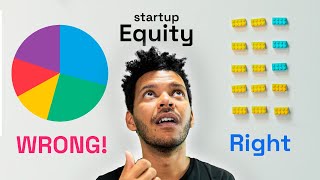
How Startup Equity REALLY Works
The Startup Club by Slidebean
Startup shares aren’t pies: they’re bricks. #equity #shares #slidebean #startupclub #startups
The Startup Club by Slidebean
A Startup Valuation is like betting odds 🎰
The Startup Club by Slidebean
Giving Stock Options ≠ Giving Shares ☝️
The Startup Club by Slidebean
The PAINFUL Road from Pitch Deck to Funding
The Startup Club by Slidebean
Every SaaS Acronym Explained
The Startup Club by Slidebean
How would I run a startup (If I had to start over)
The Startup Club by Slidebean
NEVER make an MBA your co-founder
The Startup Club by Slidebean
Raising Venture Capital Takes LONGER Than You Think
The Startup Club by Slidebean
The Startup Club by Slidebean Live Stream
The Startup Club by Slidebean
The 4 Biggest RED FLAGS on a Pitch Deck
The Startup Club by Slidebean
MBA's are NOT great Startup Founders
The Startup Club by Slidebean
NEVER outsource your Minimum Viable Product
The Startup Club by Slidebean
The Ultimate Pitch Deck Guide - 2026
The Startup Club by Slidebean
Avoid this MISTAKE founders commonly make
The Startup Club by Slidebean
How to Raise Startup Funding: EVERYTHING You Need to Know
The Startup Club by Slidebean
Can your Startup raise money?
The Startup Club by Slidebean
How to issue shares to NEW INVESTORS?
The Startup Club by Slidebean
Why Software Patents Are Useless
The Startup Club by Slidebean
Startup Financial Modeling Explained (+ FREE Template)
The Startup Club by Slidebean
You NEED this spreadsheet for your Startup
The Startup Club by Slidebean
What NOBODY Tells You About Selling a Startup
The Startup Club by Slidebean
I Did 3 Startup Accelerators (So You Don't Have To)
The Startup Club by Slidebean
Top 6 Startups that Apple Killed
The Startup Club by Slidebean
The Pitch Deck that Shaped All Pitch Decks
The Startup Club by Slidebean
LLC vs INC: a guide for startups
The Startup Club by Slidebean
How to write a Killer Elevator Pitch - 2025
The Startup Club by Slidebean
How to Scale a Startup Team
The Startup Club by Slidebean
The ONE thing Investors look for in Startups
The Startup Club by Slidebean
The RIGHT Way to Calculate your Market Size (TAM/SAM/SOM)
The Startup Club by Slidebean
Beware of Convertible Notes
The Startup Club by Slidebean
Idea to Exit (and the Most Common Mistakes Founders Make)
The Startup Club by Slidebean
How Much Equity Are Founders Keeping
The Startup Club by Slidebean
Startup Budgeting (And What Most Founders Get Wrong)
The Startup Club by Slidebean
Solo Founder? There’s a catch...
The Startup Club by Slidebean
This Slide shows investors you get it
The Startup Club by Slidebean
Investors Don’t Trust Your Projections
The Startup Club by Slidebean
More Ideas ≠ Better GTM
The Startup Club by Slidebean
You’re Budgeting Your Startup Wrong
The Startup Club by Slidebean
The Hidden Danger of Churn
The Startup Club by Slidebean
Why Startup Founders Lose Equity But Not Control
The Startup Club by Slidebean
Why Startups Die Between Rounds
The Startup Club by Slidebean
From “drop out” to “finish school first”? 🎓➡️🚀
The Startup Club by Slidebean
How to Get Startup Funding: What Convinces An Investor?
The Startup Club by Slidebean
Why Most Startups Fail to Get Investors
The Startup Club by Slidebean
The Weird (but Exciting) State of Startup Funding
The Startup Club by Slidebean
The startup playbook is dead and AI killed it
The Startup Club by Slidebean
How to Calculate Customer Lifetime Value the RIGHT Way
The Startup Club by Slidebean
Being a newcomer isn’t a weakness
The Startup Club by Slidebean
Culture isn’t soft. It’s expensive when it’s wrong
The Startup Club by Slidebean
Great startups don’t start with ideas
The Startup Club by Slidebean
Why unprofitable startups are popular again
The Startup Club by Slidebean
Obsessing over political headlines is quietly hurting your business
The Startup Club by Slidebean
Runway doesn’t save startups. Alignment does.
The Startup Club by Slidebean
The hidden discipline behind a great pitch deck
The Startup Club by Slidebean
[Live Webinar] Startup Funding Rounds in the AI Era
The Startup Club by Slidebean
The right way to approach investors #fundraising #startups #vc #entrepreneur
The Startup Club by Slidebean
Stop forecasting revenue like this
The Startup Club by Slidebean
[Live Webinar] How to Pitch an AI Startup to Investors
The Startup Club by Slidebean
How to Value your Startup (and keep your Equity)
The Startup Club by Slidebean
More on: Fundraising
View skill →




Related Reads
📰
📰
📰
📰
AI Startups Really Do Run Leaner, Here’s The Data
Forbes Innovation
When a Startup Stops Pushing and the Market Starts Pulling
Medium · Startup
Why Most Startup Ideas Fail Before a Single Line of Code Is Written
Medium · Startup
Tech Startup Branding: A Founder’s Guide to Building a Brand People Actually Trust
Medium · Startup
🎓
Tutor Explanation

 DeepCamp AI