🔴 Year One of Growing Our Design Studio. How I Got Work & Built Relationships
Skills:
PM Basics70%
Key Takeaways
Chris Do shares his experience of growing a design studio in its first year, including how he got work and built relationships
Full Transcript
to do something a little different today we're going to just go Raw it's one camera it's Aaron and I in a room so if you have questions he'll be monitoring us on Facebook and YouTube what are we going to be talking about today we're going to talk about year one there's a lot of you guys out there that are thinking about how to start your business how to get business and so I you know I did a little digging I kind of crawled back into into time if you will and looked at what it was like at blind and how we got work so this is all the origin story it's also the opening weekend of Wonder Woman it's an origin story all comic book stories start with how the hero got his powers or her powers in this case but for me that's what I'll be talking about also a lot of you guys have questions and we're going to be spending the next I don't know an hour with you and we're going to try to answer as many of your questions as possible and I want to apologize for everybody who's been hitting me up on Facebook and Twitter and Instagram sending me messages from all over the place it's been very difficult for me to answer the complicated questions so we'll try to use this format today to answer your business related questions okay and if you're in the creative space if you're an architect Chef an illustrator designer and animator motion person it doesn't matter you're just creative human being and you want to know how to thrive in the 21st century the knowledge economy and let your passion also be your profession this is the episode for you so here we go no fancy titles nothing we're gonna get into it let me tell you about what it was like in year one okay I have some notes Here let me find my notes all right first of all blind was formed in 1995. we're in a small Loft in downtown Los Angeles in the art colony known as The Brewery and it was me and my girlfriend at that time now my wife in Aloft and the Loft was twelve hundred dollars for two thousand square foot space it was beautiful it was just wide open and it was amazing so let me tell you some of the conditions there one is we had five thousand dollars of investment Capital that's what we're working with 5K it's all you need to start a company and I'll tell you more about that later my students loans were not going to kick in to about nine months later so I knew I had Runway of about nine months so really my only concern was paying rent which I thought I could manage for twelve hundred dollars pay off any kind of existing credit credit card bills that I had which you can pay the minimum I don't recommend that obviously but as long as I was able to do that and buy some food I was good I was not a big spender I wasn't out buying fancy clothes I still had the car that my parents gave to me it was basically hand-me-down from my older brother a Nissan 200 SX hatchback with the flip up lights that was my car okay it was nasty it wasn't great one of the headlights didn't really flip up properly but that's all it was okay so what were the problems starting a design company a creative business in 1995 with no experience well the first thing is I had no experience but that's obvious I had a student portfolio what that meant was it looked like student work and some of you guys know what I'm talking about in that you can tell almost like oh that was for that professor's class or that was that type exercise that we all know about and it didn't look like real work because probably it was too crazy you can always tell student work because either a doesn't look very good or B it looks like no client would ever hire you to do that it was too self-serving so the student portfolio that was an issue so the the goal for you as a new graduate or somebody who is self-taught is to make work that looks like work that other professional companies make that's critical I had essentially um zero business skills zero I didn't know anything about sales and marketing sales or business strategy actually those weren't even terms I was aware of so that's how ignorant I was about the business world I had two computers one and one printer and the printer I borrowed from my ex-girlfriend so that's how we had it done and we were networking the computers together via Apple talk and you guys know in terms of sharing files we had a sneakernet and why is it called a sneakernet because you would take the file and you'd walk it over to the next workstation and hand it to the person and they would plug it in and that's how we did it so those are the problems of year one 1995 low overhead no work to speak of and so now the rest of the time I'm going to talk about all the projects we got how do we get projects in the first place okay so I'm gonna talk for a little bit and then you guys formulate your questions and I'm gonna give you some time to think about your questions because it's not really conversational so you have to really package your question up really nice and tight and be very clear about what you're looking for otherwise I'm gonna hear Aaron ask it and then I'll Bounce It Back and You're Gonna Lose Your kind of place in the queue if you will lose your place in line okay now as I was graduating my work was part of the Adobe After Effects I think it was 1.0 demo reel and there were a few student projects on there mine was one of them and this little thing became my lead Magnet or my sales tool because I didn't have any sales tool to work with or to talk about so oddly enough when Adobe released this package After Effects 1.0 I got two new business calls both LED to work and it was pretty interesting the first call was from a guy named David neuberger over at novacom and novacom at that time was a super hot shop in Hollywood on Santa Monica or Sunset I think it was on Santa Monica in Hollywood and I got called in to do some work and at that point in time I barely knew what I was doing in broadcast I would mess up the square pixel to non-square pixel stuff but I got to sit in a room and charge a day rate and work next to some other talented people and the benefit there was this I started to learn about broadcasts it was a very exciting time I got to Showcase some of my design skills and my strength was really in typography and this is just pure luck Pearson Serendipity is that I got to sit next to this guy who had been paying in Photoshop for years and he was great at it I think he went to Cal State Long Beach and I was just like peek over your shoulder and ask I'm like hey how'd you do that how did you make that type look 3D or using a 3D program he goes no I just do this and he started showing me how to use the brush and the gradient tools to create that effect like I know to use them but I didn't know that's how he how he did it so he was able to create cool bevel effects and make type look like 3D and none of calm at that time was really a big player in moving three-dimensional type through space and doing really elaborate broadcast design packages so that was super cool the other person who called me up was a guy named Gary Breese and this is an interesting relationship because Gary owned a company called Focus Productions and a lot of people at that time needed to create a cool opener for their reel Gary was in the live action production space he would do a lot of corporate videos media toolkits that kind of thing and so Gary hired me to design a title sequence for him for his reel and we did a really cool countdown timer and I used a lot of grungy footage and Scratchy bits and at that time that was considered pretty Innovative now you can just get a plug-in and does it free automatically but we did that and was interesting thing that happened there is as I finished the animation for that project and then his logo came up he kind of like Chris you know what you did was really cool but now it feels like I stole some cool animation for some kid and then I slapped my logo on at the end so I need a new logo actually I need a new identity system so design me a logo letterhead envelope mailing labels and cassette labels all this kind of stuff so that one thing of appearing on Adobe adobe's demo reel got me two jobs one of them could have turned into a full-time job and the other one turned into a client slash friend because I had known or I stayed in touch with Gary for many years until he moved out of Los Angeles and he helped me out a lot he gave me advice on things he when I got into a jam with using the Avid he was like oh yeah you need to do this and that it was a complicated setup so that was awesome right so if you guys are out there in the world we've talked to to you about this but I can't say this enough you got to be where clients are you cannot expect them to come to you now we had this great portfolio I thought and I went to this very prestigious school but nobody cares in the real world nobody cares about any of that stuff you got to go to them and I was lucky because I got on the Reel and it went out to people so the work went out to people so what's today's equivalent because people are not buying packages of software anymore and you don't get a CD-ROM anymore so the one way that you can do this that I'm aware of that is very effective is to be on behance just get on the hands stop complaining about it stop trying to figure other stuff out this is where people go to look for people who they want to work with so what you need to do is to be discoverable by people in the space in which they're looking for work get off of those other platforms like Fiverr or upwork or Elance or any one of those broker sites because they're looking for Discount people okay so we're not going to talk about that too much anymore I'm going to move on the next way we got work was I worked at colon Weber an at Agency for about four months and then I went back to school and finished school so I no longer worked there but my previous employer gave me work opportunities when he found out that I was starting up a motion design company so he looked for things that we could do and consequently I got a job for working on K2 Skis you guys know the ski company K2 we did a 30 second commercial for them that was an awesome job and we also got a job from him to do a Nike commercial believe it or not because he also left Colin Weber and he went over to wydana Kennedy and they do all the Nike advertising that you see and love and that gave me an opportunity to work on a high profile profile client a big brand that was recognizable it was for Nike Latin America and it was for the seven deadly sins and it was a soccer or football spot or a campaign and that was really cool we got to animate some really cool titles using black letter all right next up was another commercial this was uh for the partnership for Drug Free America It was a anti-meth commercial and this was using all typography and we got this job because a classmate of mine Michelle Doherty the person that she was dating at that time was an art director at an agency and he couldn't throw us a big project but he'd throw us a small project like this a PSA Public Service Announcement and we worked on this thing and the budget was seven hundred dollars and we worked on this thing and it was it was Bloody hard but we were grateful for the opportunity we did the work and got another commercial under our belt so you're going to hear a theme today and if you haven't figured out already the theme is it's the friend Network that you develop at the college that you go to school at and so I'm going to tell you one person after another how the school that I went to and the people that I met and the impression that I made on them helped me to get work as I was starting this nascent company called Blind next up my dear friend Kimberly Jew and Kimberly was dating Kyle Cooper and she introduced me to Kyle and at that time it was rgala then he became imaginary forces and now cows with prologue you guys have seen that video where I've interviewed him I've remained friends with Kyle and Kim throughout the years and by introducing me to Kyle wonderful things happened to me one I got to work on some really cool projects the coolest projects I had ever worked on at that time I got to work on an in-movie sequence for Celtic Pride or is it Celtic Pride Celtic Pride like Boston Celtics it was Dan Aykroyd and Damon Wayan I think that's his name okay and we got to do some really cool experimental typography and the coolest part about working with Kyle at that time was no matter how experimental the work was he approved it all so it was kind of like this dream thing it was awesome I got to work on the Eraser main title so that was the first big main title I've ever worked on and right out of the gate this is the time when Arnold Schwarzenegger's career was at an all-time high I got to work on the main title sequence for the island of Dr Moreau I got to design the logo and a lot of the keyframes that influenced the ultimate sequence I got to work on a Reebok spot where Kyle needed some production design and so I was doing layouts for the actual commercial itself got graphics to be on screen but it appeared within the environment lastly got to work on a Taco Bell National end tag the thing that is the button that ends all the commercials for the nothing ordinary about it campaign so I got a lot of exposure in that way in terms of being exposed to like really cool projects the downside to all of this stuff was we're subcontractors so the clients never met us nobody knew about us and all the credit and Glory goes to the company that hired you naturally nothing to complain about there but the coolest part to all that was this let me put this note down here the coolest part about working at imaginary forces slash RGA at that time was I got to see how you design a storyboard sequence because I did not learn this in school and I remember very vividly sitting there oftentimes waiting for Kyle to come and review the work with me and I would see a stack of storyboards leaned up against the wall on Gray matboard and they were just sitting there and I assume if they put me in the room there was no issues about non-disclosure agreements or anything and they were just pitch Concepts they were presenting and then I would able I was able to walk over there and rifle through the boards one after another and kind of look at what's going on and by doing that I saw patterns emerge when you see seven eight twelve different ideas for one client you know something happens and that light bulb went off in my head and then it became very clear to me when Kyle's like your work doesn't have a story doesn't have a concept now I understood what he was talking about if he just showed me those eight boards at the beginning this is what we present to our clients oh I get it so that was awesome and also from being at RGA I got to meet Garson Yu a view and Company to work on the cobleson Entertainment logo which I worked on that with him also worked on Ridley Scott's production company scot-free cups coming up with some concepts for that that was fun I got to work with a guy named Rob I don't remember Rob's last name but on a DirecTV campaign so those were really cool projects all right I got a couple more maybe two more here yeah I got two more people I want to share and then we're gonna open it up to questions and you guys can talk about whatever you want and I'll do my best to answer the questions Aaron are we doing okay on questions or comments people are cool yeah I'm building them up here all right cool cool you highlight them all right anyways a good friend of mine still to this day his name is Jason Hoover and he's an industrial designer well he got a job at a game design what is it a game developer satrix entertainment they're not around anymore but I got to work on a logo design for a new intellectual property thing that they were launching called star Hunters so I got paid to do that that also led to me doing key art for a game that they were doing called Kingpin the Kingpin of crime was the first person shooter I had never played first in person first person shooter prior to that point and that was really fun we got to develop the logo and the box art and that was fun my friend Vanessa marzaroli also from art center and a friend of mine to this day she introduced me to the fine folks over at e-entertainment so we wound up doing broadcast design for them doing Sunday stunts working on each True Hollywood stories doing the main title sequence for that and a bunch of other things that we wound up working with e for a little over a year maybe two years I can't remember and this is how we got work it was all part of the friend Network and building up our portfolio and our experience so in a matter of months I was able to put away the student work that's all gone and if you guys haven't seen my student portfolio yet I'll provide a link down below for you guys and you guys can watch that it's called my first portfolio or something like that and you can see it okay and that was really exhilarating for me because it took me four years to develop that student portfolio and it took about three months to replace the entire portfolio because I was doing all these cool projects and it felt like wow this is where I need to be this looks professional to me now last but not least where my two friends and at that time we weren't great friends we're kind of classmates not classmates uh we went to the same school and I was introduced to these two people the two directors in the filming Department Kim Jacobs and Alan Breer and they had asked me to help them out with their student commercial spec projects so I would do title title designs for them supers as we would call it and that was great and a lot of times you help other students out you think nothing will come out of this it's just two students helping one another out but good thing is talented people they go out into the world and they become influential and if you were good to them they might be good to you I don't know these guys were they introduced me to two people two very important people one was Sebastian International the hair product beauty company multi-billion dollar company we wound up doing their website and this is like web 1.0 and it was a super exciting time that turned into an assignment and we we designed the website and we got a maintenance contract so money was coming on a retainer basis for about a year and that was pretty awesome she also introduced me to two people uh co-founders of inside out one of which I still stay in contact with his name is Igor kovalik and Igor had me designing the identity system for his company inside out so we designed that and later on Igor rebranded as beasts so we did that and we were we designed the Beast website so we're these are like long-term relationships and the cool thing about that was while working with them for inside out they introduced me to one of their clients which was for a Buick car commercial and this was an amazing job this is all within year one I think with director Pam Thomas and that was awesome so I got to do some supers for a Buick car commercial so this is a national ad meaning it appeared all over the country okay so you're gonna know some themes one I had some friends and those friends were really instrumental in getting me work and this is part of the reason why you go to school the Harvard network is amazing a lot of people go to Harvard just because of that Network the other thing you notice is I had a lot of friends that were female that helped me out that's a coincidence but that worked out really well so a lot of my career to these really super awesome women and Mr Jason Hoover all right let's open up the questions guys we're going to talk to you now anything business related guys business or creativity I don't want to talk anything about your portfolio or getting your critique on like lettering or anything like that this is not what this episode is about and I have another say 40 minutes to talk to you so Aaron let's go with the questions which mic are you talking into this one here all right go ahead Aaron oh wait no sorry this yeah it's that one right there the last one okay so this one's pretty good okay you gotta speak right into the mic man uh what is your research process when figuring out how to solve a business problem example like customer interviews how do you do it a business problem in my research process who's asking that question James Barnes James Barnes give me a little bit more context buddy I told you you have to be very clear with this kind of stuff I don't want to go off on a tangent here because this question I don't know what you want to know well his what what's your research process for your projects I don't have a research process for my business problems for my creative process I do but this is all about business right so what do you think he wants to know Aaron well like what you told Mark Cassie when he's doing the Spartan logo yeah but that's a creative research we want to talk about business you guys okay that's cool I will be happy to talk to you about creative things but I want to keep it under this container of business related things okay so I got another one here with Jones so first who is it Taylor Jones Taylor Jones how do you make a project look client serving because you mentioned that client what serving client serving making projects with a client serving yeah how do I make projects look client serving I think as opposed to student looking oh okay the difference is between a student portfolio and professional work if that's the question you're asking will student portfolios tend to use experimental typefaces crazy layouts it doesn't have all the necessary information that you normally see so one way that you can make your student project looks look real and so you're designing a movie poster if you put all the credit information down at the bottom all of a sudden your student work looks real instantly if you're designing a package and you put the barcode or a magazine layout and you put the barcode the month date and the price then it looks real so what you do is you just emulate you emulate so you study what something is and you copy it in terms of its format and its structure and then it all sudden it looks real and that's what you're trying to do okay got my my legs all funny right now okay what else I've been standing here planted and so now my legs are getting a little stiff here you guys all right what else you got for me internets come strong um so this guy he is a he's a freelance videographer his name's Manuel Valenzuela okay Manuel and he says he wants to create branded content for companies and Brands what kind of content storytelling should he be making for his audience is that a business question again it's like business development is it business development so rephrase that question so that it's a business question for me because you're talking about like how do you tell a brand story and then you get into the story structure you guys and I want to answer that question but again come to me with the business question so many of you guys have business questions and you're hitting me up all over the place and they're very complicated for me to try to type back into the internet so let's do a business man well I want to help you but give me a business question you guys okay here's one okay maybe check Facebook too in case yeah I'm checking all of them you are all right thanks what's the most important aspect of creating a graphic design agency's design process okay I think I can answer this question what you want to do is you want to make visible you want to make transparent how you get from point A to point B and that's really critical okay guys it doesn't matter if you're doing editorial if you're doing branded content or web Identity Design doesn't matter how did you go from A to B so typically from a we have the client brief what's the problem you're trying to solve usually those are just words okay and all the way to the end of the spectrum what is this one about Aaron specifically um what's the most important aspect of creating a graphic design agency's design process yeah so graphic design agency I don't even know what that means okay you guys have to be a lot more specific when you're with your questions like somebody will say graphic design agency like I don't know what you do do you design brochures do you design business cards identity systems just tell me what you do be very clear and be super precise you're not helping me out because I call myself a graphic design agency at times and we probably do very different things well maybe just share a little of your process all right so if you look at our website you can see our process and we describe it very clearly I would say break your process down into like five steps five is a good number three might be too much seven might be too granular okay take it down to Five Steps client brief what's the next step maybe we do wireframes we do some kind of concept models we do some research and we present it and then we start to will it down so that might lead us into an Identity Design we write some copy and messaging and then we show the application so the end product the things that we make are at the end and we don't lead with that okay we have to break down the process now why is this even important because when a client is looking at your work from afar before they even call you or email you they want to know what are they getting involved with and you'll notice that the bigger the company the more refined their process is in terms of how it's documented and how it's consistent because we've talked about this before clients don't choose the best option they choose the least risky option well how do you mitigate risk how do you reduce risk you do your reduced Risk by showing them your process and it's consistently applied so it seems like you almost have a creative recipe and if I like your recipe I'm more inclined to call you here's the problem if you take steps one through four off the table and you just leave five there it's a mystery to me how you achieve this who who are you talking to what problems did you solve what kind of innovative solutions did you come up with that were tailor built for this problem you see and that's why in one of my other videos I said tell your brand story and this is part of what you're doing you're going to talk about your process your why what motivates you what kind of problems you're trying to solve what benefits you create for your customer and that's what's important next question Aaron okay now we're I feel like they're getting better are they getting better I have to like spank you guys a little bit come on um more business question I just want to talk business business with you guys for this episode only because we'll go back into the Photoshop tutorial tomorrow okay okay so I got two good ones I'm going to ask you paraphrase it please uh so what do they want to know they want to know basically about your proposals what would be like just an outline of a like the table of contents for a proposal you send great that's a good question who asked that question I don't know I didn't copy down is not all right well whoever asked that question that was a good question I hope you guys were able to hear it what's an outline of a proposal okay the bigger the company that your client the bigger the budget is potentially the more in-depth and thorough your proposal needs to look okay now typically your clients will send you an RFP that stands for request for pro proposal and what they're looking for is a response a proposal and this is what you call it this is the response right and they're typically in almost every proposal I've done in the last couple of years there's a bio they want to know who they're working with so you have to have a bio page of all the key players and supporting team members roles and responsibilities they're going to want to know references other big clients that you've worked with and any kind of testimonials and contact information because they're going to call them up remember they're like vetting you right now and they're trying to make sure you're qualified to do the work someone will ask you for financials but that doesn't happen very often and then they want to see your process so the whole Brand Story your process the five steps that's going to be in your proposal and they want to see relevant case studies so typically what we do is we open up we we do a little quick intro page hello thank you for the opportunity and you put some specifics in there and then you get right into the proposal and everybody has a different strategy for this I like to get right into what the problems are so what we'll do is we'll start off with top three objections we think the clients are asking us your team is not big enough you don't have expertise in this field or can you work with our internal marketing teams and you do you figure out what those three things are by talking to the client and thoroughly reading through their RFP and highlighting what you think is important and then answering that in your response okay and you also have to keep in mind you're not beating in the dark there are other people out there who are going to be bidding against you so you have to assume what are what's the competition look like and how are we different from them it's not just about presenting the best you but the best you in light of the competition you're going to be facing okay if you guys want to know more about that we produce a whole kit it's called the overcoming objections and and selling strategy we get into all the parts and pieces in this whole Matrix for you to use but that's typically what you do okay uh let's go on to the next question Aaron I hope that was helpful to you guys Okay so apparently they really like this question they do I feel like no this next one I'm thinking of asking you a lot of people are asking the question like you know how do I grow my business get bigger clients a lot of people are asking that how do you grow your business and get bigger clients okay how do you grow your business well are you getting enough work to begin with a lot of people are only getting enough work to support themselves so how do you get Beyond this okay you have to realize something you guys you have to make this distinction right now right here and there's a reason why there's a whole freaking episode actually there are two episodes on this thing about the differences between a freelancer and a business okay when you're a freelancer you do all the work yourself so I'm gonna say if you're a freelancer and that's what you want to do that's cool you're in this other category I'm going to focus on all the other people who want to grow a business and the business can have exactly one employee and that's okay so here's what you're gonna do the first project you're able to get in Secure in-house you need to make sure you bid that project in such a way that you can pay somebody else a fair reasonable wage for the day for the week for the project that they will do the work and that they meet a certain criteria for quality and that you're still able to make profit on top of that even if you don't touch any parts of the project so if you get a project for a hundred dollars you're not going to want to spend more than fifty dollars producing that work okay so if you can't find somebody for fifty dollars it's telling you you're pricing the project for too little money if you operate under this kind of mentality you'll be able to grow your business because you're single greatest value to your company at this point in time excuse me your single greatest value is to go and secure other clients and to service the existing client and what I mean servicing mean you're almost like the account person you're talking to you're trying to understand what the bigger problems are and you're making sure that the work is solving that problem a lot of times designers come in they come in with baggage they want to they saw something on TV or they look through a magazine or they're thumbing through something on Pinterest and like wow that's a really cool project I can't wait for the next project because I'm going to do that thing I'm gonna do that Aaron Joplin thing right and so you you hire that designer and you look at the portfolio it's full of great wonderful diverse work and they wind up doing something that is totally inappropriate for the client and so what you're doing is you're redirecting them you're you're kind of bringing them back on Target and that's your role as the art director as the creative director to make sure they're solving the problem and not just exercising their own creative whims okay so if you're able to charge more than what you're paying to get the work done you're at the beginning stages of having a business and that's what I've done almost since day one rewinding the tape Year One when I got work from Lewis Hall and he called me to do a lot of logo design work which I was pretty good at doing I brought in my friends and I hired them right away and they didn't have work so we worked at a fair rate an hourly rate maybe it's I don't know 30 bucks an hour at that time I can't remember and they would do the work and they would get to work pretty close so what I would do is one of two things one I would coach them up saying you know let's tweak this let's do that and then that's going to be really good or two if time ran out and they had to go home or whatever I still had a professional obligation to deliver the work I would jump open up their file jump into the program and make the tweaks that I was going to tell them to do and then I would submit that work now on the other end is the client and then they get this work as long as the work meets your standards and solves the problem they're thrilled most clients don't really care who made it as long as you deliver it now if the work is less than then they have a problem and then you have to resolve that but that's how you guys do it I hope that was helpful and how do you get bigger clients well you have to be bigger yourself you have to look bigger now there's a law of attraction The Law of Attraction says like attracts like meaning billionaires like to hire billionaires millionaires like to hire Millionaires and so on and so forth okay if you want a multi-million dollar company to hire you and you look like a fly-by-night operation operating out of your garage out of your mom's garage even well they don't they feel funny they feel like you know what you're going to screw up the job you're not at the level in which they're at now some of this can be achieved with mindset and messaging but guess what you guys designers creative people are really good at making something look a lot more expensive than it is the thing is you have to apply that same art and craft to your own work okay now a lot of you guys out there are self-taught and I'm saying this to you and you're like yeah my work is really good and then you send me the work and I think no it's not it's not good at all it's you need to learn the fundamentals okay and I want to clear up something because we've talked about this before but it seems to be like we're still struggling with this is that a lot of you guys that are self-taught self-taught doesn't mean you didn't get an education it just means you hacked the education system so you didn't pull you didn't pay the full price for an education but you still got the same education that's the critical difference self-taught doesn't mean you never picked up a book you never went to a class you you never learned something that's not self-taught you're a self-learner so go learn something go enroll in a class go practice go hang out with some friends and learn their craft you do have to learn the fundamentals because maybe your hand skills aren't what they need to be to design a logo maybe your eye hasn't been trained to see quite yet maybe you can't spot the differences between a poorly current logo type and a beautifully current logo type maybe you don't know what a ligature is maybe you don't know what a sender a descender or The Terminal you need to know these things and the good news is there is no better time to be alive this information is everywhere it's everywhere and a lot of it is for free free right here on this channel free on other channels and you can download an electronic PDF for example Marty newmeyer's the brand Gap that thing is available for free as a PDF download you don't even have to pay 25 bucks for it if you search PDF book The Brand Gap you can get it for free and it's totally legal all right let's move on okay is that good yeah uh so people somebody doing a Super Chat function here somebody dropping money on us no no I'd let you know if we were cheap wankers I'm just kidding okay who's who's up next okay so we're getting a lot of people want to know how do you recommend building your network if you didn't go to design school like what's a good way to build a team that's tough how do you build a team if you didn't go anywhere well all you uh hermit crabs uh all you recluse meaning like you like hide in a room somewhere in a dark dungeon eating Cheetos or whatever you're doing you got to get out you got to be exposed to the light you gotta go meet people no you can join groups that's easy too you can join virtual groups and you can meet up with people and if somebody posts something that's interesting or you like their point of view we'll befriend them talk to them and the great news is this everybody that's on social media is very accessible and people sometimes freak out when I respond to them like well what else would I be doing if I'm not responding to you why am I trying to build up a social platform why am I trying to build up an online community you just have to get over yourself and reach out to people and start talking and building a relationship but here's the thing you have to remember this you guys don't let your first interaction be one of wanting and asking and taking I don't know you and if you're going to reach out to somebody try to be of service to them first their time is valuable I got people sending me questions for all kinds of things selling pitching things to me it's like I'm just gonna hit delete okay here's my here's my number one rule here not a number one rule one of my rules for social media people connect with me on LinkedIn some accept some I don't whatever the ones that write me a really interesting note I accept and if your first interaction with me is hey I want to help your team uh sell this or buy that and it's like you know what I'm deleting you right now you don't even know me you know anything about me and you're going to ask that for me to buy something from you forget about it not interested okay so you can reach out to people online you can grow your network by joining groups and forums you can go to meetups whenever whatever Town you're in there's a Meetup going on somewhere and if you live in a really small town when there's no creative people around well you have to make a big decision why are you still in that town what's keeping you there get out you have to go meet people and there's an exercise when I was lecturing in Las Vegas for a post-production world I said you know practice a random act of kindness go meet people that way okay you see somebody needing help with a heavy object go help them if you see somebody who's lost give them some directions ask them do you need help get out there get social guys that's what it's about next question Aaron we have another 15 minutes or so you guys before I'm gonna run out of steam here okay so let's come in with the good questions think about what you want to ask and if there's a lot of activity similar questions then Aaron's going to bring them up all right are we looking on YouTube or Facebook or where are we yeah I'm looking through all the questions I found that were good too which one I want to ask here all right okay here's what good one I like this one okay Adrian Lloyd when potential clients look at your case studies and they're looking like they're looking through your website your case studies the work you've done yes um uh what aspect of the case study is most important to them so if you could Channel what you know about clients and what they look for all right what are they looking for in a case study yeah I think they're looking for a clearly defined process and I don't know how else to talk about that so Andrew Lloyd what is it that you do and maybe we can break it down based on what it is that he does it's it's Adrian Adrian Lloyd I'm sorry I'm not good with names Adrian Lloyd what does Adrian Lloyd do I guess his main question is what's what aspect of the case study is most important to them does it depend on the client then is what you're saying no no no I mean it depends on what area of what industry you're in and I can't just give you a magic sauce for all things so you guys a little detail there it might help but let me just say this you can build the world's most interesting clearly written case study but if the end product sucks it well it sucks I don't really care about your process because if that's your creative recipe and crap comes out I don't really want crap and that's okay so assuming that the work is really good the end result is good really document the steps now I remember a while back I went to an aiga user interface sketching Workshop a UI workshop and the woman that was working or teaching the class she was awesome and she would literally sit there and draw the iPhone out and draw all the buttons and the drop down menus and she took her time and were these things works of art I don't know but they were pretty good looking drawings that really made the process of Designing and thinking through a user interface really sexy and I think she referenced them as artifacts like artifacts of design and so you're going to want to spend time doing that okay now here's where uh you guys will cut some corners and it will show so you put all your energies into the finished product and you don't use any to document the process and then you go back and you do something really quick and it looks ugly well I want to make sure that whether it's real or not it doesn't really matter but that the entire process has been designed to your standard so if the illustration doesn't look good if the the way you phrase the colors or the layout don't look good that reflects on you and designers are very good at making things look good except for they don't always apply it consistently on everything that they do all right what's up what's next okay so I just want to let you know Don Mendes gave us uh four dollars thanks Don Mendes and a little message appreciate info is worth much more thanks thanks I appreciate you man and I just also want to thank I I wasn't prepared to talk about this a couple of you guys have stepped up and donated money on the future site saying you know here's a hundred dollars this is a hundred dollar voucher of appreciation so thank you very much I do appreciate you and I will be sending out a note specifically for you pretty soon and that's really cool guys you know we're out here we're creating value we're teaching you things uh it's taken me decades and hundreds of thousand dollars to learn I'm sharing it with you guys if you guys go out and you kill it you win a job you double your rate throw it throw us something okay that'll keep our production going and will allow me and Aaron and everybody else as part of the future team including Ben to keep scaling and producing more content you're gonna see and I think you can see it now where we used to produce one episode every two months and went to one month and then one a week and then now we're doing multiple episodes all different kinds of content every single week from podcasts Photoshop tutorials which we just did talking about business stuff maybe I'll do a keynote one I don't know Aaron what's the next question so Adrian Lloyd just followed up your question yeah okay what do you say he does web design print design for businesses okay that's like two like well let's pick one well it sounds like he's the kind of trying to be like you don't don't be like me be like you I mean no no like he's in the same business he wants to be do what you do so well let me just say this let's let's just say you're a good web designer okay we've said this before if you guys can do one of these three things or all three at the same time you're going to be doing really well in life if you can design an identity if you can build a website for somebody design and build and if you can do social media marketing those are the three key skills in the 21st century everybody needs an identity a website and social media marketing they don't always know it but they do need it this is how business is done in the 21st century it doesn't matter if you're a mom and pop shop or your multi-billion dollar Corporation you need those three things so let's just say you're gonna do web design okay well you want to document your process in your case study so what's the first step Andrew Aaron what's his name Adrian God I can't remember your name agent what's the first step what's the second step the third the fourth and the fifth we know what it looks like when it's done it looks like a cool website on a screen or iPhone app okay so you'll probably want to show that it looks good as what is it a smartphone it looks good on a tablet it looks good on a desktop so you're showing that you're thinking through responsive design that's cool that's pretty much standard requirement these days okay and what are the other steps user profiles for stage one maybe some user experience sketching and you really beautifully kind of detail these things out draw them on grid paper and you're thinking through the problem you're a good documentarian of your own work and then maybe there's some visual design a stage three putting designs together and doing mock-ups so it's somewhere between a wireframe and a mock-up something like that and then stage five and then you describe each and every process as part of your creative formula maybe that's how you do it you guys next that's how we do it we get a little deeper than that but maybe on another episode really soon I'll break down our proposal deck or our case study would you guys like that give me some thumbs up if you guys want to see that um I can see him streaming in I see one or two here coming on Facebook or maybe you don't need to see that all right what else here's another one I think two different people have asked the exact same question okay in a slightly different way but um how do you gauge a client's budget and how high they can go how do you gauge a client's budget okay and how high can they go yeah it's a game I gauge the client's budget by just asking them there's something that we call or we don't call this it's called price bracketing and so you're going to take two numbers as gold posts is it between this number and this number it's a game of say 21 Questions except for it's just really one question do you have between two thousand dollars and eight thousand dollars to do this initiative and that's when they say no you're way out of my price point then I ask them well what's your price point then and then we work through it you can't be afraid to ask some somebody for something that you actually want I do not want to go away building a budget for some for a client that we're not even in the same ballpark okay so the the thing that I advise you guys to do let's say you want five thousand dollars to design a website that's a reasonable number five thousand dollars then what I would tell you is to bracket the price between five and ten or five and fifteen okay that way the base the least amount you're gonna get paid is five thousand dollars but if you say oh you know for something for like five thousand dollars we can do then they come back they're like you know we can't really do five thirty eight hundred will you do that and you're like yeah I'll do it so bracket the price five to ten have an open conversation with your client and see if you can do the project for them or not and don't be afraid to say this isn't going to work for me I need to refer you to Susie or Johnny or Bobby or Mary or Mike I'm going to refer you to somebody else because I just can't do it well before you were first tell us what you do again I want to learn more about you okay then let's work together what's next okay um so I guess this kind of dovetails into what you were just saying okay uh some Chris Christopher hey can I see my screen am I too wide Aaron I guess good okay good keep going look a little pale but gone um how do you overcome when let's say you're in talks with a client over a project and the client wants a bigger agency they always want a bigger agency so but you know the guy says he knows he can deliver so like he knows he can do this job and well who cares what you know but I mean so how can he you know tell the client dude I can do this don't trip okay dude I can do this don't trip now the way you overcome this and maybe this is our last question okay let's see what happens here you're always going to go up against a smaller company and a bigger company we cover this in the objection Matrix and part of one of the kits that we sell okay just know this there's going to be a smaller company than you meaning believe it or not even if you charge 50 bucks or somebody's gonna do it for 20. there's always somebody hungrier than you because there's always room between you and the freaking what is it called the basement there's always room and know that unless you drew the the giant 800 pound gorilla in the industry which you're not obviously if you're watching the show and that's the right and so you know that somebody's more uh get more experience has a bigger team probably is more relevant case studies they're also going to be in the mix so the question is here how do you defeat the smaller guy and the bigger guy what do you do what you have to do is create some doubt in the client's mind believe it or not and now we're going to get into some sneaky guerrilla warfare ninja stuff here okay so what what makes you better than the little guy well the little guy is a one-person shop they don't have a lot of experience if you want to save money go work with them okay so what I'm doing is I'm actually pushing the client to do what they want and that makes them not want to do it okay it's kind of almost like reverse psychology here it's like I want to cast doubt in the client's mind about why the smaller shop is going to drop the ball okay how do I defeat the bigger company in the conversation with the client well here's the thing Mr and Mrs client the much bigger company I'm sure they have a very large team and I'm not sure who you're going to work with once they sell you the job but you do need to know this I'm a small business owner you're going to be working with me when you have a problem you don't call an account director you don't call a coordinator producer you call me and I will take care of the work by professional brand my reputation is built on me delivering and if you want to call any of my previous clients you're going to hear the same thing I go above and beyond okay I give you high touch personal service Built For You by the way here's my cell phone number give me a call day or night if you need help even if you need help in keeping the other guys honest and evaluating their bid I'd be happy to do that for you so what am I doing here I'm trying to cast out on both sides I'm really trying to carve out my Niche and you can do that and you can show them by demonstrating not convincing by demonstrating why you are a better option that's the best answer I got because really that's a three hour workshop and I don't have time for that right now okay so we got a bunch of people gave us some cash here just throw out their names Aaron Adrian Lloyd give you one dollar for that I appreciate it what's your name Adrian Adrian Lloyd thank you thank you what else who else Trent Williams Trent Williams thank you very much pounds for euros give me some pounds that's like a pound memory ten bucks 10 bucks thank you appreciate it this is great really appreciate it I got a lot of good questions we should keep going are you feeling up to it do you want to take a little break you know what uh I'm gonna drink some water yeah or my coconut water you guys give me two minutes here I'm gonna just drink this take a sip you killing Aaron my throat's gonna get broken again huh there's a lot of good questions here all right anything coming in from Facebook these are all from both oh they're from both okay Facebook you guys are coming in strong how many viewers we got on Facebook Aaron 144 on Facebook and how many viewers do we have on YouTube live right now YouTube live 96. oh my gosh Facebook is beating YouTube we just got another um uh I think these are Mexican pesos 40 of them what I'm gonna buy with 40 pesos love the channel cheers from Mexico well no matter what I appreciate it you guys get what you can give totally appreciate it this is like church or something you guys get whatever you want don't give anything whatever we're here to take care of you not your spirit obviously your wallet is we're here to help you okay oh actually 2 30 on YouTube Someone corrected me okay thanks I don't know Myron doesn't know how to Counting okay good job YouTube is still killing it one day Facebook will rival our YouTube audience when we're streaming live assume everybody is on Facebook that works we won't tell your boss okay we got it we got another 16 bucks from Don Melendez Don Melendez I love the weird number of 16. that's beautiful you know what he said he said this is getting better and better best way to spend Friday night thanks Chris oh Don Melendez is that his name you know what I appreciate you brother okay you feeling up to another question let's hit me with a good one only good questions otherwise I'll get angry you won't like me when I'm angry let me see where is it and are you ready I got my note cards I'm ready to write I'm ready to do some damage okay um if you were to create a self-directed project yeah to hopefully attract clients what criteria would you keep in mind okay that's a good question there so you want to do a spec project I assume to attract a particular client because you don't have relevant experience in that space so what I would do is I would profile the client what kind of projects are they working on what what is their appetite for design do they like conservative design do they like something that's a little riskier a little more avant-garde so try to do something in the range of the ballpark of what they're doing but don't do it exactly because you need to do it better why do I say that because well if you do it exactly like the way they're doing it what is a compelling reason to hire you a new person that they don't know anything about versus The Old Company they've always worked with the only real reason there is price and I hate to compete on price I'll not only want to win the project but I also want to be the highest bid so don't understand your services so the thing is you kind of have to profile your client look for a problem to solve that's the best way to start okay and then spend your time crafting this project and then put it through your case study process now here's a cool thing if you design a spec project or something like that and you know you're gonna have to build a case study well you'll spend your time now in each one of the phases making sure what you design looks good and it's presentable and is clear different approach okay got another question yeah everyone's just really grateful and and sending those things from all over just I appreciate that you guys you're getting a lot of love I'm feeling love on a Friday night it's beautiful okay check this out thank you thank you thank you guys I'm feeling it you know that song I get a lot of love but I'm giving it back in the ghetto why don't you do a couple of bars of that area you should have thrown it in okay I don't know um here's another one uh so there was a lot of Preamble on this question it was a Facebook question yeah don't give me a preamble yeah let's get straight to the question a little bit of context all right so it says at what point does it make Financial sense for a creative Studio to expand service options okay the the The Urge is to want to expand your creative Services because we want to hit everybody for everything and that's a mistake don't do that okay the reason that you want to do it is because the clients that you're working with hire you for everything and then you are naturally seeing some other gap and they feel compelled to work with somebody else that's when you should approach them and offer this up first so for example let's say you do Identity Design that you've been doing their logo their business cards envelope letterhead those kinds of things like traditional print stuff print collateral and then all of a sudden you realize they're starting to develop buildings or commercial real estate and then they're going to do signage or wayfinding this is a good opportunity for you to say you know I hope you've enjoyed the work that we do I've noticed that you're starting to do this kind of work would you consider us to do the signage I know that's not our area of expertise but the relationship has been great from our point of view is this something you're open to because if you are I would love an opportunity to submit a bid for you that's when you should expand when you have a great relationship and it's a natural extension of what you do don't expand because you're not getting enough work and you think by offering more things that that's going to help you there's a a saying do less but do do it better that's what you want to do okay next question please I just want to let you know we just got 300 no 300 no from Keith get out of town I know Keith Evans it's uh you're 10 that's my 10 percent he just doubled his rate and he's he's seven okay Keith Evans you have the new record for the single largest donation via Super Chat function I appreciate your brother I know who you are I've seen you online thank you thank you wow 300 bucks just for this mouth I'm gonna have to tell my wife this tonight maybe she's watching maybe it was it was my wife this guy's just Keith Evans it's like maybe there's no amount of money that you know is too much all right what's your other question yeah I thought you said they're coming in strong yeah there's a bunch all right pick one let's ping pong back and forth between Facebook and on YouTube you guys on you on on Facebook just do me a favor just right now just go share this video okay can we just take one second and share this video if you can't give me a dollar give me a share okay all right let's keep going um oh you know what are you thinking are you looking or should I talk or you got a question I got I got one I'm trying to I think these are so close together I can make one question beautiful um so this guy's asking all right what do you value most like in a business what's the most important thing would you say of your business is what do I value most in your businesses what's like the most important thing you think is important does that make sense no no question and then you tell me what you think they're asking the most important thing in this business is to go make profit because without profit we have no business this is a hobby you need to understand that I'm in business to be in business I'm not in business because I enjoy this weird hobby called design or storytelling okay and what does the money do for us it allows me to continue to pay the people who are making a decision to be here that they can afford health insurance which we pay for they can sustain a certain lifestyle living in Los Angeles and that they don't have to worry that next month they can't make rent that's my jobs my job is to go out and get projects and get clients who appreciate the work we do we're going to pay us well for what we do so that we can continue to build this team and this family that we have in the other room all right is it too loud someone complains yeah they just finally complained now we've been broadcasting the whole time all right it's going to get hot in this room Aaron just turn on the fan so you're going to start to see me that was right yeah good job you fixed it yeah good job Aaron okay okay yeah we're right under the bent over here what's the question now are we are we good yeah uh hold on that was just kind of the part one I think we're gonna do an episode Aaron when we show people how to do this lighting setup this is a new lighting setup uh and it's really straightforward you guys if you guys like the way I'm looking I'm not saying me but just the lighting on me yeah yeah if you like the look we'll show you on another video I think people love seeing those kind of videos right how'd you get that look okay what else we just got another five bucks awesome thanks dude Ian Gadson Ian getzen Ian gets it he gets him gets a lot of people want an internship here or a lot of people want an internship look you guys can come here anytime you want you just have to be good enough to be in here this guy asked what's the best way to ask you for an internship the best way to ask me for an internship is to send us a link to your portfolio when we ask for it and we have internships running throughout the year you have to look for our it on the site on go to blind.com and look for job opportunities and it'll say this is when we're looking for an intern and you need to apply right then and there don't be apply before that period and obviously don't apply after because we've selected all of our interns but we have interns coming here all year long around send me a link that's all you need and make sure your freaking site works and it's clear what you do just say it I'm an animator I'm an editor I'm a cinematographer say that don't say like I'm a visual communication artist extraordinaire because I don't know what that is just tell me what you do in plain language okay don't get fancy don't get so fancy with your words all right simple as best guys next um and you guys let me just tell you this while Aaron's looking for the next question to ask is this as our operation grows as the future becomes a bigger company and it outpaces blind the opportunities for internship and coming here to be part of the broadcast team will be greater and greater we're slowly growing our team we went from zero employees so now we're up to three there's a new employee starting in a couple of weeks she's going to be an awesome addition to the team her name is Molly drill and you're going to see all our work get better and better okay that's what's Happening Here I hope one day that the future is kind of like Omni Media or something like that omnimedia's Martha Stewart's production company and they produce lots and lots of content it would be great to come out into the office and look at 500 people all these creative human beings storytellers researchers writers producers animators designers helping us to make content spreading the word and helping the entire Global creative world kind to just rise there's that expression a rising tie lifts all boats and I believe in that very much so what's the next question so um we got Spencer Foster oh Spencer roster is that the same guy that's the same guy the man with one hand seriously he's awesome Spencer what's up man so as far as he's asking is it better to kind of stay with one guy that gives you work or one company or is it better to not like build one solid relationship or or kind of just you know I like building relationships with clients but you can't become too dependent on one client it's like that girl that won't leave you alone or that guy is just his whole world is around you and you just it's suffocating and some clients will not hire you if they represent more than 20 of your business because it's dangerous for that to happen okay so what I would say is have a client and service them really well and continue to build a relationship with them but don't be limited to just that one client that happened to us we had two big clients we had Sebastian International the hair product company the beauty company and we had E entertainment and within a month and a half both clients stopped using us for different reasons one they had a big enough team they didn't need us anymore we got that other you know creative people change and teams change and they no longer wanted to work with us they want to work with a different company so we lost both accounts in a month and a half and had to lay everybody off in three months okay so it's very dangerous to put all your eggs in one basket now don't misconstrue what I'm saying by not saying that you're you're the clients you have are very important they are very important take care of them but don't be reliant on just a handful of clients dangerous okay what's up what's next okay I'm gonna get ah another drink here of my delicious now people keep commenting on the light that it looks like your head's just floating around oh because of the background cut it we didn't cut you out enough see yeah cause you didn't try another light turn this light should we turn it off we'll fix this at the end of the broadcast I told you you need to put the rim light on I know what I'm talking about but don't light it so that my head is glawing like a ball can you see now just hit at the back yeah I'm sure somebody messed it up all right hit my shoulder right here Aaron's adjusting what we was referred as the hair light or or Rim light and is used to cut you out from the background we're going to fix this layout guys um I called an audible I felt like we hadn't done uh some we will I know and I didn't feel like we didn't do a live broadcast I missed talking to you guys I missed the interaction I wasn't here last week I was sick so here we are it's not totally set up but is it better now Aaron can you tell oh if I can see it see it oh oh no we're good we're good we're still good yeah we're good all right that's slightly better but I need to do it more you're not trying to permanent solution better we need to do one on each side so what needs to happen no we need more space we need more space you only need one light yeah all you have to do is move the two feet back and we're good okay okay let's go on guys maybe one or two more questions uh I'm gonna Keel over in a second everyone's throwing you a lot of love man oh I appreciate that everyone gave us uh five dollars here thanks for the great content thank you who is that give us her name it says to him uh puya Khalil puya Kaleo maybe is that a Polynesian I'm not sure it's a cool name like puya yeah that is cool yeah yeah okay awesome thanks brother and he he also came with a question all right what's your question what is your vision for the future of the future oh the vision of the future okay you guys check this out I wrote an article it's called like the future of the future like my thoughts on and uh what is a call to action for design education please just read that it's on the Christo business designer page on Facebook and I have this Grand Vision and I want to share it with you but if you want to read it in exacting details then oh my why why am I doing this that's the best place to read about it it's like a page and a half of the plan and let me just tell you somewhere down the line I believe this company is going to be a hundred plus million dollar 100 million plus company okay meaning that's our valuation I'm not saying that's our revenue and we're this we exist in this very specific place I can hear them like a little bit sorry yep uh that we exist in this very rare place okay so what you have are you have a lot of people on social media that are famous for being famous that they're big personalities but they haven't really produced a whole lot and then you have people who are just animals beasts Legends of design and creativity but they're too busy doing their work or maybe they're just not great teachers maybe they're really kind of flat in their personality and there's nothing wrong because not everybody is made to be in front of a camera and then there's people like us and there's a handful of people out there that have done professional work that know what they're talking about and are willing to produce and share content like the way we are for free for you guys to help you guys grow and I think that's a very narrow space okay and so I think we exist in a space and if my theory my hypothesis is true this channel will continue to grow and we're going to hit a million and then 2 million subscribers and we're going to just keep growing and then the companies that find that their brand is in alignment with ours that are user base our subscribers are the same they're going to start to throw money at us and so that and then we can subsidize all the content that we create for a fraction of the cost today meaning you guys have five bucks can afford a 500 kit because the corporate sponsors are paying for it now if this sounds crazy it's not the business model already exists you guys watch broadcast television that content costs a lot of money to create like friends or Seinfeld or whatever show that I'm not watching today Two and a Half Men it costs a lot of money to produce that content but you don't have to pay a dime for it because advertisers pay for it and that's the way it should be so maybe Adobe needs to pay for this thing or Canon or Sony or Panasonic or the monitor companies or the tripod companies they can help pay for this because who we're speaking to will be a customer consumer of theirs that makes a lot of sense to me but the grand the big vision of this company I really see this as a completely multimedia company we have a News Journal that we produce that's print that you could have so obviously a digital component to that we're publishing books uh the topography manual which we're working on or the logo grid project that we're going to be working on with like the logo geek person okay with with Ian we're gonna be producing books and content and kits and courses we just dropped the new lettering course with the master designer my teacher from our Center Niels Lindstrom we want to bring on other people people who design fonts for a living people who paint concept are or those kinds of things we want to bring the best of the best in terms of their knowledge base and their personality and their teaching style to help you guys learn what you need to learn for a fraction of what it will cost to go to a Traditional School in that way I think we're going to disrupt the education model and then we're going to build this amazing Campus of 50 000 square foot space a hundred thousand square foot space I don't know a giant place where people from all over the world can come here and park their butts here and learn with us and meet people and network and then go back to whatever country they came from and use that knowledge and that experience to better themselves what a dream this is what I want what's next so we just got a couple more donations awesome just don't tell me the dollar amount just tell her names Maria and Maria is sharing your knowledge that's my that's my former student right Maria Ann what's up and then we got Michael camo Michael camo thanks for the great videos thanks man thanks Michael who else no that's it what about a question that's plenty um yeah we've got a bunch of questions okay one more one or two more questions okay it's getting hot in here we turn off the fan and I'm starting to cook here so um a lot of people have asked this one what is the most important thing you know now about the industry that you wish you knew back when you were starting all right that's a big one that's a monster of a question a very good question who asked that question uh that's uh a very well-known viewer here Chris Christopher Christopher Christopher a very well-known viewer named Christopher asked what do I wish I knew then that I know now right right right so if I can travel back in time and tell a younger Chris some pieces of knowledge what I would do is I would try to teach them this thing called brand strategy that you are capable of producing multi-billion dollar brand identities you know not for that amount but for companies that are worth that amount and I have to teach them these skills because this seems to be the Crux of what we're doing I'd also tell them you have to live publicly you have to live socially that there's going to be these new platforms that are going to come online in a couple of years called Facebook and Twitter and YouTube and it's good to be out front and start to learn to live a more transparent life document the work you do and share it with the world freely don't worry about the money just share it and give to people and see what happens and build a community around learning because you love to learn and you love to teach and share so do that don't serve the corporate Masters do this thing that you are so passionate about that's what I would tell my younger self I think you just answered another question there it's a young 10 year old kid was on here 10 year old kid watching YouTube all right let's watch YouTube right they do but they don't watch me they think I'm boring I showed him that photoshop tutorial my young son's like oh that is boring well he doesn't know want to know how to cut out anything no he doesn't but my older son was that that was good yeah like his ass man okay anyway so he you answered his question too all right cool that's Spencer Foster five bucks thank you all right thanks Spencer dude and congratulations on graduating from school I hope to see you in the near future okay uh we have another question here yep um this one's kind of specific it's about illustrators I can handle illustrators go ahead and ask me the question what do you find in like you know in your experience with illustrators and comic artists that you hire yes what are they missing when it comes to business they're missing everything unfortunately illustrators are one step away from our graphic designer and one step closer to being a fine artist they're in this weird No Man's Land the illustrators that I've done really well in their careers have moved into motion design it's become a thing at Art Center where illustrators are able to declare a major if they want to do illustration concept art or if they want to do motion design I've seen most of the illustrators that move into graphic design slash Motion Graphics do really well for themselves because there's a ongoing demand for this work it pays pretty well if you're working within the motion design industry a day rate might be anywhere between say on the low end like 2 250 and a day to as much as 900 a day or even more okay and the cool thing about illustrators is they're not limited by the images they can find if you can't find something you just illustrate it and you make it a former he's not a former student of mine but a graduate from Otis and I'm trying to I'm going to try and get him on the show same as James Levy and he's an awesome concept artist but he figured out this is going to be difficult for me to go do concept art and sometimes it could be very technical so we had all the skills of an illustrator and a concept artist he could paint pretty much anything in Photoshop and then he started to learn about photo compositing and with that he applied himself into the motion industry and is doing really well so James Levy is one of the post children for success of switching from illustration into motion design he designs crazy cool motion design storyboards so if you guys want to look him up his name is James Levy and I'll put his link down below and you guys can check that out later what else can we do okay [Music] um so here's one that I'm sure a lot of people are running into this but what would you recommend to a designer that knows everything about the software right so they know their way around Photoshop all the tools yeah but they're lacking the fundamentals what kind of book or other kind of media would you recommend okay if you truly truly know everything there's no about the tools which I highly doubt a lot of people say that they do but they don't let's just say that's the case I can work with you because what I can't do is just spend my time training you to use software so now you're you're in this dilemma if you know the technical stuff but you actually don't know design or composition here's what you're going to do okay you're going to find five Masters you pick your Masters and you're going to copy their work exactly without using any of the elements that they have I want you to recreate that and I want you to walk into any studio and say you know these are not original ideas these are things I painted these are things I created I know how to make these things I just need help in applying it to something okay there's amazing resources online like PSD tuts tuts is t-u-t-s there's a lot of free things that they show you how to retouch images to make a person's hand turn into liquid and and cool design effects on top of it just do the tutorials exactly and if those files aren't available all you have to do is go and become a PSD touch Pro member Focus for two months download all the assets and do the tutorials and then drop out of that you spent what 30 bucks 60 bucks I don't know what you spent you're going to be able to create a portfolio five to seven pieces and that's all you need to get work work but I'm not sure that's the case a lot of people say they're good at this and that and they're really not so prove me wrong show me that you can do this and I'm not just pulling something out of my butt this is an assignment I give to my sequential design students when I was teaching at Art Center which I no longer teach there but we would have an assignment it's called The Master Copy I picked the frames I gave them stuff that they didn't know how to do and believe it or not in two weeks they did a pretty darn good job of copying the Masters okay Aaron I think I'm gonna have to wrap up we've got another five uh donation does he have a question it's a wrong Jiang Rong Jiang it's really is he Chinese I yes it sounds Chinese all right Ron that's your help God he said it's really comforting to learn that there's logic and reason behind this creative passion of mine thank you for making your knowledge so accessible thanks I'm a super logical robotic process person I believe what I do is create it sometimes it looks artistic I do not consider myself an artist okay and so all I can do and this is one of my gifts I think is my ability to break things down to be super analytical and share it with you and it turns out it turns out even the most complex human behavior and decisions with enough understanding and through the creation of algorithms can recreate human thought and it's pretty amazing so all those people are like oh you know create a process can't ever be understood and can't be explained to anybody I think you're wrong okay now Aaron I think it's time for me to wrap up here but before I go before I go before I go I want to ask you guys this question please let me know what did you guys think of this format and I'm not asking this rhetorically I would love for you to comment we've stripped it all down it's just you me Aaron a camera two lights a rim light and we're just talking to you like this did you enjoy this format do you wish we went back to the three and four camera setup with keynote decks and multiple people and all that kind of said you want that or do you like it like this I just want to know from you guys let me know please and let's end on one final question before I get out of here or not I mean the thing is there there's no question I feel like is a good time so we should end it on this I mean there's just going to be more and more questions well let me ask you a question Aaron what did you think about this format it's a lot easier for us to set up do you think this is what the people want from us or do you think there's some idea that you have do I think there's some I think this is great I think this is much better is it better yeah just like talking to the people okay what they need help with real you know and so for the other stuff we will do edited videos right like I want to show you guys how to draw the golden rectangle by hand with nothing more than a compass a straight edge or you know a triangle or something like that and I want to show you the beauty of this and to explain it to you I did an illustrator version but I really wanted to draw by hand and I have a compass I have a board I'm ready to go I'm going to show you guys how to draw letter forms and how to set type and I'm going to do that I want to show you guys how to add texture to type in Photoshop like I don't know many things well but the two programs I know really well are illustrator and Photoshop now I don't know every Bell and whistle about both programs because they're always changing but I do know how to use them to create designs very efficiently and I can share that with you okay so I know that that other video I posted yesterday the one we're talking about layer mask versus multiplying screen and the internet's crazy you know it's like they're still telling me how to do it better I'm like you know you can do it your way I'm just trying to share with you the way I do it and I hope that helps you okay I think that's it for me you guys this was a little bit over time and sorry for no notification and the stripped down process if you guys like it please comment let me know I do read your comments you guys know there is no robot it's me there's no machine learning it's just me I read it so I know what you guys want I know what you like and I know what you dislike because you know why you tell me that's it you guys I'm out of here Aaron cut this thing get me out of here I'm gonna go home all right there's going to be an awkward moment here because Aaron's actually running to the other room and he's in
Original Description
What was it like getting work and starting your first business as design student after you graduated? The first year of running a design business. How To Get Clients.
Chris talks about his first year running Blind. Then he'll takes questions.
Annotations
--
01:34 How did we get work during the first year of running Blind? It was a network of former classmates, friends, and a lucky placement on the Adobe After Effects
02:59 Problems starting a creative design company in 1995
03:40 Make spec work that looks like work
05:10 How we got projects initially (lead magnets)
08:37 Be discoverable by people who are looking for quality work (Behance, Dribble)
11:35 The connections you make and the impressions that you make on people can help you in business
14:10 Learning & Building Skills while you work
17:40 The power of networking and quality work
20:19 Q: What is your research process when solving a business problem (such as customer interviews)?
21:15 Q: What are the Differences between student portfolio and professional work.
23:23 Q: What's the most important aspect of creating a graphic design agency's design process.
26:55 Q: What is an outline of a business proposal?
29:55 Q: How do you grow your business and get bigger clients?
34:00 Learn the fundamentals and change your mindset
36:38 Q: How do you recommend building your network/design, team?
39:52 Q: What are potential clients looking for in a case study?
43:42 Q: Most people need a brand identity, website, and social media marketing
46:15 Q: How do you gauge a client's budget, and how much they can afford?
48:18 Q: How do you overcome client objections to your agency size?
54:02 Q: What criteria would you keep in mind in creating a spec project to attract certain clients?
56:00 Q: When does it make sense to expand service options in a creative business?
59:00 Q: What do you value most in your business?
1:01:20 Q: What's the best way to ask for an internship?
1:03:36 Q: Is is better to build one solid relation
Watch on YouTube ↗
(saves to browser)
Sign in to unlock AI tutor explanation · ⚡30
Playlist
Uploads from The Futur · The Futur · 26 of 60
1
 2
2
 3
3
 4
4
 5
5
 6
6
 7
7
 8
8
 9
9
 10
10
 11
11
 12
12
 13
13
 14
14
 15
15
 16
16
 17
17
 18
18
 19
19
 20
20
 21
21
 22
22
 23
23
 24
24
 25
25
 ▶
▶
 27
27
 28
28
 29
29
 30
30
 31
31
 32
32
 33
33
 34
34
 35
35
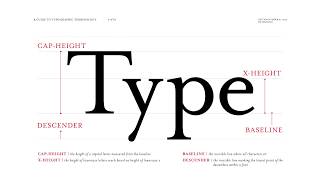 36
36
 37
37
 38
38
 39
39
 40
40
 41
41
 42
42
 43
43
 44
44
 45
45
 46
46
 47
47
 48
48
 49
49
 50
50
 51
51
 52
52
 53
53
 54
54
 55
55
 56
56
 57
57
 58
58
 59
59
 60
60

The Importance of Keeping a Journal—Track everything. Big Changes Start Small 📞 The Futur Pro Group
The Futur
🔴 How to Handle Bad Client Calls | The Futur Live
The Futur
What do companies look for in a design portfolio? How do you show passion?
The Futur
🔴 What Does it Mean To Be a Self Taught Graphic Designer? The Futur Live w/ Ben Burns & Chris Do
The Futur
How Your Beliefs and Behavior Define Your Personal Brand
The Futur
How do designers create solutions for business goals? How can I best empathize with my client?
The Futur
🔴 Logo Design Process— Live feat. Spartan Logo Design Challenge
The Futur
Is strategy for creatives who can't design? Is there too much hype around strategy? Pt. 1/3
The Futur
Is strategy HOPE for creatives who want to play a more important role with the Client? part 2/3
The Futur
Blair Enns Interview | Author of "Win Without Pitching Manifesto" 🎙 The Futur Podcast w/ Chris Do
The Futur
Design Strategy: Hope or Hype — The conclusion 3/3 | How do we market our creative services?
The Futur
🔴 Customer Service for Creatives - Live | Advice For Dealing With Difficult Clients
The Futur
Branding Identity Design w/ Yo Santosa 😊😂 AIGA LA Hecho en LA speaker series
The Futur
What is User Experience Design? What is the difference between UX Design and UI Design in 2018?
The Futur
Weighting Type | Art Center type & lettering professor, Nils Lindstrom, breaks it down for The Futur
The Futur
What Does It Mean To Be Passionate? Chris Do Explains | Motivational Video for Designers & Creatives
The Futur
🔴 Spartan Logo Design Challenge pt. 2— Recap and Critique Live!
The Futur
Never Too Late Or Old To Get Started In Design: CSUN portfolio review
The Futur
How to Deal with Defeat— Losing a Million Dollar Job (Pt.1) | Chris Do and Blind proposal postmortem
The Futur
Lettering 01 Course: Design Master Nils Lindstrom | Learn Typography From A Master Letterform Artist
The Futur
Tell your Brand Story. Increase your value exponentially 📈 Chris Do LIVE @ NAB 2017 in Las Vegas
The Futur
Amateur Mistakes That Experts Don't Make — Dealing w/ Defeat (pt. 2) Losing a $1 Million Proposal
The Futur
Trust Experts To Do Their Job— Dealing w/ Defeat (pt. 3) Losing a $1 Million Proposal
The Futur
Designer as Entrepreneur, Going Beyond Design: CSUN Portfolio review
The Futur
How & Why To Use Layer Masks vs Multiply? Adobe Photoshop Tutorial | Perfect grunge design texture!
The Futur
🔴 Year One of Growing Our Design Studio. How I Got Work & Built Relationships
The Futur
How To Make Your Type Look Distressed and Add Texture PSD Tutorial
The Futur
Motion Design Graduate Portfolio Review - Tips For Presenting Design Work During An Interview
The Futur
🔴 How to Qualify Design Clients & Position Your Work - AMA with Chris Do | Live
The Futur
Stop Selling. Start Closing. How To Win More Jobs Without Pitching
The Futur
Surfacing Unspoken Objections— No time to whine about a loss— The Conclusion pt. 4
The Futur
Win More Clients — Build Empathy to Earn Trust
The Futur
🔴 What is Strategy and How Do You Sell It? AMA w/ Chris Do live stream
The Futur
How Does Pitching Work When Trying To Get Work From Advertising Agencies?
The Futur
Typographic Terminology A to Z: Our list of typography terms that every designer should know.
The Futur
How To Run A Creative Business: In-depth breakdown w/ Melinda Livsey
The Futur
Creatively Recalculating | Overcoming The Fears of Being Creative - Von Glitschka
The Futur
Reinventing Creativity - An Evening With Von Glitschka Vector Logo Design
The Futur
🔴 RAW: First Client Meeting— What should you do? AMA w/ Chris Do
The Futur
Goal Setting and How To Achieve Your Goals (4 minutes)
The Futur
Day in the Life of a Designer - Digital Creative Director Ben Burns
The Futur
🔴 How To Get More Sales— Selling Through Curiosity
The Futur
Can You Charge To Diagnose A Creative Problem?
The Futur
🔴 Shift In Design Thinking and Problem Solving For Creatives
The Futur
🔴 RAW: Spartan Logo Design Winner Announcement & Design Critique
The Futur
Overcome Fears, Insecurity, Feeling Overwhelmed & Start Posting on Social Media
The Futur
How To Charge More For A Logo— Deep Dive ep. 4
The Futur
Document and Show Your Creative Process— Here's How in 3 Minutes
The Futur
🔴 The Importance of Being Perceived as Being Helpful
The Futur
🔴 How to Overcome Price Objections— AMA Marathon
The Futur
How Will Customers Find You— Build Awareness by Informing or Inspiring
The Futur
🔴 Mentorship - How To Find A Great Mentor
The Futur
Grow Your Business— Have Clear Goals Ep. 5
The Futur
Life Inside a Design Studio: Blind Ep 01
The Futur
Day In The Life Of A Designer - 24 Hours With Creative Director Greg Gunn
The Futur
Feeling Overwhelmed— Information Overload ep. 6 w/ Melinda Livsey
The Futur
🔴 RAW: Logo Pricing Challenges Roleplay & Selling Design W/ Social Proof | Live Stream
The Futur
Motivation, Focus & Grind - 7 Days Till Delivery
The Futur
How To Respond To A RFP (Request for Proposal)? What Should You Include In Your Proposal?
The Futur
How To Build A Social Media Following— Get Started
The Futur
More on: PM Basics
View skill →


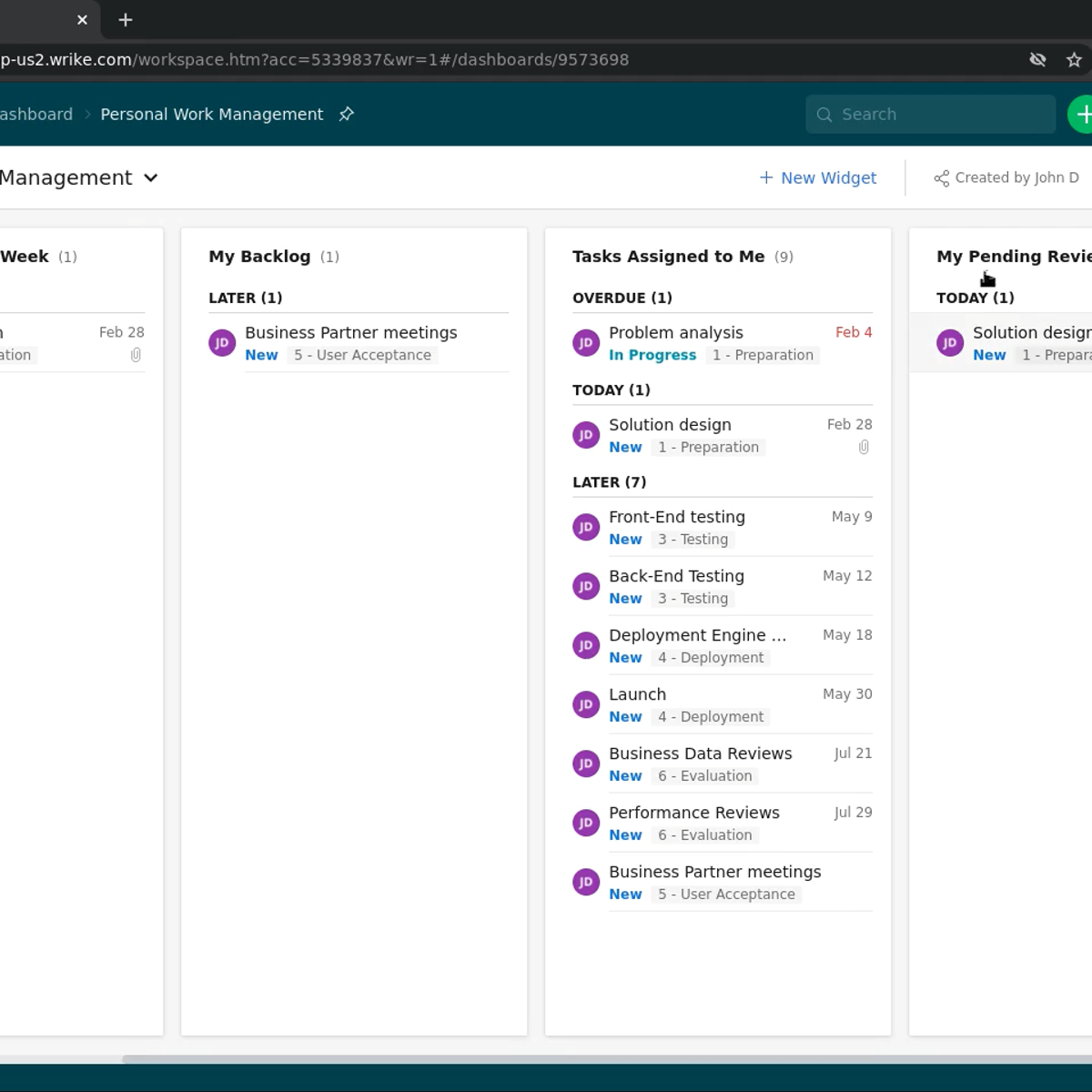
Related Reads
📰
📰
📰
📰
A lightweight workflow for keeping up with AI conference papers
Dev.to · Daniel
Why CitedEvidence Believes Great Researchers Read Less Than You Think
Medium · AI
How to Write a Literature Review That Actually Argues Something
Medium · Machine Learning
I Built a Personal Paper Engine to Stop Losing Research Papers
Dev.to · Ethan
Chapters (24)
1:34
How did we get work during the first year of running Blind? It was a network of
2:59
Problems starting a creative design company in 1995
3:40
Make spec work that looks like work
5:10
How we got projects initially (lead magnets)
8:37
Be discoverable by people who are looking for quality work (Behance, Dribble)
11:35
The connections you make and the impressions that you make on people can help yo
14:10
Learning & Building Skills while you work
17:40
The power of networking and quality work
20:19
Q: What is your research process when solving a business problem (such as custom
21:15
Q: What are the Differences between student portfolio and professional work.
23:23
Q: What's the most important aspect of creating a graphic design agency's design
26:55
Q: What is an outline of a business proposal?
29:55
Q: How do you grow your business and get bigger clients?
34:00
Learn the fundamentals and change your mindset
36:38
Q: How do you recommend building your network/design, team?
39:52
Q: What are potential clients looking for in a case study?
43:42
Q: Most people need a brand identity, website, and social media marketing
46:15
Q: How do you gauge a client's budget, and how much they can afford?
48:18
Q: How do you overcome client objections to your agency size?
54:02
Q: What criteria would you keep in mind in creating a spec project to attract ce
56:00
Q: When does it make sense to expand service options in a creative business?
59:00
Q: What do you value most in your business?
1:01:20
Q: What's the best way to ask for an internship?
1:03:36
Q: Is is better to build one solid relation
🎓
Tutor Explanation
 DeepCamp AI