AI, Startups, & Competition: Shaping California’s Tech Future
Key Takeaways
The video discusses AI regulation, antitrust enforcement, and competition in the tech industry, with a focus on promoting innovation and opportunity for startups and small businesses. It features discussions from key figures in government, industry, and civil society, and highlights the importance of open source business models, protecting competitiveness, and ensuring competition in AI.
Full Transcript
hey guys please find your seats we're going to get started it's great to see you all we have a very exciting topic today with some very exciting speakers I'm so excited to be here with you to talk about AI competition and startups uh before I recognize our spe speakers and special guests from Washington I want to tell you a little bit about why we're here and YC's public policy program last October we hired Luther low to be yy's first head of public policy where is he all right you'll you'll hear more from him later why does YC have to have like why should YC have a DC presence it's pretty simple for the longest time only the largest players in the tech ecosystem have had a seat at the table but to paraphrase paricles you may not be paying attention to politics but politics is paying attention to you YC wants to fight for little Tech in Washington and make sure all of you have a seat at the table one of the most interesting spaces where we we're seeing a lot of fierce competition is at the model layer of AI today we're going to be speaking with the top Anti-Trust enforcers whose job it is to keep the markets free and fair joining us from Washington our FTC chair Lena Khan and doj antitrust head Jonathan caner these two are probably best known as Joe Biden's trustbusters and Lead antitrust enforcement for the FTC and doj combined they oversee literally thousands of attorneys and nearly a billion dollars per year of budget and of course we will end things with a fireside chat with our very own state senator Scott weiner we also have some important Partners I want to recognize for this event including the Omar Network electronic Freedom foundation and Mozilla who will be on a panel later and finally it wouldn't be a YC event if we weren't ultimately bringing it back to our Founders so in between uh the these presentations we'll actually have amazing demos uh exhibiting some of the incredible stuff that you all are building as we stand at the Forefront of the AI Revolution understanding the regulatory landscape is crucial for every founder in this room and that's why I'm thrilled to introduce our next speaker Jonathan caner and as Assistant Attorney General for the antitrust division at the US Department of Justice is at the center of shaping how AI will be regulated and how competition in this space will unfold he's currently overseeing major antitrust cases that could significantly impact the AI ecosystem his insights on antitrust concerns in AI data monopolies and F fostering Fair competition in this rapidly evolving field will be invaluable as you build and scale your AI startups so without further Ado please join me in welcoming Jonathan caner to discuss the future of AI regulation and competition thank you Gary and thank you to YC and and M arzil our hosts for today um I'm thrilled to be here and so um I have some prepared remarks and I'll deliver them but I I think it's important for me to kind of start really from the heart which is I'm an antitrust enforcer um and so what does that mean what does that mean about the work that you do um I want to be very clear about this our goal is to make sure that you can build businesses that succeed that Thrive and that take on new ideas new problems and solve them right anti trust enforcement is about making sure that there is opportunity for people to have great ideas to build funding around those ideas and to succeed that's our goal our goal is to make sure that the markets in the marketplace has room for all the people who are building businesses for all the people who are starting up companies for all the people who are daring to take on incumbents and and build new products and services that are disruptive that's successful and in a nutshell that's what we're doing and that's why we're here it's no secret that AI is creating a transformative moment it's wonderful uh technological revolutions are inflection points that lead to Major change and major opportunity it is an invitation for for new technology and two technological innovations and platforms are invitation for people to invest to build um to create that is wonderful it is a um exciting time and AI is one of those really important Transformations but it's important to make sure we get it right and it's important to make sure that uh these Technologies are not only safe and sound but that there is enough opportunity uh so that businesses of all sizes in all places throughout the country have a fair opportunity to compete on the merits of their Innovations and on their um skill um and so um it got me thinking um about regulation versus enforcement and I wanted to clarify that so I'm a law enforcer I'm not a regulator my job isn't to regulate a market it's to enforce the law um only when companies violate it to make sure that competition can Thrive I went back and was thinking about uh justice Lewis brandise someone that is near and dear to my heart there is something he said in 1912 that I think is very important for today um in an address he said he asked a question same question I think that I want to present to you all to think about today shall we regulate competition or shall we regulate Monopoly it was an incisive and astute question then at the time there were a range of political leaders that believed um that Monopoly monopolies were itable and so we should let them emerge and then we should just regulate the heck out of them and have very um strong oversight but Justice brandise rejected that idea he said and these are quotes private Monopoly in industry is as he said never desirable and it is not inevitable monopolies were not inevitable then and monopolies are not inevitable now the premise of the question presented by Justice brandise is that is it more desirable to rely on competition and Market forces than the inevitability of concentrated markets where the only remaining solution is to oversee them with invasive regulation in all markets but especially markets involving technology and key inflection points the first line of defense is competition as Justice Brandy said no syst system of Regulation can safely be substituted for the operation of individual liberty as expressed in competition to do so he said quote attempting to substitute a regulated monarchy for a public um would be the result and so today there's no substitute for the competitive process competition is what ensures continued Innovation and that improvements are not hampered or impeded by a monopoly choke points competition is what ensures that consumers entrepreneurs workers benefit in the long run it ensures the freedom of opportunity that is available to all including and especially companies that invest in new business and new business ideas strong competition and preservation of competition especially early on um can go a very long way promoting competition early on enable as many Innovations as possible to survive and flourish promoting competition early on can sure that it's not only the big companies that succeed but also the small businesses and the startups that have the opportunity to grow promoting competition early on can avoid the more drastic regulatory measures down the line that would be necessarily necessary once monopolies emerge and the importance of competition in AI at the early stages cannot be overemphasized we must examine Market realities and promote sound policies that promote and sustain opportunities for free and Fair competition for both AI infrastructure AI applications Foundation models promoting competition now will go a long way because it will shape how they develop and create oxygen for everybody to breathe how companies develop AI applications and how those applications are ultimately brought to Market will shape the field the state of competition in AI hardware and chips for example will have enormous consequences for competition throughout the AI ecosystem how we strike the balance between ai's use of creators content and providing just compensation for those creators will shape the future of all industry if we can protect competition AI holds the promise of generating new businesses and new markets that can truly form the new Main Street both figuratively and literally little tech companies small medium-sized businesses have the potential throughout the country to become the new version of The Corner Store being built on Main Street and that Main Street doesn't have to just be here in San Francisco it could be anywhere throughout the country that is the world that is the promise that we are trying to preserve and startups that build on new and emerging AI can create small businesses and tools that support small businesses ecosystems that don't just work for the biggest companies with massive global scale but work for other corner stores and because it supports business anywhere has potential to lead to the dispersion of opportunity so that we can see communities Thrive not just urban communities but rural communities and that will create new job opportunities and lead to a rising tide that lifts all boats so we must do everything we can to promote competitive markets especially as these Technologies develop we have to ensure that the markets are deconcentrated and that opportunities are dispersed We should strive for an even playing field um that allows for as many companies and as many ideas as possible to be tested created improved and paved the way for new businesses and job opportunities to achieve all of this the first step is a deep understanding of Market realities how does the stuff actually work in May for example we held a really exciting workshop at Stanford uh along with Stanford University uh promoting competition in AI where we sought to hear from diverse perspectives and we did from Scholars but also content creators VCS startups um in all different areas of the economy everything from tech for tech to Tech for healthcare those conversations at least for me were invaluable because it's how we learn it's how we grow it's how we deepen our understanding of these issues so that we can have sound policy and make sound policy choices we've also worked closely with other agencies to develop our thinking and understanding just this past Tuesday we released a joint statement on competition in generative AI Foundation models and AI products along with our counterparts at the FTC which you hear from later today the EC and the UK through this joint statement we pledged our use of available powers to promote effective competition in AI so that all companies from the little ones to the big ones and everyone in between will have the opportunity to succeed and we're going to continue to make every effort and that means um healthy markets that means uh room for all business models whether they are closed Source open source making sure that business model especially open source business models have the opportunity to build platforms and stay open and stay extensible um um so that they can allow um the rising tide to lift all boats and we can see the promise of innovation be realized um across the entire uh Continuum and help form the new Main Street so with that I'm really excited to sit down have a conversation about some of these issues with Gary and we'll go from there thank you [Applause] Jonathan thanks so much thank you it's great to be here I think we just I just I just have only a few questions and I think we're both hoping to like open it up to you all but just to kick it off I mean the FTC has received a lot of uh I mean really attention and praise for their statement on sort of importance of protecting competitiveness in open source especially at the foundation level you know what does protecting competitiveness sometimes mean basically doing nothing or you know just wait to see how the market plays out how do you think about that so I think we have to think about first of all we need to follow the facts and the law wherever it takes us and so if if there no problem to address we don't need to step in and try to address it for its own sake right our goal is simply to say okay what's happening in the marketplace and does it necessitate action uh in the vast majority of instances we don't do anything whether it's um mergers or conduct there's a lot of business that happens without us having any anything to do with it we focus on the instances where there are bottlenecks to competition uh where there are impediments to the kind of development and growth that we were talking about early um that I was just talking about a few moments ago uh in your opinion is the AI Market at the foundation layer uh competitive concentrated or something else so we're we're seeing it play out and so from my perspective um we have the promise for competition uh and that's really exciting and so you know certainly we've seen the develop velopment of um proprietary um Foundation models and then we've seen as I alluded to my remarks the development of Open Source which has um a which can be a force multiplier for competition and that's really exciting um I think one of the things that we talked about our AI statement one of the things I've talked about is making sure that open store stays open right so that um people continue to build on it and people can continue to um um invest in the value can um and the dependencies that are created that value can be created and realized by small and mediumsized tech companies who are innovating on that to me that is competition in all its forms everything from proprietary to open um and so a little bit of work early on by us uh and our communities to make sure that those models can Thrive to make sure that they can succeed can go a very long way to ensuring that there is not just competition at the model level but competition for those who develop on top of models can you con comment on how AI connects to you know the two US versus Google lawsuits and your USV Apple lawsuit that uh was filed in the spring so I can't talk about our Active cases but what I can say is that we want to make sure that the next technological inflection points particularly surrounding AI have the opportunity to usher in new generation of competitors our cases and if you read them carefully they're designed to protect the ability of others especially um new Innovative startups to compete and realize the fruits of their Investments those are the the underlying um um Concepts that animate our cases and so um to the extent that um many of the new technological inflection points that are emerging now are based on technologies that revolve around AI um to me it's important that we make sure that not just we correct the Ys of the past but that we create opportunity for those new and emerging Technologies many of which are being created by people in this room have the opportunity not just to see the light of day but to realize their full competitive and economic potential with that let's open it up for questions thanks uh my name is Eric um really appreciate the work that you've been doing on the Apple front uh I started two companies that are relevant in that space a smartwatch company and a messaging company I know that you can't comment directly on the case but for people who have uh let's just say much less of a background what can we expect like what are the major Milestones that you see over the over the coming you know months years in that uh in that type of a case for example um and then the second question is are there can you think of any examples of enforcement actions that you might ask the courts in in this or or s or similar cases sure so um let me start kind of with an animating principle that cuts through a lot of our cases and you can see it in some of the cases you mentioned you can see of some of our recent cases involving concert tickets and other a lot of our cases focus on Moes Moes that uh entrench Monopoly power and so rather than just thinking about how does a monopoly in one market lead to another a lot of the fact patterns that we're confronting involve um how do some of these technologies that you're talking about some that you have experience with have the potential not to just create new markets of their own but to Rel relieve and reduce the dependence on the massive um tech companies or monopolies um in the middle and so a lot of our cases are about those flywheels those Moes those feedback effects that might insulate um those core monopolies from competition and allow them to continue to extract and stifle Innovation so what you can expect throughout our enforcement of these current cases but also in the future are um the anti trust division the doj uh my team fighting for um uh competition to open up with respect to those practices that deep in the moat uh to allow those technological disruptors to create um New Opportunities and reduce dependence uh and I think the cases that you'll see in the future and the kinds of remedies that we're going to demand um shall we if we're successful we'll focus on on that core um uh Vision awesome thank you hi I'm Angela and and I'm working on Andy it's an AI search engine um I especially loved the comments you said about regulating monopolies and promoting competition and my question for you is one thing we noticed with Google is we think that they have a browser Monopoly not a search Monopoly anymore and so for AI I think there's this huge potential to unlock um more opportunities in competition and how do you think that we can prevent uh a monopoly from rising up again when it comes to AI specifically I think we have to study the past and learn from it right and so I think part of it goes to okay what are the the core elements of a monopoly in the tech bace and again this kind of goes to the Eric's question and my answer which is um it's more often than not the feedback effect where is the inflection point coming from and what are the assets that a company might own in order to protect those new competitors from emerging right and so um you'll see for example in some of our cases involving things like sech that we talk about browsers um that we talk about um the kinds of advertising technology that might create interoperability and Mobility for folks who want to participate in multiple ecosystems we talk about messaging and other kinds of technologies that again um allow people to Mo move cross platforms and create the kind of um technological um Innovation that we believe is important so um that's kind of how we're thinking about it but our starting point in every case now is what is the core Monopoly and does the conduct insulate that core Monopoly from legitimate um Innovative competition uh hi my name is Jeremy Nixon um I'm the founder of AGI house which is this very charismatic you know community of hackers and we all have some complex beliefs about monopolies um specifically Google brain uh where I worked for three and a half years is responsible for the creation of the Transformer and of sequence to sequence and of Bert and certainly with sort of paid for with you know Monopoly money um I would say similar story for Bell Labs it seems like a lot of these monopolies do sometimes use their resources for enabling you know basic research and technological progress and so do you have a complex take on how to make sure that that kind of thing is possible uh similar story I guess um if Monopoly profits aren't available or at least like competitive profits aren't available for a company like open aai to take billions of dollars to create large compute clusters just to have it be Whitted away by meta relasing 305b um how can we have VCS who will be interested in investing in the creation of the next Super cluster which creates the next great model um very complex questions but hopefully you have some sense of yeah I mean no that's great they're great questions so first let me be very clear we are not against companies succeeding and growing we just believe that competition drives them to do better the largest companies um can you know innovate and bring great things to Market and succeed and they do and I don't see that go stopping anytime in the near future um but what we do care about is making sure that those companies feel competitive pressure you know to keep delivering um and and to keep delivering in ways that um perhaps uh might stretch them even further than they think they can go so that's part of what we're looking at second is return on investment again is also something that we think is um totally um achievable and desirable and there are plenty companies making a lot of money um but business model competition is important too right there are different ways to monetize there are different ways to um bring and and take value and I think we want to let those um Innovations compete with each other but we also want to see those different business models compete with each other as well these are great questions F lot fun thanks isi learner at jll um I really appreciate the work you guys are doing or you all are doing around you know kind of breaking down some of these Moes especially they involve business practices but the other side of it is we see a lot of I'd say certain firms using litigation as a way to stifle competition and really in a way that they have Capital that's a startup does not have and can really stifle competition that way which isn't really a a a technological moat but it is a scale moat in the other direction yeah listen um bigger companies get the more aggressive they can get the more they can try to intimidate right like a lot of um the conduct that we see um throughout the economy relating to monopolies often resembles bullies and Bullies can often throw lawsuits and other things your way I think it's important for us as um enforcers um obviously there's a legal system people have the right to use it we focus on making sure that companies uh are um investing to the greatest extent possible and delivering results um for the public uh and to us the more competition they face um uh and the more that um competitors can Thrive free from impediments um the more that value will be given back to the public hey um my name is Joe dubet I'm a founder of a company called Eden my question for you is around the potential conflict between competition and the consumer in terms of protecting them I I see a lot of instances where protecting competition is totally in the consumer's best interest you want as many pizza places you can have in your neighborhood stuff like that but in the situation where like let's say a Craigslist or an Instagram or something where there's a benefit to having everyone in one place how do you choose when you have to choose between protecting competition and maybe protecting consumer outcomes sure I don't think that we have to choose between the two I think we care about CO as an anti trust enforcer the animating um principle for me is that competition yields great outcomes and I didn't come up with that concept on my own that's what Congress said when it wrote the antitrust laws it said hey we want competition why because we think that yields better outcomes it promotes opportunity it creates to a more uh free and open and Democratic Society so um that's the concept that we've been asked to protect um and I I think when you think about antitrust the work that we do um it's not saying you're too big or you're too small or you should win or you should lose it's simply saying hey you shouldn't um engage in anti-competitive conduct that makes it impossible for someone else to compete if they have a better idea or if they have a better business model it says hey you know if the dominant firm is going to gobble up rivals in order to deepen its mode rather than allowing some of those firms to um continue in the market and succeed and potentially go public or create new opportunities then those could be antitrust violations we're f F used not on engineering outcomes we're simply focused on addressing conduct that might get in the way and I think that's kind of how we think about it but I um do want to be very clear I don't think there's that trade-off I think good healthy competition allows everybody to benefit hi my name is Hansen and I'm the founder of light sky and so you're talking to a group of Founders um who've come through I YC and you know obviously we hope that we're the founder that gets to IPO but a lot of our companies will end in acquisition and so um there's been a kind of chilling uh effect on Acquisitions due to kind of the investigations that the doj and the FDC have kind of uh started recently and so um can you comment a little bit about kind of like whether or not like what your perspective is on the chilling effect of Investigations on Acquisitions and how that so I appreciate the question it's an important one um I start with the data right we're all data driven um the fact of the matter is the overwhelmingly major majority of mergers never get look uh single digits and then even a small sliver of that actually get challenged and so the deal economy is moving deals are happening we only focus on the deals that have problems and the deals that have problems tend to be the deals in concentrated Industries markets or deals where you have a disruptive rival who might be taking on an embedded entrenched incumbent um and so those are the kinds of transactions that we tend to focus on um I think that um doesn't impede exit it doesn't impede um the deal economy in fact we see again plenty of deals happening it's a narrow set of deals that um satisfy a narrow set of criteria that are the problem the other thing and I think this is important is um we want companies to have the opportunities to go public we want companies to build not just although exit is a perfectly um normal way um uh for companies to you know realize value great world is one where companies can build and they can find a path to becoming public and um do so in a way that is coste effective and can manage um their resources as a public company and then build to become thriving durable businesses that can not only increase the number of firms who are out there um building new products and services but frankly for startups increases the number of viable acquirers who can bid for assets and so what we want to do is we get get this cycle where there are only two or three firms um sometimes one in each individual space that is a potential acquirer instead we want to encourage companies um to build and to do that there needs to be Pathways one um if you know to sell to someone who's not an antitrust problem and I think that happens all the time but we wish it would happen more because there are more companies that wouldn't create antirust problems second is we um want a world where where companies feel comfortable that they can pursue long-term Investments including going public so that they can generate value and grow and Thrive uh in a way that is durable Jonathan it seems like the the operating word that comes to mind in like sort of a lot of the things that you're talking about is like the word open so you know on the foundation side it seems like open source uh in terms of models it seems like in terms of public companies it's like you know a public company is like an open cap table I know you probably can't comment on some of the Active cases but but you know openness in terms of platforms and being able to have comp competition at platforms is like one of the things from as an outsider it seems like that's you know certainly a goal it's like ultimately markets are about openness whether it's a cap table the source code you know or literally the platform that allows other people to thrive opportunity openness and opportunity are are the foundations um for competition and so we are really excited about making sure that we can help preserve that lot of our cases one of the other themes is um you know a phenomenon that I you know it's like open dominate close right start open get dominant and then you start closing aspects of your open ecosystem so that others can't compete effectively and I think making sure that um the the availability of um folks who are creating um who are dependent on platforms and services who are um uh induced to join and build on ecosystems can realize the fruits of those Investments and I think you know that's that's what a healthy ecosystem look like where where um where we have that you know openness but I think that you're exactly right Gary it's true in in terms of having openness and diversity of models business models but also is uh openness and um to um to to be able to succeed without having to exit through acquisition and and um openness of a public company that you said like cap tables and um where where the public can essentially participate and benefit in um the building of these great us businesses one more quick one Lauren good from W thank you so much for doing this um I think what someone was alluding to earlier was basically the recent Manifesto from inre and Horowitz about little Tech versus big Tech uh and the idea that the regulatory agencies are using Brute Force to squash little Tech through m&a I think you addressed that well but one of the other things that was in the manifesto was this idea that the government is proposing attacks on unrealized gains and I was wondering if you're able to comment on that and generally what your responses to this idea since there are a lot of little tech people in the room I'm just a small country antit trust enforcer so I I'll focus on uh my little uh area of the world which competition policy and let tax experts focus on those other things but when it comes to making sure that um businesses including startups have the ability to to thrive and compete and grow uh and um that's that's our focus when it comes to thinking about the tech ecosystem and I'll kind of finish where I started or which is um you know I think you know competition um is healthy competition is a force m multiplier and strong competitive markets can often uh minimize um if not entirely eliminate the need for invasive regulation and so when we have an inflection point like we have now it is the time to make sure that we're doing a little bit of work on the front end to keep our markets competitive um so that um we can see as many of our great business ideas succeed and Thrive and stay in the market and even um um become big open public businesses thank you so much really appreciate it thank [Applause] you hi everybody I'm Luther low head of public policy for YC so uh at YC we're all about our Founders and so between each of these policy conversations we're going to have uh demos from our community uh so I'm going to hand it over to uh Mike n and saier we're going to sort of feature how some of our community is using AI all right hi everyone uh first of all thank you Gary and uh Luther for organizing this event and uh inviting me to give a demo I'm Mike I'm one of the co-founders uh and the head of AI at zapier and my personal mission is to pull forward the future so that more people can experience the extraordinary benefits of future technology today zapier is workflow automation software we are used by millions of businesses across the United States uh the vast major majority of our customers are smbs so small mediumsized businesses think like one to five uh people companies and I find automation can often be a little abstract to explain so what I wanted to do is I wanted to show you all a quick demo of how zapier Automation and AI are working together to serve many of the business across the US uh let's imagine you're an SB we're going to use like imagine you're a coffee shop and you get hundreds of customer emails every week and your teams responding these emails but you as the manager the owner you want to try and get a summary what are all what's a good summary of all the things that people are writing about in about so that you can Orient your attention and spend time improving your business I know we have a lot of policy makers and representatives in the room too so maybe in your world you can imagine you're getting hundreds of emails from constituents and you want to try and get that summary of what are the top things on everyone's mind so you can make be better informed and make better decisions about where you spend your time so that's the problem and this is a solution this is a zap it's what our what we call our Automation and what I'm going to do is I'm going to kick this off by sending in an email to this like fake uh email Dropbox that I set up for this like fake coffee business uh hey are you open during Memorial Day okay and I'll hit send on this email and let me talk through what zappier does here so this is a zap that I set up uh ahead of time and it's going zapper is going to receive anybody emails that that uh email it's going to add it to a spreadsheet once we collect 100 emails in that spreadsheet zapper is going to release those and ask chat PT to create a summary and extract out insights from that and then it's going to email me back a good summary of all of the things that I've collected so far this is the uh the spreadsheet that I've got I've got a bunch of uh emails already in here that are sort of fake and representative and there we can can see my uh email that I just sent got automatically added to the bottom and if I flip back to my inbox hopefully there we go just got the summary back and this is a live summary that was automatically generated using zappier chiped mode back to about looks like some order shipping issues product quality concerns refund requests uh all right I got a lot to lot to work on for this business so this is a good example this is just one of the millions of things that folks use uh zapier for zapier supports 7,000 Integrations on our platform and our users plug-and playay uh those Integrations to build things that they care about one of the things that I've learned is that over the last couple years is that Ai and automation I think are synonymous in a lot of our users Minds um the promise of both is software that just does more work for you and I think this uh Insight was what led us to go in all in very early in AI in fact uh zappier went all in on AI I personally did in the summer of 2022 almost six months before chat PT uh was released and zapier is running about 10 million fully automated AI tasks per month at this point I think that zappier the largest fully automated AI platform in the world at this point and that usage has given us a front row seat into what are what's the promise of the technology what are people trying to do with this stuff and also what are the fundamental limitations that they're running into and what I'm seeing is this the number one problem right now is low user trust that's due to low accuracy and low reliability of language models and it seems because we've been tracking this for a few years now it seems those problems are not going away with scale and this was my first hint that the underlying language model technology seems like it might be inherently limited now of course AI is getting faster cheaper and we have more model Choice than ever thanks to open source but as I dug in I found something really surprising the AGI Innovation environment in 2024 is incredibly weak and I think very few people realized this we're stalling out on our progress towards AGI and I think this is highly surprising it was to me because big Tech these AI Labs a lot of safety Labs loudly promote this narrative that scale is all we need to reach AGI just plug in more training data make the models bigger and we're going to get there but this isn't true now I grew up in St Louis Missouri uh famously the sh me state so let me show you what I found that led me to believe that this is a chart of we put together of a bunch of the most popular AI benchmarks out there all the blue lines and you can see that over time over the last couple years progress towards human level performance has been accelerating on these to reach Human Performance what I found is that the 's one eval one Benchmark called ark and it's the only world's only AGI eval that exists in contrast to all of the other evals out there it's the only one that actually measures AGI instead of the more narrow form of AI this Benchmark was introduced and created in 2019 on note before language models before any of the Advent of scale that we have today it remains unbeaten today now you might be curious like okay what's so special about this Benchmark so here's an example this is uh one of the 100 tasks or a representative example of one of the 100 tasks that are in The Benchmark and your goal is to try and as a human figure out what's the pattern between the task input and the output and then map it to the test so in this case you might you know see okay it looks like we're trying to do you know maybe fill in these uh blocks with the square with the dark blue and we can check our answer and there we go confetti we got it right so uh this is an example task these tasks are designed to be incredibly straightforward and simple for humans and yet empirically no AI system can solve these 100 tasks today this is incred in shocking to me now Arc remains unbeaten despite for the fact that two months ago I launched Arc prize a million competition to anybody who could get AI to beat this Benchmark and so far no one has been able to that's on top of the last five years of evidence as well in the past AI Innovation was driven through curiosity through sharing through exploring new ideas and instead today fueled in I think part by big Tech and big aabs S interest we now have scaling Dogma we have closed Frontier research we have llms as the only Paradigm Arc shows we need new ideas to discover AGI I think the industry's misrepresentation of reality is distorting Decisions by not only policy makers but Venture capitalists by Founders by even students there was 20 billion do invested in LM startups in 2023 by my count only 100 million into AGI startups working on new ideas half the students that I meet don't want to work on AGI because because they think it's a solved problem and policy makers are even now considering Innovation rate limiters like s1047 because the scaling Dogma is so loud I want to repeat I think the AGI Innovation environment we find oursel in in 2024 is super weak the world is basically betting that a single commercial lab in isolation is going to be the one to figure out and discover AGI that is in direct contrast to how we got here and why I'm even standing in front of you we got here through open progress open science and open sharing that's not just true of AI That's True of all science ever in fact I think if I'd go as far as to say if you're someone in the audience who maybe thinks that we should pause AGI development or stop AGI development entirely you should be pretty happy with the world that you find ourself in in 2024 but if you care about reaping the benefits of AGI In Our Lifetime like I do we need to work to undistort this Market I think policy and incentives should push towards open AGI research and not rate limiting the crappy version of AI that we have today now I'm putting my money in time thank [Applause] you so I'm putting my time and personal money where my mouth is I created Arc prize with the express goal to provide a very public measure of progress or in reality lack thereof towards AGI and I hope Arc prize can play a small role in motivating researchers to work once again on new ideas and openly share them and help steer AI policy away from regulatory capture and rate limits and back towards open Innovation thank [Applause] you hi I'm uh Shawn Modi CEO of capital AI uh summer batch YC um it's an honor to be here among such esteemed guests capital is a product to create persuasive content from data in fact it's so powerful some of Washington DC's best lobbyists are already using it to win multi-million dollar Appropriations and create some pretty important policies we're refining our product here um at y combinator we already have 231,000 users and we are in the process of finalizing a pretty large engagement with Politico which I'll give you a sneak peek of today so this is the nerve center of capital uh under the hood we're automating research so we're looking at the entire open web and pulling in the most trustworthy links for the query at hand we're also bringing open source and Frontier models and a native document editing experience when you click into this prompt box you'll see the different types of formats uh that you can select from the art article is our most used format set you can describe what audience you're addressing you can say how long you want it um we're optimizing right now for quality of content not not speed so you'll notice a little bit of lag as we as we uh put in a prompt you can say what sources you want to pull from here Google search peer reviewed or have it fully hallucinate and say none and then you can select what content blocks you want images web charts uh generated charts metrics tables and and direct quotes um so we'll put one in here and let's say uh Gary asked me to do one actually so nothing like putting myself on the spot so sb147 pros and cons let's let it rip um so now we're gonna push this out it's creating a headline for me understanding sb147 pros and cons and it's going to pull this information um in line why while that's doing its thing I'll show you some ones that I teed up already so these you kind of get a cross-section of my brain of what I'm curious about so I learned about this company asml which is they make these very powerful machines that play a critical role in the uh Global Supply Chain of semiconductors so my prompt here was the geopolitical risks of asml controlling key infrastructure in the procurement of semiconductors and you can see well let's just jump back to sp10 here we go so it's loading um you can see the sources we're pulling from this is from l in this is from gradient flow D Piper it's dynamically generating a table so let's just see sb147 also known as the California safe and secure Innovation for Frontier artificial int intelligence models act it's a proposed state Bill aimed at regulating development and deployment of advanced AI models in California this bill specifically targets AI systems with significant computing power particularly those capable of Performing over 10 to 26 power operations interesting so if I click on this paragraph I can go deeper so unlike other chat Bots this is a document creation experience so it's making suggestions for me and it's understanding the context of this article explain the potential impact on businesses and consumers that sounds interesting so I'll let that prompt rip and it's going to go pull from the open web and and reprompt that specific paragraph and it's asking me for a clarification I'll do that as federal government cool um scrolling down we have Dynamic tables generated here uh looks like uh these are the different provisions of the bill um it's pulling out key metrics so 1026 operations threshold for a models we don't plagiarize when there's a quote we're going to give attribution to where it's from and you'll be able to see precisely um The Source in this case this is for Milan looks like it's from Forbes and arguments against stifling Innovation Exodus Talent impact on open source economic impact it pulled in a chart this isn't the sexiest chart but we scan the entire page and we understand the context of the page and it's like having an analyst tell you the chart illustrates the increasing share of AI related research and development expenditures at us colleges and universities as well as the rise in proportion of newly founded AI startups among all Tech startups so on and so forth and I can go deeper at the article level here too convert this into a dialogue between a policy maker and AI developer discussing the pros and cons long term uh economic Innovation impacts I'll do that so I'm quickly understanding this topic and creating a piece of content that could be useful for my job um and then let's jump over here I'll show you a few other things I've been looking at uh I was curious of the Republicans approach to FTC antitrust so I generated a pretty in-depth report here of how the Republicans and Democrats approach FTC antitrust enforcement and if I want to go and take that I'm let's say I'm a journalist at Roy and I want to you know break some news or have an opinion piece I can go take this and put it into a Google doc and work with it and here it is with all those tables embedded and citations at the end of where the data came from a few other things before I show you the the political preview uh these are the economic pitfalls of taxing unrealized gains my prompt was write me a speech to an audience of reporters startup technology Founders and US Federal regulators and why taxes on unrealized gains is bad idea for United States economy including lots of data so here you can see excuse me uh paragraph one there's seven sources that went into this um draw linkable um if I wanted to add a paragraph in between it understands the context of the two paragraphs and it'll make suggestions analyze the implications for economic growth and investment cool so I'll add that in line if I need an image for my article I'll convert this paragraph into a synthetic image so I pass this paragraph to a diffusion model and what you're going to see is a a synthetic image in line Looks like this how I feel uh so um if I don't like the styling of it in this case it's not my favorite look um I'm going to change it to something maybe more cyberpunk where's my cyberpunk aesthetic let's let that go there's my new paragraph above with citations as we go down you can see uh more tables so it's it's giving you the information you need and in a fast form factor um from very complex data sources we're looking at 12 different pages here that were fully scanned and synthesized into a cohesive narrative and fact checked um and uh yeah we'll keep going here um I'll show you this is there was a big incident yesterday in Alaska of a joint Chinese and Russian military exercise so I was curious about that what are the what are the milit what are the National Security implications of this issue so I asked for an in-depth analysis of why the Chinese and Russian military fluid joint exercise near Alaska um and I got a pretty good assessment um of um the history of their joint exercises and what it means for the Arctic uh I went deeper natural resource context of China uh and Russia interest in the Arctic um so you get you get the sense so now zooming out you can all use Capital today CIT l. a uh for the affordable price of $8 a month uh that's if you use the discount code design Capital with a no but now I'm going to show you something that's up and coming and pretty exciting so we are friends of Publishers you know I live in Washington DC some of my closest friends are journalists and I think right now ai has a kind of you know hands keep me at hands distance um relationship um we want journalists to thrive we cannot live in a world without journalists journalists play a critical part of democracy so that's why Politico reached out to us uh because they want to embed AI into their political Pro product um pretty much every major lobbyist every major government official every Congressional office every senate senate office uses political Pro to understand the inner workings of Washington DC uh so this is their product and what you'll notice is a little widget called AI reports powered by Capital AI so if you are curious of how Congressman R con versus Blake Moore voted on Ukraine Aid um or on Israel Aid or on other types of key matters you can put in that prompt and it would look at all the political Pro proprietary data and give you an interactive report so I'll give you a preview what that actually looks like if you go to the open left nav you'll see create an AI report we're going to introduce this concept of projects so you can add multiple URLs articles data sources to this to basically a bucket a folder this case this is 2024 funding bills I'm going to add those sources to my prompt box and then it's going to suggest different prompts of how I can interrogate that data and write a report so I'm going to go with the suggested version version write an article explaining Bill s205 and its impact on the interior and EPA and just like you saw in our open product you're seeing an in-depth analysis of this bill and this was created in capital obviously this prototype for for but superposed for political Pro this will be a full document editor experience where you can edit text highlight text and add specific data to sections you can add YouTube videos PDFs word docs legislative data regulatory data and prompt it um so here you can ask Capital to provide examples of specific provisions of the bill or you can take a testimony from Court add it and say highlight the key Parts where you know X happened but it doesn't end just there so X out at the document level this is where you'll manage all your sources you can remove sources add them regenerate things and if I want to turn this into a tweet storm or a piece of content to influence policy not only understand policy but to influence policy I'm going to go turn this into a tweet storm and then I'm going to prompt it saying write a series of Tweets in opposition to this bill targeting spending and what I have here is a tweet storm opposing this bill citing articles from political Pro and other sources that are relevant and if I click that I can reprompt it using AI so the cycle continues so that's a l
Original Description
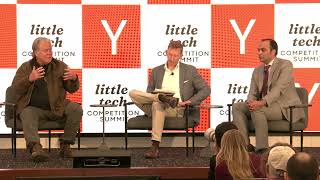
On July 25, 2024, Y Combinator hosted AI, Startups, and Competition: Shaping California’s Future in our San Francisco headquarters. This gathering brought together key figures from government, industry, and civil society to discuss the future of AI regulation and competition.
The event featured remarks from Federal Trade Commission Chair Lina Khan and Assistant Attorney General Jonathan Kanter, alongside a panel on civil society perspectives. California State Senator Scott Wiener engaged in a fireside chat about his proposed AI legislation, SB 1047. The event closed with extemporaneous remarks by audience member and AI pioneer Andrew Ng.
Over 175 individuals attended the event. The audience was primarily founders of AI startups based in San Francisco who have participated in Y Combinator’s highly selective accelerator program.
Watch on YouTube ↗
(saves to browser)
Sign in to unlock AI tutor explanation · ⚡30
Playlist
Uploads from YC Root Access · YC Root Access · 45 of 60
1
 2
2
 3
3
 4
4
 5
5
 6
6
 7
7
 8
8
 9
9
 10
10
 11
11
 12
12
 13
13
 14
14
 15
15
 16
16
 17
17
 18
18
 19
19
 20
20
 21
21
 22
22
 23
23
 24
24
 25
25
 26
26
 27
27
 28
28
 29
29
 30
30
 31
31
 32
32
 33
33
 34
34
 35
35
 36
36
 37
37
 38
38
 39
39
 40
40
 41
41
 42
42
 43
43
 44
44
 ▶
▶
 46
46
 47
47
 48
48
 49
49
 50
50
 51
51
 52
52
 53
53
 54
54
 55
55
 56
56
 57
57
 58
58
 59
59
 60
60

Lecture 1 - How to Start a Startup (Sam Altman, Dustin Moskovitz)
YC Root Access
Lecture 2 - Team and Execution (Sam Altman)
YC Root Access
Lecture 3 - Before the Startup (Paul Graham)
YC Root Access
Lecture 4 - Building Product, Talking to Users, and Growing (Adora Cheung)
YC Root Access
Lecture 5 - Competition is for Losers (Peter Thiel)
YC Root Access
Lecture 6 - Growth (Alex Schultz)
YC Root Access
Lecture 7 - How to Build Products Users Love (Kevin Hale)
YC Root Access
Lecture 8 - How to Get Started, Doing Things that Don't Scale, Press
YC Root Access
Lecture 9 - How to Raise Money (Marc Andreessen, Ron Conway, Parker Conrad)
YC Root Access
Lecture 10 - Culture (Brian Chesky, Alfred Lin)
YC Root Access
Lecture 11 - Hiring and Culture, Part 2 (Patrick and John Collison, Ben Silbermann)
YC Root Access
Lecture 12 - Building for the Enterprise (Aaron Levie)
YC Root Access
Lecture 13 - How to be a Great Founder (Reid Hoffman)
YC Root Access
Lecture 14 - How to Operate (Keith Rabois)
YC Root Access
Lecture 15 - How to Manage (Ben Horowitz)
YC Root Access
Lecture 16 - How to Run a User Interview (Emmett Shear)
YC Root Access
Lecture 17 - How to Design Hardware Products (Hosain Rahman)
YC Root Access
Lecture 18 - Legal and Accounting Basics for Startups (Kirsty Nathoo, Carolynn Levy)
YC Root Access
Lecture 19 - Sales and Marketing; How to Talk to Investors (Tyler Bosmeny; YC Partners)
YC Root Access
Lecture 20 - Later-stage Advice (Sam Altman)
YC Root Access
YC's Summer 2022 Startup Job Expo - Pitches from 30 YC founders & find your next startup
YC Root Access
AMA with YC: Job Searching During an Economic Downturn (Event Summary)
YC Root Access
YC Startup Job Hunt Bootcamp, September 14, 2022
YC Root Access
YC Startup Talks: Understanding Equity with Jordan Gonen, CEO & Co-founder of Compound
YC Root Access
YC Tech Talks: Climate Tech with Charge Robotics (S21), Wright Electric (W17) and Impossible Mining
YC Root Access
YC Women in Tech: Breaking Into Product
YC Root Access
YC Ultimate Job Guide: Startup Stages
YC Root Access
Becoming a founding engineer at a YC startup
YC Root Access
3 tips for finding a job on YC's Work at a Startup
YC Root Access
YC Tech Talks: Defi and Scalability with Nemil at Coinbase (S12)
YC Root Access
YC Tech Talks: Designing Game Characters with Deep Learning, from Cory Li at Spellbrush (W18)
YC Root Access
YC Tech Talks: Designing from Day One: Artists as Founders with Multiverse (S20)
YC Root Access
YC Tech Talks: MMOs in the Instagram Era: Highrise (S18)
YC Root Access
Becoming a founding engineer at a YC startup - Finley short
YC Root Access
Why become a product engineer? -- with Volley (YC W18) & Luminai (YC S20)
YC Root Access
Y Combinator Go-To-Market Jobs Expo, 2022
YC Root Access
Fireside Chat with Tanay Tandon of Athelas
YC Root Access
Fireside Chat with Ivana Djuretic of Asher Bio
YC Root Access
The Past and Future of YC Bio
YC Root Access
What VCs Look for When Investing in Bio and Healthcare
YC Root Access
Finding your next role: Tips from YC's Talent team
YC Root Access
YC Startup Talks: Startup Equity with Compound (YC S19)
YC Root Access
YC Tech Talks: Machine Learning
YC Root Access
FTC Chair Lina Khan at Y Combinator
YC Root Access
AI, Startups, & Competition: Shaping California’s Tech Future
YC Root Access
Y Combinator Little Tech Competition Summit - Washington, DC
YC Root Access
The Exit Interview with Jonathan Kanter
YC Root Access
Founder Demo: Daniel Vega, Co-Founder & CTO of Inversion Semiconductor
YC Root Access
Wither Realignment?
YC Root Access
Founder Demo: Cyril Gorrla, Co-founder & CEO of CTGT
YC Root Access
Founder Demo: Newsha Ghaeli, Co-founder & President of Biobot Analytics
YC Root Access
Fireside with FTC Chairman Andrew Ferguson
YC Root Access
Fireside with Boom Founder & CEO Blake Scholl
YC Root Access
Founder Demo: AJ Forsythe & Jordan Barnes of Coop
YC Root Access
Are Techno Optimism and Populism Incompatible?
YC Root Access
Founder Demo: Trevor Mckendrick, Co-founder & CEO of Seis
YC Root Access
Founder Demo: Matt Bolous, Head of Policy & Safety of Imbue
YC Root Access
Fireside with Teresa Ribiera, EVP, European Commission for Clean, Just & Competitive Transition
YC Root Access
Fireside with Epic Games Founder & CEO Tim Sweeney
YC Root Access
Fireside with Former FTC Chair Lina Khan
YC Root Access
More on: AI Startup Building
View skill →


![Building an AI Startup in 8 Minutes with ChatGPT [No-Code Method]](https://i.ytimg.com/vi/e39j1Oy9dGc/mqdefault.jpg)




Related AI Lessons
⚡
⚡
⚡
⚡
The New Geography Of Entrepreneurship—How Founders Are Rethinking Where To Build
Forbes Innovation
Esports Company BLAST Reports Record Growth Following US Expansion
Forbes Innovation
Explorers Get Naming Rights. Infrastructure Builds The Future.
Forbes Innovation
Jerry Soko named Eswatini CEO as MTN doubles down on internal talent
TechCabal
🎓
Tutor Explanation

 DeepCamp AI