Diplo: College Dropout To World's Most Iconic DJ | E128
Skills:
Startup Basics80%
Key Takeaways
Diplo's journey from college dropout to world-renowned DJ and music producer, highlighting his relentless work ethic, discipline, and passion for music, as well as his experiences with entrepreneurship, music industry, and personal life balance.
Full Transcript
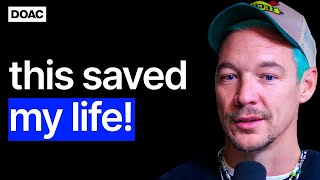
could you do me a quick favor if you're listening to this please hit the follow or subscribe button it helps more than you know and we invite subscribers in every month to watch the show in person if i knew now what i knew then i would have done a different journey dance album dj of the year diplo diplo and i just remember i did this whole circuit working all these young rappers they were like really young they were like 19 20. and these rappers all started to die you know little peep overdosed ex was was shot nobody really cares about like all the adoration you get you care about the people that don't like you and that you get caught up in that it's not a consistent paycheck music never is and it wasn't for me for three four years one month i'm not doing good i don't care i can't pay rent i'm homeless what's the the sacrifice or the cost in terms of like personal life balance i have to answer that [Music] wes yeah um whenever i do this podcast up i always get really intrigued by the the formative years of someone's life and in your story um it seemed like a very very humble beginning when i look at where you started under the age of 14 um i couldn't quite piece together myself obviously how that early upbringing had led you to becoming who you are today is there is there anything when from below the age of say like 14 that you can point at and say if that hadn't happened or if that if i hadn't had that experience or that interaction with a family member or grandfather whatever it might be i i don't think i would be here today i didn't start really producing releasing music till like my mid-20s because it was pretty late i was doing things but not actually at a level where i quit my job and it's my main source of income but when i was younger um i was a pretty bad kid i was bouncing from high schools in different middle schools and i was i was actually sent to a military school at one point at like that age like 14. um and i even got expelled from there and then like that was like the last my my last shot right and i came back they let me back in because it cost my family like a lot of money was like three thousand dollars for me to go there because i was i was getting sent at every school but going to military school maybe if anything it taught me how to like if i was gonna do something criminal or like something bad like it was bad be a little smarter about it if anything somebody there was like criminal the whole military school was just a bunch of terrible kids and they were like really knew what they were doing um so if anything i kind of like it was like learning from the school of hard knocks you know but i think being in military school even that was only like for one year um and my father he was a vietnam vet and you know i think i can attribute his his concept of discipline to it you know like no matter how bad i was how much i disagree with my father he gave me the most complex rules of what discipline means what it what it is to apply in whatever you're doing and i didn't realize that until i was older that you know these what what makes my story successful what makes me a better dj or what makes me a better songwriter it really i don't have the technical abilities but i have i always apply myself to find a goal you know and i really feel like that that's what my father gave me before before i turned into an adult because it's just something i had inside me that separated me from everybody else when i got into the music business work ethic was such a clear thread throughout your story like relentless almost at times it seems somewhat obsessive work ethic and it's funny because when i hear about your early upbringing i guess my assumption is because it sounds quite similar to mine getting kicked out of school and and being the only kid out of four siblings that was like always getting bad grades always in exclusion were people did people around you think you were going nowhere at that point yeah i mean even until the mid-20s my father was like how did you buy this house like how did you what are you doing like there's no there's no way possibly you're making money with music like it's like there's just no possible way and i went to college i went for um i went to ucf i got a little community college because i couldn't afford like a real school i did two years there just basically just getting just being in a school so i could have something to advance forward and then with the temple university in philly and i ended up dropping out that school but i went for anthropology and filmmaking so it was like a really two other degrees that would literally turn into no job but i was obsessed with documentary filmmaking i thought that would be something i could i could do i was obsessed with culture i was obsessed with humans and people and the study of culture and i was when i was a young person i was reading national geographic all the time and watching documentaries so that was something i was like how do i apply that you know and my father's also like this is a huge mistake what are you doing what about accounting that's a great degree to have um in the end i think what i'd learned at that university was um because in the film program it was like there was a lot of creative avenues i could learn from and the people who were professors were almost like filmmakers that didn't make it and they have to be professors it kind of feels like so like what am i doing here i want to learn these people aren't even in the business you know so the real business is like going out and making it yourself and i think i just did that set third year i was like i'm out of school but i kind of wish i had dropped out of college earlier and had a head start because it took you a while when you're paying your college tuition and working and it's so time consuming and then eventually i started to to to do music and do little odd jobs like djing to where i was like oh i can kind of like quit my jobs now and also like yeah i think if i knew now what i knew then i would have done a different journey but i think that's what makes you who you are you know no matter how long it takes and eventually you make that decision to sort of start heading towards music right um even though it's not paying you at all and i was reading about the jobs you were doing in that period of your life you were worked at a zoo at one point yeah you were a social worker at one point yeah how long did that period of your life when you'd made the decision to move towards music and that music was going to be your thing how long was that it definitely wasn't i mean i at 22 years old i was already working like nine to fives you know it was it was like the social work job was my first job as like this is a job that feels good to do like you know i'm working with children i was going between teaching kids and then after school program and just felt like okay this is cool um it feels like i'm doing something for somebody instead of working at like subway and making money for the head of subway which is kind of like a waste of my energy but working with kids i felt a little bit like i i felt fulfilled you know i think but then you run into the bureaucracy of of i was in a city like philadelphia so it was just like so much corruption even in like this the social work world it was crazy um eventually i was getting beaten down at that job too i was like this is this is my life like 22 i'm like this is this is all i can look forward to is like building my way into like this job or this job and i think i started djing on the side uh at parties and learning from the djs there because philadelphia is a famous city for djing it's like culturally one of the most important cities in america um for hip-hop for djing and i just started doing parties and then i saw what you do if you do your own party like you can invest invest in yourself and promote a party and you take everything right so i started learning small little business acumen from just doing parties and then eventually i started i can quit my job i can make it it was a huge step because at that point you don't know when you're doing music and parties full-time it's literally up to you to how much you're working or what you're doing to keep the money flowing to pay the rent if i don't one month i'm not doing good i don't care i can't pay rent i'm homeless um it's not a consistent paycheck music never is and it wasn't for me for probably three four years but yeah it took it just it's just literally just putting your boots to the ground and like doing the work and like failing at it and learning what makes you better what makes you more money like what's how do you grow this business even in these little small steps that's kind of what i did in those those first years my career and i wasn't even really making my own music yet i was just djing and making mixtapes and making edits and learning how to use computers still like i had nobody to teach me i was buying hardware or you know in high school shoplifting from sam goody and sam ash and like guitar center like samplers to use so it really just came down to just the grind to figure out what works and what doesn't it was so evident even when i was hearing about you like in the record stores and ultimately selling a record to can are they vinyls you were selling to canadian samples and stuff but throughout that even like you're the story about you reading was it william faulconer's book yeah and you're you had this clear hunger for learning like teaching yourself how to make music teaching yourself computers teaching yourself the business side of things most people don't have a predisposition just to figure stuff out yeah and that again when i'm trying to figure out exactly how you became this global superstar i'm like that feels to be a consistent thread throughout your story as well that learning hunger i think when you think about what a dj is uh you know now they're like david guetta they're headlining festivals or even me like i'm headlining my own shows but back when i was growing up you know the big dj's from say detroit like uh the magician or like you know after bambada people that were djs were like the selectors they were like the guys who did all the work to know what music is there what this music is how this music exists and they were like kind of the cultural benchmark they were the guys who cataloged everything for to distribute in the scene right um so i think i loved that like that was like i wanna i love music like i love what it is i loved and i went to parties and i remember seeing people like quest love and like cash money and these dj's like carson baker playing crazy records like playing fella cootie and then playing like um you know a disco record and then playing something new like a local hip-hop record and i was like and then they playing like babe ruth like an old rock and roll record i was i was so obsessed with how they could connect these things that don't make any sense musically and that's what i always thought was the great i think story of what djs do is they're like guys who can process all this culture and give it to you in a certain way and now it's more streamlined like you're gonna go to house party hear house music you're gonna go to like a bastion party here dance hall but the really special djs were able to like do everything and so i think when i learned that was like a skill set i started looking at vinyl i started learning about different music i would like ask djs what is that record be playing who are these artists like what is feather cootie where's where's nigeria where do they make music like what's it sound like you know then i'm like we're the producers like oh uh the guy from the who went to nigeria and was a drummer there then he went back and did this and then oh james brown heard this guy and then he hired another drummer this is like became like a web of music i started to follow everything and read lander notes and then i just was obsessed with with gaining all the knowledge about music whatever i could and using that to apply to being a dj that obsession just led me to being a record collector you know like i said i traveled a little bit at the end of my university i went to india with one of my professors to work on a documentary and um the border of pakistan in india is called uh in gujarat it was like this this little uh kind of like a valley called the round of kuch it was a huge earthquake there i think around 2000 and i was there doing some sort of building work and you know working with uh red cross and things like that and then i just kind of bounced and took a motorcycle and just went all over india and just explored my own and i bought a bunch of vinyl at the time the most expensive record in the world were these beetle 78s they were like beetles records but at you find good ones in india they only make money if you find good ones they're worth like a thousand to a couple thousand dollars but i was finding indian soundtracks i was finding things like um there's a wreck a classic indian soundtrack called chalamar with like crazy like spy themes and like break beats on it at the time if you find one of those at a record shop pay like a you know a couple rupees you could bring it back to london and sell it at like poland street for like you know 300 pounds so that was like this weird hack i found like traveling and buying records i did it in india i did it in philadelphia i would go to new jersey i go to new york i would buy record old records and sell it to different record collectors you know nick quest loves one of my first guys i sold to i sold records to kanye west when he first started producing um collecting records was like a certain business and on ebay that was another hustle i had like selling things that i buy flea market stuff and selling ebay a lot of it was vinyl correct one of the one of the thing to get things again that's so um obvious and apparent with you which is kind of a thread that kind of weaves between many of my guests specifically comedians for some reason because comedians they at some point you see this decision they've made to like leave the city leave like their job in finance and pursue this thing that has no apparent chance of making them any money at all but they just follow this like passionate obsession they spend a year going up and down the country working for nothing because they're obsessed with comedy for whatever reason and a lot of young people when they think about being a dj or an entrepreneur or whatever they think to themselves okay i want the admiration of standing there and all these people clapping for me and the money yeah but you were so clearly led by this like unbelievably obsessive passion which seems actually to be if i was to say 95 of my guests um followed one path it would definitely be they didn't really care about the outcome they cared about like the passion and the pursuit of the passion yeah that's so clear with you right i mean the beginning was definitely a hustle like i love music and it saved me from you know when i even in high school i you know i moved from different high school to high school and i didn't have a friend group so i kind of was like leaning towards i want to play music but i couldn't my parents wouldn't buy me a guitar like i didn't even know how to play i was like how am i going to learn a guitar you know i'm going to learn piano but i like was like djing that's like the future of music like my it was like turntablism was really big i remember being in like 16 being like i'm gonna buy record players that's what i'm gonna buy that's like that's what i'm gonna do as a as like a creative person this is like a futuristic way to do things so i i leaned into that started learning what a dj was but in the beginning yeah i had to do the groundwork to know what it is i'm going to play like what it is that the music comes from where was this music at where do i buy the records what do the crowds react to etcetera etcetera so yeah this formative years i spent time grinding but then eventually i was like okay how do i make money out of this and yes i want to play for a crowd and they saw my adoration yes i want to meet girls of course that happens later and that's another drive but in the beginning i just i didn't really expect to have a job out of it you know do you think you would have been as successful as you are if you if someone had taught you how to make music and you'd been really mentored by someone because sometimes that hurts innovation and creativity if there's a if convention is too involved yeah you know what i mean i don't mean because i see nowadays like kids can literally learn and copy any style of music in a day because they have a tutorial it's so easy it's really easy and i wish i had that but then at the same time i wouldn't have i wouldn't have had such a definitive like who i am and if i were when people always ask me when i do radio shows like what advice you give to young djs and it's like always the same thing like what makes yourself unique like what what really makes you different because i could throw a rock and i'm going to hit a dj or artist in the head in london like there's somebody here it's like i'm not talking about you right but it's so easy like i literally get demos all the time like what i don't even care i don't even pay attention i used to actually like try to listen to demos i'm like this is all the same like people are doing the same thing over and over again like you know whether whatever city you're in there's like a thing and every once while you get like a special person that comes out of nowhere and you're like wow that's unique like but really what what is it like for me you were talking about william faulkner i really tapped into like my southern heritage when i was younger i was like what i loved like miami based music growing up in florida i loved like um you know the crunk scene the bouncing in new orleans i grew up in tennessee for a couple years so i loved like memphis rap was like my favorite thing so when i went to the east coast none of that stuff was happening like nobody listened to that music so i was like let me bring this to the east coast let me start playing at my parties and it took off like all this new sounds i brought even though they were just like a one-hour flight down south to hear miami-based music no one listened to it in philly so i was playing the stuff mixed with like 80s records and that was like my brand i was the guy that was like doing this mashup culture and so nobody else had that party there was like urban parties they'd be playing hip-hop there would be you know rock and roll parties playing like glam rock and you could dance to it there would be like high-end parties playing house music but nobody was playing for like the art school kids and the hipsters the time because it was pre-hipster it wasn't a word yet and i was like that's my market and i was like no one's tapped into this let me go ahead and do this you know in every style my every every little venture i've done as a musician has been like why is the one in this market like even when i do major laser it was like reggae and dancehall we were doing but nobody was really doing it in the clubs in america there was like if you go to like philly you want to see vibes cartel you you have to go to like this one ghetto club in like lancaster and it's like only jamaicans there and i'm like this is such crazy music like why don't we do this on another level like why don't we work with some of these artists and do bigger records and so i was like no one's doing dance hall let's do it this project so everywhere i went i was like experimenting like what how do i do this and kind of make it my own or how do i like work this into my sets and um it's been like a journey you know this is 20 years now i'm doing this since i played at my first show at fabric and it feels like i've done so many if you're a fan of mine and you follow me for 20 years it's a really tough journey because it's like i've done you're gonna go to reggae music you're gonna go to country music now you're gonna go to deep house you're gonna go this way that's way but a few people actually go with me and follow my career so um you know i think that's what makes me a one-of-a-kind person i guess so back to my my point when young people give me ask me questions of like what is it to what kind of advice i can give you i'm like what find like a really unique thing and just and just lean into that lean into that so hard like figure out even if it feels weird just make it make sense you know make it make it work for you because otherwise you're just going to be one and one of a hundred like clones of different djs different rappers if it feels weird is that sometimes also an indication that there's a big opportunity there because it's it's yet to break or it's yet to be discovered so like weirdness might be a 100 yeah more now than ever back then it was like i mean even djs wasn't a thing when i started doing it like you would you wouldn't dj being a dj wasn't a career it was like there's a few guys on the radio in europe is different there was a dj culture here but in america there wasn't like a job description called dj like you wouldn't think there wasn't djs on the radio weren't they weren't featuring on their music um now it's pretty commonplace but but just being dj was unique for me but nowadays since there's so much information all the time so much media there's so much artists fighting for your eyeballs and your ears on tick tock and instagram it's more than ever important to have something like wow i gotta go look at that again because it's like just having a catchy hook's not enough everybody has a cat like there's a thousand catchy hooks you can just go and buy them literally at the market it's like not special one thing that really surprised me about you as well is that you're quite um i don't know whether this is humble about your talent but when i've seen in multiple interviews when you're asked what the biggest misconception is about you one of them you said is that that i'm talented and i've heard you say a number of times that you're faking it or that you're still looking for the some kind of like validation that you're a real you know and even at the start this conversation you said i'm not technically the best or yeah what is that is that impostor syndrome what is that no i think i've always been like more of a conceptual artist like you know i think of music and concepts i think of music as like oh it's like a math problem you know like how does this add to this how do i make it work you know it's always been like a riddle every time i try to think of like what to combine things now it's a little easier because i'm like i'm doing this kind of dance album and i know exactly what works because i'm using these records and i'm making you know collaborations with friends of mine artists but when i was younger i literally my first album was called uh florida it was on it was on ninja tune and it's so weird like i remember being just like so stoned and just up and like making this record and like people still hit me back like that record was a classic i'm like what are you talking about it was like crazy chaos it was like me just like in my room in orlando like trying to figure out how to i wasn't even things weren't even in key like i'm sampling on this like two channel little like a kai s20 sampler like that thing worked and um laying things out like if you know anything about dws like workstations like they're so complex like logic ableton back then you used something called cool edit pro and there wasn't even like a piano roll or anything i just had like windows like photoshop when you just like i just layered the loops on top of each other and sequenced it in one long window because i couldn't it was just it was the worst way to work ever but i learned this ass backwards way that kind of gave me a little flavor i guess but i never was like a a a musician you know like i never i never mastered an instrument and i always thought djing i never was a good turntable it's like i mean if you put me in my room with like a track or like dj craze that's embarrassing those guys are like they're like magicians you know but i thought i'm the guy with like ideas and how do i apply those ideas and it became easy with as the technology advanced like i'm like oh these programs make it a lot easier for me i don't need to like play my midi keyboard i don't need to be scott storch you know i can just like literally see the audio ableton's my favorite sc audio and i can work with raw audio it's my mind works that way so i think yeah i'm more of a conceptual person than i am like a a like a digital auteur even with even with production i mean i always say like skrillex is like the guy that blew my mind like he uses like a computer like a like a grand piano like he just does it's the craziest thing he does you know it's so i think there's people that are in my generation that are like those savants and i'm not that but i i kind of mixed my talent for new new sounds and a talent for songwriting to make like who i am but but to say that you're you're faking it and uh i mean maybe it was a joke but yeah to describe it as the biggest misconception i've been talking about djing because i mean literally it's probably like the most uh it's people will ask me like how to you know like how to do it or to do it it's such a you can learn in 10 minutes like how to do the technical sides you know um was i thinking that i mean no because at the end of the day what i think makes dj special that i explained earlier is that you have this hit you have to have history that's what makes it special i think it's why you have dj careers in in london especially these guys are like david rodigan you know he's like a guy who's like in his like late 60s i'm hoping agent maybe but he's been doing this since he was interviewing bob marley like he's a and he still rocks parties playing like selecting the perfect records because he has the skill set like he knows exactly he can read a crowd in like southwest london he can go to jamaica he can go to like italy you could play the right songs the right time so um there's something intrinsically beautiful about you know being a dj but yeah some things it feels like i'm faking it but i mean even in the beginning i faked it to like get get in the studio you know that's what i did to like to to have my foot in the door you know quick one as the seasons have begun to change so has my diet and um right now i'm just going to be completely honest with you i'm starting to think a lot about slimming down a little bit because over the last couple of probably the last four or five months my diet has been pretty bad um and it started to show a little bit really over the last two months i go to the gym about 80 of the time so i track it with 10 of my friends in a whatsapp group and this tracker online that we all use together we call it fitness blockchain and i'm currently at 81 percent um so 81 of the days i've done a workout in the last 150 days right so i'm going to the gym about six times a week that's been a little bit impacted by the derivatio live tour but i'm trying to stick to it and so one of the things i'm doing now to reduce my calorie intake and trying to get back to being nutritionally complete and all i eat is i'm having the heel protein shake thank you for making a product that i actually like the salted caramel is my favorite i've got the banana one here which is the one my girlfriend likes but for me salted caramel is the one when you are asked about your creative process i i was looking through the huge wealth of traveling that you've done brazil india um spent time in london and various parts of the world um how formative is travel and going to these different cultures and understanding the way they do things to what the art you ultimately created because when i think about creativity from a marketing standpoint i see it as like pulling together lots of little pieces to form something new and you you have because of your obsession with the vinyls and the musics and the samples you seem to have this like huge wealth of like artistic reference points yeah to create new stuff from i'm just obsessed with the conversation that's like happening all over the world like you know whether i go to brazil or are you london's a good example where you have this like pan-african jamaican caribbean and then like you know european thing happening that's like drone based that's like funky that's like um now it's drill like there's all these genres that if you look look into it why it exists you can literally pinpoint the first creators and like where they come from and like why is it like why do they make this kind of sound so i was always like putting together the equations like why are these things happening and brazil's my favorite place to to talk about because i was hearing this music it was called funk karaoke for a long time those girls that were doing a party in philly and i remember they gave me a mixtape and it was this like sound that was a mix of miami bass and samba and like heavy metal because they're screaming songs there's bass beats but they're using like these tamborzino like drums yeah so i was like what the is this i like literally couldn't find any information on this music so i went to i went to i went to brazil and i actually had a magazine fund this trip it was it was an article for fader magazine and i went down there i met the big djs and i just became immersed in that scene you know producing with some of those guys learning to produce with them and um [Music] moving that sound forward a little bit i think my first real real production was with mia it was called bucky dungun and it was a it was a funk record that we did and remember we actually went back to brazil and played it at this huge festival it was like a massive hit in brazil and actually helped i think maybe validate some of the funk music in brazil because before that it was like a rio thing and it became like a all over the country they were starting and now if you go to brazil like funk music is the most commercial thing back then 20 years ago it was like a pretty underground genre and um but yeah everywhere i go i'm like i want to learn more once i learned like all the catalog all the old producers from you know jazz funk and soul and hip hop then i'm like the rest of the world is there's like endless possibilities of where music comes from and what's going on so i started like venturing out there in terms of your crazy process as well you in two different interviews i saw you talk about creating music that lasts a lifetime like really timeless pieces of art and the question that i had when i saw you say that was like how do you do that how do you how can you even anticipate that a music a piece of music is going to be timeless is there something in the design of it or the inspiration or the story there's a there's a few times in the studio and i'm like a song i might be working on gives me goosebumps you know that that happens um it was like when i did the we did justin bieber's wear you now like something like that like just was like well what the hell are we doing and then like lean on from major laser that was a record that i've probably spent one year on the production you know because i did so many different videos like no this isn't right now this isn't what's happening right now this is i need to do something as a producer my job is to predict the future like when i release this record after i make it it's going to take like three months to actually get to the people you know because it's like you need to go with labels clearing the record it can't just be like back then they would make a edit and dj it and it was like hitting people right up but my little local neighborhood but a producer's job is literally like try to like at least mine my forte's always been like how can i do something that's going to be big in like six months or like a year like kind of like being futuristic sounding because that's what the big that's what the greats have always done you know prince or timberland or pharrell they've always made records that trendset because they were so futuristic so my goal has always been to follow them never to follow a trend um and those two records were ones that we did and we're like yes this is going to work even though it's crazy or even palm the floor i remember listening that and driving around in the car um that was the song i did for major laser and we're driving around la and looking at the guy who produced me named switch and we were just like this is is this gonna work it was so crazy like we were just like this is so wild and then and then yeah like four years later beyonce sampled that record and it became a massive hit so there was like my career has always had these little moments where we do things and then they the ramifications happen later you know you feel the effects you know the seeds like you said um but yeah having classics is important i think a couple times you know when you're on you're in it and you're like okay this is this is worth the time this is worth the effort because learning songwriting with some of the great guys like um you know dr luke saw my publishing in the beginning and having been in the studio with him and circuit and a lot of his writers i was like man you've spent three days on like a second verse like this is what you do now that's what pop music is like you literally like if you think a record is the big record you it's it's so painstakingly like like the effort is so concise like how to make this the best record ever like everything is like a perfect addition like an architect like every little corner of the house has got to be perfect right so i learned that process which i don't do very often but when a record is big i follow through and otherwise just do a ton of records one of them is going to be good too that's another process you can do which also i can do that too like just put you know randomly i put records out and record like on my mind which is another house records on my album that was a huge tick tock record which would never you would never guess like you can't even guess when those records happen yeah so because you can't guess when one's going to be a winner and maybe one's not going to catch on as a creative do you kind of try and not harm your piece by trying to predict too much what the outcome's going to be do you just focus on the process itself and like how much can you can you predict if something's going to be a i mean there's a lot of like in this like we're talking about being in the studio so like i said there's a process like to making a great record but there's also like diplomacy when you're in this when you're a producer like you have to know the artists like you know ed sheeran you have an extra record we can try to work on and then he gives you songwriting and that's how like a record like cold water happened was another uh bieber song i did and then you're like okay how do can we ask bieber's manager can he maybe do this record we'll do a trade for production okay then that deals in the place then okay who can play the guitar on this oh you find that person so sometimes it's literally like being like a an ambassador like talking all these people try to put a record together too like that's another process that i had to learn and that's something else like when a record's already done like you take a song and you dress up the production you still have to find the like all the keys to make that record work um so it's like every record is a different journey you know and now with dance music i'm literally just in the studio hearing records and trying to figure out what sound i want to make for a live effect and then i apply that in the studio but um i've literally probably every kind of songwriting you can do i've i've done it you know from like sitting with acoustic guitar with madonna to you know recording sound field recordings in a favela or uh you know paying for a studio session for a regular artist with like my last little bit of money in philly like it's at uh at um you know the root studio and like barely getting a hook and then it was not even good enough to making something out of that later you know like it's always like it could be collections of vocals or sample packs everything i've done you know i've tried it you know what's the cost of all of this in terms of on your maybe cost is a bit of a presumption but what's the the sacrifice or the cost in terms of like personal life balance because i think you're obsessed you're obsessed with no i think i i wasn't i was probably running at like 200 miles an hour until cove it happened i don't think i would ever take a break and that was probably the best thing that happened like when i got one coveted when the lockdown happened and i couldn't do shows like let me actually buy a house and let me actually like you know like figure out what's my next steps in life i kind of needed that break so i was just going to do everything was breakneck speed you know it was like the grammys this weekend oh you have a session with this person speaking about we gotta get back on this i gotta go to jamaica and do this it's like everything was happening i never said no to anybody i was like this is crazy i was like you know a musician has the same life as i have as an athlete you have like a peak you know if you're a linebacker in nfl football your career is like maybe three or four years because you're getting beat up a quarterback can play for you know tilly's 44. um a producer or artist like they're just hot for as long as they're hot and then they have to find that they have to come down some of them can just continue to always go there like you know you have like people that are just always going to be in your mind like madonna or you know um some of the big pop stars like taylor swift every record is going to perform but a lot of times you like on borrow time you don't know when you're when you're when your window's going to close so for me i was like i got to keep going keep going and i never i feel like i never had hit my my peaks i was like let's keep pushing it forward and eventually i was like you know what this isn't that important like let me like actually enjoy my life i have three kids now i want to like do things i want to want to you know explore more but not think about the work i want to do things that maybe benefit my my mind and i think that's kind of what the the last two years of downtime has given me even though i did produce a lot of records in between it was on my own terms you know i wasn't like chasing all the live events and i wasn't chasing all the different uh successes i could have had um covered was very much the same experience for me it's actually why i resigned from my company because i i actually got to look at my life it was like when when i stopped flying eight times a month um i got to look at my life and um i also got to feel what it was like to slow down and talk to my friends my family a little bit when you think about your pre-covered life um now you've got the hind the benefit of hindsight and you've had time to pause um were you happy in that phase of your life i was because it's weird i mean i was losing touch with thing other people i felt that so i was like very insular but my life i run the best like when it's chaos when i'm doing 300 shows a year and i'm like getting up and doing the emails and going to the gym and then i'm like this is like i just i just work under pressure i don't know what it is it's like my my like my best forte is is to have just chaotic stuff happening all the time and i'm like somehow i can get through it so i was into that and i was like this is a very unhealthy way to live um so now it feels like i'm back on a promo tour and it feels like i'm back on this like fast track a fast track and i'm like i kind of want cove a little bit but then you know it's all part of the process because you put a record out it's important for people to hear it you know you only have one chance for records to be released and it's like you should give that if you have a great song you should give it every opportunity it has to reach people because that's it's it's one shot you know um but don't waste your time on every song like you have a good song i got this one the song miguel that we're promoting i'm like this song's worth the work you know other songs may be like i'll put them out and maybe something will happen you don't never know maybe it's in three months there'll be like a dancing to it on tick tock or something and like it'll be it's a crazy experience or something and it goes viral you never know what's gonna happen it's like just rolling the dice every time but every once while there are some steps you can take to ensure a record has its best chance at surviving you know and that's like what you're doing now right like the promo yeah putting effort behind it um just so then so so covert happens your world kind of grinds to how everybody's does and you probably find yourself in a house somewhere alone yeah how's that then in terms of mental health and dealing with the sudden stop i i think uh i mean the the thing that sucked the worst about code is to have these children and like it was a time i was like man i can do whatever i want but there's nothing to do like you couldn't go to l.a we closed the parks for so long because there was no school like you know there's no birthday parties you can't go see other kids like it was just kind of like it's almost like a a waste opportunity i had like a whole year to do my kids i was like what do we even find time to do it's like i buy a house with basketball courts in the house just play basketball like it was like literally i made an environment for them to enjoy life but um i think honestly i've been doing this for so long and i've made a really great team around me like i have these great women that like are like that always work with me and like work for me and i think it just feels like it's a big family like now you know like people like it's a team whether it's like on my management side or just like my personal side it's like i have people that are always looking in my best interests and i think i got lucky i was i've been doing that since day one like my first manager worked for me for free for the first year because he just like believed in what i did i was like i don't need a manager i was making so much money before i pay taxes like just selling mixtapes and djing like i was like i bought i bought a property in philadelphia like in my first year of like learning how to hustle the system of being a dj and then i was like damn but there's he was like there's there's more to be done though like he's like there's more you can do than just living in philly and like buying being the biggest dj here and i think he gave me that that motivation to like be bigger and from him you know another management group happened and then i've had a lucky journey i've been the same with the same team for you know 20 years a lot of people don't get that i also think i was very visionary in what i want to do so if you're like a young person like you get sucked up by management or whatever they might have a vision for you or they might not or they might not have the right vision for you or they might not give you the room to be yourself then you're going to switch like 40 managers and you might not ever find you know the success you need so it's important to find people you know that really believe in you but also let you be yourself because you got to find that because you're going to be that's all you got at the end of the day you can lose a million managers and a million people but you can always start over and just be you reminded me of the avicii documentary that i saw which was a real pivotal moment in my life because um yeah so i spent four weeks at home in 2019 and i was very much being dragged around we had a thousand employees so i was being dragged around the place and that documentary taught me the importance of saying no to stuff 100 like i beat you i feel like i never his he was probably like one of my biggest influences even though it's younger than me i remember hanging out with a couple times i was just like man this guy this guy's a genius but like he doesn't feel like he's he's in his own skin you know because i don't think he ever had that chance to be who he be be what he wanted to be he was like he was almost like a became like a machine because his success happened so quick um but that happens a lot that's like the one story to the dj world but in the pop world happens like way too much i think are you good at saying your stuff no i say yes everything but i'm also like i have really thick skin i feel like my personality is enormous i can also like i can i can find my way through things i always say yes and then i'll say no for the next time if it sucks but yeah i've done everything you know and i'm like uh you know this isn't the right thing i move on or even if it's a studio session i might go get breakfast and i might never come back you know whatever it is i'll give everything a chance you know but uh i know i know now some things you know my management knows me now to where they something don't even get to me the questions aren't even going to come because they know it's like a no or they know i'll say yes it was a bad it'll be a bad yes thick skin yeah you started talking a lot about mental health over the last couple years your partnership with calm as well i was reading about um mental health in the djing world but mental health amongst men anyway what's your journey been with your own mental health i think you know just being put as like a you know whatever celebrity or whatever it is being attention always on you is you're gonna have so many critics and you're gonna have so many you know the love is cool but nobody really cares about like all the adoration you get you care about the people that don't like you and that you get caught up in that even if it's only like five percent but they really want to be vocal about they don't like you or they don't love you uh that bothers you no matter who who you are you know eventually i had to just like wow these people suck like just whatever you're gonna it's you're never gonna get away from those the people that like want to always be critics you know they just want to get a rise out of you i think eventually you just got to say it the people that around me their opinions what matters like the people that i trust and you can't like kind of sit in the opinion of people that don't either don't know you or maybe build an opinion about you from you know whatever it is because when it comes to social media it's like a game you know it's not like you it's it's look i was talking about conor mcgregor earlier today i'm like he's like the biggest heel his most paid athlete last year even though he didn't fight because he's like people love to hate him you know so he built a brand out of just being that person um but you got to take it with you got to take the good and the bad with it i mean if you if you want to be in this business which is like i guess show business like you said the comedians the dj's i'm like kind of like a popular dj i'm more like a like a people i go to my shows and i even know my music because they know my brand and that kind of sucks because you don't you don't know if they don't know who they're gonna get but um because i'm on that pedestal you're just gonna get eyes on you for everything so i feel like you just have to if you want if you want the success if you want to be at this level you got to like just take it and if i didn't want it i would just back up you know but i can take it so i feel like it's something i had to learn to grow into myself and just be like okay be comfortable because what really matters is my team you know who my family thinks about me what my team thinks about me and i think that's those people give you that motivation to go every day have you made a conscious effort to like shorten that circle by like logging off i read somewhere that someone else has your twitter password now and you don't really have it and have you made a conscious sense yeah i've been on twitter in like five years but i think um yeah it kind of sucks i hit or miss because i mean even tic talk i was like slow to do that but then like i said if you want your if you want your your brand to exist it's got to be there like because that's like you know there's more eyeballs on tick tock than they're on youtube nowadays so you really you have to be part of that conversation with the audience um it took me a while like how to find people that actually could help me run that because i couldn't do it myself and i couldn't be you know in every day long like videotaping and doing dances or whatever so how to find different ways to make those things work for myself um it wasn't easy in the beginning but uh yeah i don't stay on i don't stay on social too much but then of course during this album cycle i'm on there and i'm like having to always participate but you know luckily i think i've got great fans i've got great people get great response to my album it wasn't that difficult but every once in a while you have to get you take your mind off it because you can get caught up you know well what made you start talking about mental health and being a bit of an
Original Description
Diplo is a DJ and music producer, who as well as being one of the biggest solo DJs in the world, is one half of Major Lazer and Silk City.
This weeks episode entitled 'Diplo: College Dropout To World's Most Iconic DJ' topics:
0:00 Intro
00:58 Your early years
12:05 What drove you to follow your passion?
18:29 Faking being a DJ
23:31 How travel and culture shaped your music
26:02 How do you anticipate a hit record?
30:44 Whats been the cost of your obsession?
38:09 Your journey with mental health
44:33 Your family
48:14 How do you handle the highs and lows?
52:03 Your new album
52:21 Balancing relationships and being on the road
01:01:23 Our last guest question
Diplo:
https://www.instagram.com/diplo/
https://open.spotify.com/album/2Lm2otWdTB4ChDfvbRXHIu
Follow us on Telegram: https://t.me/diaryofaceo
Listen on:
Apple podcast - https://podcasts.apple.com/gb/podcast/the-diary-of-a-ceo-by-steven-bartlett/id1291423644
Spotify - https://open.spotify.com/show/7iQXmUT7XGuZSzAMjoNWlX
FOLLOW ►
Instagram: https://www.instagram.com/steven/
Twitter: https://twitter.com/SteveBartlettSC
Linkedin: https://www.linkedin.com/in/steven-bartlett-56986834/
Sponsors:
Huel - https://my.huel.com/Steven
Craftd - https://bit.ly/3JKOPFx
Watch on YouTube ↗
(saves to browser)
Sign in to unlock AI tutor explanation · ⚡30
Playlist
Uploads from The Diary Of A CEO · The Diary Of A CEO · 40 of 60
1
 2
2
 3
3
 4
4
 5
5
 6
6
 7
7
 8
8
 9
9
 10
10
 11
11
 12
12
 13
13
 14
14
 15
15
 16
16
 17
17
 18
18
 19
19
 20
20
 21
21
 22
22
 23
23
 24
24
 25
25
 26
26
 27
27
 28
28
 29
29
 30
30
 31
31
 32
32
 33
33
 34
34
 35
35
 36
36
 37
37
 38
38
 39
39
 ▶
▶
 41
41
 42
42
 43
43
 44
44
 45
45
 46
46
 47
47
 48
48
 49
49
 50
50
 51
51
 52
52
 53
53
 54
54
 55
55
 56
56
 57
57
 58
58
 59
59
 60
60
She Cheated On Me and Thats Not All - Dr. Aria | E56
The Diary Of A CEO
How She Built Her Confidence, and Then an Empire with Krissy Cela | E57
The Diary Of A CEO
Lessons From 50 Of The Worlds Greatest Minds with Jake Humphrey | E59
The Diary Of A CEO
World Leading Psychologist: How To Succeed In Life & World: Jamil Qureshi
The Diary Of A CEO
The Secret To A Good Nights Sleep with Stephanie Romiszewski | E64
The Diary Of A CEO
The Secret To Loving Your Work with Bruce Daisley | E66
The Diary Of A CEO
Grace Beverley: How To Build A Multi-Million Pound Empire At 24 | E69
The Diary Of A CEO
A Billionaire’s Guide To Healing Your Mind And Extending Your Life: Christian Angermayer | E72
The Diary Of A CEO
Ant Middleton Opens Up About His Personal Demons, Being "Cancelled" & His Spirituality | E74
The Diary Of A CEO
Russell Kane: How To Build Confidence & Stay Young | E79
The Diary Of A CEO
Liam Payne Opens Up About His Darkest Moments, Failed Relationships & Entrepreneurship!
The Diary Of A CEO
Mary Portas: How To Stop Living A Life That Isn't True To You | E85
The Diary Of A CEO
Monzo CEO On Death Threats, Depression & Digital Banking Wars: Tom BlomField
The Diary Of A CEO
Deliveroo Founder: From £0 to £5 Billion: Will Shu | E88
The Diary Of A CEO
Patricia Bright: How She Made Her Millions | E91
The Diary Of A CEO
NotOnTheHighStreet.com Founder: Rapid Success Lead To My Darkest Days - Holly Tucker | E92
The Diary Of A CEO
Productivity Expert: How To Finally Stay Productive: Ali Abdaal | E93
The Diary Of A CEO
How I Make $1.2 Million A Year From This Podcast | E94
The Diary Of A CEO
Moonpig Founder: How I Built A $150 Million Business WITHOUT Sacrifice: Nick Jenkins | E97
The Diary Of A CEO
Klarna Founder: From $0 to $46 Billion: Sebastian Siemiatkowski | E98
The Diary Of A CEO
How I Built 5 Multi-Million Dollar Companies: Marcia Kilgore | E99
The Diary Of A CEO
Ann Summers CEO: The Heartbreaking Story Of One Of Britain's Richest Women! Jacqueline Gold CBE
The Diary Of A CEO
Life Changing Lessons From 100 Of The World’s Greatest Minds | E104
The Diary Of A CEO
Jimmy Carr: The Easiest Way To Live A Happier Life | E106
The Diary Of A CEO
Starling CEO: Building a $1.5 Billion Business Against The Odds: Anne Boden | E107
The Diary Of A CEO
Russell Howard: How To Laugh Through Fear, Anxiety & Imposter Syndrome | E109
The Diary Of A CEO
Molly Mae: How She Became Creative Director Of PLT At 22 | 110
The Diary Of A CEO
The Subtle Art Of Not Giving A F*ck: Mark Manson | E111
The Diary Of A CEO
Gymshark CEO: How I Built A $1.5 Billion Business At 19! Ben Francis
The Diary Of A CEO
Jordan Peterson: How To Become The Person You’ve Always Wanted To Be | E113
The Diary Of A CEO
How To Fix Your Focus & Stop Procrastinating: Johann Hari | E114
The Diary Of A CEO
The 1% Mindset: How to 1000x Your Success & Productivity! - Manchester United Director Of Sport
The Diary Of A CEO
Fearne Cotton: THIS Is How To Build Confidence & Set Yourself Free | E116
The Diary Of A CEO
Calm App Founder: From $0 To $2 Billion By Making The World Meditate: Michael Acton Smith | E117
The Diary Of A CEO
Jay Shetty: The 3 Simple Things A Happy Life Needs | E119
The Diary Of A CEO
Roman Kemp: Why Communication Is More Important Than Ever | E123
The Diary Of A CEO
Phones 4u Founder: The Pain Of Becoming A Billionaire: John Caudwell | E124
The Diary Of A CEO
Israel Adesanya: Becoming World Champion Was The Lowest Day Of My Life!
The Diary Of A CEO
Jaackmaate: The Untold Story Of My Battle With Health Anxiety & OCD | E127
The Diary Of A CEO
Diplo: College Dropout To World's Most Iconic DJ | E128
The Diary Of A CEO
The Real Trick To Long Term Motivation: Daniel Pink | E130
The Diary Of A CEO
Jonny Wilkinson: Winning The World Cup Led To My Darkest Days | E131
The Diary Of A CEO
Wretch 32: How To Build Unstoppable Self-Belief | E132
The Diary Of A CEO
Karren Brady: How To Win At Entrepreneurship & Love (at the same time!)
The Diary Of A CEO
Lilly Singh: My Deepest Insecurities Led To My Greatest Achievements | E136
The Diary Of A CEO
Piers Morgan: Dealing With Repeat Failure, Death Threats & Regrets | E137
The Diary Of A CEO
Terry Crews Breaks Down About His Sexual Abuse & Beating Up His Dad!
The Diary Of A CEO
Jessie J: I Quit Music, Deleted An Album, Then Changed My Mind | E139
The Diary Of A CEO
How To Find Ultimate Fulfilment At Work: Marcus Buckingham | E140
The Diary Of A CEO
Classpass Founder: Quitting My 9-5 Led To A $1 Billion Business: Payal Kadakia | E141
The Diary Of A CEO
Matthew Hussey: The Secret To Building A Perfect Relationship | E142
The Diary Of A CEO
The Man Who Coached Michael Jordan AND Kobe Bryant To WIN! Tim Grover
The Diary Of A CEO
The Happiness Expert: Retrain Your Brain For Maximum Happiness! Mo Gawdat
The Diary Of A CEO
Simon Sinek: The Number One Reason Why You’re Not Succeeding | E145
The Diary Of A CEO
Tom Bilyeu: From Broke & Sleeping On The Floor To A $1 Billion Business!
The Diary Of A CEO
FBI’s Top Hostage Negotiator: The Art Of Negotiating To Get Whatever You Want: Chris Voss | E147
The Diary Of A CEO
Strava Founder: How I Motivated 100 Million People To Stay Active: Michael Horvath | E148
The Diary Of A CEO
How I Taught Millions Of Women The Most Important Skill: Girls Who Code Founder: Reshma Saujani
The Diary Of A CEO
The Marketing Genius Behind Nike: Greg Hoffman | E150
The Diary Of A CEO
What No One Tells You About Success And Mental Health! - Building A $240M Dollar Empire!
The Diary Of A CEO
More on: Startup Basics
View skill →









Related Reads
📰
📰
📰
📰
Nobody Talks About the Part Where You Build Everything You Wanted and Feel Nothing
Medium · Startup
Jonathan Ross (Groq founder) avoided layoffs by asking engineers to take pay cuts for equity — "Groq Bonds"
Reddit r/artificial
HubSpot vs Zoho CRM for Startups 2026: The Complete Honest Comparison
Dev.to AI
STOP WAITING TO FEEL READY
Medium · Startup
Chapters (13)
Intro
0:58
Your early years
12:05
What drove you to follow your passion?
18:29
Faking being a DJ
23:31
How travel and culture shaped your music
26:02
How do you anticipate a hit record?
30:44
Whats been the cost of your obsession?
38:09
Your journey with mental health
44:33
Your family
48:14
How do you handle the highs and lows?
52:03
Your new album
52:21
Balancing relationships and being on the road
1:01:23
Our last guest question
🎓
Tutor Explanation
 DeepCamp AI