How Claude Code Claude Codes | The Vergecast
Key Takeaways
Examines the success and development of Claude Code with creator Boris Cherny
Full Transcript
Welcome to the Vergecast, the flagship podcast of pointing an LLM at just a bunch of text files to [music] see what happens. I'm your friend David Pierce and I am sitting here getting ready for the next season of Version History. Version History, if you don't know, is our tech rewatch show about the most interesting good and bad products in history. It's a very fun show. And for this season, I have had to do research that has taken me down rabbit holes about Apple history, like deep into Apple's history and into the history of the monopoly that AT&T had for decades over the phone business in the United States. And that in particular is a story I just frankly knew nothing about. And I found myself reading a bunch of tech history books, which is delightful. First of all, I I I should read more books. We should probably all read more books. At this moment in time, my information system is just insane. I'm on social media. I'm scrolling through apps. I'm on Reddit. I probably read more words than I ever have. But it's this like discombobulated galaxy of just stuff all the time. And to sit down and just open up a book and stare at it for 3 hours has been like genuinely cathartic in some really interesting ways. So all of this is to say go books is the official stance of the Vergecast in 2026. But that's not what we're here to talk about on this episode. We're going to do two things on this episode. We're going to talk actually a bunch about AI. Um the first thing we're going to do is talk to Boris Churnney who created Claude Code at Anthropic. Cloud Code came out a year ago today, Tuesday, February 24th, as you're hearing this and I think has kind of become the single most important AI product out there. So, we're going to talk to Boris about where it came from, what happened at the end of last year that really made it take off, and where all of this goes from here. I also have a bunch of like product support questions that I'm going to make him answer because I can cuz he's coming on the podcast. After that, the Virgin Hayden Field is going to come on and talk to us about how to think about your own interactions with AI, particularly as it pertains to data privacy and security. We talked a bunch about this stuff with OpenClaw and Moltbook a couple of weeks ago, but I really want to get into this idea of like if I'm going to turn one of these things loose on my computer to build software and interact with my apps, how do I think about that as a person in the world with data and privacy and secrets? Reckoning with that feels important. We're going to talk about it. We also have a really fun hotline question about gadget buying in the year 2026 and why it's about to be so complicated. All of that is coming up in just a second, but I have a chapter of this Macintosh book to finish. Insanely Great by Steven Levy. Highly recommend. And I have to go get Claude Code to finish something before Boris gets here. This is the Birdcast. We'll be right back. All right, we're back. So, for all intents and purposes, we're about a year into the Vibe Coding experience, and I think vibe coding to me is the most interesting piece of the AI equation right now. I I'm continually skeptical of the idea that chat bots are the future of anything. Um I think there's a lot of interesting technology in a lot of these LLMs. I think agents are a cool idea whose time has not yet come and maybe never will. But the idea that you can use AI to write good code is just true. That thing has found product market fit. And all of the external questions about, you know, the the way that these models are trained and the energy that they consume, all of that is real. But the idea that you can just write code by prompting is is here and it is real and it is powerful. Let me just give you one example in my own life. So I am constantly switching productivity apps which means I have a bunch of notes in like 10 different apps. This is a terrible system because I can never find anything but I I take notes on meetings. I have like interview transcripts. I have all kinds of stuff just sort of scattered around. And over the last couple of days, I've been using cloud code to pull all of that data out of all of these different apps, put it all into one place in this app, Obsidian, and then actually structure it in a way that makes sense. So, I have without any manual labor or moving stuff around or messy copying and pasting on my own, I have just been able to tell Cloud Code, in this case, Co-work, which is a version of Cloud Code, where my stuff is and just have it go do the busy work for me. That's powerful and meaningful and a big deal and is a thing that would have taken me a much much longer amount of time to actually do and that's just the tip of the iceberg of what tools like Claude Code promise. So Claude Code launched like I said earlier a year ago today Tuesday as you're hearing this and this felt like a good moment for a variety of reasons to check in on where we are with cloud code in particular but also with this idea of giving everyone the tools to write software in general. So Boris Churnney who created Claude code at anthropic uh by accident is probably too strong but certainly not imagining that it would become what it has. He and I talked about what vibe coding means, where it's going to go from here, whether or not there is a future of something like cloud code that is actually useful and usable for most people, and how we're supposed to feel about the end of people writing code at all. It was a really interesting conversation. I really enjoyed it. Learned a lot about how to think about cloud code and other things like it in my own life. I think you'll enjoy it, too. Let's get into it. Boris Journey, welcome to the Vergecast. >> Yeah, thanks for having me. >> You've you've talked a lot about kind of the history of cloud code and and where it came from and how you made it and now that it's a year old. I think the thing I'm particularly curious to talk about is your relationship with coding now. Um, one of the things I saw in all of those interviews I've been watching is everybody does the YouTube thing where they like grab the splashy quote at the beginning uh and and do it as sort of the cold open and then they get into the interview and over and over it's you saying I don't write any code anymore. Cloud code does 100% of my coding. And this is like this this is a a a big revoly statement to have made. Um, and I want to get into what that actually looks like. But over the course of the last year or so as you've been building it, have you undergone basically like a complete reidentification of what it means to be a coder and developer at this point? It's surprising how little of a change it's actually felt like as someone that that writes code. I I think part of it might be that in some ways engineers are used to change because our tech stack changes all the time. There's always a new technology. There's always a new framework, a new language. It's just kind of part of the job is always relearning and kind of re re- uh I don't know it's like it's like every new every few years there's a new stack and a new language that's popular and so we're just used to kind of you know figuring it out and learning the latest thing. In some ways it's felt like a big jump because you know the big change over the last year is I don't work with source code anymore like I don't look at the code of the program as much as I used to. I I don't write any of it anymore and that's been kind of a big change. Back when we released quad code originally in February, that was like sonnet uh 3.5 new or 3. I forgot what terrible name we gave that model. I think it was 3.5 new. We should have called it like 3.6 or something. >> Yeah. AI model names not famously great in the industry right now. >> It's not not our strong suit. Not our strong suit. [laughter] Uh but so we released it and back then you know quad code was writing maybe 10% of my code. Uh when we released Sonnet 4 and Opus 4 in May that I think that jumped to maybe like 30% or something. It kind of creeped up over time, but back in November when we launched Opus 4.5, that's when it it just suddenly jumped for me from like 50% to 100%. And that that was actually very sudden, but it also just felt very natural. >> What What does that change look like? Like do you just wake up one day and realize, oh, I'm not this thing has stopped making mistakes. I don't need to do it anymore. >> Yeah. the as an engineer the way that you would code maybe like I don't know like middle of the year last year is you kind of start the work in an agent and an agent does the first pass but then the code isn't isn't perfect there's a bunch of stuff that doesn't work so then I have to go in I have to test the code I have to open it in a you know a text editor to make some final changes to it and what I realized around opus 4.5 is one opus is now testing my code >> so this was kind of cool like you know it's like it's running the tests but also So, it's able to open the browser and it's able to kind of verify that, you know, the website works correctly. It can click around. If something's off by a few pixels, it'll kind of move it over and fix it. Uh, and then the second thing is the code is just really good. So, I I don't have to open a text editor anymore. I I don't have to fiddle with it by hand. And that was actually kind of nice cuz that means I can move on to the next thing and just write a little bit more code a little faster. It really does feel like that Claude moment sort of happened overnight. It was like everybody went home for the holidays, got bored, used cloud code, went, "Oh my god." and we were sort of off and running. Um, but it seems like you as the person who pays incredibly close attention to it all the time also had that big a kind of overnight shift in how you think about it. Was it just big new model all of a sudden had this new capability that no one was expecting it to do this well? Like what what accounts for that big a change that quickly? for the robotic for the longest time coding has been a thing that we just want the model to be really good at because you know essentially the road to safe AGI like this model is going to be very it's going to be intelligent at some point it's going to be super intelligent our job at anthropic is to make sure that goes well and that it's done in a safe way um so the model doesn't do bad stuff and so you know this is kind of aligned with the interests of what the users want and of humanity broadly and the model is is software and the way that it interacts with the world is through tools and through other software that it writes. And so for us, for the longest time, we've had this belief that the way to safe AGI is through coding and then kind of tool use and then uh computer use. So this kind of increasing capabilities to interact with the world, but it's always mediated through code. So it always goes through code. When you do model training, you try a lot of stuff. There's a lot of experiments. There's a lot of new ideas that people are trying all the time. A lot of times it just doesn't work. Um but sometimes it does. And you know, for Opus 4.5, the direction was kind of set early on because we knew where we want to be headed. But, uh, it just turned out that a bunch of good ideas worked and, um, there was just a big step change. It was just as surprising for me as it was for everyone else. One of the things I have been trying to figure out and one of the things we've talked a lot about on this show and at the Virgin General is ultimately who the end user of something like Cloud Code is. And I think right now it's fairly clear, right? especially for a for a product in the terminal. It is a it is a developer product for developers. Is that fair to say right now? >> We designed it as a developer product for developers but even from the earliest days all sorts of non-developers started using it and this this was just the craziest surprise but also you know the best possible thing that you can see in product is people people want to use it so much they jump through hoops uh to to use it. >> Yeah, that is definitely a thing we've seen with a lot of these tools. I mean I I was playing around with some like open claw and some of the stuff like that and the the amount of work you have to do as a just normal lay person to get some of these things up and running is pretty remarkable and yet people are are willing to do it. I suspect there are a lot of people who had never heard of their terminal until cloud code started to happen in their lives. >> Yeah. >> Yeah. That's right. And and you know like now all you know all the biggest companies in the world use quad code. It's like Spotify, Shopify, like Vamp, Netflix, Nova, Nordis, like Nvidia, Snowflake, Salesfor everyone uses quad code. The small startups use it. But also a thing that we're starting to hear is even at these bigger companies, a lot of people that are not engineers are using quad code. And so I think like ramp just tweeted about this pretty recently that they have a bunch of product managers, data scientists, a lot of people using it. So even at these biggest companies, this is kind of what we're seeing. And this was also by the way like the reason we launched co-work is we see people using quad code for things that are not coding and we're like all right I think we can do better than a terminal for you and so we build a thing that we think they would actually want to use and this is a thing we're still learning about and we're seeing how people actually use it. >> Yeah. So I I I am talk to me about that early signal a little bit when you start to see people who are not developers who are not traditionally people who would be in an ID and thinking about code and thinking about the terminal start to use this product. I remember walking into the office and Brandon who's our data scientist was using quad code in a terminal to do data analysis and he had like little charts in the terminal and stuff and I was like this is just crazy like there's no way this is the best way to do it [laughter] and he he was like no it's great and uh the next day he had like three plot codes running at the same time doing like data analysis in parallel and uh then all the data scientists started using it but I actually still didn't really get it cuz I thought there's something weird about you know maybe people that work at anthropic maybe they're very early adopters more willing to try these new tools cuz you know it's like engineers are always the early adopters and you know they try a thing and then eventually everyone else tries the thing. >> Uh but I think by the time that I think now like half of our sales team uses quad code every week. >> Uh I think when that started happening that's when I really started to get it that uh this is a product that's not just for engineers and we got to make that easier. >> So yeah I would think that realization would lead you in one of two directions. One is to say, okay, actually we're giving people access to a developer tool and maybe we should do it in developery ways, right? That maybe have people understanding what the terminal is on their computer is not the worst thing in the world. And if people are willing to go through these hoops to do this thing, maybe we're on to something. Maybe we don't need to sort of radically rethink the UI because people are figuring it out. or you look at that and say we need to radically rethink the UI because these people are having to jump through these crazy hoops just to do the work that they want to do. Uh do you have a stance on which one of those is the right reaction? >> Yeah. So I mean look like we we we started in a terminal but pretty quickly we started experimenting with other form factors too. So you know we have like ID extensions for like VS Code cursor Jet Brains IDs. There's >> we have like iOS and Android apps. I actually do like probably a third of my code on the iOS app nowadays. >> Really? I never would have predicted that but you know that's that's where we are. We have like a web surface there there's a desktop app so like you know the the same desktop app that has co-work also has quad code in it so you know you can use the exact same quad code so we're just like always experimenting with this but yeah it's like the the surface is just a little bit different for different kinds of users. >> Yeah. >> So co-work under the hood is just quad code. It's like the same agent SDK. It's the you know the the it's it's an awesome agent and it's the same exact one that's that's running everywhere. But for people that aren't engineers, we want it to be a little less foot gunny. Like we don't want people to mess up their system and things like this. So we actually ship like a whole virtual machine. We have deletion protection built in. There's a whole bunch of things that we built for less technical users that engineers would actually find kind of annoying and they wouldn't want in the way versus for engineers, there's something a little bit different about the tool because engineers love to customize everything. If you talk to like two engineers, they're going to use their tools totally differently. There's no two engineers that have the same setup. And so the way that we build quad code across every surface across terminal, IDE, desktop, everything is we want it to be the single most customizable dev tool that anyone has used. >> So it's very very config configurable. You can hold it however you want. You can customize it however you want. There's hundreds of ways to configure it. And what's also kind of cool is because quad code is quad code, you can just ask quad code to configure it for for you. So you can just be like you know change the theme or um you know like change the setting or change the setting. It can just do that for go. >> See this is one of the things I have really enjoyed about my own experience with cloud code is there's so much of it that is sort of relearning what's possible in certain ways. Like the idea of asking cloud code to reskin itself because I don't like the color scheme. It had just never occurred to me. I don't like the color scheme and I would like a different one, but it literally had just never occurred to me to ask this thing that is writing code for me to write that bit of code for me. And I feel like this is kind of why I'm curious about your own relationship with writing code is it just it yes, there are certain things you have to do, but I feel like I don't know I would think of learning a new coding language as like learning how to play a new kind of instrument, right? Where it's so a lot of the behavior is the same just pointed in new directions with new details and new systems to to figure out. But this is like, you know, you used to play the violin and now you're on the soccer team. It's just like it's a completely different way of thinking about how to use your body. Do you know what I mean? >> Yeah. Yeah. Yeah. The way the way I would think about it is like you used to play the violin and now you're like you're conducting the orchestra. >> Okay. >> That's like >> that's a good way to think about it. >> But it's also Yeah. I mean the hardest thing for me is just changing expectations every time a model comes out. It's just so quick, >> you know, like this thing that just never would have worked for Sonnet 4, Sonnet 3.7, now with Sonnet 4.6, it just works >> and I just have to constantly rearn this. All the stuff that I would have thought, you know, didn't work. Um, I just assume it'll work at some point. >> Do you do you have like a list somewhere of all the things that are broken that you try every time a new model comes out and just check some things off the list? >> Essentially anything that I do by hand. >> Oh, interesting. Okay. >> Yeah. Yeah. So, so for example like sonnet 4 opus 4 they were and and even like 4.5 it was okay at this but four was like not great at it if we have like a feedback group we have this like slack channel where all the anthropic employees get feedback about quad code we also have a lot of external feedback channels for customers and github and things like this and before the model is not very good at looking at the feedback channel and deciding what to do and what to fix but now actually a lot of the code that we ship for cloud code you know like cloud code is 100% written by cloud code at this point but also I would say maybe 20 30% of that is quad code just looking at the feedback group figuring out the kinds of things people are reporting and then automatically fixing it and this kind of proactivity just would not have been possible with older models but with like with opus 4.5 opus 4.6 it actually just started working. >> Yeah. What have you learned with co-work in particular because I I would assume like you said there's a different set of person coming to co-work than to cloud code with a with a different set of expectations and a different set of knowledge. are are they using it kind of radically differently and and making you rethink this whole system all over again? >> You know the the most surprising thing so at this point cloud code there was some study that it writes like 4% of all the commits in the world of you know like all the all the code in the in the world I think the number is actually quite a bit higher than that cuz it's not including private code and also our growth has inlected since that study it's actually going up even faster than before. So I think it's actually quite a bit higher. >> In the early days though clot code did not grow very fast. Um it was not a hit originally. It took like a few months to catch on because it was just such a new idea. >> Um co-work on the other hand has been a hit immediately. So like as soon as we launched it, it's just been, you know, exponential since. And this is what we like to see cuz we also we think in exponentials. So I think the biggest thing that's been surprising is just how quickly it's been growing, how quickly people have figured out how to use this. >> Why do you think that is? What do you feel like you got right about co-work? >> There was just a pent up demand. I think that was like the biggest thing like just for something a little more understandable. >> Yeah. More understandable. Like you saw all these people on Twitter that are using like quad code to they were like growing tomato plants like recovering corrupted photos off of like off of a hard drive. Like someone like used to recover wedding photos. Um Pietro I think who actually used to work at Anthropic used it to um I think it was like genome analysis like he got his like genome sequence and then he like quadcode to look at like you know like specific sequences and stuff. um quad code not intended for medical advice but [laughter] he did use it for the there's someone that using it for like for MRIs. So I think just this like this pent-up demand is the single greatest thing that you can see in product cuz it just means like people are knocking down the door and they're jumping through hoops for you know this this this terminal thing that wasn't really designed for this. >> So it it was pretty obvious I think that it it would have been a hit. One of the most interesting things about co-work in particular to me has been that the product itself is really focused on uh sort of busy work I guess is the way I would put it. Like it's you open it up and one of the first things it offers is to organize your screenshots, right? Where it's not >> it's not build a a dashboard of your entire life. Like one of the jokes we always make on the show is that everybody looks at AI tools and the first thing they say is I want to build a daily planner because all of my information is ever this is like the first idea everybody has about what to build with AI. It's just a thing to tell me what matters in my life. Um but I think the the real truth of like software forever is that this thing this stuff all starts by just sort of solving relatively straightforward relatively simple problems for people. like I need to do math and so spreadsheets exist, right? Like this is what it is. And I think to me one of the most eye opening things about co-work was it just has a bunch of ideas of little things it can do for me that would take me a long time to do on my own that aren't hard. They're just this is a tool that will automate away a bunch of my busy work on my computer. And and my sense is that is the kind of thing that has just every single person in the world resonates with the idea of that in a way that strikes me as very powerful. And it's not as open-ended as you can build any kind of software you can imagine. Uh or you can talk to this chatbot about anything. It's organize your screenshots. And I think that is like a surprisingly powerful bit of of product to put in there like that. >> Yeah, absolutely. And if you want to build something, you just, you know, hit the code tab in the desktop app and you can go build whatever. But >> if you want to if you want to organize your desktop, like I actually I use code for a lot of stuff. Like I used it to pay a parking ticket the other day. Um I was up in Seattle. We went clamming and I used it to purchase a clamming license. So that was pretty awesome. Like I just did something else and it navigated this like actually kind of annoying government website to do it. Someone on the team is using it to pay their taxes right now. Um, so also not financial advice, but uh it's actually like quite useful for all all this different kinds of stuff. This is one of the things that's like also kind of hard to explain to people is like people ask what do I use it for? And my answer is well kind of everything. It's like all all the toil like all the stuff you didn't want to do by hand it can just do so you can do the stuff you actually want to do. >> Yeah. So, I I think okay, let's talk about doing taxes, which I know is is just an example off the top of your head, but I think is is a useful sort of middle ground of the kinds of stuff that I think about a lot with AI where organize my screenshots is relatively low risk, right? Like the the idea of it might delete a thing that I didn't want it to delete, but in general, it's just going to put things in places and delete stuff off of my computer that I don't want. And I think you can get people comfortable with doing things like that on their computers fairly quickly. Um, have co-work do my taxes just has naturally more consequences, right? And and I think >> part of I know a question you get asked a lot and also a thing that I think is tricky with a lot of these tools is it's one thing to have it write code that I can then go check even if I don't, right? the responsibility is back on me to check it and make sure that I understand what it is and and code is legible to me as a developer. But if I'm just a person and I'm like, "Cowork, go do my taxes for me." How much faith is it reasonable or fair or rational to have in co-work or cloud code or any tool to go just execute that entirely on my behalf? At this point, >> the tools are not perfect and it's still early, but they are surprisingly good at things that people often expect they would not be good at. And again, it just improves with every model. For something like taxes, I would definitely I'll definitely double check it. So, like have do the tax and and actually the thing that that I would do is say do the taxes, but then triple check your results and just have cowork do that work for you and and then by the time you check it, there's a very high chance it's just going to be pretty good. >> Yeah. Actually, the to your point about you you can have it test itself that actually I think that there's there's something very powerful about that too. But part of the reason I bring up taxes is because the the last innovation in tax software was that it will scan your W2s for you. Um I don't this is this I remember this being a very big deal in my life where I didn't have to type out that I could just upload the PDF of my W2 and it would just pull in all the information. And I remember for a minute it was like okay you have to check that because the the scanners the scanning system isn't perfect. The software won't get it exactly right. But now like I don't remember the last time I double checked the numbers. I just you just you just upload the W2, it shows up in the field and you move on with your life. And I I wonder it feels like we are just barreling towards that with with all of these tools too that it's like >> there's going to be a beat of I mean I guess it's like your experience with cloud code. There's going to be a beat of I need to check its work and then a beat of well I'll spot check it and then we get to I'm just not worried about it anymore. And that's like that's the right end state. It just it doesn't feel like we're quite there yet. >> Right. Right. I mean it's like two things that happen at the same time. It's like the model gets better and the product gets better and then also as like as users we get more comfortable with this thing and like both things kind of happen at the same time. Before before we released coowork I was using it to do all of our project management for the team when I was like first testing it out and I still actually use it for this like every week. So we have a spreadsheet of kind of all the things the team is working on and we ask the team to just like fill out their status every week. So just say like is it on track, is it off track? And so I just have co-work like ping people on Slack if uh they haven't filled it out. And so all I do is I'm like, "Hey co-work, open the spreadsheet." And then for anyone that hasn't filled it out, message them on Slack. It'll just do it perfectly. Um there's actually one person's name that it for some reason can't figure out on on Slack. So I have to do that. But otherwise, it just does it. And I was actually like kind of taken it back cuz I didn't even realize that it would be able to do this. So, I would just like experiment with this. Double check until you're comfortable, but I think we'll be there pretty soon. >> In a case like that, does it message people on Slack as you or as like a a bot? >> I asked it to sign its messages as co-work. Okay. >> Yeah. And co-work actually know it supports this thing. Uh in quad code, we have this idea called claude.md. It's just like a special file, but essentially it's like all the instructions you want claude to take into account every time. Uh so coowork also supports this now. So you can just say like whenever you message people on Slack, sign yourself as you know send sign them message as like co-orker bot or something. It'll just do that. >> Yeah, that's smart. Yeah, I think that that kind of there's a little bit of transparency there that I think it's interesting. Like I remember you said in one interview I was I was watching that uh co-work occasionally in the course of doing stuff for you go and tweet on your behalf and that that always felt kind of strange. >> Yeah. Yeah. Yeah. U it's funny actually. Quad code does this too pretty consistently now. when when I'm like debugging something sometimes quad will be like hey this code is kind of weird let me like look at the history so it'll look at the history of the code in git once in a while it sees a really weird change by someone and it'll message that engineer on swack just to get context it'll wait on the response and then I've also seen it push back so like the engineer is like yeah I did this change for this reason and then and then quad code is like well I don't think that's a very good reason and I think you actually introduced a bug so let me go ahead and fix that [laughter] how are you thinking about the rest of the UI around this stuff. I think like so much of Claude code and co-work are are very chatbased still. Uh does that feel like the right UI to you going forward or is there more work to do there? >> We are constantly experimenting with new ideas. I think the UI of the future has not been discovered yet. So we have a lot of experiments in flight. I would expect it to change there. There's going to be a lot of things that we test. The single most important thing is just seeing what people want. And so, like, you know, I'm on Twitter and threads all day and so is a lot of the team. We just love talking to people. We love getting the feedback because, you know, we have a lot of ideas, but the only way to figure out what the right ideas are are to see what people say and to see what people enjoy. >> I agree with you that the UI of the future has not been discovered yet. Do you have a hypothesis at this moment in early 2026 about what it might be? >> I don't yet. I don't think we found it to be honest. I think there's a lot of ideas around like proactivity uh and uh Claude kind of jumping in when it knows that you're going to need help, but it's kind of hard to get this boundary right. Um cuz you don't want to end up with something like Flippy. [laughter] And it it speaks to I think the the progression you're talking about a little bit a from you know playing the violin to conducting the orchestra. It's just a different set of tools that are available to you when when that's what you're thinking about. But also you you mentioned going from uh basically code to tool use to computer use. Um can you just walk me through what that progression looks like as we go through because I think we we've heard a lot about uh agents to the point where I think the word agent essent essentially means nothing. Um agent is just like magic that happens on your computer and it's like sure whatever. Um, but I I think you're you're thinking about this in a in a much more sort of practical how do we give this thing more powers kind of way. Why does it go code tool use computer use? >> Yeah. Oh my god. Don't don't get me started. Like the word Okay, I will get started. The word agent I feel like [laughter] >> I feel like everyone just misuses it. Like it has a really specific meaning when you talk about like AI research, when you talk about engineering. So an agent is an LLM that you talk to, but the LLM can use tools. This is the thing that makes it an agent. It's like it can use tools. Um, and so if you think about uh without tool use, the agent can write code. So let's say you give it a prompt and it can kind of write some HTML or something. And then as a user, you take this and you kind of copy and paste it into like a ID or something like this. So this is just like the coding capability. And as the model gets smarter, it gets better and better at working with big code bases. But there's still kind of this problem that you hit where at some point you just can't give it all the context it needs. But you know the model actually does know the context that it needs because it's able to search around and it's able to look throughout the entire codebase. It's able to look at Slack. It's able to look at like the history of the code. Um it's able to do all of this but it's just too much information. Like you wouldn't be able to give it all the information up front. And so the answer is tools. Uh you give the model tools and it can use a tool to look at the code. It can it can pull in more files. It can look at history. It can do all this stuff. And so this is why tool use is important. It's you know the same as a person if you don't have tools like you you actually can't do a lot like just with like just with your hands, right? You need like keyboards, you need shovels, you need like if you're cooking in the kitchen, you need a whisk. Like these things are just very uh there's not a lot you can do without it. So it's kind of the same thing for a model. And then when you think about computer use, there's just like a lot of things that are kind of hard to interact with just with tools. M >> so if you think about like what what can you actually do with a tool on a computer it's something like MCP or it's an API or it's a command line interface but not everything has that so you know like if you have like a I don't know like this this like clamming thing I was getting this like clamming license and you know there's no API for that but there's a website >> and to use the website you want the model to be able to use a browser you want it to be able to use a computer um and so this is kind of this natural evolution so you start with coding uh then you move on to tools and this is the way to for to interact with the world and so you don't have to spoon feed the model context. It can just use the tools to pull in context and then computers are kind of the last the last thing cuz then the model can just use everything. >> Okay. Do you think as AI continues to grow and if it if it sort of takes over all of software and computing the way that that a lot of people think it's going to that the computer use part eventually becomes sort of obviated? Like if there were enough tools and enough MCP access and enough of the the stuff that you're talking about, does computer use just sort of an elegant hack that gets around the stuff that maybe will exist later and we won't need it? Early on, in the early days of using the model for coding, people were talking about designing special programming languages to make it so the model can code better, right? And I always thought this was kind of silly because the model can just figure it out, you know? It's it's not like us where, you know, there's like a programmer that likes Python, there's another one that likes JavaScript and like won't touch Python. The model's not like that. It can just write whatever language. It doesn't care. So, I think it's kind of the same thing here. I think over time, the model doesn't care. whatever tools you give it, it will be able to figure it out and it can use those tools to do, you know, things for you. >> Talk to me about how how people should think about kind of their own risk profile in giving access to their data and their computer and their files and their photos and whatever to a system like Cloud Code or or Cowwork. I think you you have, you know, lots of incentive to tell me that it's it's totally fine. You can have all this stuff on my computers. We're putting the safeguards in. But how should people think about what it means to give cloud code access to a folder on my computer even something like that? >> Yeah, totally. So I would think about it on a few levels. So the most basic level is like why does anthropic exist? We exist to make safe AGI. Um we you know initially we have a bunch of founders that you know like left a different AI lab and came and started anthropic >> ones that people have heard of. Yeah, I'm I'm familiar. [laughter] >> But this the reason we exist. Um and there's a lot of coralers to safety. Um, you know, like the security is actually very important if you want to get safety right. Uh, privacy is very important if you want to get safety right. Um, and uh, all of this stuff we sort of have to do. We're very lucky that we care about safety and so does our most important target customer which is enterprise and uh, companies. You know, there's a lot of like consumers that use anthropic products. This is awesome and this is something we love to see. We will build for you. But actually like the main market we care about is enterprise as a company >> and we're very lucky and we picked this market on purpose because we know enterprises care a ton about safety and security and privacy and so we built for them and so like if you look at the product it's actually kind of annoying for me because like if someone has like a quad code bug report or something I literally cannot see your data um so like I need you to like give me reproduction stuff so I can like reproduce it but I literally can't access the data to to um you know like see this issue. So there's a lot of like controls like that in place also because we care about safety a lot. There's a lot of work that goes into just making the model inherently more aligned and interpretable. Um and this is also just it it's very important and also very related to this. And yeah, I mean the final thing is like there's just a lot of stuff that we build into the product like co-work can only see the folders that you give it access to. It cannot see anything else on your computer. We we we put an entire virtual machine in co-work to make sure it's a really hard security boundary uh to you know so it can't access stuff that you don't give it access to. The biggest thing to worry about is attacks like uh prompt injection anything like this that would kind of exfiltrate your data. >> Um we have a lot of protections in place for this >> and Opus 4.6 is just the most aligned model that we've ever built for prompt injection in particular and there's also a lot of like runtime classifiers and kind of safeguard that we put in place for this but this is the biggest thing that I will think about is as you have co-work as you have cloud code interact with the internet just be thoughtful about what websites it is it's using and it will ask you for permission but it's a thing to keep an eye on because this is not a solved problem yet it's quite good but it's not yet solved >> that's a good one um all right give me one like normal human co-work activity that lots of people should do that you you've either done or building or have heard from people that not everybody might expect that they should go do and then I'm going to let you go. >> Oh, a normal human. Uh, okay. One is just like responding to email. >> Just like open my Gmail, look at the top three things I should respond to, draft responses. So, you can do that quite well. Um, a second one that I do is just like canceling subscriptions. Um, so I actually use it to cancel like >> I canceled like a TV thing that I wasn't watching. >> That's the the most unbelievably annoying thing to do. I'm going to make cloud code unsubscribe to all of my email newsletters that I don't want anymore. Uh, [laughter] this is this is going to work for me. >> Yeah. Yeah. I I love this like dual track. Like you can use it for your write the emails and also unsubscribe for email. >> Yeah, [laughter] exactly. I just never want to look at my email ever again. If if Claude can make that happen, we will have accomplished something. >> AG. All right, Boris. Thank you so much. I really appreciate you doing this. >> Yeah. Yeah. Thanks, David. >> We'll be right back. [music] >> Support for the show comes from Built Rewards. Unfortunately, no one will pat you on the back for paying your rent on time every month. But you can earn rewards on your rent with Built, which is like a pat on the back, but for your wallet. [music] Built is the loyalty program for renters and rewards you monthly with points and exclusive benefits in your neighborhood. With Built, every time you pay your rent, you earn points that you can put towards flights, hotels, [music] lift rides, Amazon.com purchases, and so much more. And now, it's not just for renters. Built members can earn points on mortgage payments, too. Being a Built member also unlocks exclusive benefits with more than 45,000 restaurants, fitness studios,armacies, and other neighborhood partners. Join the loyalty program for renters at joinbuilt.com/verge. That's j o i n b i l t.com/verge. Make sure to use our URL so they know we sent you. Support for the show comes from Shopify. Starting a new business, it could be a lonely endeavor, especially in the beginning. And if you're just starting out, it's more important than ever to make sure you have the right tools at hand. If your business includes e-commerce, a great next step is to try Shopify. Shopify is the commerce platform that millions of businesses around the world rely on to sell their products online. You can get started with your own design studio with hundreds of readytouse templates. Shopify helps you build a beautiful online store that matches your brand's style. If you're asking yourself, "What if people haven't heard about my brand?" Shopify helps you find your customers with easy to run email and social media campaigns. And if you get stuck, Shopify is always around to share advice with their award-winning 24/7 customer support. It's time to turn those whatifs into. With Shopify today, you can sign up for your $1 per month trial and start selling today at shopify.com/vercast. Go to shopify.com/vercast. That's shopify.com/vercast. Support for the show comes from Upwork. When you run your own business, the to-do list can feel endless. Well, that might be the sign that it's time to grow your team. And for that, there's Upwork. Thousands of growing businesses already trust Upwork to hire flexible, highquality freelance talent for everything from one-off projects to ongoing support. Upwork also cuts down operational hassle by handling things like contracts and payments in one place, so you can spend more time running your business. Upwork is free to use, but if you decide to upgrade to Upwork Business Plus, you'll get access to the [music] top 1% of talent on Upwork. And with AI powered shortlisting, you'll get matched to the right freelancer in under 6 hours. You can visit upwork.com right now and post your job for free. That's upwork.com to connect with top talent ready to help your business grow. That's up wk.com. upwork.com. All right, we're back. Hayden Field, Verge, senior AI reporter is here. Hi, Hayden. >> Hi. Yeah. >> So, you were here recently and we were talking about Moltbook and Open Claw and and all of the insane things that you can do on your computer with AI tools and AI agents. Um, and we talked a little bit about privacy and kind of how to think about whether or not you should engage with these tools and install them and what kind of data you should give to them. And, um, I've realized I've been having kind of varying levels of existential crises about AI tools. Um, starting with like I had a real experience with OpenClaw where I I downloaded the installer for OpenClaw onto my computer. I have a I have a Mac Mini and I have a MacBook Air and I was on the MacBook Air and I downloaded OpenClaw and I was like, I'm going to use this, get into it, see what it's like, try the whole thing out. Um, and I got literally halfway through the install process and was like, this is so stupid. Like this computer is full of all the information I care about in the world and all of the stuff that I know about everyone that I know, including like important confidential information as a journalist. Giving this unknowable AI agent access to this is insane. So that's one level. But then even like I use I mostly use Claude for AI stuff and one thing Claude really wants you to do is connect your Gmail and connect your Google calendar. And I've had moments of being like is this an irresponsible thing to do? Like am I being stupid giving Claude access to my email? So, what I want to do as best we can is just try to think through sort of a how to think about your data and AI framework. Does that seem reasonable? >> Perfect. I've been asking the same questions. >> Okay. So, let's just start kind of big picture. I want to get into some sort of nitty-gritty. I literally want you to tell me if I should give Claude access to my Gmail, but we'll get to that. Um, you've been reporting on this a lot and talking to experts and trying to think through this for yourself. Do you have kind of big picture guidance on just how people should be thinking about this stuff? >> Yes. And this is perfect because the big picture is the easiest to get at, you know, because it's it's really a different it's a different decision for each person depending on their risk tolerance and like the other ways they live their life. So honestly, the big picture is the easiest to kind of square and then everyone can kind of make the rules for themselves. But I did a bunch of expert interviews this week just to make sure my instincts are kind of on track with what actual privacy experts and you know tech leaders are thinking and it seemed like they were in that basically it's hard to give people good advice on this stuff that stays current over time. That's what some of the privacy experts I was talking to said. You know it's like every six months things could change every month every year. So, you know, the as of this moment in time, a lot of people are essentially kind of ignoring the way that they usually, you know, evaluate their risk tolerance and just kind of adopting AI tools that are going viral or being talked about a lot just because of FOMO or like, you know, the promise of making your life a lot easier. We all as humans want to make our lives easier. Um, you know, one expert I talked to said it was like the siren song or like teenager mode. It's like, you know, you're just you want to have the short-term gain and make your life easier. You don't really want to think about the long-term stuff sometimes. That's fine. But >> teenager mode is such a good way to think about it. >> Yeah, [laughter] that was not quite full like yolo mode like lol nothing matters, but it's it's a little bit like my brain is just not yet fully developed, [laughter] you know? >> An executive dark told me that it was like, you know, doing your seat belt versus just being like, ah, it's fine. I'll just drive [laughter] past the highway. So, yeah, exactly. It's like, you know, basically you need to treat AI tools the exact same as you would treat any other service that was requesting a lot of data from you and maybe even with a sharper eye because these companies are newer, they're less time-t tested and they're also more incentivized to move quickly and they have a little bit less uh, you know, regulatory frameworks on them. So, you know, a lot of times they're voluntarily complying with certain rules. Um, you know, and that's all well and good, but you know, something that a bunch of experts told me is, yeah, they can change that at any time. You know, they can kind of on the DL like shift that voluntary framework, shift that little like our mission um any time, you know, and there's no hammer coming down on them if they do uh they are just it's voluntary. So, they're doing it as a favor. And you know that means that they can shift at any any given time and change how they treat your data, who they share your data with, how they use your data to train their own systems or not. Um, and the other thing is these companies may get bought eventually. You know, one expert I spoke with was like if you wouldn't feel comfortable with your employer um knowing certain things about you uh 5 years from now when Opening Eye gets sold and you know, they're selling off the info to the highest bidder. Again, that was like a extreme scenario, but he was like, "Yeah, don't share it." So, you know, that's something to keep in mind, too, with like sharing health stuff. Like, do you want insurance companies to find out certain things about you and change your premium? Again, that's an extreme scenario. Hopefully, it would never happen, but you never really know because all this stuff is so new. So, it's like I'm never going to be like, "Don't do X, Y, or Z." for you. I can do that because I know you but like you know other listeners are going to be like no I want to give my health data to chd it helped me so much like the you know medical system is failing me that's fine. Yeah the medical system sucks. So if you do want to find patterns in your health records and you feel comfortable with that level of risk tolerance okay just if you do that of course make sure you're doing it like within like chapd health and not like just regular chatbot but it's still pretty risky. Yeah, I think I I to to continue using the teenage analogy, I feel like it's a little bit like the advice you hear a lot of parents give to like their their teenage children who are sending let's say sensitive pictures. Uh this this idea of like you should assume that anything you send to someone or create digitally will eventually be public and that that is your framework is is you shouldn't share anything that you wouldn't share with everybody. And I think every everybody draws that line really differently, right? And there's kind of no wrong or right place to draw that line. But that is it's a pretty extreme way to draw that line. But given all of the stuff you're saying, we just don't know now and isn't regulated and isn't even sort of industry accepted yet. I think that there are a lot of ways that you know we give a lot of information to Google and we give a lot of information to Facebook and whatever but there are at least now sort of accepted norms in how that data is treated and there would be real problematic ramifications if that changed. It doesn't seem like any of that exists in AI right now. And it's also hard because even if they do have those protections in place um you know like most of these companies do retain some semblance of your data even if it's like you know anonymized or the personal stuff is stripped out they like use it in some degree usually. And so, and we've seen like in the past like 10 years, it's pretty easy to dean anonymize data. And it's also imperfect science on like what uh a system knows is sensitive versus not. Like um you know, Margaret Cunningham from Dark Trace was telling me like it's hard for chatbots to tell the difference between a phone number and a social security number or um you know, like a street address and an account number. So, it's tough because one, even if they're trying their best, the like guard rails here are not perfect. And even if they do work, great. You can deanonymize data. Um, you know, it's it's I don't know for sure if you know, like a if Chad beauty health like would be able to do that, but I'm just saying like in general, it's a pretty understood rule that anonymization systems for, you know, protecting personal data are very very imperfect. So, it's like, you know, you just really need to know the risks here before you make a decision. And if you do want to give your data over, that's fine. It's just you need to do it in an informed way without just like, you know, taking off your seatelt and being like whatever. Like, you know, this may come back to buy me in 10 years, but I don't care. It if you want to be like that, sure, but do it with an informed take. That's all I'm asking. >> Yeah. I am very much of the the generation that shared every photo that anyone took at every party in college on Facebook. Uh, and then boy did we all learn several years later to go back and pretty ruthlessly comb through all of the pictures that we had shared on Facebook. Uh, and it feels like this is the generation that's going to go through that exact same thing. >> I remember I used to um climb on my high school's rooftop with my friends. Like it was like so fun. We would like go up the trellis and just hang out up there and I can never share the photos on Facebook because uh my mom was a teacher at the school. The the the building has now been torn down so I can share that story. But it's like, yeah, I mean, that was like, thank God I decided not to share those. But yeah, we were we were just being super willy-nilly about everything because we grew up in in the age of the internet and we wanted to have people writing on our walls and like, you know, liking our Facebook albums. So, yeah, it's tough. Like, I think people should, you know, kind of apply the same thought process here. Um, even though it feels private because it seems like a one-on-one conversation, you know, we've seen like CHVD records go public because like the link became searchable, you know, and like company execs were like giving financial data from their company into the system and then like any public person could search it. That has since been fixed, but things like that can happen and you never know how, when, or why they're going to happen because this technology is relatively new. Yeah, one thing I see a lot of people wondering about and and being fearful of is this idea that these companies are going to use my data to train their models. Uh, and that's both sort of the the facts of our interaction, but also like like you said, the the the important financial data that I upload into ChatGpt is going to be used to train the next version of ChatGpt and that that is a a privacy risk or breach in some way. What do you make of that? How should people think about what of their data is being used to train AI models and what that means privacy-wise? >> It's hard because these companies will be very careful with their wording, you know. Uh so you never really know the full extent um on how they're how or why or if they're using your data to train their models. like they will say for example Chad GBD health they say explicitly your health data will be kept confidential and it won't be used to train their AI models but does that mean some um anonymized stripped down version of what you say won't be in some way >> used to train the models >> don't know you know they they don't that's the thing they don't really go into the the how here um and they don't have to because it's all voluntary. So the other part of it is it can change you know they can change their mind at any time. So I would say you know if they explicitly say for any given service we don't use your data to train our models you can be pretty sure that they don't for the most part at least um for that but that may change and certainly not for the ones that they don't explicitly say that. The other thing to keep in mind here is that if it's a free product, you are the product. So like, you know, if you're paying for a product, there's less of a chance they're using your data to train or at least to a lesser extent. But if it's free, like all bets are kind of off. That's what we learned with OpenClaw and what we've learned with like a million products way before that. But yeah, I would say you're a little bit safer if you're paying. And if you're an enterprise user of something, you're way safer. um you know, Chadvd Health specifically, you're pretty safe because they're pretty explicit about that stuff. But that's just for now. Who knows? Um you know, Anthropic has a similar product uh like that's HIPPA compliant, but still like you know, that's you're not bound. So, I don't know. It's it's just a tough thing. You need to kind of operate with with a little bit of a grain of salt here. >> Yeah, that's good. Can I can I read you one that I found that just like flumxed me forever? Uh and I think is is a good proof of what you're talking about. So this is from Anthropic's uh terms of service for Claude. It says, "We do not train our models on your Gmail or calendar integration data, ensuring your private information remains private." Simple, straightforward, right? Again, this is so much of this comes from, I use Claude. I like the idea of being able to pull information from my Google Drive and my Gmail in Claude as I look for things. Do I do this? So I'm I'm reading this looking this up. That that sentence makes perfect sense, right? We do not train our models. This is the next sentence. Note, if you are using our consumer products, eg Claude, free pro and max, when using claude code with those accounts, that was a double parenthesis I just read to you by the way, and you have chosen to allow us to use your chats and coding sessions for model training, then any content you copy paste from your Gmail or calendar or claude responses, which include specific information from these integrations may be used to improve our models. What [laughter] >> exactly? This is what I'M SAYING. IT'S LIKE IT'S LIKE you can't really know. They will be pulling all sorts of double parentheses on you. they will be doing double negatives. You just don't know. So that that's my thing too. It's like yeah, okay. Like maybe it's not going to directly use your emails, but if you're copy and pasting things from your email into it, okay, it'll it seems like it'll use that based on what you just said. And um what if it's returning stuff from your email and saying, "Hey, here's a summary of all the emails you got today." Okay, it seems like that's also going to be used to train the boat. So it's like, okay. Okay. And again, like I said, they didn't mention enterprise there. So, it's like enterprise is pretty safe, but the consumer products, you don't really know. It's just tough because there's not a lot of hard and fast rules here. And the fact that they can change these things at any time. The thing you just read, maybe that'll look a little bit different in a week or two. I have a current like a tracker set up for when these companies change like their mission statements. And like you have no idea how often I see an alert that's like, "Oh, this changed slightly." You know? I mean, usually it's something dumb like they took out a couple parenthesis, but sometimes it's not. So, yeah, I think it's like it's a we should treat these documents as like living documents that are drafts and constantly changing. And if you're not okay with uh you know, that policy looking different in a couple months, you know, air on the side of caution is what how I operate. Yeah, that makes sense. Yeah, I think one really interesting outcome of this whole experiment for me has been that it it all sort of leads to Gemini in a really funny way because uh Gemini offers a lot of the same things, right? Gemini can go find your YouTube information. It can go find stuff in Google Drive. It can go find stuff in Gmail. It can find stuff in your calendar. Um and I found the same thing in Google's terms of service. It says when enabled, Gemini accesses your data to answer your specific requests and to do things for you. And because this data already lives at Google securely, you don't have to send sensitive data elsewhere to start personalizing your experience. This is a key differentiator. Like I think that's true. This this is such I I wrote this thing a few weeks ago about how Gemini is is winning. And this to me is one of the key pieces of it that's like, okay, I feel uncomfortable giving my email to someone who doesn't already have email. You know who already has access to all of my Gmail is Google. And so this idea that actually privacy ends up being a win for Gemini is so against what I would have expected coming into this especially for a company like Apple which builds itself as the privacy company but is going to ask for all kinds of access to other data from other platforms. Most of the stuff that I care about already lives inside of Google. So for better or for worse I have made this privacy agreement with Google already. And I think there are in an increasing number of good reasons to get as much of your stuff out of Google as possible, but to the extent that you're comfortable with the amount of information that Google already has on you, which for most of us is all of it. >> Totally. >> Gemini ends up becoming a much simpler trade-off, right? It's like I'm giving I'm giving my Google data over here to Google over here, not crossing some new corporate barrier. >> Totally. And you know, just like with this security of anything else, like the more complex you make it and the more organizations that have a hand in something, the less secure it is. It's the same reason why like, you know, if you're really really trying to like meet a whistleblower on the DL with like no trace, you meet them in person somewhere. Like it's like the just the the more people that have a hand in something, the less secure it is. Actually, I was watching Tell Me Lies this weekend. Same thing. The more people that found out about a secret, the it leaked the next day. So, yeah. Yeah, I mean I think I was talking to a guy um at check marks, Darren Meyer, and he said like we have a history in tech of giving our data to an organization to get something of value like a trade-off and then when we find out later that they used our data in a way we weren't okay with we get upset and AI companies haven't done anything to show us they're any different and in fact are probably even more so like that because they haven't been time tested. So, it's like, you know, yeah, I think it it is interesting because I've always thought when you keep most of your stuff in one ecosystem, um, you know, the AI agent that can help you parse that ecosystem is probably going to operate better because it's been trained in that ecosystem and it's going to be a little bit more useful and, uh, have less of a learning curve, less friction. So, I mean, it makes sense that, you know, Gemini would be working well and be a little bit more secure potentially. >> I mean, it's such a funny thing, right? is it is you can give good security advice on both opposite ends of that spectrum, right? There there is a a good and reasonable case to be made that a the best thing you can do for your personal data is put it a lot of places, right? So that you you have fewer the risk of each individual sort of vector of attack is smaller and the possibility of something going wrong in a huge catastrophic way goes down. I mean, you hear these stories about people whose uh Gmail accounts get locked for whatever reason and their life falls apart, right? That like if you if you have all of your stuff in one place, all of your eggs in one basket, if something happens, it's a disaster. So, put your stuff in lots of places, it's better. The flip side of that is [clears throat] now all of a sudden if if you believe in an AI future, what I'm actually doing is then recentralizing all of that stuff into a new place, >> which is a new vector for problems, >> right? I think that it kind of depends on how many services you're connecting. Like so, you know, if you have all your stuff in different places, yeah, that's clearly more secure. And each company has less of a complete profile on you. But if you're connecting Google to Claude and you're connecting Google to um ChachiBT, then it's like even more companies have a fuller profile on you. So >> now trusting three companies with everything instead of three companies with a little or one company with a lot, >> right? I think of it kind of like diversifying like your assets or whatever like financially like you know if you like sure if you have everything in like different banks great but if you have like and this can't happen so this is a bad metaphor but if you had everything in every bank okay that's kind of worse so yeah I think it's the same thing here it's like you know for example okay last week you and I were laughing really hard on like the chatbt trend on um asking it to create a uh caricature of you based on everything it knew about you and your top. Now, I often use child GPT with the memory turned off like logged out because um I just don't really need it creating like a intense profile on me. Do I have accounts where I let it? Yeah, because I need to test it and I'm an AI reporter. But, you know, if I'm just like doing something random, there's a lot of times that I'm like, you know what, I don't really need this to go into like my the the understanding of me and and what I want. And so, um the account that I used to do that, I had only used it for like five conversations like that were recorded. And so it didn't have that much info on me and it did generate me in a hilarious way like just like travel like Paris um string lights like it was like very um basic but yeah I'm like it only had five conversations to go on and some of them were like wedding planning tips so who knows um yours was of course like more tied to like your work but um it was just funny to see like you know that's a kind of good example of you know the type of profile that these companies are building on you based on your conversations. and what itself knows about you based on everything you put into it. So it's like you got to think about everything. Yeah. So it sounds like again everybody can make this decision for themselves. Lay your privacy framework where you want to. You know me, you know what what I do and think about and the chaos that is my computing life. It sounds like you would tell me that I should probably not put all of my Google data into Claude. >> I think not, but I also understand the temptation because emails suck. As you know from other conversations we've had on this podcast, I have like 13,000 unread emails in one account. So, >> cuz you're a monster. [laughter] >> Yeah. So, I get it. Um I think that like you know if if it's not that much like personal stuff like or not that much sensitive information you could connect it like you know if it's like work related stuff that's like you know more sensitive that's when I wouldn't ever um for you but like you know if you just have like your personal Gmail in there and it's like a lot of appointment reminders and stuff like again like for other people maybe I'd say no but knowing that you value like the ease of organization and stuff so much. I would say like go for it if there's not much sensitive information in there. But also it's like we all have so if do you delete your emails for example like I keep every email I've ever had and I just like pay for the two terabytes of data or whatever um even in my personal account. So it's like the amount of stuff goes back so far I don't even know what's there. I wouldn't connect it. But if you like delete emails when you're not using them and stuff and like you keep it pretty like manicured. Why not? >> Yeah. Yeah. It's an interesting way because I do think my use case is exactly what you described, right? Like I just want to be able to ask Claude what my Delta frequent flyer number is and it can tell me by finding it in my email. Like that's fine. But what you're also making me realize is I remember when uh Alexa and Google Assistant were first coming out, my running theory was that actually what we need is not one all-encompassing AI assistant that everything funnels into. That is like I use Alexa to talk to my TV and to my speakers and to my car and to everything. But that actually eventually what we're going to have is this like incredibly distributed thing where every tool is going to have something that is more specific to it that like instead of addressing Alexa to talk to my TV, I just address my TV. And that is we got part of the way there with some of the voice assistants but not all the way there. And I wonder if maybe I should be rooting for that outcome with AI too. Is that rather than connecting everything to Claude that there should be I should use Gemini for my Gmail and I should use something else for my television and I should use something like that maybe the the future is many AIs and not just one. >> I think that that is a lot more secure for sure and sometimes more efficient. I mean it's you can argue either way. In a way, it's less efficient because obviously not everything's in one place, but also like you know chat bots on certain systems are going to work better if they've been trained in that environment. Like we've learned that through like tons of like RL research and stuff. It's like the environment you train in is the environment you operate the best in. So, you know, like Gemini probably would operate better within the Google ecosystem and you know that makes sense. Same with like a chatbot for your TV that would like train specifically on only those use cases. So, I mean it like kind of like may lead to less friction even though it's kind of annoying to have everything in a ton of different places. It's also more secure. Like yeah, I think you can't really go wrong with that. >> It does feel it also feels more if not more secure than at least more understandable, right? Where it's like I can I I can make a clearer decision on what my TV should know about me than I can this sort of all-encompassing needs to know everything about me. And this goes back to openclaw, right? where it's like, okay, if I'm just giving this thing complete unfettered access to my computer, that's actually a really hard decision to make thoughtfully, you can either just say, you know, YOLO, it's it's worth it. And to your point about the the trade-off we've made, these companies are statistically speaking correct to assume that we will trade privacy for features and convenience. We always have. Is that the right decision? Has it been the right decision every time? Often no. We have made that trade-off every time. Everybody who has ever bet that users will make that trade-off has been right. So I wonder if A that will turn because AI is asking so much more or B if these companies can just keep barreling through knowing that we will continue to make that trade-off. But but my hope is that at least it becomes a little more readable. Right? The idea that like I at least know the trade-off that I'm making in order to use this product feels very hard with a lot of these AI tools. And I think distributing it a little bit more would at least make it more parsible that way. >> I totally agree. And yeah, I think that's the most important thing is knowing what you're giving up so that you can actually make an informed decision on like am I getting enough benefit from this service to make it worth it for me? Like everyone knows everything's a deal. Like you know it's a trade-off, but do you understand the trade-off or not? And you know, these companies need to make it crystal clear what the trade-off is and in what cases and not try to like try any funny business with like the double negatives and the double parentheticals. Like just be honest. What are you giving up? And let people make that decision for them. And you know, a ton of people will be like, "Yeah, I'm fine with that." You know, everyone knows everything about me anyway. Don't care. A ton of people be like, "Whoa, I don't want to do that at all." Especially because this company is like only a few years old and I don't know what is going to happen 3 years from now, four years from now. Yeah. I mean, and also like, you know, people that I I remember when like fridges became smart for the first time and people were really worried that like, you know, if you bought a ton of beer and like not enough fruit that uh health insurance companies would somehow get that data. It's like you just I don't know. It's it's you just need to know the trade-off you're making and then see if it's worth it for you. For me, like a smart fridge, [snorts] >> it's not something I really need. I don't need to be seeing ads on the the front screen of my fridge either, you know? But like, you know, for an a chatbot that's like parsing all your my 12,000 emails, maybe it's worth it. Who knows? But like, yeah, you just need to be able to accurately understand what you're giving up. >> Yeah, I agree. All right. Well, I should confess here at the end that I already connected my Gmail to Claude, and I am now regretting that decision, so I'm going to go undo that for now. Uh, but Hayden, thank you as always for being here. This this is great. I appreciate it. >> Thanks so much. >> All right, we got to take a break. We'll be right back. Support for the show comes from L'Oreal Group, using the latest advancements in science and tech to create personalized beauty solutions for all. The global beauty leader recently introduced two breakthrough technologies that bring the power of light to hair care and skincare. Light straight and multi-styler and the new LED face mask, both of which were recognized as CES 2026 innovation award honores. Learn more about both technologies on laurel.com. L'Oreal Group. Create the beauty that moves the world. >> Support for the Vergecast comes from Wix. Most AI website builders and vibe coding platforms feel like a game of prompt and prey. The results can be all over the place and changing one thing can break the whole design. [music] Wix Harmony is doing things differently. You don't need to pick between a free form editor or vibe coding tool. You get both in one place. It's the hybrid editor that's bringing the next generation of website building. Wix Harmony blends the power of AI and precise drag and drop tools. You can launch a professional-grade website by entering a single prompt and flow between prompting Arya, your personal AI agent, and using manual design tools that let you shape every detail of your site. And you can rest easy knowing that your Wix site is backed by 99.99% uptime and enterprisegrade security with no add-ons required. Ready to create your website? You can see why 280 million businesses around the world rely on Wix for their websites. And go to wix.com/harmony. That's wix.com/harmony. Support for the show comes from Samsara. If your business relies on drivers, that means you're used to relying on the rules of the road. But road accidents happen and it's tough to prove what actually happened without footage. And when that happens, your insurance rates can end up spiking. That's where Samsara comes in. It brings AI dash cams, vehicle tracking, and asset visibility together in one simple platform. Samsara can help you protect your drivers, cut costs, and operate smarter. Their AI dash cams capture real-time video that proves when your drivers aren't at fault, protecting them from false claims. It's trusted by over 20,000 customers worldwide, including major companies across transportation, construction, and logistics. Don't wait for the next accident to take action. Go to samsara.com/verge to request a free demo and see how Samsara brings visibility and safety to your operations. That's samsara.com/verge. Samsara, operate smarter. [music] All right, we're back. Let's do a question from the Vergecast hotline. As always, the number is 866 Verge11. The email is vergecasterge.com. We're not that hard to find. Like, it's not there are no good excuses for not hitting up the Vergecast hotline. Do you know what I mean? Here with me this time, the Verge is senior phone reviewer, Allison Johnson. Hello. >> Hello. >> I caught you just before you were about to disappear into the beginnings of phone season. >> Yes. My family will not see me for a week and a half. I'm going to be just among the phones. >> Yeah. So, it's it's Samsung Unpacked. >> Mhm. >> And then Mobile World Congress. >> Yep. >> Which is in Spain still? >> It is in Spain. >> Okay. And then we think potentially maybe an iPhone like right after that, right? >> Yeah. Just for fun. Um, everybody was just like, "What if an iPhone?" >> You know, why not? >> Yeah. >> What if we iPhone? >> Um, >> let's do it. >> So, our question is actually sort of tangentially about this and and I think is the kind of question a lot of people either are asking or are about to start asking very quickly about their phone purchases. Let me just play this question for you. >> Hi, Vergecast. My name is Lucas and I was wondering if I should do a kind of midcycle upgrade for my phone right now. So, I've got a 15 Pro Max. I've had it, you know, couple years and it works fine. It's a perfectly fine iPhone. It'll probably be fine for another year or two. But I'm worried that with the price of RAM constantly going up that the next phone I get is going to be significantly more expensive. And I'm wondering if I should do just like a midcycle upgrade now to kind of future proof so I don't have to worry about something really expensive later. >> So Allison, agree or disagree that this question is kind either is or should be on a lot of people's minds right now? I totally legitimate concern. Um I I'm gonna be honest. I was in the kind of like oh sure RAM is a problem but I don't build PCs like so whatever kind of camp. Uh our our friend and colleague Sean Hollister wrote a great um article about why the RAM crisis is coming for all of us. Um so definitely check that out if you haven't. Um, yeah, and I think it is I'm already like fielding this question on our internal Slack. >> Um, you know, and people in in the similar situation as Lucas that are sort of like, I was thinking I would probably upgrade maybe a year or two from now, but should I pull that timeline forward? Um, and I think the question is real. I think that price increases in one way or another are coming for smartphones um and everything else apparently. So, >> okay. So, I let's let's take this very tactically in two directions. I think the one is Lucas specifically uh has a 15 Pro Max presumably wants another iPhone and I think so 15 Pro Max is now a two generations old phone. I think you you would probably assume that Lucas would be looking to upgrade, especially if you're a person who's a ProMax, not this cycle, but potentially next cycle. Like I think I think Lucas is probably going to buy like a 19 Pro Max would be my guess. >> Yeah. >> Right. The skip the 17, that's fine. The the 18 will be what it's going to be, but like in in the normal course of events where he's probably 2 years away from an upgrade. And >> but I think the question of should I buy now to reset that cycle to give myself four more years for this to get better. >> What do you think? >> I here's where I've kind of landed. I think it is a factor to consider, but I don't think it should be the only one. The 15 Pro Max is an interesting case of like yeah, you are probably after you're more interested in in the latest and nicest hardware, probably more so than someone else. So that seems like a factor towards um maybe upgrade a little sooner. But I there's a lot of things I'm unsure about how this is actually going to shake out for prices. Um >> Apple especially hates raising prices on the iPhone. They'll do that sneaky thing that they all do where they kind of like just take away the lower priced option, take the like lower um storage option off the table, so they didn't really raise the price, but you know, you can't buy that cheaper version anyway. Um so maybe that's not going to affect Lucas directly, but there are all kinds of pressures, I think. um you know, the weirdness with tariffs that's been happening. Um the RAM thing and there's um it it's going to manifest in ways that I think lead to a more expensive iPhone, but I don't think I think I think you should buy a new phone when it's the time to buy a new phone, you know, and um thinking of the the RAM situation could be one factor in that purchase. Yeah, I think I agree. And I think for for Lucas in particular, and the reason I want to focus on on his use case super specifically is I I did not expect my advice to be wait, but I think the answer is wait. Like the 15 Pro Max is still a very good phone that will be a very good phone for at least two or three more years, right? like the idea of it being sort of so vastly outdated that the camera is not up to snuff and that it can't do the things you want to do. I think it's pretty unlikely in let's say the next 2 years. >> Um >> and you know, knock on wood, it also seems pretty unlikely that all of the things that have led to this particular RAM shortage being this bad right now are also pretty unlikely to all be accelerating at this pace still in the next couple of years. Either the bubble is gonna pop and a bunch of weird stuff is going to happen or people will start to ramp up the capacity to build more of this stuff. Like one way or another, I think we are headed to a not a permanent RAM shortage. Um, fast forward to 2029 and somebody plays this clip back to me and reminds me of what a I am. Like maybe >> but it it does seem to me that like if you're in the position of saying, "Okay, I my phone is going to be very good for two more years. Is that a risk worth taking? I would kind of say the answer is yes. >> Um >> where I feel differently is people who are like, I was going to buy a phone sometime in the next year or so, right? People who are like, I'm not I'm not tied to the upgrade cycle. I buy a new phone when I need a phone. >> Mhm. >> Most of those people right now I would tell to just go buy a phone. >> Yeah. >> Um do you agree with that? >> Yeah. like um the the case in uh in our internal Slack was um someone had a Pixel 7a and >> Perfect example. >> Yeah. And I'm like, you know what, you've gotten your money's worth on that phone. I think you're in you're safely in the zone of like upgrade now, upgrade next year. And just adding that factor of the RAM situation, maybe that tips you toward like, yeah, upgrade now. Um, but I yeah, I do think it's it it kind of has to be time already, not sort of, oh, maybe next year will be time or next year I'm going to start thinking about it. Um, that that's where I'm landing. And like, you know, look, you can always uh change out the battery. There's always refurbished options, you know, in a year or two if the flagship phone prices are crazy. I think, >> dude, I don't know. I do you remember during the pandemic when the car prices went nuts and not only did new car prices go nuts, used car prices went nuts? Like we it was we had a harder time buying a used car than a new car in like 2021. It was insane. And so part of me is worried that like >> everybody's going to have the oh just buy a refurbished idea and actually that's going to become a strange market too. >> Yeah. But in general, I think you're right that it's not if you're less of the of the mode of like I need the best phone right now the minute it comes out, you do have a much larger set of probably more stable options. >> Yeah. >> Um so is there anyone you would tell to wait a a minute and like you're you're we're about to go into phone season. Um we're going to get Samsung phones. Um, people are going to hear and watch this on Tuesday. Uh, very soon after we're going to get new Samsung phones. You're going to MWC to see stuff. We're we're hearing some inklings about, you know, there's presumably more Pixels to come. There's more iPhones to come. Is there anything that you are like, wait, there's something coming. Don't buy it until you at least see what the new thing is. >> I think the good answer is like no. Phones are kind of boring right now, which like works in our favor, you know? if this is a time when they're getting more expensive, um it's just not as important to upgrade every year, every two years, even every 3 years, I think you're you're fine, you know. Um so, and I think that the manufacturers, you know, we're already seeing this with the I think the Pixel 10a was a very iterative like hardware upgrade, maybe in an effort to keep that price point down considering everything. Um, so it it's kind of a good thing that phones are boring right now. And it might be the case for a little bit. >> That's a really interesting point actually that maybe maybe the outcome is not that your iPhone is about to get, you know, several hundred more expensive, but that actually the upgrade from this one to the next one is going to be even smaller so that they can keep the price >> in range. And I think that makes a lot of sense. >> Yeah. we might not see I think it's pretty likely we won't see you know like incremental increases in RAM every year >> um the way we have been and yeah Apple hates hates putting a higher price tag on something so I think they will they will pull all kinds of strings before they have to do that yeah so okay I think this this feels right so if you if you have a device that you like and you feel confident about for a couple more years you can feel okay waiting but if you're like oh I should probably Go get a new Go get it. >> Yeah. >> Like, don't don't wait. Just go get the thing. >> All phones are good now. It's going to be fine. Just go buy the thing. >> This is how I feel. I just bought a I bought new uh Sony headphones not that long ago for exactly this reason. It's like tariffs, all the shortages, everything is complicated. Like, I need a new pair of headphones. I'm just going to go I'm going to go do it. I don't need them this minute, but I'm going to need them soon and I'm just going to go do it. >> Yeah. Yeah. We did that with the PS5, which we were so late to the PS5, but we were like, it's time to get one. and then the price increases kind of came up. It's like, okay, now's the time. And I have zero regrets about that. >> Yeah, that's a perfect example. >> Yeah. >> All right, Lucas, I hope this helps. Let us know what you end up deciding. I feel like given that Lucas has a 15 Pro Max, the odds of him hearing this and going, "Screw you. I'm buying a 17 Pro Max is like pretty high." Uh, but Lucas, let us know what you do. Uh, Allison, thank you as always. >> Yeah, no problem. >> All right, that's it for the Vergecast. Thank you to Allison and Hayden and Boris for being here. And thank you as always for watching and listening. As always, if you have thoughts, feedback, if you want to keep sending me stuff that you're vibe coding, this has been my favorite thing in my email inbox over the last couple of weeks is I asked on this show for people to send me examples of things that you've been viating. And I have heard incredible stuff. I think at some point on the show, I'm just going to sit here and just like read people's emails out loud for 10 minutes because you should hear some of the stuff that other folks are building. [music] It's it's so cool and so interesting. And if you're building something that you think is cool and exciting, I want to hear about it. 866 Verge11 is the hotline. Vergecasterge.com is the email. Keep it all coming. This show is a production of the Verge and the Vox Media Podcast Network. And this episode was produced by Eric Gomez, Brandon Kefir, and Travis Laruk. I'll be back with Neili on Friday to talk about all of the news. [music] There's there's policy stuff still happening. There's Epstein files stuff still happening. Gadget season is back. We got Samsung phones. We have a lot to talk about. It's going to be awesome. We'll see you then. Rock and roll. [music]
Original Description
Few AI products have found the kind of product-market fit we’ve seen from Claude Code. On the eve of the product’s first anniversary, Anthropic’s Boris Cherny explains why Claude Code is so powerful, all the work left to do, and why he no longer writes any code himself. After that, The Verge’s Hayden Field joins the show to talk about how we should think about giving our data (and our computers) to AI, even when it seems useful. Finally, The Verge’s Allison Johnson helps David answer a question from the Vergecast Hotline (866-VERGE11) about whether you should go buy a phone, like, right now. #Vergecast #Technology #Podcast
00:00 Intro
04:37 Claude Code Origin Story
05:32 Boris on Not Coding
07:27 Opus 4.5 Breakthrough
10:34 Who Uses Claude Code
14:05 Cowork for Everyone
20:13 Busywork Automation Wins
22:35 Trust and Verification
27:31 Agents Explained
32:52 Privacy and Prompt Attacks
35:51 Everyday Cowork Tips
40:14 Hayden on AI Privacy Fears
41:27 AI Data Risk Framework
46:52 Anonymization
49:55 Training Data Reality
52:25 Claude Gmail Terms Trap
54:54 Gemini Privacy Advantage
01:02:19 One Assistant vs Many
01:06:48 Undoing Gmail Access
01:10:44 RAM Crisis Phone Upgrades
01:16:27 When to Buy
01:21:20 Wrap Up
Subscribe: http://goo.gl/G5RXGs
Like The Verge on Facebook: https://goo.gl/2P1aGc
Follow on Twitter: https://goo.gl/XTWX61
Follow on Instagram: https://goo.gl/7ZeLv
Watch The Vergecast on YouTube: https://bit.ly/40RFRkg
The Vergecast Podcast: https://bit.ly/3WQDexZ
Decoder with Nilay Patel: http://apple.co/3v29nDc
More about our podcasts: https://www.theverge.com/podcasts
Read More: http://www.theverge.com
Community guidelines: http://bit.ly/2D0hlAv
Wallpapers from The Verge: https://bit.ly/2xQXYJr
Shop our Verge merch store here: https://bit.ly/4kPCmEc
Subscribe to The Verge: https://bit.ly/3FT6n5S
Subscribe to The Vergecast on YouTube, new episodes on Tuesday and Friday: https://bit.ly/3I6nJtz
If you buy something from a Verge link, Vox Media may rec
Watch on YouTube ↗
(saves to browser)
Sign in to unlock AI tutor explanation · ⚡30
Playlist
Uploads from The Verge · The Verge · 0 of 60
← Previous
Next →
1
 2
2
 3
3
 4
4
 5
5
 6
6
 7
7
 8
8
 9
9
 10
10
 11
11
 12
12
 13
13
 14
14
 15
15
 16
16
 17
17
 18
18
 19
19
 20
20
 21
21
 22
22
 23
23
 24
24
 25
25
 26
26
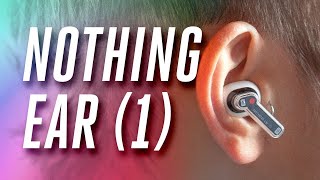 27
27
 28
28
 29
29
 30
30
 31
31
 32
32
 33
33
 34
34
 35
35
 36
36
 37
37
 38
38
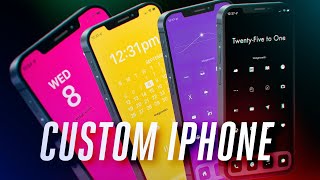 39
39
 40
40
 41
41
 42
42
 43
43
 44
44
 45
45
 46
46
 47
47
 48
48
 49
49
 50
50
 51
51
 52
52
 53
53
 54
54
 55
55
 56
56
 57
57
 58
58
 59
59
 60
60

2022 Mercedes-Benz EQS: an electric S-Class with over 400 miles of range
The Verge
OnePlus Watch review: boring looks, basic features
The Verge
DJI Mavic Air 2S review: new sensor makes all the difference
The Verge
Apple Spring 2021 event in 11 minutes
The Verge
How glass fiber is shaping the internet
The Verge
Apple AirTags: the most Apple
The Verge
Samsung Galaxy Book Pro and Pro 360 first look: OLED for $999
The Verge
New M1 iMac review: slim and stylish
The Verge
Android 12 preview: here's Google's radical new design
The Verge
Google I/O 2021 keynote in 16 minutes
The Verge
M1 iPad Pro (2021) review: dream screen
The Verge
Ford reveals the new electric F-150 Lightning truck
The Verge
Epic v. Apple trial is over. Here’s everything we learned.
The Verge
Apple WWDC 2021 keynote in 23 minutes
The Verge
The best demo at WWDC 2021
The Verge
Sony WF-1000XM4 review: silence to my ears
The Verge
Watch Elon Musk deliver the Tesla Model S Plaid
The Verge
Racing two of the most powerful e-bikes
The Verge
Sony A1 review: A fast camera in a fast city
The Verge
Microsoft Windows 11 event in 7 minutes: Android Apps, New Start Menu, Free Upgrade
The Verge
Windows 11 beta deep dive: new design, dark mode, and Start menu
The Verge
iOS 15 and iPadOS 15 preview: the good, the bad, and the weird
The Verge
Watch Jeff Bezos launch into space on Blue Origin's New Shepard rocket
The Verge
Apple’s MagSafe Battery Pack doesn’t provide a lot of juice, but it sure is nice to use #shorts
The Verge
Google Pixel 6 and 6 Pro: I held both. Here's what you need to know.
The Verge
Nothing Ear 1 review: nothing special
The Verge
Valve Steam Deck hands-on: $400 Switch-like portable gaming PC
The Verge
Galaxy Z Fold 3 and Z Flip 3 hands-on
The Verge
Galaxy Watch 4 and Galaxy Watch 4 Classic hands-on
The Verge
Samsung’s August 2021 Galaxy Unpacked in 10 minutes
The Verge
Google Pixel 5A review: bigger battery, lower price
The Verge
Samsung Galaxy Watch 4 review: gone Google
The Verge
Samsung Galaxy Buds 2 review: more buds, less problems
The Verge
The REFINED foldable: Galaxy Z Fold 3 review
The Verge
Snapchat's new AR camera can identify the world around you
The Verge
Z Flip 3: actually it's fashion
The Verge
Hands-on with Facebook and Ray-Ban’s $299 camera glasses #Shorts
The Verge
How to customize your iPhone - iOS 15, App Icons, and More!
The Verge
iPhone 13 event in 15 minutes
The Verge
GoPro Hero10 Review: It's fast.
The Verge
iPhone 13 review: worth the upgrade?
The Verge
iPhone 13 Pro review: attention to detail
The Verge
Microsoft Surface Laptop Studio: what the what?
The Verge
Microsoft Surface Duo 2 hands-on #Shorts
The Verge
Microsoft Surface Pro 8 first impressions: worth the wait?
The Verge
Microsoft Surface 2021 event: Pro 8, Duo 2, Laptop Studio, and more
The Verge
New iPad Mini review: middle child
The Verge
Windows 11 review: an overhaul in progress
The Verge
Surface Pro 8 review: the best of both worlds
The Verge
Facebook and Instagram 'stoke division and weaken our democracy,' whistleblower testifies
The Verge
Springboard: The Secret History of the First Real Smartphone | Official trailer
The Verge
Apple Watch Series 7 review: watch before you upgrade
The Verge
MacBook Pro event in 13 minutes
The Verge
Google Pixel 6 and 6 Pro hands-on: big screens, big ambitions, small price
The Verge
Google Pixel 6 event in 12 minutes
The Verge
Android apps running on Windows 11
The Verge
MacBook Pro with M1 Pro and M1 Max impressions
The Verge
The DJI Action 2 is like a modern GoPro Session with magnets #Shorts
The Verge
AirPods 3 review: new shape, new fit
The Verge
Google Pixel 6 and 6 Pro review: flagships found
The Verge
More on: LLM Foundations
View skill →







![Run Any AI LOCALLY for FREE Forever! [100% Beginner Tutorial]](https://i.ytimg.com/vi/8GFPZRgtEn8/mqdefault.jpg)
Related Reads
📰
📰
📰
📰
ChatGPT for Eco-Friendly Living: Small Changes That Add Up
Dev.to AI
What If the Future of AI Isn't About Generating More... But Generating Less?
Dev.to AI
Integrating Open-Weight LLMs Into Your App: A Hands-On API Guide
Dev.to AI
5 AI Skills to Boost Freelance Rates by 50% in 2026
Dev.to AI
Chapters (22)
Intro
4:37
Claude Code Origin Story
5:32
Boris on Not Coding
7:27
Opus 4.5 Breakthrough
10:34
Who Uses Claude Code
14:05
Cowork for Everyone
20:13
Busywork Automation Wins
22:35
Trust and Verification
27:31
Agents Explained
32:52
Privacy and Prompt Attacks
35:51
Everyday Cowork Tips
40:14
Hayden on AI Privacy Fears
41:27
AI Data Risk Framework
46:52
Anonymization
49:55
Training Data Reality
52:25
Claude Gmail Terms Trap
54:54
Gemini Privacy Advantage
1:02:19
One Assistant vs Many
1:06:48
Undoing Gmail Access
1:10:44
RAM Crisis Phone Upgrades
1:16:27
When to Buy
1:21:20
Wrap Up
🎓
Tutor Explanation

 DeepCamp AI