Webinar: UX Careers with Patrick Neeman
Skills:
UX Research60%
Key Takeaways
Discusses UX careers and how to break into the field with Patrick Neeman
Full Transcript
Today we're talking about how to get an awesome job crossing over from another position maybe portfolios, job interviews, and generally how to get started in UX. My name is Lee Chambers. I'm one of the co-founders of UX Mastery. We're based in Melbourne, Australia. It's currently a cool overcast 9:00 a.m. Sunday morning here. I've got a little crack in my throat, so apologies in advance about that. And sitting not too far away from me with his sketch pad and pen is Matt McCain. How are you today, Matt? I'm great. I um I've got my coffee. I've got my sketch pad. We're going to try this little experiment where I'm going to sketch note our webinar. Um if I'm a bit distracted in the conversation, it's cuz I'm trying to do several things at once. But um that's okay. It's all good. We'll see how it goes. If it's too hard, we'll can it for next time. But it should be fun. Very good. Very, very good. And we're also very lucky to have with us today Patrick Neman all the way from Seattle. How are you Patrick? Pretty good getting over a cold and enjoying the Seattle rainy weather. But yeah, doing fine. Lovely. Um, tell us a bit about who you are and what you do. So, my name is Patrick Neman. I'm a director of product design at a company called Appto. We help companies manage their IT spend. you know, companies like American Express, uh, Starbucks, Amazon, Walmart, or not Walmart, um, Microsoft, pretty big companies. Before that, I worked at a company called J or a couple companies before it was called Job Vite, directory UX there. And Job Vite was a a company that provided a national contracting system. So, uh, we interviewed over 100 recruiters and hiring managers. during my time there. So, we completely understand the hiring process and I got to talk to a lot of really cool UX types while I was working there. Very good. So, you got good experience from both sides. Um, and you you've also uh you also run the uxrinking.com. That is correct. I actually run two things. I run something called usability accounts. It's a blog that has uh over 45,000 words about advice about being in the UX field. And I run the UX working game which uh recently was featured in a pragmatic marketing which is a product uh management training um webinar and event company. Excellent. We might uh kick into some questions now. Um just over a week ago, UXMaster launched uh community forums at community.xmastery.com and we've been having some great conversations in there. Um some people asking questions they'd like to have answered for today's webinar. So thank you to all of you who submitted questions, some great questions in there. Got the list here in front of me. Um and we'll go through them with Patrick. Um, if you've got a question about landing a UX job you'd like Patrick to help with, then um, you should be able to submit it in your Goto Webinar control panel, um, and we'll see that. We'll get to them after we've done these ones that have already been submitted. So Patrick um first one here we've got from Armen's asking how can I increase my job opportunities when I live in an area where there are no study or work opportunities for a UX specialist I've had some success writing on medium.com and other sites but what else can I do for my career? Basically the first question I ask is where do you live? Uh the second question um that there are a lot of areas of the United States for example where they don't have UX specialist roles and what I encourage designers to do is to do a lot of the UX uh activities as part of their design process with customers. There's nobody telling you that you can't do personas, you can't do usability research, you can't run focus groups, you can't do wireframes. You just go ahead and do it. And then when you get to to the next client, you show, hey, this is the work I did for this one client and you actually use it as part of your portfolio. Uh, one of the examples that I use I can use that's really relevant to my life is last weekend we participated in an event called Startup Weekend here in Seattle. And we actually went through the process of building a whole prototype including um, and I'm gonna Is there a place where I can type the URL? in and this I'm gonna go ahead and put it in the chat window. Um I'll write the URL, Patrick. Yeah. So, we we went through the whole process of doing a prototype. We did a presentation. We were competing against 10 other startups and um we won the design portion and all the designers that I brought along to the event, they're using it in their portfolio to show, hey, look, this is the UX work that I did that we did. We did research. We did some usability testing. It was a lot of fun. Excellent. So, I think Armon was in Armenia. Um, there's not not a lot of sort of grips around there. Um, you look around. Yeah. Do do side projects too. Side projects are awesome for for doing stuff like this. Excellent. Second question from Carrie. Um, I am currently working as the only developer on a web project. I'm finding the experience terribly lonely, isolating, and becoming increasingly depressed. Especially as I do not have anyone to bounce ideas off and lack some understanding from fellow colleagues leads to the assumption that my work is easy or or they could do better. Our work is so easy. Have you had a similar experience and how important do you think it is to be able to share ideas? Uh I I think it's really really important to share ideas. There's this wonderful thing called Twitter where you can go ahead and follow a whole bunch of designers and and they're all over the world and I actually do this a lot. Um, and they reach out for me for a Skype call and we share the work that we're doing and we get feedback and it's kind of like a remote usability test and it's very very powerful. uh most designers are very introverted because of the emotional nature of our jobs and that is one outlook outlet that you can do to kind of do that. Um another thing that you can do is once you get on Twitter or once you get to start going to meetups you can actually invite designers out for coffee. Um, I actually live right across a right above a coffee place. And so we're there all the time. Probably about like once or once a week or once every couple weeks where I'm meeting with a designer. We're talking about our work and really uh exploring the kind of design stuff that we're doing. Very good. Another question from Cassandra. Um, I've been attempting to break into a UX designer position for a few years now. I have a few years of web design and front-end development. Available Available positions are for mid-level or senior UX designers. If I can't afford UX schooling and have limited UX experience, what's the best course to breaking into this career? That's a really really tough one. Um I I just recently hired a junior designer at at Aptio and um we're tra like he he had a really really good mind for UX and and V in this visual design stuff is is great and we're actually training him but he was kind of lucky because he found an opportunity where he can get onto a bigger team and actually learn from other people. Um that's what I would like that would be the first thing I would say is look for companies that might have junior people or junior positions open. I know that's kind of hard. Uh, another way that you another way that you could do it again is you could reach out to other designers that are more senior than you, do side projects or do other work and then show them your work. And that's almost as good as um almost as good as working with them directly. And and another thing is like another way that you could do that if you have a web development I was looking at this you have web design and front-end development experience. What you could do is you could go somewhere and use those skills. go somewhere where they already have a senior designer working and you say, "Hey, look, these are the skills I have. I want to work with this designer. I'll do this web development and and design stuff for a while, but I really want to pick up interaction design." That's the way that most of the junior designers did. They broke into the field. So Patrick, um just kind of off the back of that, uh if you don't have a visual design background, is that a hurdle for people do you think? Uh I I actually don't. Um one of the one of the the prototypers I have at work, uh he he has a a background in informatics, which is basically the product I'm quotes here, product management uh degree at University of Washington. And so he's a he's a programmer and he has an interaction design background. And so uh he's been re instrumental in helping us create a prototype for for the company. And I actually value that skill set a lot because he thinks of a lot of things that we don't think of because we're we're designers. We don't really we don't totally get involved in all the technology. That's a good point. [Music] We got another question here from uh Pitchy. He says uh I started life in a VA role and later moved into development. Recently I did solo job designing and building an in-house system for a small business where I particularly enjoyed getting back into requirements analysis, wireframing, etc. I'd like to do more of this kind of work. Do you know if there's much of a market in the UXD world for back office business systems or does the money tend to go to customerf facing products? Oh, this is a great this is an awesome question. Um, where I work at is heavy heavy enterprise. It's it's spin. It's B2B. If you find the right companies, it's a huge market. But from two the two perspectives, the first perspective is they're always looking for people that understand businessto business systems because they're a lot more complex than developing say an iPhone app. And the second thing is uh and this is this is the story that I that I tell people just me being an enterprise it's it's literally 20 years of job security. Um as technology improves and as the products improve uh the younger generations are actually expecting more products that work that work like an iPhone or iPad. And so having a great user experience designer on staff is very very important. Does that does that make sense? I mean basically like like the the the upper management I work with are basically saying yeah we know you have to have the backend thing but they also realize that user exper a great user experience also sells sells the product. Yeah. And that that's going to increase demand for the for people like us which is awesome. The pay is great. So, it is they're very good. Excellent. We've got a few more questions coming in now. We've got one from Tim. Tim says, "I'm just starting out with UX, conducting focus groups, doing usability testing, and now creating personas. Uh, do you have examples of a good portfolio design?" Uh, there's actually I'm I'm going to type it into the window and you guys can move it across. Um, Matt can put it on the sketch there. Yeah. So there there's this one portfolio that that I I point people to uh Lori. She she's some assistant designer that I mentored that that's now working for Amazon Lab 126. She one of the her portfolio pieces tell us this great story about how they went through all the research and she talked about personas and she did all this stuff and it was a three-day project and it tells an amazing story. There's a there's a lot of information about UX portfolios online. Um we've just UX Masteries just put out an ebook about um getting started in UX and part of the bundled uh bonus extras with that uh ebook is a portfolio template and a resume template. And that that resume template is actually Patrick's one. You want to tell us a little bit more about what went into that, Patrick? Uh so the resume template was something that I actually developed when I was working working at job fight about uh about six years ago. Um I went through a quote layoff and I realized that my template was horribly out of date and so I had a copywriter rewrite it and then when I got job which is an applicant tracking system I actually tested my template through job bite over and over and over again until I got to a format that I knew that worked perfectly in most applicant tracking systems. Um, I also did quote usability testing quotes um on showing it to to recruiters and everything. And the template basically states, hey, this is what I did at a job and then these were the goals that that I achieved. For example, if you worked at a job like um like an e-commerce site, then you could talk about how you increased uh shopping cart conversion 5%. And that's that's the kind of stuff that recruiters are looking for. Excellent. It's excellent advice. Got a few more questions rolling in here via the forums. Uh UXer asks uh why is it that sudd suddenly everybody wants to be in UX? Is it because they want to be in technology but don't know don't want to learn code somehow became trendy [Laughter] I've seen over time. Sh should we should should we describe what UX is to to start the to start the discussion? Sure. Let's go. So okay. So, so the way that I interpreted UX myself is it's an overarching discipline that includes interaction design, content strategy, visual design, front-end development, and then research. And there's a couple others in there like information architecture. So, it covers a lot of ground. And so, when you have a UX team and you look at the people in the room like at Aptio, you're like, how did these people ever get into the same team? I I have the most It's not like a whole bunch of product managers sitting around. It's like literally wow they all have very different skill sets. How do you manage that? Um I think the reason that people the people uh got into it was because of Apple you know the iPhone's a wonderful product. Oh I want to develop iPhone apps for that. What they don't realize when they get into UX is you just don't go off and get to create a product. You actually have to collaborate um with a whole bunch of different groups of people and like product managers and developers. and they don't realize that they think that they're gonna be able to design a product on their own. What it really comes down to is you don't design the product. You actually just facilitate good design. Does that make sense? I think I think that's exactly what what this person's asking. I mean the connection between the business strategy and the design team to sort of provide value for the customer is sort of that expression of the facilitation as you say. Yeah. I mean the what what I like it is a lot of the products that I've worked on have been in front of millions of people. Like I I was doing some work at Microsoft and the potential was half a billion people and that is just it's a huge driver for why I like being in this field. I I know that Jeff got in his lean new textbook talks about that exact point too. He talks about how um one thing that we need to learn as designers is that we are design facilitators and that everybody has valid input to influence the design and we need to be prepared to to create and instill a process where that collaboration and that input is synthesized and and you end up with a you know the synergy of the team to you know without wanting to use too crazy a buzzword. um yeah to end up with a great result. Yeah. Yeah. And it's really hard to create a a design culture. I mean creating the right environment where that collaboration actually respects all roles is really really hard and and what's even harder about that is like a lot of other people think that um you know every they think that everybody can be a designer and they don't understand that a lot of us uh have spent years and years of beating our heads against a wall to really understand what good UX is. And so on that point because that's that's something that I've really struggled a lot with in big um enterprise clients and that's the idea of championing and justifying and selling user experience as a valid focus. Um what has been your experience with that problem and how have you overcome it? It it really depends. I mean it it having a design influence culture is really top down and what you what you do is you have to start you know pounding their head more with data like you know where I'm working at now we're just starting to get into data driven design that we we're collecting immense amounts of data on how our customers use the product yet nobody had bothered to analyze it and so one of the things that we've been working over the past few weeks is like hey we got all this amazing data once they saw it like the light bulb totally turned want there you can illustrate a light bulb. Um, and now they realize instead of just guessing, doing a lot of asking the customers what they want, now we know what they're using and that totally transforms the conversation. Many companies never get to a design influence culture and it it hurts their bottom line. Yeah. Right. And so, sorry to um to hijack the the question thread. This is a bit selfish of me, but I'm really interested in this stuff because like I've had those jobs. And so, for your career, is it best if you're in that situation where you're in an organization where you can see that they don't get it and you're not a behavior like you're not an or change consultant, you're a UXer. Should you just acknowledge that there's only so much that you could do and and cut your losses and move on and find a work environment where you can thrive and learn or you know like part of the stubborn um consultant in me wants to go no I can change this place I can really make a difference here how how do you that's that that's actually a really good point like like I've been in places like you know I've been presented with situations fairly recently where like you know we've had consultants in there um and literally Change doesn't happen overnight. Like what like there there being a UX consultant that there are like two different approaches. Being a UX consultant you're there to say hey there are all these things that are going wrong. There are some periods where you can fix. However, when you're inhouse and I'm moving my hands around when you're in house that change comes much slower because you have to put all these pieces in place. You know, for example, many companies, uh, I think it was Scott Berkin had a a a book about this, you know, a year without wearing pants or something like that that actually talked about the that talks about how change has to be slow and you have to do it one piece at a time. And you have to involve a lot of people in and a lot of people do understand what design means, but they don't know how it changes their job. And so you have to gradually educate them across the organization about hey this is what it really means and it's a very difficult conversation because it actually involves them sharing a piece of their of their of what where they find pride. Like a lot of people they want to be involved in the wireframing and they want to be in this but they don't understand what the wireframing means and how it's an expression of a of a of design thinking for example. Yeah. Cool. Um it's often said that the best way to learn UX is to uh do it. But what aspects of UX do you think um can't be taught Patrick? Uh system design is system design and acknowledging patterns and seeing patterns in information. I don't think that's that can be taught. Like one of the reasons I really enjoy this job and I I I feel I'm successful at at it is I'm able to distill uh systems into objects and patterns. I see patterns in everything. I don't think that's something that can be necessarily taught at a very high level. Um, some of the soft skills are a little bit challenging for us because it involves a lot of times you have to disagree and commit where you disagree with a concept but you still have to follow the business needs and that's actually a really hard skill to teach. Um, the visual design stuff is really really tough. Like visual design is is under UX and either you have it or you don't. Does that make sense? Like like spatial design from information design for example. There are a lot of illustrators out there that do uh that that do visual design but they don't understand the structure of a page for example. So you were talking before about how um UX as a as a field has a very broad range of skill sets and things like that. So if people didn't necessarily have the visual skills um what sort of things could they head towards? content strategy, UX research, information design because they can still sketch out on a page. Uh information architecture is an art form on itself and it's one that a lot of teams have a missing uh component of um which is taxonomies, understanding how information is structured. Um there we go. And um what's another one? Prototyping. I mean, if you have a programmer background and you learn interaction design, that's huge. That's very true. Uh, Jen asks, "I find it difficult to overcome the hurdle of not having five plus years of experience in UX. How does one get their foot in the door without years of UX experience? I come from a visual design background but have several users in that field." Yeah. Like like um I I'll use the example of like one um recruiter that I talked to. Um, I actually wrote an article about it on my blog, how to get into UX. And um, who is it? Uh, Mary Gillian, I think is her last name. She we we she gave me a call. She we outlined what I thought the steps were to to break into the field as a non-designer. She followed them step by step. And now she's a web producer that does user experience where she directs the team at an interactive agency. And like when I when I I didn't actually write the article until after I had the call with her, but like when I look back, it was like, "Oh yeah, totally makes sense." A lot of times what you can do is you can work at a company as like a web producer, say, "Hey, look, I'm a project manager." And then as you start working there, you can get more and more involved in the interactive process. Um prototyper is another one. Um account manager at agencies is a huge one. Um pro product manager sometimes they can make the shift. Um, if you're a programmer and you can make the shift, it's it's it's actually pretty easy. I think has a related question. Sorry, I was I was just going to add to that and talk about my own experience and that is that I came from I did work as a programmer for a while and then as a visual designer and and moved across. And I think a lot of people get hung up on this idea that I'm going to find a UX job and it's going to be I'm going to be a UX specialist and that's going to be my job that I get and I'll do everything right and then I'll get that job. And I just think that you need to work towards this stuff and you need to kind of be working in a role that may not have UX in the job title, but lets you kind of dip your toes and do bits and pieces along the way where you're working on a web project, you're involved with the team, you can, you know, put your hand up for stuff as it appears. And like Patrick was saying, just make your way kind of sideways shifts. We talk at this talk about this a little bit in the in the book, right? Where a bunch of ways that you can get exposure and experience is to be kind of working on a web project and volunteer to do some guerilla user testing or um you know, put your hand up to have a crack at some wireframes and and move across that way. And I think that's that's a lot of uh I see a lot of people really hung up on getting that perfect UX job right out of the gate. And I think you just need to look at the long term. Yeah, it it doesn't happen. Can I add to this too, please? Yeah. So, I I'll give you an example like when the way that I broke in to the field was um I'm playing with my headphones here, but the way that I broke into the field was as I was a print designer. I actually uh volunteered to work for a political campaign as a direct doing all the direct mail and all their branding. Um at the time, I didn't know it, but it turned into the most expensive US congressional campaign in 1994. uh the the guy that was the campaign manager went out to study internet company said why don't you join that was 95 I did a lot of site projects to learn more about the web and look where I'm at today um when I interview interns for aptto I frankly sick of seeing um I I I have a hard time with seeing just school projects because I have not gotten anywhere easy and I need to see people that make the extra effort to go projects outside of school. We just recently hired an intern. He not only did school projects, but he's also has illustration capabilities kind of along the lines of what you're doing, Matt, right now. Uh he used to be an architect and he went out and did a whole bunch of side projects for getting paid for very little and illustrated his thinking and talked about personas and talked about how he dealt with clients and he was by far the best candidate that we interviewed. because of the because of the side work that there's no there's no easy way. You can't just expect anybody to say, "Hey, why don't you come work here? We're going to train you." That's not the way this field works. It's true. Totally agree. Um what about what about uh internships? Like if you offer yourself to a company as an intern, the the the what I tell people to do is uh follow companies on Twitter. Uh follow people on Twitter. Ask them, "Hey, is there an internship?" Um, US is a little bit tricky right now because there's a lot of legal issues about that, but um, there's a lot of smaller startups that are willing to ignore like, hey, you know, will you intern for free? You just got to have your spidey sense about like if it's useful or not, but like if you try that, if we do the startup weekend stuff or anything, there's a lot of opportunities to to learn more about the field. And a lot of it is just kind of following the templates that show this is how UX is done. Excellent. We've got uh quite a few questions coming in here. Thanks everyone for adding questions. We'll see if we can rip through a few. Suma asks um I am a service designer looking to work in UX who understands design process but I don't have any portfolio which showcases UX skills apart from my academic projects. So I guess are you are you is she working full-time as a service designer? I don't know. Maybe Sumo if you could um clarify. I guess so. project with with that like the the process and the the process and the personas and all the research you could actually use that as your portfolio because there's there's a lot of u I really like the field of service design and I think there's a lot of value of showing like your thought and how it would apply to their companies doing web projects for example right um Michael also asked a related question. I'm currently working in a full-time role, not directly in the UX area. How can I get the adequate qualifications in order to land my next UX job? What What's the full-time job title? Michael, what what's your full-time job title? Yeah, I suppose that really depends on on the job title as to how you would go about that. It's he said designer web designer. Graphic designer. Graphic designer. Print. Yes. Yeah. Okay. So, does he work at a place that's doing web stuff? Should we try un unmuting Michael and he can actually come into the conversation? Is that too Can I join you, Michael? Yes. So like if if there's another designer working on the web stuff, um actually do some research, figure out what what personas, what are the user goals for the websites that you guys are doing and actually use that to develop your portfolio. You with us now, Michael? Yes. Hello. Cool. Does that answer your question? Did you want to um dig any deeper there? Um yeah, I've been working in the public sector information design and information architecture. Oh my yeah I I mean yeah you shouldn't have any problem then because if you could show some of the taxonomy stuff and some of the site architecture stuff that you're doing as your portfolio piece that's pretty powerful. What about Michael's point of qualifications? Thank you. So, we recently published a an article on UX Mastery listing a bunch of degrees um and yes, ways that people can get some kind of formal accredititation. Uh what are your thoughts on academic qualifications in UX? Patrick uh being the the college dropout three times um co there there are very few schools that I look to like Carnegie Melon where I think the value is absolutely there like University of Washington here they're actually doing they're trying to orient themselves the problem I'm running into is that the the education is good but they don't have the work they don't have the right profile for the kind of stuff I need. And so I I actually look to the side work to see if they can develop the skills to be an interaction designer. So Michael, have you had a specific experience where you've been asked for qualifications and told that it's a roadblock? Um no, not really. But for my future career advancement, um I've been looking towards a communication design um postgraduate Yeah. Well, you know what you could do is you could email email me on the side, contact me off my blog and and I could probably answer you a little bit more directly. I'm pretty sure that Luke and I can help you out there, too, because um we actually know Jeremy who runs the communication design program at RMIT, which is I assume the degree you're looking at. So, um, I'm sure that Jeremy would be more than happy to take a few minutes and have a coffee with you and chat about the the course and see whether it's a good fit for you or not. Okay, thank you. No worries. No worries. Thank you, Michael. Uh, Jeffrey asks, "How did you manage UX process? How do you manage a UX process in an agile environment, for example, if you question I I I get this asked a lot like agile? Okay, so a little backstory. I used to work for a magazine company as a print designer. We had magazines going out, four magazines to five magazines a week. My whole life runs on weekly sprints because I've worked on a lot of publishing places. Um, I just view agile as a series of checkpoints and always building to those checkpoints. So like you're able it's okay to spread like research out over four weeks but the but the the two week sprints it says okay what does this look like now and then it just allows you to course correct I don't get I I don't get as fear as fearful about agile than most other designers because I don't know what the problem is. I was doing agile in 2001. In fact I was doing it in 1999 even before we knew it was agile. So I don't see the big deal. Yeah. Um and do you want to make a quick comment on on also how sort of lanux relates to that? Uh so I've actually done a few projects around lane UX uh lean UX philosophies. Again back to that I was doing lin UX in 2001. Um basically you do a very minimal idea. You start showing in front of users and then and then you keep moving forward. There was a particular case study out of the Eric Reese book uh about Wayne startup where they were actually doing the product process for the customer totally non- tech. It was around um when we think about this, it was around they were helping consumers select menus for the to cook for their family and they would actually go out to the home, ask the customer a whole bunch of questions and then go out shopping for them. And they learned a lot about the process and the pain points and it helped develop their product. And it was totally by hand. Very good. Um, Rachel asks, "Uh, what are the most important qualities you look for in a UX candidate?" I have this there there's the soft skills. I'm actually looking for more quieter designers. Um, I I've had the experience of hiring more extroverted designers and I actually find it's uh it's actually detrimental to the process because they don't listen enough. I look for people that listen. I look for people that have soft skills that that can kind of like they they'll they'll stand their ground on certain ideas, but when they know they have to ship, they'll back off of it. Um there there's this matrix of hard skills around several different areas of UX that I actually um that I actually look for and if I get three of them, then I'm pretty happy. And I look for system design, a lot of process. Like I want them to be able to adequately break down an idea into smaller pieces, but then put that idea back together into a larger concept. So Cassandra asks a related question. Uh thinking about presenting that in a portfolio. So with portfolio and resumes, how do we wow a recruiter and a hiring manager for UX position? It's back to that one uh liori portfolio. Like basically I'm looking for step-by-step thinking. Um having nice formatted wireframes is you know it's it's it helps but what I'm looking for is a very methodical process of the way that they designed it. And I'm looking also looking for research like um might have tweeted this last night. If you don't understand the user goals then how can you design? So you're putting that sort of together to be able to tell your story of a project. Yeah. Wireframes and showing some process. Yep. It's a lot of it's ability that tells stories. Like there's this one project that I did. I use it. I use them as an example. Friend of mine runs a chiropractic business in Long Beach, California. I show the homepage. I don't even show wireframes. Bob Bob the chiropractor. I'm gonna I'm gonna you know, everybody's going to go there now. I show the homepage. I talk about the personas. to talk about some of the research that we did. I did it all for beers and like reduced rent on a condo that he was running to me and um we put together the website. We were getting 8% conversion rate. We made one single change or a couple of changes and it went up to 12% overnight and all I do is share the homepage and the Google Analytics conversion tracking page and it's an incredible story. Sounds good. I'll be really interested to see that. that's um putting together a portfolio is something that um I haven't done in the past, but this this last month or two as we've been focusing on that kind of stuff for UX Mastery um I've been getting my head around a whole bunch of that stuff and seeing people's portfolios and the way different people do certain things is uh it's fascinating. So yeah, no, it's it's it's really fascinating. I think that's the point that I felt like I had um could justifiably promote to the world that my role was UX designer and not just well not and not web designer. And that's when I felt like I'd refined my process to something that I could rely on. So like yeah, if if you don't have a process, then start thinking about it. Start learning from other people's processes and start um working out what it is that that you can rely on to be methodical in terms of getting a good result. Yeah. I mean, a lot of the UX stuff I do like I I'm quite honestly like I mean you guys can see it kind of behind me in my apartment like everything's at a 45 degree angle. like I have this certain UX process that that I've done over and over and over again because I know it works and um you know it's about doing you know getting data getting validation talking to users understanding the different groups of users and designing against it and I just keep doing it and it works and I change it every once in a while but like once you have that kind of like that process and that that pattern down then it actually makes it makes it a lot easier to design and commit on this is what we need to do. Very good. We've got about 15 minutes to go, so um we'll rip through a few more questions, but then after that, we might need to continue the conversation on the the forums. Just um getting back into some questions. Brittany asks, uh my background is user acquisition, marketing, and research. I have a masters in sociology. I'm planning on getting a masters in human computer interaction starting this summer. Do you think that it's necessary because of my background? I don't want to take on debt if I don't have to. where where where she lived. Britney, do you want to chip in Chicago? You could probably get a job right now with your background in doing user research and some of that and some of that stuff. Um, the the HCD background might help you learn how to do wireframing and understand information architecture. that might be the one area that you're missing. Worth mentioning um a bit about establishing a network too. So we talked about Twitter before, but having uh like going along to a bunch of meetups and meeting other UXs and other people that are in the industry and uh networking is going to be just as valuable or more valuable than trolling job sites. So, like you want to open up as many opportunities as possible and just I guess starting down this path of making sure that you've got that degree and then applying to stuff is one way to go about it. But if if you're connected, if you've got your finger on the pulse about what's happening in your area and you know who's who, that's where the opportunities, that's where the gold opportunities come from. So, so, so, so I'm gonna I'm gonna I'm gonna pump up my Twitter feed. If you go to my Twitter page on usability councils on Twitter, I have a whole bunch of designers actually categorized in metropolitan areas and regions of the world that you can go follow. And um I I actually find that meetups are okay, but I I've built actually better relationships with people off of Twitter and um I've gotten a lot more information. And then when I'm local to them, I always, you know, hey, let's go have a coffee. Um there's a community that I'm involved with that I'm actually involved in with Matt that uh I've I met a lot of the people off the group and it's awesome because you get to establish that um that personal connection which is better better than going to a meetup. There's another thing that I'm going to mention about the the whole networking thing. Uh there was a study by a man by a sociologist by the name of um man uh Mark Branovetter and what he did was he studied that he found that 50% of percent of people got jobs through something called a weak tie. Like for example, I'm friends with Matt. Matt is friends with Luke. I ask Matt, hey, do you know any designers? And Matt goes, Luke is a great designer. Luke in my world is a weak tie. So, if you network a lot and you find people of different um not just designers, but people of different um skill sets, then you're actually have a better chance to get a job. A a famous um strategy for this is instead of going to meetups where designers are at, go to meetups where developers and product managers are at. And and I guarantee you, you'll be one of only a few designers there. It's a good tip. Uh like one of the interns that I that I we brought into Appio, I met her at product camp, not not at UX event. Patrick in Gway asks, um, I'm working in graphic design in print. Um, wanting to move over to UX. I'm thinking of one day per week working for a UX company to get some experience. Would that be useful or should I try and do a longer block of time with offering graphic design skills? Why don't you do do it start doing it now because I'm a former print designer and then see how it goes. I think it's a good idea. So one day one day a week would be enough to Yeah. And then you can start doing side projects too to kind of play around too. Allison asks my current job is my current job title is digital designer. Yep. During my work, I create wireframes and development notes on functionality as well as a final interface design to produce apps. Does this qualify as user experience work? Excuse me. Um, yes, absolutely. Any day of the week. And then what you can do is you can ask them to change your d job title so it's closer to interaction designer or product designer or UX designer. Kariba asks, "Do you think that a background in psychology can be helpful in UX, especially when dealing with highly political company cultures every day of the week?" Yes. Psychology is a uh a big part of of both designing a user experience and um and and and facilitating it and and running things too because you understand how people learn, how you can teach, how they can communicate. Well, a little background on on HCD, a human computer interface. Um, a lot of it is related to pilots that during World War I and World War II, they couldn't figure out, geez, why are they crashing? And so, the the the US Army and the US Air Force actually did a lot of work in that area and that was the beginning of a lot of work around HCD. Um, also, uh, there's a lot of talk about how Henry Ford, for example, figured out how to make assembly lines more efficient based on the work he did that look looking at processes and looking how people use technology. Even though it's not computers, it's still very relevant to our field. Have you ever worked with a psychology on your team, Patrick? Uh, one of the people that I have on my team, she actually has a a she has a researcher background. Yes. um talk a lot about meta models and and that kind of things. Yeah, a friend of UX Mastery, Jody Mull from Simplicit, uh Simplicit's a Melbourne based UX consultancy that are doing very well. And um yeah, Jody is a former behavioral psychologist who decided to get into UX and and they're doing great work. And I think that that's a bit of a competitive advantage for those guys. Oh, absolutely. I mean, like I like looking back, I wish I knew more about this field. I'm a little bit older, so like I had a job before the internet. Um, but like I I just I wish I knew more sometimes in some of those more formal fields. Very good. We've probably got time for about another one or two questions. So, sorry to everyone who we're not going to get to today. Um, Todd asks, "I was previously a UX designer at my company, but I realized I could add more value as a product owner. So, I've since transitioned my role into that direction. I've been a product owner for about four months now and do really enjoy it. Seems very natural fit for a former UX designer. I'm still very passionate about UX though. If I were to look for a UX position in the future, would my experience as a product owner be an advantage or a disadvantage? Uh, as a former product manager and program manager, sure. Um, I actually have toyed with the thought of going back over the program product management. Um because I think having a UX background over there is very powerful and there are many many UX designers that are making the transition over to product management because it we we tend to identify better with the users than some of the other people that have have been in that role. Yeah. Um I'm giving a talk at a product management meet here in Melbourne um later this month actually. It's called product anonymous. So if anyone's in Melbourne, come along to Product Anonymous. Um because product managers are really interested in UX. There's a lot of overlap between the two roles. There's stuff that we can learn from those guys about marketing and market validation. And there's stuff that those guys can learn from UX's about visual thinking and about um user research as compared to market research. So um I think that that's there's a lot of overlap and there's a lot to be learned from both fields. So you're not going to hurt your UX career by being a product owner. Definitely. Yep. Very good. Final question um from Ben. Ben asks or he says, "Hey Patrick, thanks for spending the time to chat. Do you think it's more of an advantage being either a generalist or a specialist?" It really depends. Like um like I I live in I live in Seattle, so Microsoft is here, Amazon is here. Uh, one of the issues that I have with interviewing people from those both at uh, not Amazon so much but from Microsoft is um, they have a lot of specialists and so I have a generalist UX team and yeah, we can take a few more questions if you guys want to. Um, I have a generalist UX team and so I find specialists very hard to um, hire. It's back to the seven kind of disciplines of UX that I hire against. Like I include vis data viz in that in that like I tend to look for people that have at least two maybe three skill sets. They call it a T-shaped skill set set. For example, um I have a visual design background. I actually tend to go more towards information architecture and interaction design. And so I have more of a generalist skill set than some of the other people. And the area that I'm actually weakest in is research. If you're in real quickly, if you're in places like Seattle or San Francisco, they have specialist roles, but they're harder to find. In places like uh the Midwest or other areas of the world, then uh like outside of London, then you actually need to be more of a generalist because companies can't support that specialist role unless you're really really really good at your job and then you're a traveling consultant. So there's something in in being hired for perhaps your soft skills and your ability to learn skills on the job. Yeah. One more time. Repeat it. I'm not quite understanding the question. Um so for example, um being hired for your aptitude in soft skills and then being able to learn those sort of T-shaped the the horizontal part of your your T-shaped professional sort of stuff. Learn those UX skills in particular areas as a specialist later on. It's it's a little bit hard. I mean like um I've dealt with designers that were brought in without a lot of the hard skills and it's it's an uphill battle because then you know other managers come in and they're like why did they hire this person and it's great that they have the soft skills but then at one point or another you have to perform on the job. So it's kind of that that's kind of tricky. Very good. We got two minutes. Maybe we'll try and squeeze in uh one more question. Um, yeah, you can keep me after three. I don't, you know, as long as it doesn't work, we're not getting out of here after four. Okay, cool. Um, Tyler's asking about UX resources. So, he he asks, "If you could choose one book to be your UX Bible, what would it be?" I've got a suggestion. Yeah. UX Bible for what part? For learning UX or for breaking into the field? I don't know. I guess it would have to include everything to be a UX bible of everything said. Well, well, you're the the getting started in UX gives a really good general overview. Um the the one book I've been recommending lately has been Russ Anger's uh the UX project guide. I I forget the job title. Um, another one, Kelly Goto, has this wonderful uh book called Web Design 20 that was published in 2004 that I actually still recommend today. It has a really generalist view of how to do web projects and and it actually includes a little bit of pro product management stuff. And I'm not saying that because she bought me a drink, but you know, I actually like the book a lot. We'll dig we'll dig that out and um provide a link somewhere for that. Yeah, I think um that's us out of time. Thank you very much, Patrick. Um it's amazing set of responses to those questions. Um thanks also very much to all the webinar attendees for great questions and for joining us here today. Um just quickly, Patrick, can you uh let us know where we can find you online? So again, I run a blog called usabilitycounts.com, uh, which is where I have a UX career guide about, um, 45,000 words. Um, you can also find me in your guys's book, Getting Started in UX, off of UX Mastery. Um, I run a a Twitter feed called Usability Counts. Big surprise. Run the UX rinking game. Um, you also can find me on Facebook as usability accounts blog. you're seeing a trend. And then if you're actually in the Pacific Northwest, um I'm generally available for coffee when I can find the time. Very good. That's very generous of you. Thank you. Um how about you, Matt? Um I've just sent a broken link to our book. Let me fix that. Um so my name is Matt and along with Luke, uh we contribute to UX Mastery. Um, as we've mentioned a couple of times throughout the webinar, we do have an ebook out called Get Started in UX, which we're very proud of. Uh, Patrick is one of our featured interviewees, and we think that it's a really good overview of how to launch and shape a career. So, please go and check that out. Um, I'm on Twitter, Maddie McGee, which is a nickname that I've had for a few years, even though my surname doesn't have a MC in it. So, please uh hit me up on Twitter and say hi. Very good. And uh you can find me, Luke Chambers, um posting articles on uxmastery.com. Um I also hang around in the UXMastery community forums, community.xmastery.com. Uh my Twitter handle is luxra luk ha. Um I'd love to help answer any questions you might have about today's webinar. Great topic. Um, if you're looking for more practical advice um, in getting started in UX, um, as Matt said, the ebook is is going to be excellent for you. There's links on the website for that. Um, come and ask us in the forums. Um, finally, we're going to make sure to email all of you a link to the audio or video um, of today's webinar. Um, we'll see if we can trace up a transcript as well. Um, but I think that's about it. It's we're two minutes over, but thank you again everyone for joining us. Um, we'll see you in the forums. Hey, hey, can I give a shout out to some people that tweeted during the event? Sure, please. Yeah. So, Jen Blatz, uh, Jolly Zhao, um, Britney Vanin was was there. Um, Simon Catford, uh, Chris Class, I think he was in the event. Um, th
Original Description
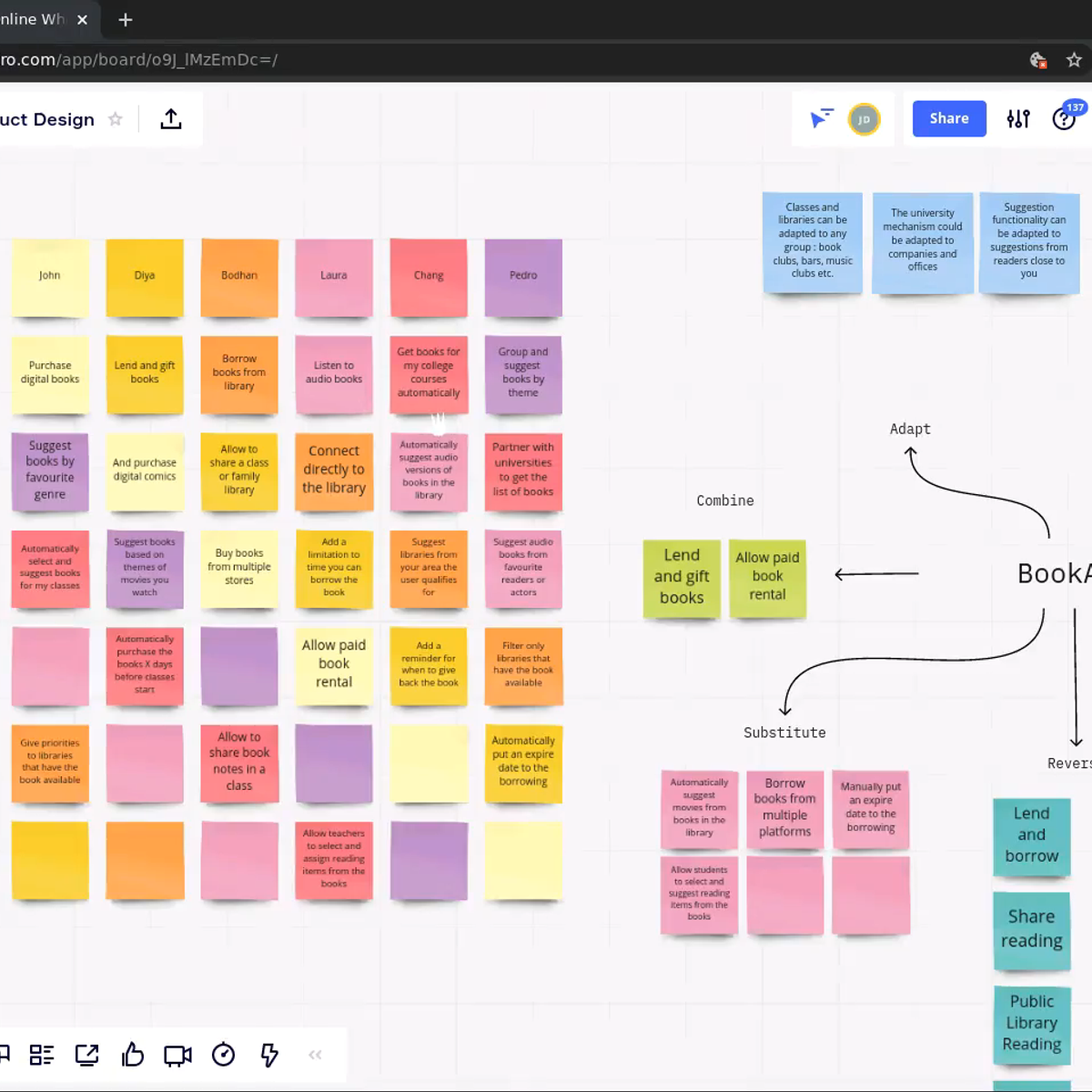
A recording of our recent webinar with special guest Patrick Neeman, Director of Product Design at Apptio and creator of the popular Usability Counts blog and UX Drinking Game, about how to break into UX, create a portfolio, and manage your career. Complete with live sketchnotes!
Note: a transcript of this webinar, and closed captions, are coming soon. Thanks for your patience!
Get Started in UX: http://uxmastery.com/get-started
Patrick's blog: http://usabilitycounts.com
UX Drinking Game: http://uxdrinkinggame.com
--
Can’t get enough? Follow us on our other social media and forums!
Community forums - https://community.uxmastery.com/
Website - https://uxmastery.com/
Twitter - https://twitter.com/uxmastery
Facebook - https://www.facebook.com/uxmastery/
Instagram - https://www.instagram.com/uxmastery/
LinkedIn - https://www.linkedin.com/company/3556372/
Watch on YouTube ↗
(saves to browser)
Sign in to unlock AI tutor explanation · ⚡30
Playlist
Uploads from UX Mastery · UX Mastery · 6 of 20
1
 2
2
 3
3
 4
4
 5
5
 ▶
▶
 7
7
 8
8
 9
9
 10
10
 11
11
 12
12
 13
13
 14
14
 15
15
 16
16
 17
17
 18
18
 19
19
 20
20

What the #$%@ is UX Design?
UX Mastery
Review of Magitest: Mobile User Testing App for iPhone
UX Mastery
Should UX Designers Be Able To Code?
UX Mastery
Design With Soul: Battling The Ecommerce Blues at UX Australia
UX Mastery
Web Direction South 2013 sketchnotes
UX Mastery
Webinar: UX Careers with Patrick Neeman
UX Mastery
And the Winner of the Optimal Workshop Prize Giveaway is ...
UX Mastery
Sketchnote of UX Mastery Careers Panel at Loop Bar
UX Mastery
UX Mastery Careers Panel, June 23rd 2014
UX Mastery
Get Started in UX
UX Mastery
How To Create A Customer Journey Map
UX Mastery
Better User Research Through Surveys
UX Mastery
Everyone is Different!
UX Mastery
How To Create UX Personas
UX Mastery
Contextual Enquiry
UX Mastery
How to Run an Unmoderated Remote Usability Test (URUT)
UX Mastery
Wireframing for UX: What it is and how to get better at it
UX Mastery
Diary Studies: Extending your UX research
UX Mastery
Ask the UXperts: A Practical Approach to Getting A UX Education — with Mads Soegaard
UX Mastery
The Rhythms and Habits of Successful UX Practitioners
UX Mastery
More on: UX Research
View skill →


![Brutally Honest UI/UX Reviews [LIVE]](https://i.ytimg.com/vi/-Rr2J16orfA/mqdefault.jpg)

![Refactoring YOUR Designs [LIVE]](https://i.ytimg.com/vi/NG_NgSDCOi8/mqdefault.jpg)
Related Reads
📰
📰
📰
📰
Astryx vs shadcn/ui vs MUI: 3 React design systems compared for 2026
Dev.to · Manu Shukla
The Button That Sent People to a Blank Form
Dev.to · Vicente G. Reyes
How AI is Transforming UX Design in 2026
Dev.to AI
Image Optimization in Next.js 16: The Complete 2026 Guide
Dev.to · Syed Muhammad Ali
🎓
Tutor Explanation
 DeepCamp AI