📊You have to understand how the Business works | Colin Zima #shorts #fyp
The modern data stack has transformed how organizations work with data, but are our BI tools keeping pace with these changes? As data schemas become increasingly fluid and analysis needs range from quick explorations to production-grade reporting, traditional approaches are being challenged. How can we create analytics experiences that accommodate both casual spreadsheet users and technical data modelers? With semantic layers becoming crucial for AI integration and data governance growing in importance, what skills do today's BI professionals need to master? Finding the balance between flexibility and governance is perhaps the greatest challenge facing data teams today.
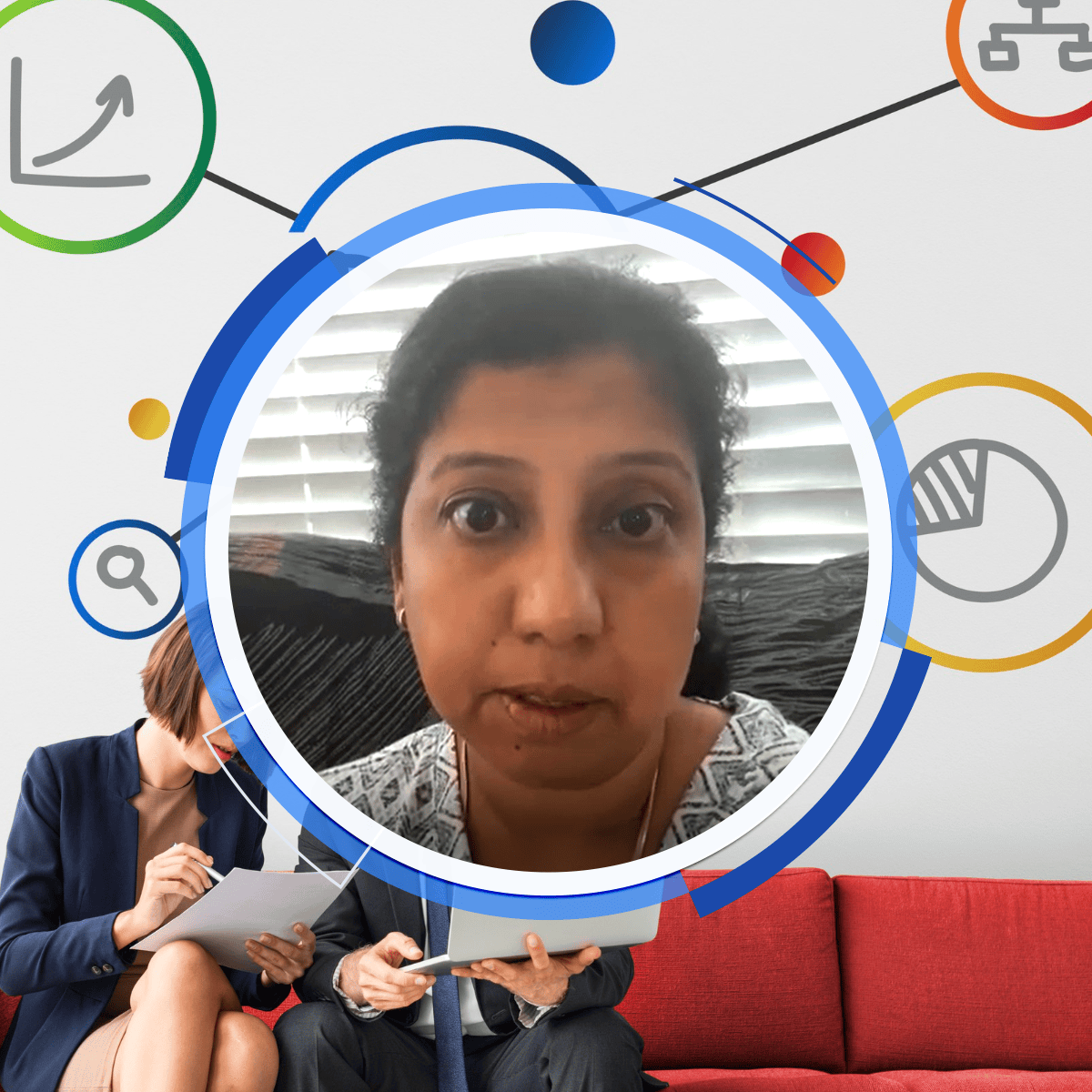
Colin Zima is the Co-Founder and CEO of Omni, a business intelligence platform focused on making data more accessible and useful for teams of all sizes. Prior to Omni, he was Chief Analytics Officer and VP of Product at Looker, where he helped shape the product and data strategy leading up to its acquisition by Google for $2.6 billion. Colin’s background spans roles in data science, analytics, and product leadership, including positions at Google, HotelTonight, and as founder of the restaurant analytics startup PrimaTable. He holds a degree in Operations Research and Financial Engineering from Princeton University and began his career as a Structured Credit Analyst at UBS.
In the episode, Richie and Colin explore the evolution of BI tools, the challenges of integrating casual and rigorous data analysis, the role of semantic layers, and the impact of AI on business intelligence. They discuss the importance of understanding business needs, creating user-focused dashboards, and the future of data products, and much more.
Find DataFramed on DataCamp https://www.datacamp.com/podcast
and on your preferred podcast streaming platform:
Apple Podcasts:
https://podcasts.apple.com/us/podcast/dataframed/id1336150688
Spotify:
https://open.spotify.com/show/02yJXEJAJiQ0Vm2AO9Xj6X?si=d08431f59edc4ccd
Links Men
Watch on YouTube ↗
(saves to browser)
Sign in to unlock AI tutor explanation · ⚡30
Playlist
Uploads from DataCamp · DataCamp · 0 of 60
← Previous
Next →
1
 2
2
 3
3
 4
4
 5
5
 6
6
 7
7
 8
8
 9
9
 10
10
 11
11
 12
12
 13
13
 14
14
 15
15
 16
16
 17
17
 18
18
 19
19
 20
20
 21
21
 22
22
 23
23
 24
24
 25
25
 26
26
 27
27
 28
28
 29
29
 30
30
 31
31
 32
32
 33
33
 34
34
 35
35
 36
36
 37
37
 38
38
 39
39
 40
40
 41
41
 42
42
 43
43
 44
44
 45
45
 46
46
 47
47
 48
48
 49
49
 50
50
 51
51
 52
52
 53
53
 54
54
 55
55
 56
56
 57
57
 58
58
 59
59
 60
60

SQL Server Tutorial: Date manipulation
DataCamp
R Tutorial: Intermediate Interactive Data Visualization with plotly in R
DataCamp
R Tutorial: Adding aesthetics to represent a variable
DataCamp
R Tutorial: Moving Beyond Simple Interactivity
DataCamp
Python Tutorial: Why use ML for marketing? Strategies and use cases
DataCamp
Python Tutorial: Preparation for modeling
DataCamp
Python Tutorial: Machine Learning modeling steps
DataCamp
R Tutorial: The prior model
DataCamp
R Tutorial: Data & the likelihood
DataCamp
R Tutorial: The posterior model
DataCamp
R Tutorial: An Introduction to plotly
DataCamp
R Tutorial: Plotting a single variable
DataCamp
R Tutorial: Bivariate graphics
DataCamp
Python Tutorial: Customer Segmentation in Python
DataCamp
Python Tutorial: Time cohorts
DataCamp
Python Tutorial: Calculate cohort metrics
DataCamp
Python Tutorial: Cohort analysis visualization
DataCamp
R Tutorial: Building Dashboards with flexdashboard
DataCamp
R Tutorial: Anatomy of a flexdashboard
DataCamp
R Tutorial: Layout basics
DataCamp
R Tutorial: Advanced layouts
DataCamp
Python Tutorial: Time Series Analysis in Python
DataCamp
Python Tutorial: Correlation of Two Time Series
DataCamp
Python Tutorial: Simple Linear Regressions
DataCamp
Python Tutorial: Autocorrelation
DataCamp
R Tutorial: The gapminder dataset
DataCamp
R Tutorial: The filter verb
DataCamp
R Tutorial: The arrange verb
DataCamp
R Tutorial: The mutate verb
DataCamp
R Tutorial: What is cluster analysis?
DataCamp
R Tutorial: Distance between two observations
DataCamp
R Tutorial: The importance of scale
DataCamp
R Tutorial: Measuring distance for categorical data
DataCamp
Python Tutorial: Plotting multiple graphs
DataCamp
Python Tutorial: Customizing axes
DataCamp
Python Tutorial: Legends, annotations, & styles
DataCamp
Python Tutorial: Introduction to iterators
DataCamp
Python Tutorial: Playing with iterators
DataCamp
Python Tutorial: Using iterators to load large files into memory
DataCamp
SQL Tutorial: Introduction to Relational Databases in SQL
DataCamp
SQL Tutorial: Tables: At the core of every database
DataCamp
SQL Tutorial: Update your database as the structure changes
DataCamp
Python Tutorial: Classification-Tree Learning
DataCamp
Python Tutorial: Decision-Tree for Classification
DataCamp
Python Tutorial: Decision-Tree for Regression
DataCamp
Python Tutorial: Census Subject Tables
DataCamp
Python Tutorial: Census Geography
DataCamp
Python Tutorial: Using the Census API
DataCamp
R Tutorial: A/B Testing in R
DataCamp
R Tutorial: Baseline Conversion Rates
DataCamp
R Tutorial: Designing an Experiment - Power Analysis
DataCamp
R Tutorial: Introduction to qualitative data
DataCamp
R Tutorial: Understanding your qualitative variables
DataCamp
R Tutorial: Making Better Plots
DataCamp
SQL Tutorial: OLTP and OLAP
DataCamp
SQL Tutorial: Storing data
DataCamp
SQL Tutorial: Database design
DataCamp
Python Tutorial: Introduction to spaCy
DataCamp
Python Tutorial: Statistical Models
DataCamp
Python Tutorial: Rule-based Matching
DataCamp
More on: Data Literacy
View skill →







Related AI Lessons
⚡
⚡
⚡
⚡
Why Most “Innovative” Ideas Fail.
Medium · Data Science
From Raw Data to Risk Classes
Medium · Data Science
Modern businesses Data Analytics vs Data Science: Which Strategy Actually Drives Business Growth in…
Medium · Data Science
Python for Data Science — Handling Missing Values in Pandas
Medium · Programming
🎓
Tutor Explanation

 DeepCamp AI