Why AI initiatives should be led by employees #fanniemae #ai
Listen to the full episode 🎧 https://www.datacamp.com/podcast/generative-ai-in-the-enterprise
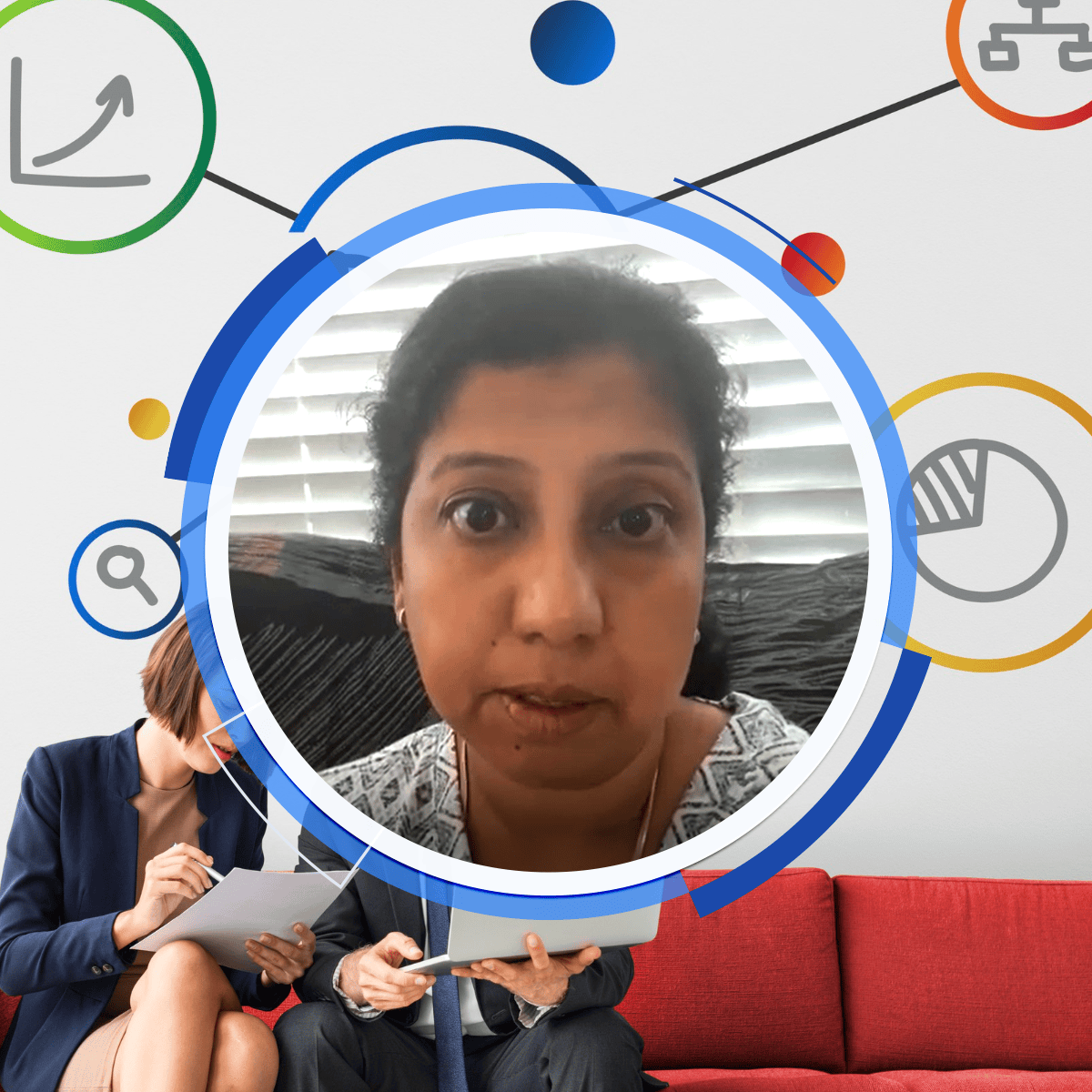
Steve Holden is the Senior Vice President and Head of Single-Family Analytics at Fannie Mae, leading a team of data science professionals, supporting loan underwriting, pricing and acquisition, securitization, loss mitigation, and loan liquidation for the company’s multi-trillion-dollar Single-Family mortgage portfolio. He is also responsible for all Generative AI initiatives across the enterprise. His team provides real-time analytic solutions that guide thousands of daily business decisions necessary to manage this extensive mortgage portfolio. The team comprises experts in econometric models, machine learning, data engineering, data visualization, software engineering, and analytic infrastructure design. Holden previously served as Vice President of Credit Portfolio Management Analytics at Fannie Mae. Before joining Fannie Mae in 1999, he held several analytic leadership roles and worked on economic issues at the Economic Strategy Institute and the U.S. Bureau of Labor Statistics.
In the episode Adel and Steve explore opportunities in generative AI, building a GenAI program, use-case prioritization, driving excitement and engagement for an AI-first culture, skills transformation, governance as a competitive advantage, challenges of scaling AI, future trends in AI, and much more.
Find DataFramed on DataCamp https://www.datacamp.com/podcast
and on your preferred podcast streaming platform:
Apple Podcasts:
https://podcasts.apple.com/us/podcast/dataframed/id1336150688
Spotify:
https://open.spotify.com/show/02yJXEJAJiQ0Vm2AO9Xj6X?si=d08431f59edc4ccd
Watch on YouTube ↗
(saves to browser)
Sign in to unlock AI tutor explanation · ⚡30
Playlist
Uploads from DataCamp · DataCamp · 0 of 60
← Previous
Next →
1
 2
2
 3
3
 4
4
 5
5
 6
6
 7
7
 8
8
 9
9
 10
10
 11
11
 12
12
 13
13
 14
14
 15
15
 16
16
 17
17
 18
18
 19
19
 20
20
 21
21
 22
22
 23
23
 24
24
 25
25
 26
26
 27
27
 28
28
 29
29
 30
30
 31
31
 32
32
 33
33
 34
34
 35
35
 36
36
 37
37
 38
38
 39
39
 40
40
 41
41
 42
42
 43
43
 44
44
 45
45
 46
46
 47
47
 48
48
 49
49
 50
50
 51
51
 52
52
 53
53
 54
54
 55
55
 56
56
 57
57
 58
58
 59
59
 60
60

SQL Server Tutorial: Date manipulation
DataCamp
R Tutorial: Intermediate Interactive Data Visualization with plotly in R
DataCamp
R Tutorial: Adding aesthetics to represent a variable
DataCamp
R Tutorial: Moving Beyond Simple Interactivity
DataCamp
Python Tutorial: Why use ML for marketing? Strategies and use cases
DataCamp
Python Tutorial: Preparation for modeling
DataCamp
Python Tutorial: Machine Learning modeling steps
DataCamp
R Tutorial: The prior model
DataCamp
R Tutorial: Data & the likelihood
DataCamp
R Tutorial: The posterior model
DataCamp
R Tutorial: An Introduction to plotly
DataCamp
R Tutorial: Plotting a single variable
DataCamp
R Tutorial: Bivariate graphics
DataCamp
Python Tutorial: Customer Segmentation in Python
DataCamp
Python Tutorial: Time cohorts
DataCamp
Python Tutorial: Calculate cohort metrics
DataCamp
Python Tutorial: Cohort analysis visualization
DataCamp
R Tutorial: Building Dashboards with flexdashboard
DataCamp
R Tutorial: Anatomy of a flexdashboard
DataCamp
R Tutorial: Layout basics
DataCamp
R Tutorial: Advanced layouts
DataCamp
Python Tutorial: Time Series Analysis in Python
DataCamp
Python Tutorial: Correlation of Two Time Series
DataCamp
Python Tutorial: Simple Linear Regressions
DataCamp
Python Tutorial: Autocorrelation
DataCamp
R Tutorial: The gapminder dataset
DataCamp
R Tutorial: The filter verb
DataCamp
R Tutorial: The arrange verb
DataCamp
R Tutorial: The mutate verb
DataCamp
R Tutorial: What is cluster analysis?
DataCamp
R Tutorial: Distance between two observations
DataCamp
R Tutorial: The importance of scale
DataCamp
R Tutorial: Measuring distance for categorical data
DataCamp
Python Tutorial: Plotting multiple graphs
DataCamp
Python Tutorial: Customizing axes
DataCamp
Python Tutorial: Legends, annotations, & styles
DataCamp
Python Tutorial: Introduction to iterators
DataCamp
Python Tutorial: Playing with iterators
DataCamp
Python Tutorial: Using iterators to load large files into memory
DataCamp
SQL Tutorial: Introduction to Relational Databases in SQL
DataCamp
SQL Tutorial: Tables: At the core of every database
DataCamp
SQL Tutorial: Update your database as the structure changes
DataCamp
Python Tutorial: Classification-Tree Learning
DataCamp
Python Tutorial: Decision-Tree for Classification
DataCamp
Python Tutorial: Decision-Tree for Regression
DataCamp
Python Tutorial: Census Subject Tables
DataCamp
Python Tutorial: Census Geography
DataCamp
Python Tutorial: Using the Census API
DataCamp
R Tutorial: A/B Testing in R
DataCamp
R Tutorial: Baseline Conversion Rates
DataCamp
R Tutorial: Designing an Experiment - Power Analysis
DataCamp
R Tutorial: Introduction to qualitative data
DataCamp
R Tutorial: Understanding your qualitative variables
DataCamp
R Tutorial: Making Better Plots
DataCamp
SQL Tutorial: OLTP and OLAP
DataCamp
SQL Tutorial: Storing data
DataCamp
SQL Tutorial: Database design
DataCamp
Python Tutorial: Introduction to spaCy
DataCamp
Python Tutorial: Statistical Models
DataCamp
Python Tutorial: Rule-based Matching
DataCamp
More on: Data Literacy
View skill →








Related AI Lessons
⚡
⚡
⚡
⚡
GBase 8a Backup and Restore Guide: Full and Incremental Backups with gbackup
Dev.to · Michael
5 Production Stacks for Live Data Ingestion at Scale (Without Getting Blocked)
Dev.to · Prithwish Nath
BI plus process mining for Insurance: seeing variants, bottlenecks, conformance,+B87 and recovery economics
Dev.to · Ananthapathmanabhan A
I built web analytics with no dashboard, only an MCP
Dev.to · Henrik Holen
🎓
Tutor Explanation

 DeepCamp AI