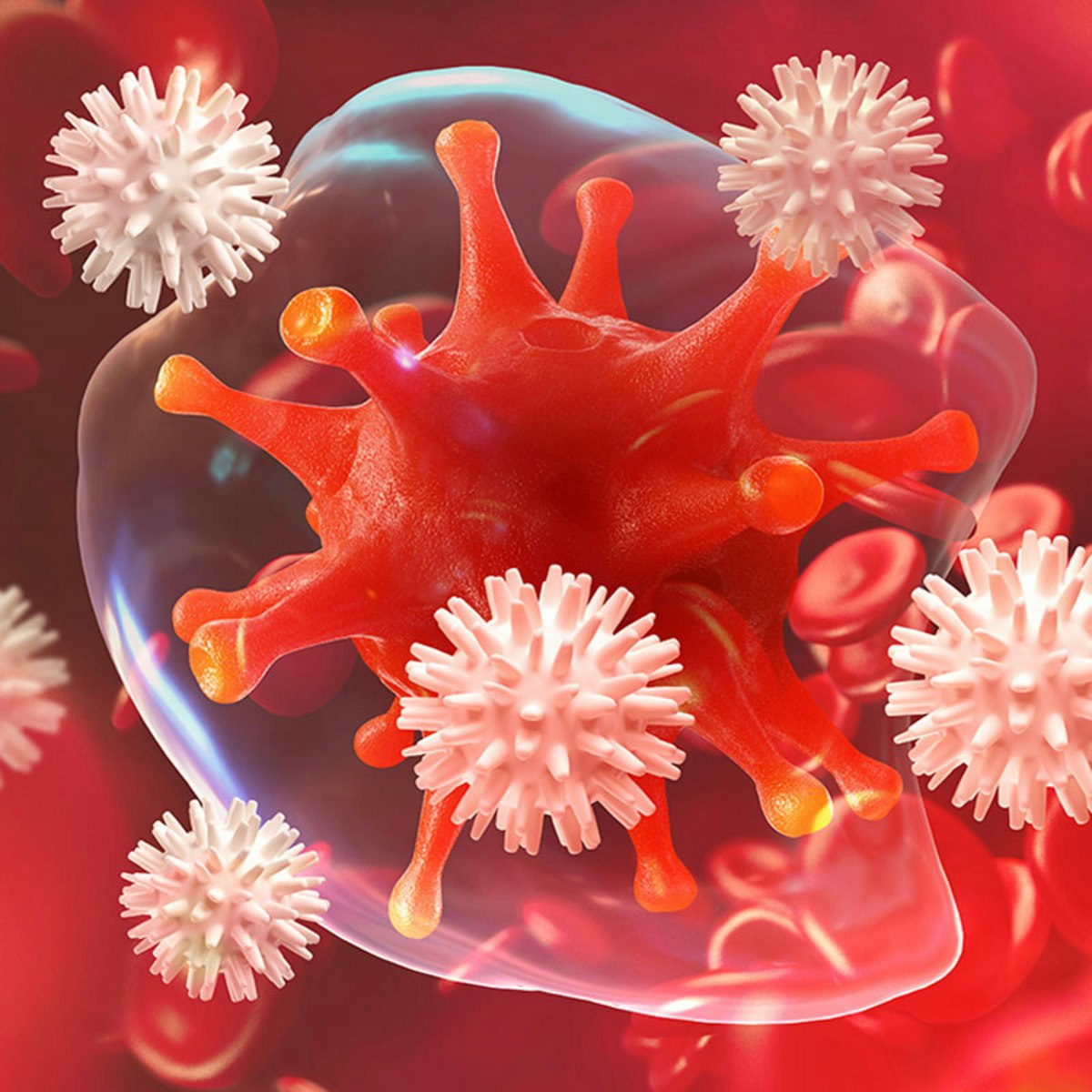
Fundamentals of Immunology: Inflammation, Tolerance, Autoimmunity
Skills:
Reading ML Papers70%
Course 3 of a four-course specialization called Fundamentals of Immunology. Each course in the specialization presents material that builds on the previous course's material.
This is the third leg of the journey through the defenses your body uses to keep you healthy. We learned about innate immunity and B cell function in the first course. In the second course, we studied T cell function and coordination of the immune response.
Fundamentals of Immunology: Inflammation, Tolerance, and Autoimmunity introduces students to the basic functions of the adaptive and innate immune systems. The early lectures survey cells, tissues, and organs using metaphors, cartoons, and models to improve understanding and retention. After describing the form, function, origin, and varieties of antibodies, subsequent lectures provide details on the mechanism of the generation of variation. The course provides animations of gene rearrangement and class switching and descriptions of affinity maturation correlated with detailed physical models of antibody structure. The final lecture reviews these concepts in an anatomical context. Testing employs multiple choice questions testing facts, concepts, and application of principles. Questions may refer to diagrams, drawings, and photographs used in the lecture and reproduced in the outline.
What You’ll Learn:
A survey of immune cells and how they attack pathogens, emphasizing the mechanism of inducing apoptosis and details of Antibody Directed Cell-mediated Cytotoxicity. The inflammatory response and mechanisms of generating tolerance are presented sequentially to emphasize the decision-making in controlling attacks. A survey of autoimmune disease, its characteristics, cause, and treatment. Survey of hypersensitivity reactions, including allergy, anaphylaxis, anemias, granulomas, and various skin responses. This is accompanied by identification, prevention, and treatment. The final discussion of preventing transplant rejection is preceded by a
Watch on Coursera ↗
(saves to browser)
Sign in to unlock AI tutor explanation · ⚡30
More on: Reading ML Papers
View skill →




Related AI Lessons
⚡
⚡
⚡
⚡
SAP's AI strategy: Come for the openness, stay because you have to
The Register
Automating Sample Clearance: Your AI Legal Co-Pilot
Dev.to AI
10 Prompts for Generating Product Demo Videos with AI
Dev.to AI
35 ChatGPT Prompts for Wealth Managers: Strengthen Client Relationships, Sharpen Analysis, and Scale Your Practice
Dev.to AI
🎓
Tutor Explanation
 DeepCamp AI