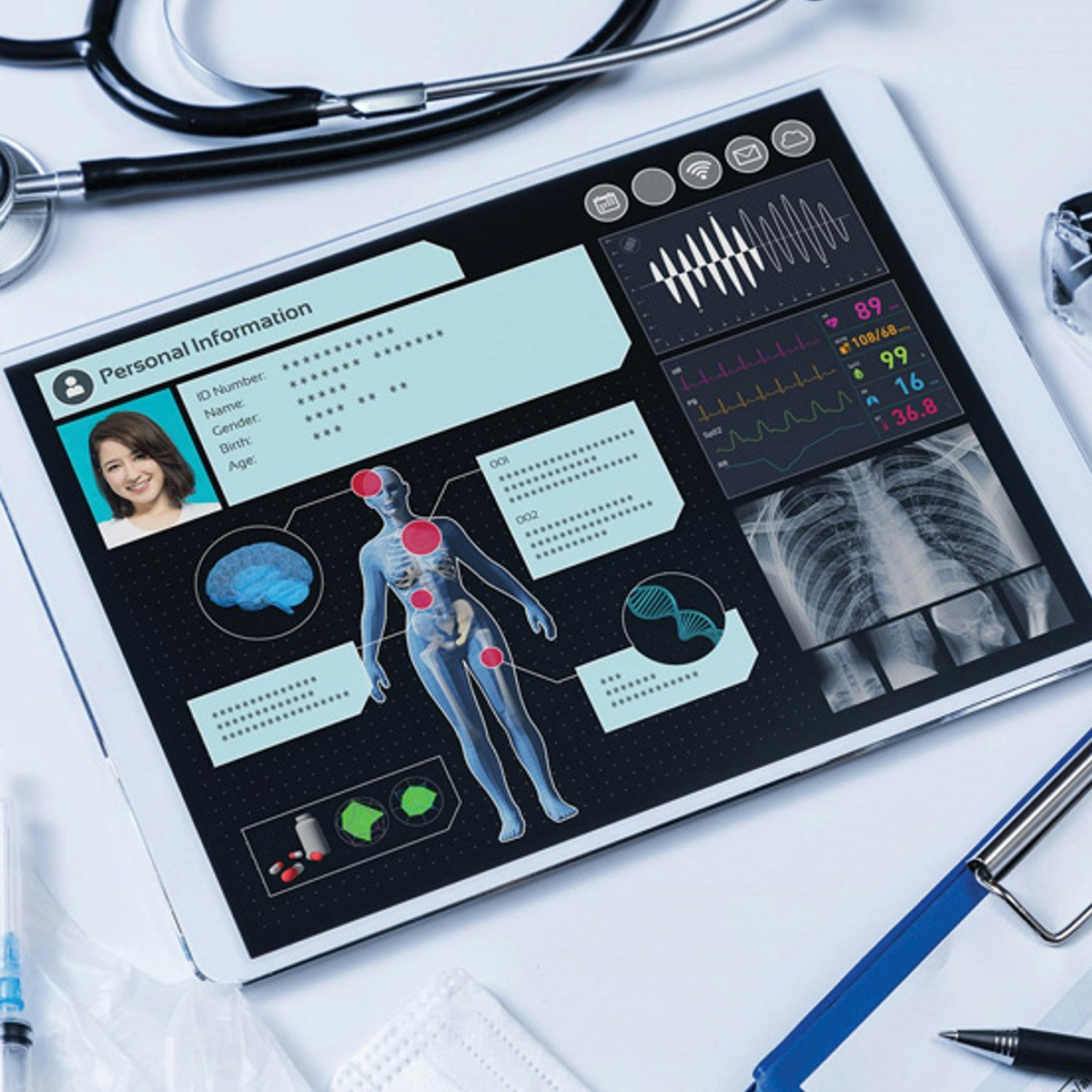
Deep learning in Electronic Health Records - CDSS 2
Skills:
ML for Analytics90%
Overview of the main principles of Deep Learning along with common architectures. Formulate the problem for time-series classification and apply it to vital signals such as ECG. Applying this methods in Electronic Health Records is challenging due to the missing values and the heterogeneity in EHR, which include both continuous, ordinal and categorical variables. Subsequently, explore imputation techniques and different encoding strategies to address these issues. Apply these approaches to formulate clinical prediction benchmarks derived from information available in MIMIC-III database.
Watch on Coursera ↗
(saves to browser)
Sign in to unlock AI tutor explanation · ⚡30
More on: ML for Analytics
View skill →








Related AI Lessons
⚡
⚡
⚡
⚡
Role of Model Architecture In Inference — Inference Series
Medium · Machine Learning
Role of Model Architecture In Inference — Inference Series
Medium · Deep Learning
What isn’t said clearly
cannot be relied on as truth.
Medium · Deep Learning
The Idempotency Nightmare in AI Pipelines: Data Loss and Recovery
Dev.to AI
🎓
Tutor Explanation

 DeepCamp AI