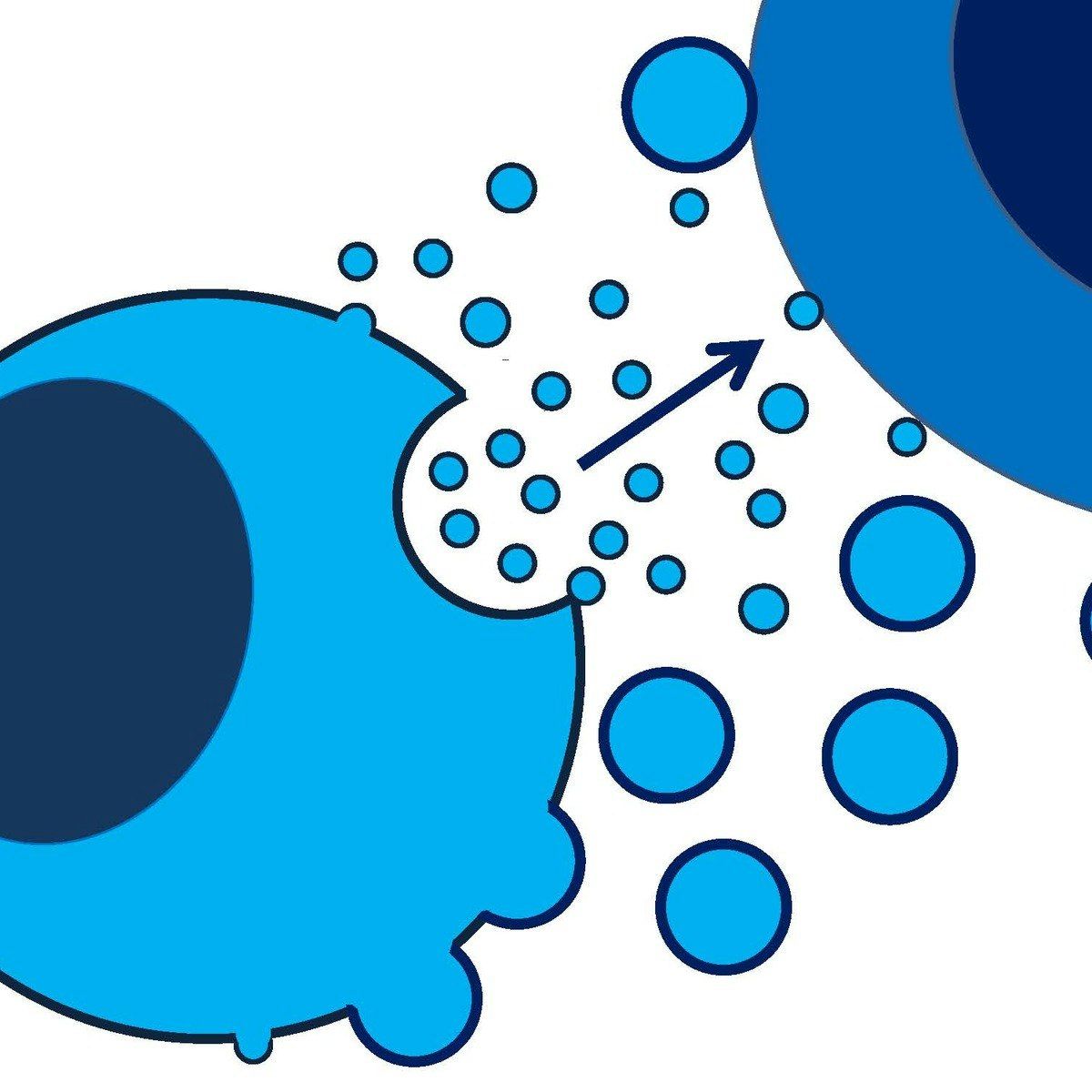
Basics of Extracellular Vesicles
Skills:
Reading ML Papers50%
This course aims to provide the basic knowledge about extracellular vesicles (EV) a generic term including exosomes, microvesicles, microparticles, ectosomes, oncosomes, prostasomes, and many others. It covers areas such as EV history, nomenclature, biogenesis, EV cargo as well as the release and uptake mechanisms, collection and processing prior to isolation, different isolation methods, characterization and quantification techniques.
This course is divided into five modules. Module 1 is an introduction to the field and will cover the nomenclature and the history of EVs. Module 2 will focus on the biogenesis, release and uptake mechanisms of EVs as well as the different EV cargos (RNA, protein, lipids). In Module 3, we will focus on the collection and processing of cell culture media and body fluids such as blood, breast milk, cerebrospinal fluid and urine prior to isolation of EVs. Module 4 and 5 will present different isolation methods and characterization/quantification techniques, respectively. Here differential ultracentrifugation, size exclusion chromatography, density gradient, kit based precipitation, electron microscopy (EM), cryo-TEM, flow cytometry, atomic-force microscopy and nanoparticle tracking analysis will be presented.
The recommended prerequisites are college-freshman-level biology and biochemistry.
After a completed course you should be able to:
+ Discuss the nomenclature and subgroups of extracellular vesicles.
+ Describe the RNA, protein and lipid content of extracellular vesicles.
+ Describe the basic concepts about the most common isolation and characterization techniques and how these techniques are used in the EV field.
+ State the benefits and limitations of the most common isolation and characterization techniques for extracellular vesicles. + Explain the considerations that are important during the collection and isolation of EVs from different body fluid.
+ Describe the release and uptake mechanisms of extracellular vesicles
All
Watch on Coursera ↗
(saves to browser)
Sign in to unlock AI tutor explanation · ⚡30
More on: Reading ML Papers
View skill →




Related AI Lessons
⚡
⚡
⚡
⚡
The Future of RAG: Dead, Evolving… or Becoming the Brain of AI?
Medium · Machine Learning
Smart Routing, Transfer Family Ingestion, and Voice Chat — Permission-Aware RAG v4.2
Dev.to · Yoshiki Fujiwara(藤原 善基)@AWS Community Builder
Most Companies Doing GenAI Are Really Just Doing RAG: RAGOps Explained for analysts
Medium · RAG
RAG - Sliding Window, Token Based Chunking and PDF Chunking Packages
Dev.to AI
🎓
Tutor Explanation
 DeepCamp AI