Unravelling solutions for Future Food problems
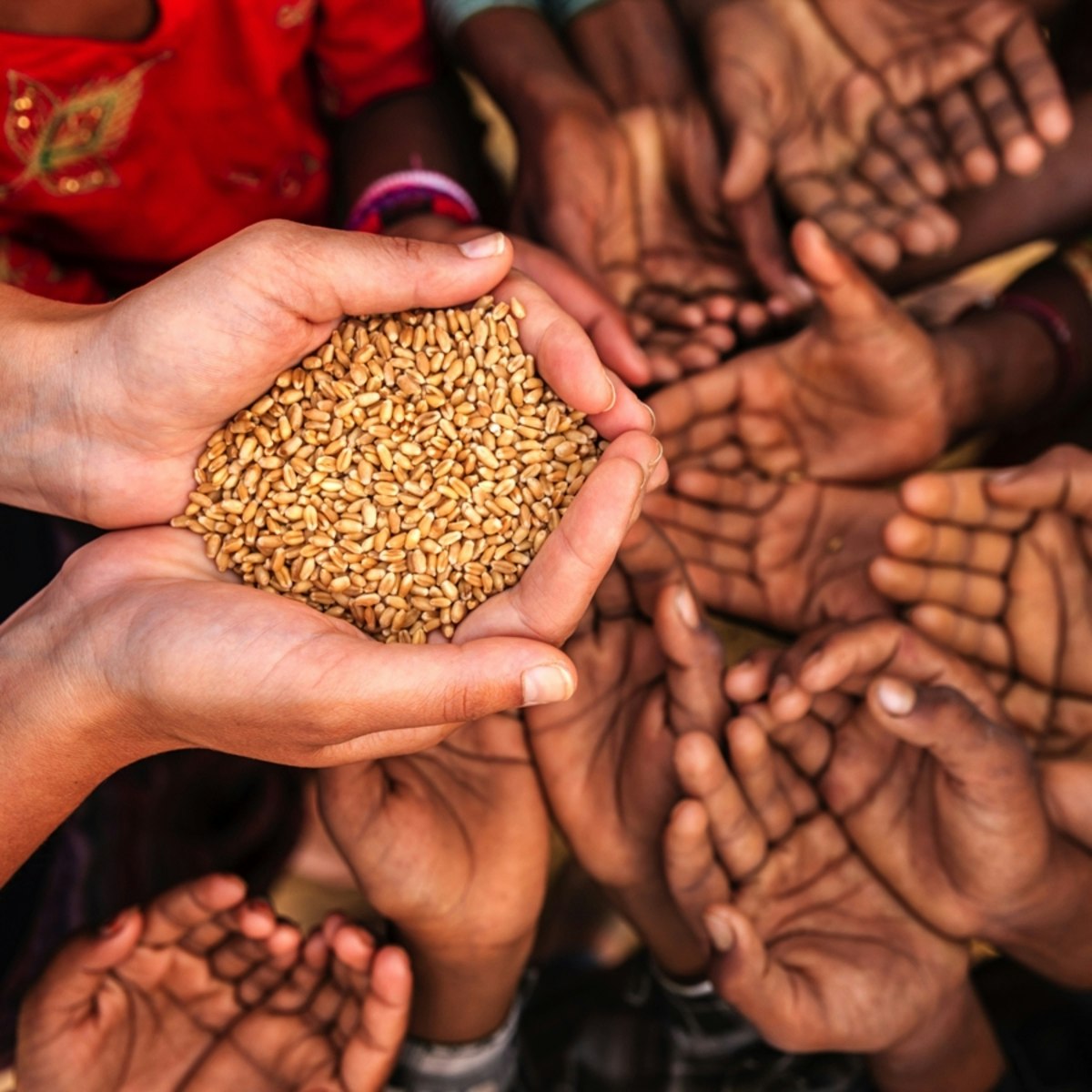
Our society depends on the availability of food and accessibility to it. According to the United Nations nearly 800 million people are hungry and on the other hand, over 650 million people are obese. While many people in developing countries experience food shortage, in industrialized countries people are throwing food away.
These facts show how paradoxical and complex the world’s food problem is.
ln this course, more than 10 food researchers from Utrecht University will address the main issues of food consumption. They will handle two interrelated themes; Food shortage and Healthy choices. You will learn to identify the key ingredients of the world’s food challenges and to think about the solutions for enabling changes in the current food system.
We will also look at the possible sustainable solutions for several accut issues: the demands of the growing human population, the role of nutrition, and the need to understand food choices in order to have healthier diet and consider the possibilities of alternative foods.
We invite you to join us on an interdisciplinary journey through the world food problems. You will gain new knowledge and insights that will help you form your own opinion on these subjects and make better choices in your food consumption.
We hope you will enjoy the course!
The Future Food Team
Watch on Coursera ↗
(saves to browser)
Sign in to unlock AI tutor explanation · ⚡30
More on: Reading ML Papers
View skill →







Related AI Lessons
⚡
⚡
⚡
⚡
The ABCs of reading medical research and review papers these days
Medium · LLM
#1 DevLog Meta-research: I Got Tired of Tab Chaos While Reading Research Papers.
Dev.to AI
How to Set Up a Karpathy-Style Wiki for Your Research Field
Medium · AI
The Non-Optimality of Scientific Knowledge: Path Dependence, Lock-In, and The Local Minimum Trap
ArXiv cs.AI
🎓
Tutor Explanation

 DeepCamp AI