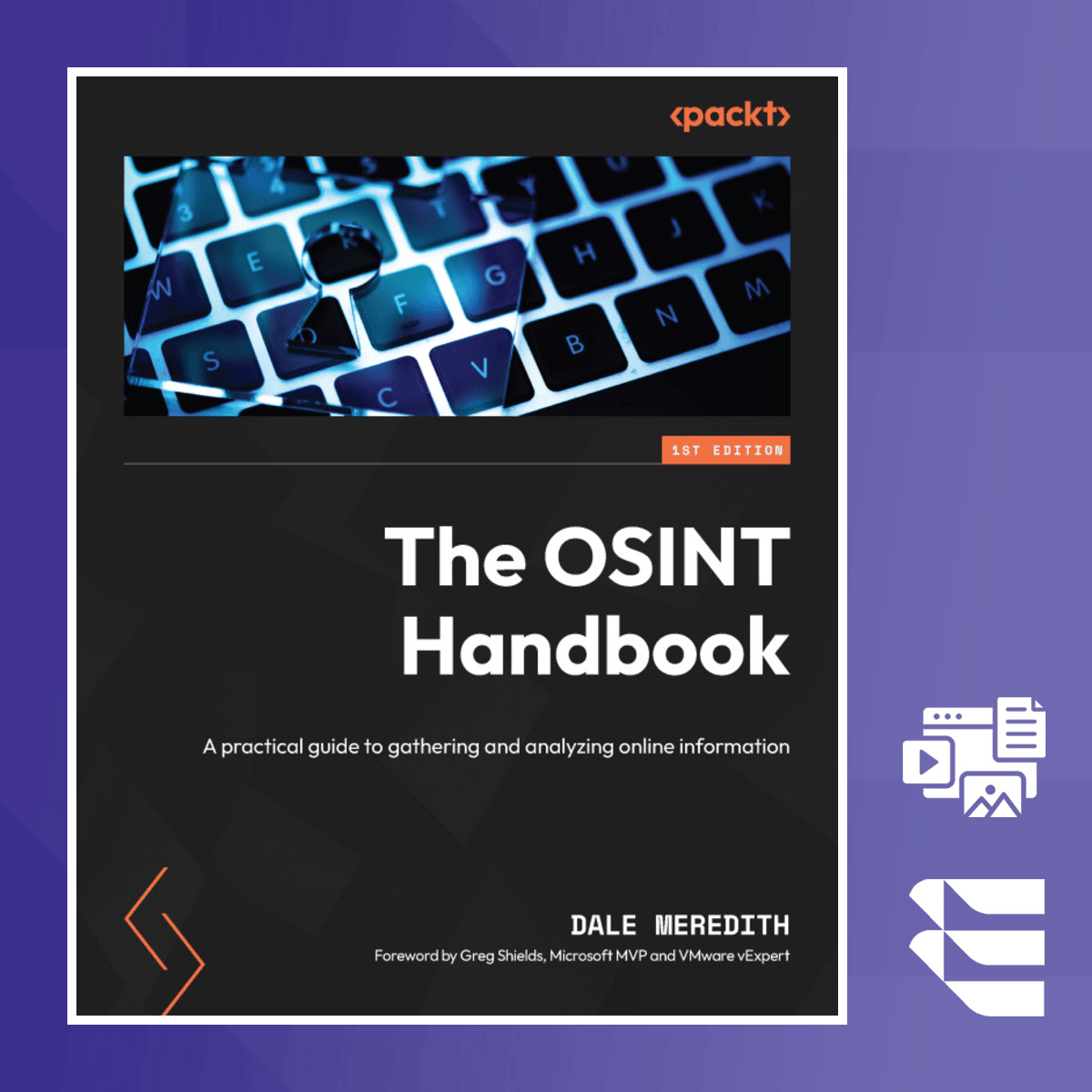
The OSINT Handbook: Mastering Open Source Intelligence
Key Takeaways
Masters Open Source Intelligence tools and methods with The OSINT Handbook
Original Description
In today’s digital landscape, Open Source Intelligence (OSINT) has become an essential skill for uncovering hidden information that can make or break an investigation. The OSINT Handbook offers a comprehensive guide to understanding and utilizing OSINT tools and methods to gather intelligence, secure data, and protect against cyber threats. With real-world applications and expert insights, this course equips learners with the skills to extract valuable intelligence from publicly available sources.
By diving into techniques ranging from basic reconnaissance to advanced OSINT strategies, this course empowers learners to apply their knowledge practically. Whether you are in cybersecurity, law enforcement, or research, this course will help you harness the power of open-source data to solve complex problems and make informed decisions. You'll also gain hands-on experience with popular OSINT tools such as Recon-ng and Trace Labs.
What sets this course apart is its balance of theory and practical application. Rather than simply focusing on academic concepts, it emphasizes the use of OSINT in real-world scenarios—highlighting the tools, methods, and tactics used by professionals to mitigate cyber risks, discover hidden data, and protect organizations.
This course is designed for cybersecurity professionals, investigators, and anyone interested in enhancing their data-gathering capabilities. While prior knowledge of cybersecurity basics is helpful, it's not required as the course progresses from fundamental concepts to advanced techniques.
Watch on External: Coursera ↗
(saves to browser)
Sign in to unlock AI tutor explanation · ⚡30
More on: Reading ML Papers
View skill →






Related Reads
📰
📰
📰
📰
AI Uncovers a 15-Year-Old Linux Root Bug, Pentagon Expands Hacker Program & Global Privacy Debates…
Medium · Cybersecurity
Cybersecurity Analyst: Skills Required for Career Success
Medium · Cybersecurity
Understanding Security Operations Center (SOC): The Heart of Modern Cybersecurity
Medium · Cybersecurity
How AI Scraper Bots Are Destroying Small Publisher Sites
Dev.to AI
🎓
Tutor Explanation

 DeepCamp AI