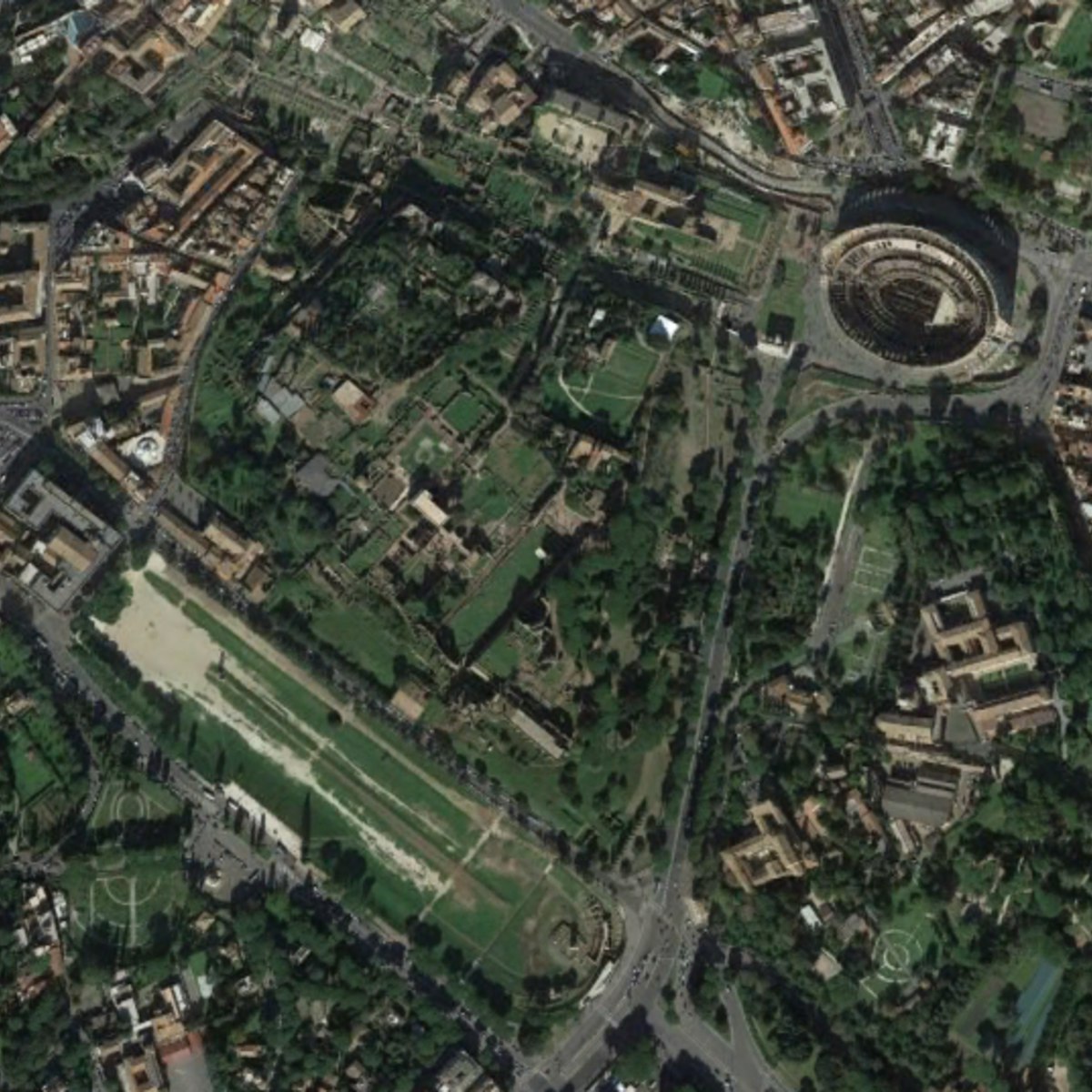
The Changing Landscape of Ancient Rome. Archaeology and History of the Palatine Hill
Studying ancient - as well as medieval or modern - cities basically means telling local urban stories based on the reconstruction of changing landscapes through the centuries. Given the fragmentary nature of archaeological evidence, it is necessary to create new images that would give back the physical aspect of the urban landscape and that would bring it to life again. We are not just content with analyzing the many elements still visible of the ancient city. The connections between objects and architectures, visible and non visible buildings, which have been broken through time have to be rejoined, to acknowledge the elements that compose the urban landscape.
Landscape and its content are a very relevant and still vital part of any national cultural heritage. The course will introduce students to the way we have been reflecting on over the last twenty years and still are engaged with the study of the past of our cities, beginning from the most complex case in the ancient Mediterranean World: the core of Italy and of Roman Empire. On the other hand, knowledge means also preservation and defense of material remains and cultural memory.
“The Changing Landscape of Ancient Rome. Archeology and History of the Palatine Hill” presents to a large public the topographical lay-out of the most relevant part of the city (according the Greek and Roman Historians Rome was founded on the Palatine). Research developed on the Palatine since the end of last century by the team of Sapienza Classical Archaeologists opened a new phase in the urban archaeological investigation and in the scientific debate about the relation between archaeological features and literary tradition as well as the “correct use“ of both kind of evidence, key issues of wide archaeological and historical significance.
Watch on Coursera ↗
(saves to browser)
Sign in to unlock AI tutor explanation · ⚡30
More on: Reading ML Papers
View skill →







Related AI Lessons
⚡
⚡
⚡
⚡
The ABCs of reading medical research and review papers these days
Medium · LLM
#1 DevLog Meta-research: I Got Tired of Tab Chaos While Reading Research Papers.
Dev.to AI
How to Set Up a Karpathy-Style Wiki for Your Research Field
Medium · AI
The Non-Optimality of Scientific Knowledge: Path Dependence, Lock-In, and The Local Minimum Trap
ArXiv cs.AI
🎓
Tutor Explanation

 DeepCamp AI