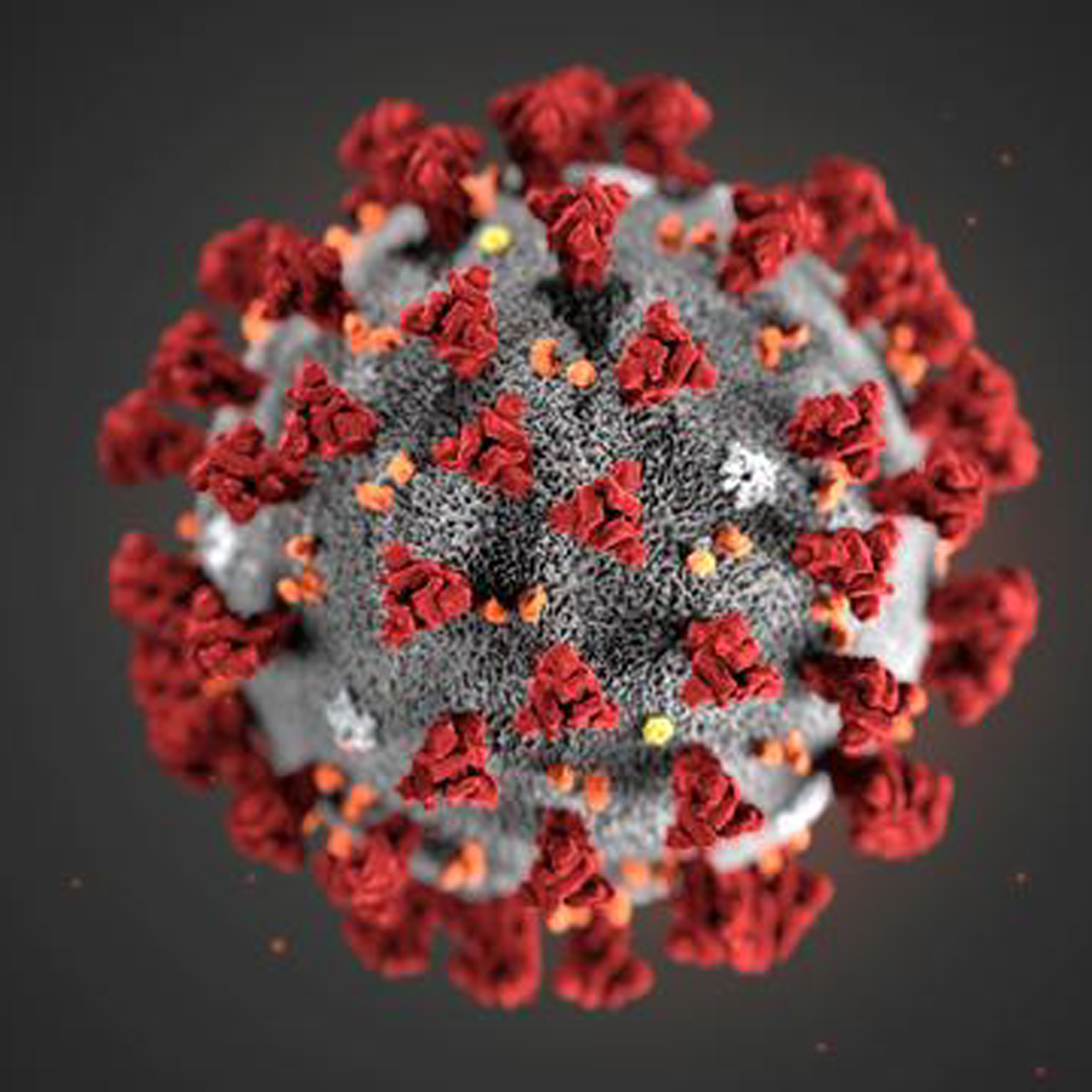
Science Matters: Let's Talk About COVID-19
Skills:
Reading ML Papers50%
Welcome to ‘Science Matters: Let's Talk about COVID-19’, from the Jameel Institute at Imperial College London.
The outbreak of the Novel Coronavirus Disease (COVID-19) is the most significant public health emergency of the 21st century so far. As the epidemic spreads, people around the world want to understand the science behind the most pressing questions: how many people have been infected? How dangerous is the virus? When will a vaccine be available? How can the epidemic be contained, and the damages mitigated? What is the economic impact? What’s the role of social media and local communities in the epidemic response?
Researchers at the Jameel Institute and other research institutes at Imperial College London have been at the forefront of the response to the COVID-19 emergency, with clinical, epidemiological and social science analyses informing the outbreak response. They are generating robust empirical evidence that governments and international agencies are using around the world to plan their responses.
On this course, you will hear directly from our world-class experts about the theory behind the analyses of COVID-19 and its spread, while learning how to interpret new information using core principles of public health, epidemiology, medicine, health economics, and social science. You will be able to watch regular situation reports about the state of the epidemic, provided by the researchers of J-IDEA and its director Professor Neil Ferguson.
If you want to learn even more about these topics, a number of free MOOCs are available from Imperial College London. We also offer a fully online Global Master of Public Health for those of you who want to delve even deeper and join our professional community.
Please note:
This course was launched in February 2020 and we have continued to develop content as the COVID-19 situation progresses and new insights emerge. While we endeavour to include the most recent information, this is a fast-moving situation and i
Watch on Coursera ↗
(saves to browser)
Sign in to unlock AI tutor explanation · ⚡30
More on: Reading ML Papers
View skill →




Related AI Lessons
⚡
⚡
⚡
⚡
The ABCs of reading medical research and review papers these days
Medium · LLM
#1 DevLog Meta-research: I Got Tired of Tab Chaos While Reading Research Papers.
Dev.to AI
How to Set Up a Karpathy-Style Wiki for Your Research Field
Medium · AI
The Non-Optimality of Scientific Knowledge: Path Dependence, Lock-In, and The Local Minimum Trap
ArXiv cs.AI
🎓
Tutor Explanation

 DeepCamp AI