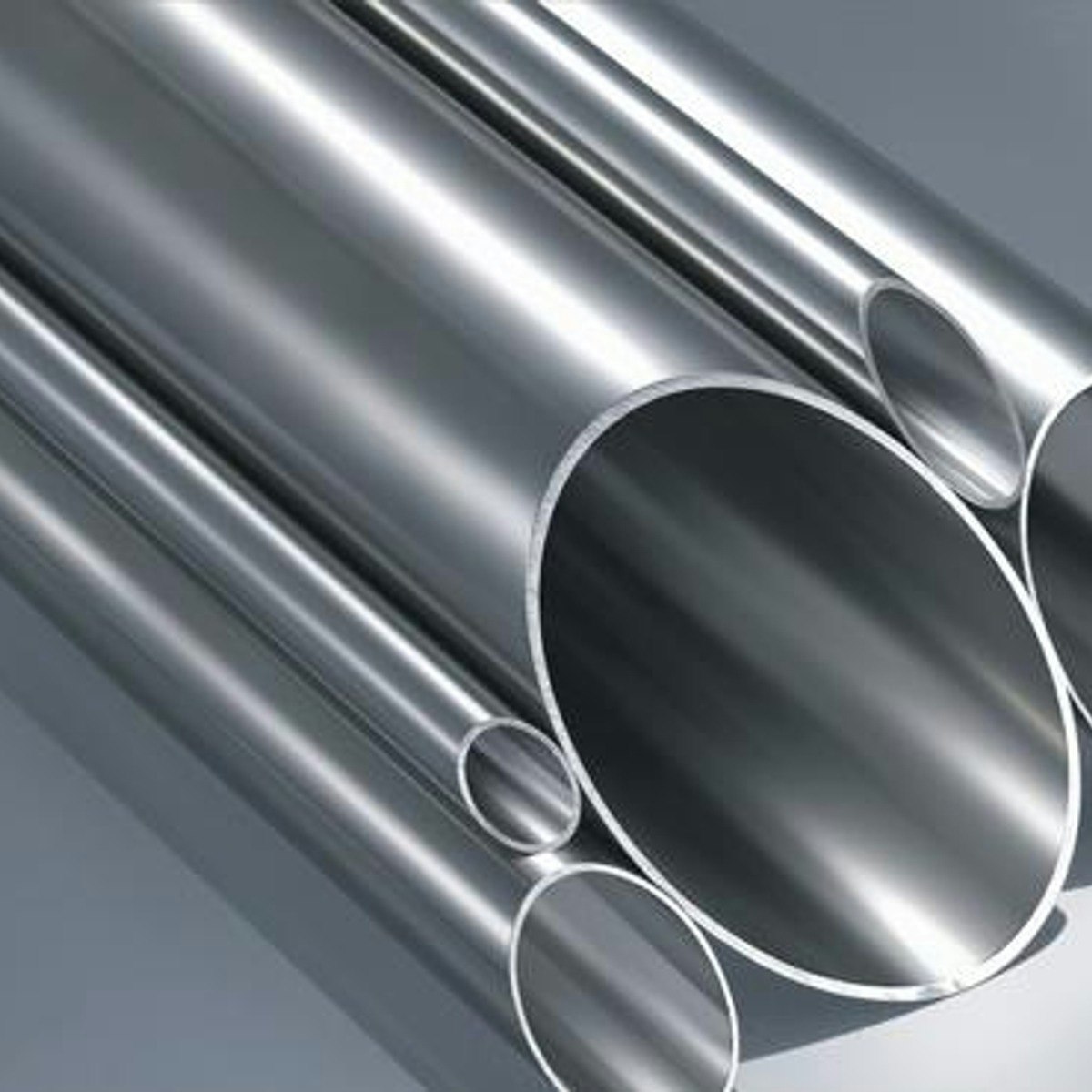
Pipe Material Specification
Skills:
Data Literacy60%
Key Takeaways
Specifies pipe material for industrial piping systems using design aspects and knowledge of tube and pipe differences
Original Description
This particular course entitled “Pipe Material Specification” under the specialization entitled “Design of Industrial Piping Systems” is mainly aimed at piping system design aspects. The major differences between tube and pipe should be known to the designer first. The right selection of the straight pipe for a given process requirement is entirely based on the sound knowledge of the designer on pipe manufacturing techniques, pipe ends, pipe materials, and ASME B31 pressure piping series. Designers should be capable of determining the pipe wall thickness for the internal pressure as well as external pressure based on the ASME B31.3 code and selecting of proper schedule number from the ASME B36.10M and B36.19M standards. Piping is composed of pipe fittings, valves, flanges, gaskets, nuts and bolts, etc. Therefore, designers should be acquainted with various types of fittings, importance, ends, pressure-temperature ratings, and material. Similarly, designers should be acquainted with various types of flanges, ends, face finishing, pressure-temperature ratings, materials, and similar knowledge on gaskets and nuts and bolting. Valves are used for isolation, regulation, and one-way operations. Therefore, types, end connections, material, pressure-temperature ratings, internal construction, internal parts, and functioning of valves should be known to the designer for their right selection. PFDs, P&IDs, General Arrangement Drawings (GADs), and Piping Isometrics are important drawings for any process plant; and development, reading, and interpreting these drawings is one of the desired requirements that the designer should possess. To fulfill this requirement the designer should be thorough with certain symbols used to present a three-plane piping system on a 2D sheet such as GADs, etc. The designers must familiarize themselves with general abbreviations, service codes, line number identification, ‘insulation and heat tracing codes’, representations of pipelines, boundar
Watch on External: Coursera ↗
(saves to browser)
Sign in to unlock AI tutor explanation · ⚡30
More on: Data Literacy
View skill →









Related AI Lessons
⚡
⚡
⚡
⚡
My first SQL interaction
Dev.to · Mohammad Meezan
Müşteri Değerini Anlamak: RFM, CLTV ve Tahmine Dayalı CRM Analitiği
Medium · Machine Learning
Müşteri Değerini Anlamak: RFM, CLTV ve Tahmine Dayalı CRM Analitiği
Medium · Data Science
Müşteri Değerini Anlamak: RFM, CLTV ve Tahmine Dayalı CRM Analitiği
Medium · Python
🎓
Tutor Explanation

 DeepCamp AI