
Optimizing Generative AI on Arm Processors
Key Takeaways
Optimizes generative AI on Arm processors for performance and efficiency
Original Description
AI models are becoming increasingly powerful—but also increasingly demanding. As Generative AI moves from cloud data centers to mobile phones, autonomous systems and embedded IoT devices, the need to optimize performance across diverse hardware environments has never been more critical. Arm-based processors power more than 300 billion devices globally, from smartphones to hyperscale cloud servers, making them a key foundation for efficient AI deployment across the compute landscape. To meet this growing demand, learners need the skills to translate machine learning models into real-time, hardware-aware implementations across Arm-based platforms.
Optimizing Generative AI on Arm Processors: from Edge to Cloud is designed for intermediate machine learning practitioners who want to bridge the gap between model design and deployment efficiency. Rather than revisiting ML fundamentals, this course dives straight into performance engineering for Generative AI on Arm-based platforms, including mobile, edge and cloud environments.
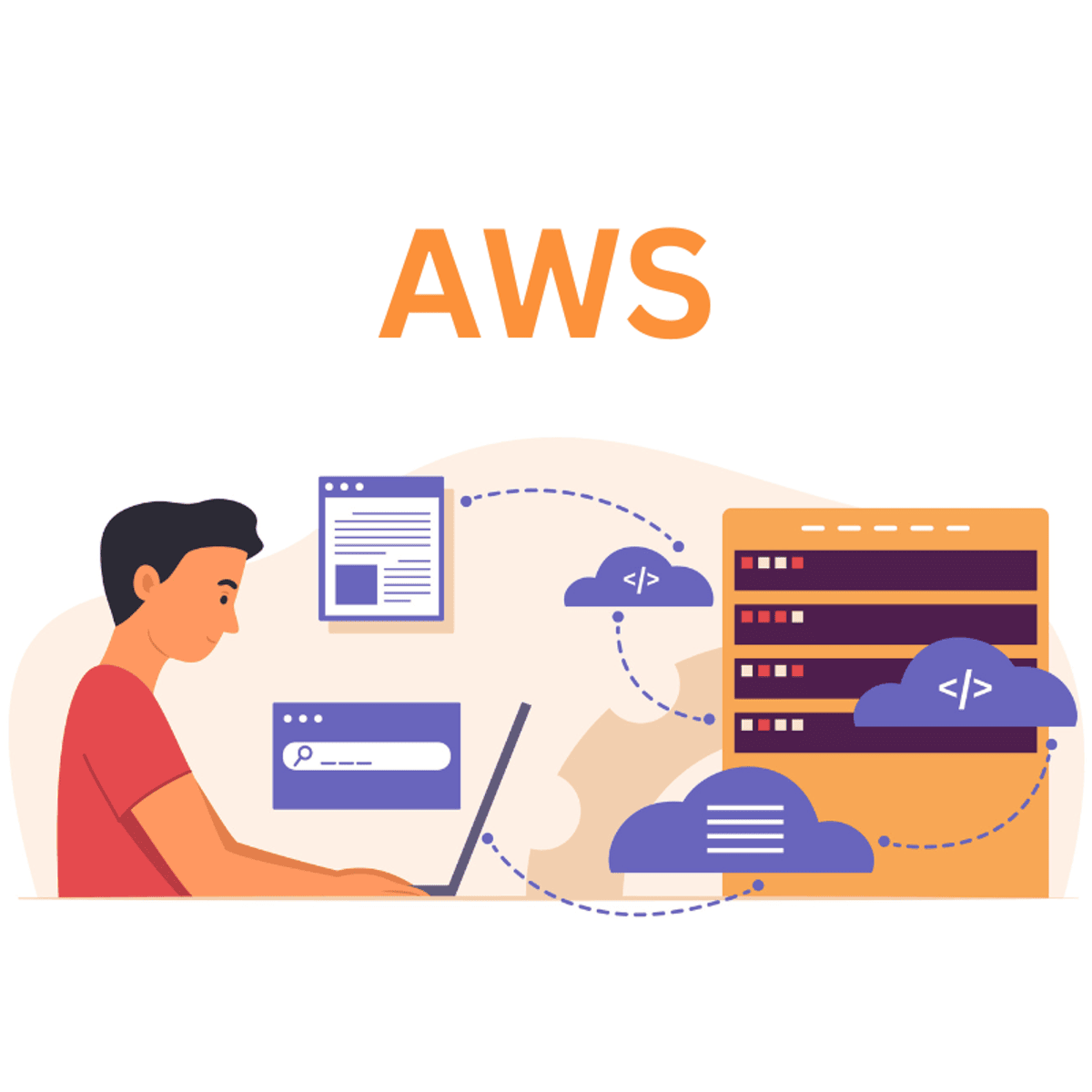
You’ll explore real-world constraints, Arm architecture features, and software techniques used to accelerate AI inference—including SIMD (SVE, Neon), low-bit quantization, and the KleidiAI library. Each concept is taught using concise, interactive notebooks and narrated examples, enabling you to measure, tweak, and iterate on actual hardware like the Raspberry Pi 5 or AWS Graviton3 cloud instances.
Watch on External: Coursera ↗
(saves to browser)
Sign in to unlock AI tutor explanation · ⚡30
More on: AI Systems Design
View skill →



Related AI Lessons
⚡
⚡
⚡
⚡
I Found Firecrawl Too Expensive for My AI Agent's Knowledge Base, So I Built My Own
Dev.to · Samuel Raphael
How Managing 500+ Employees Led Me to Build WorkforceIQ: The AI Platform I Wish I Had
Medium · Startup
AI-First MVP Development: How Startups Should Build Products in 2026
Dev.to · Nasif Sid
The Three Pillars of AI Agents: Platform, LLM, and Harness
Medium · LLM
🎓
Tutor Explanation
 DeepCamp AI