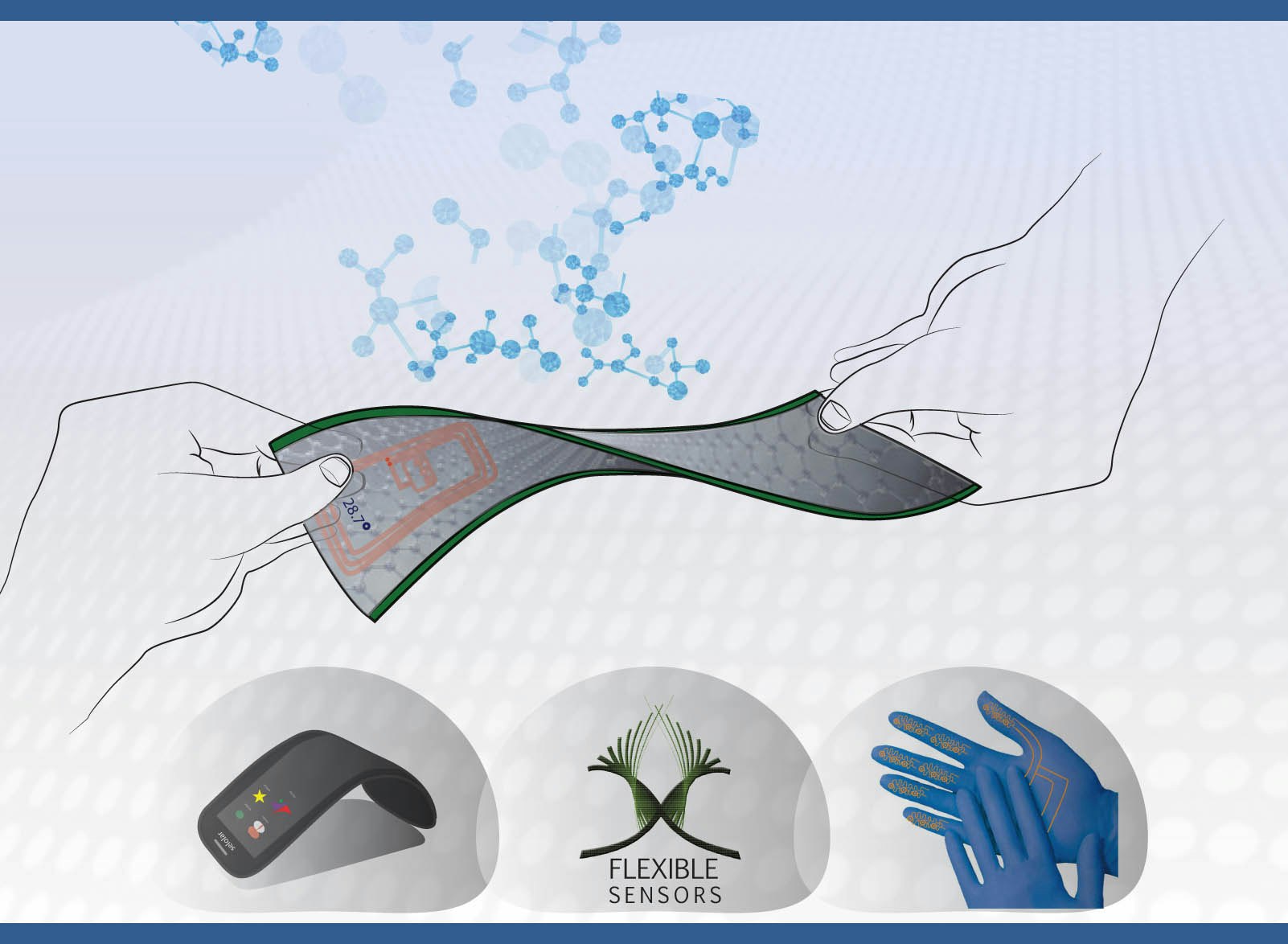
Nanotechnology and Nanosensors, Part1
Nanotechnology and nanosensors are broad, interdisciplinary areas that encompass (bio)chemistry, physics, biology, materials science, electrical engineering and more. The present course will provide a survey on some of the fundamental principles behind nanotechnology and nanomaterials and their vital role in novel sensing properties and applications. The course will discuss interesting interdisciplinary scientific and engineering knowledge at the nanoscale to understand fundamental physical differences at the nanosensors. By the end of the course, students will understand the fabrication, characterization, and manipulation of nanomaterials, nanosensors, and how they can be exploited for new applications. Also, students will apply their knowledge of nanotechnology and nanosensors to a topic of personal interest in this course.
----------------
COURSE OBJECTIVES
The course main objective is to enhance critical, creative, and innovative thinking. The course encourages multicultural group work, constructing international 'thinking tanks' for the creation of new ideas. Throughout the course, you will be asked to reflect upon your learning, think "out of the box", and suggest creative ideas.
The course is set to encourage the understanding of:
1. The importance of nanoscale materials for sensing applications.
2. Approaches used for characterizing sensors based nanomaterials.
3. Approaches used for tailoring nanomaterials for a specific sensing application.
4. Metallic and semiconductor nanoparticles.
5. Organic and inorganic nanotubes and nanowires.
6. Optical, mechanical and chemical sensors based on nanomaterials.
7. Hybrid nanomaterial-based sensors.
----------------
We recommend that you read the following supplementary reading materials:
-Jiří Janata, Principles of Chemical Sensors, Springer, 2d Edition (1989).
-Roger George Jackson, Novel Sensors and Sensing, CRC Press (2004).
_ _ _ _ _ _ _ _ _ _ _ _ _ _ _ _ _ _
Teaching Team
About Professor Haick Hossam
Pr
Watch on Coursera ↗
(saves to browser)
Sign in to unlock AI tutor explanation · ⚡30
More on: Research Methods
View skill →






Related AI Lessons
⚡
⚡
⚡
⚡
RAG - Sliding Window, Token Based Chunking and PDF Chunking Packages
Dev.to AI
Ever Wondered How to Make Your RAG More Effective?
Medium · RAG
Why StarRocks Is Better Than Elasticsearch for RAG and AI-Powered Vector Search Analytics
Medium · LLM
Production RAG: Shipping a RAG System Into an Enterprise Product
Medium · RAG
🎓
Tutor Explanation

 DeepCamp AI