Music as Biology: What We Like to Hear and Why
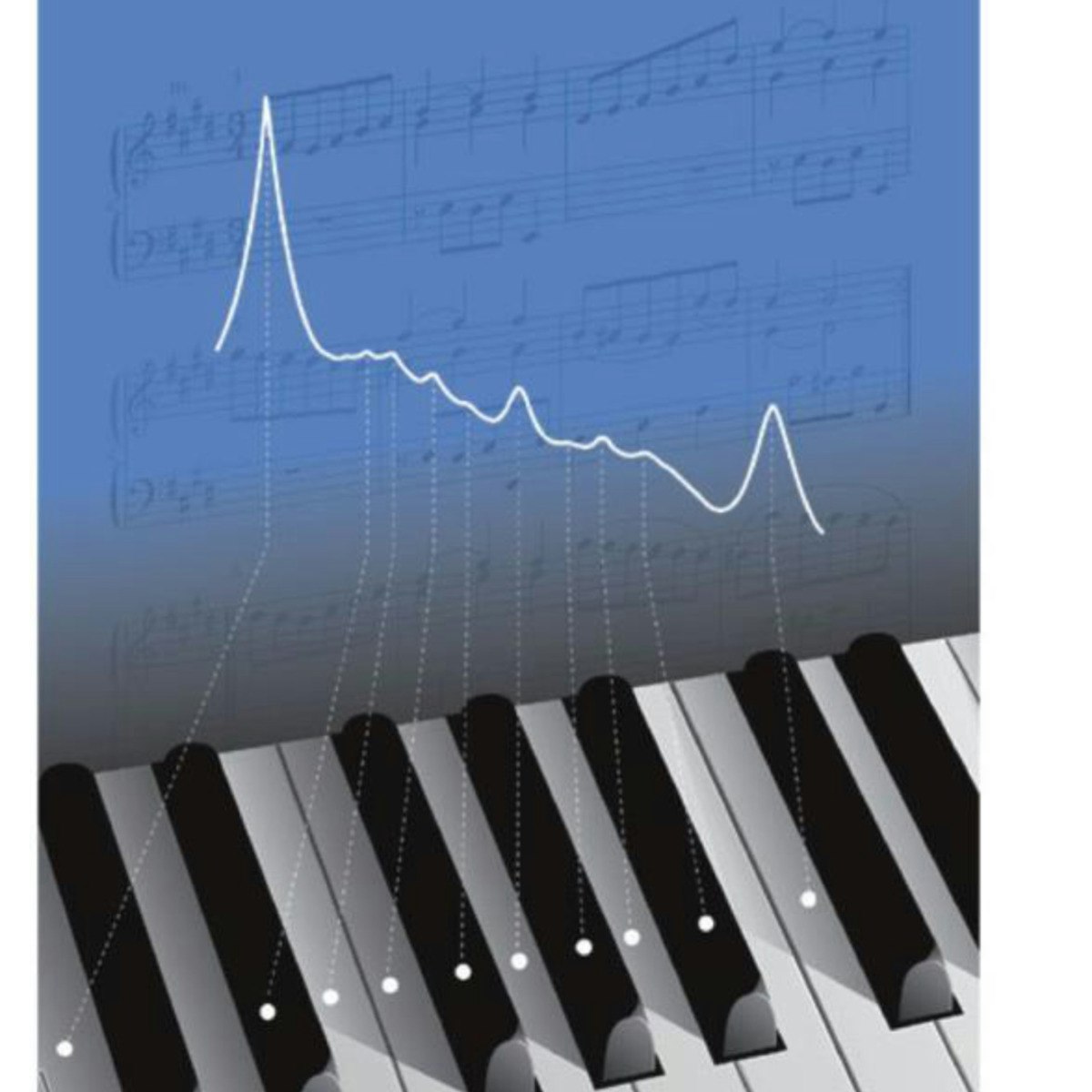
The course will explore the tone combinations that humans consider consonant or dissonant, the scales we use, and the emotions music elicits, all of which provide a rich set of data for exploring music and auditory aesthetics in a biological framework. Analyses of speech and musical databases are consistent with the idea that the chromatic scale (the set of tones used by humans to create music), consonance and dissonance, worldwide preferences for a few dozen scales from the billions that are possible, and the emotions elicited by music in different cultures all stem from the relative similarity of musical tonalities and the characteristics of voiced (tonal) speech. Like the phenomenology of visual perception, these aspects of auditory perception appear to have arisen from the need to contend with sensory stimuli that are inherently unable to specify their physical sources, leading to the evolution of a common strategy to deal with this fundamental challenge.
Watch on Coursera ↗
(saves to browser)
Sign in to unlock AI tutor explanation · ⚡30
Related AI Lessons
⚡
⚡
⚡
⚡
How to Evaluate RAG Applications
Medium · LLM
RAG Chunking Is Not About Length — It Is About Preserving Meaning
Medium · AI
The Future of RAG: Dead, Evolving… or Becoming the Brain of AI?
Medium · Machine Learning
Smart Routing, Transfer Family Ingestion, and Voice Chat — Permission-Aware RAG v4.2
Dev.to · Yoshiki Fujiwara(藤原 善基)@AWS Community Builder
🎓
Tutor Explanation

 DeepCamp AI