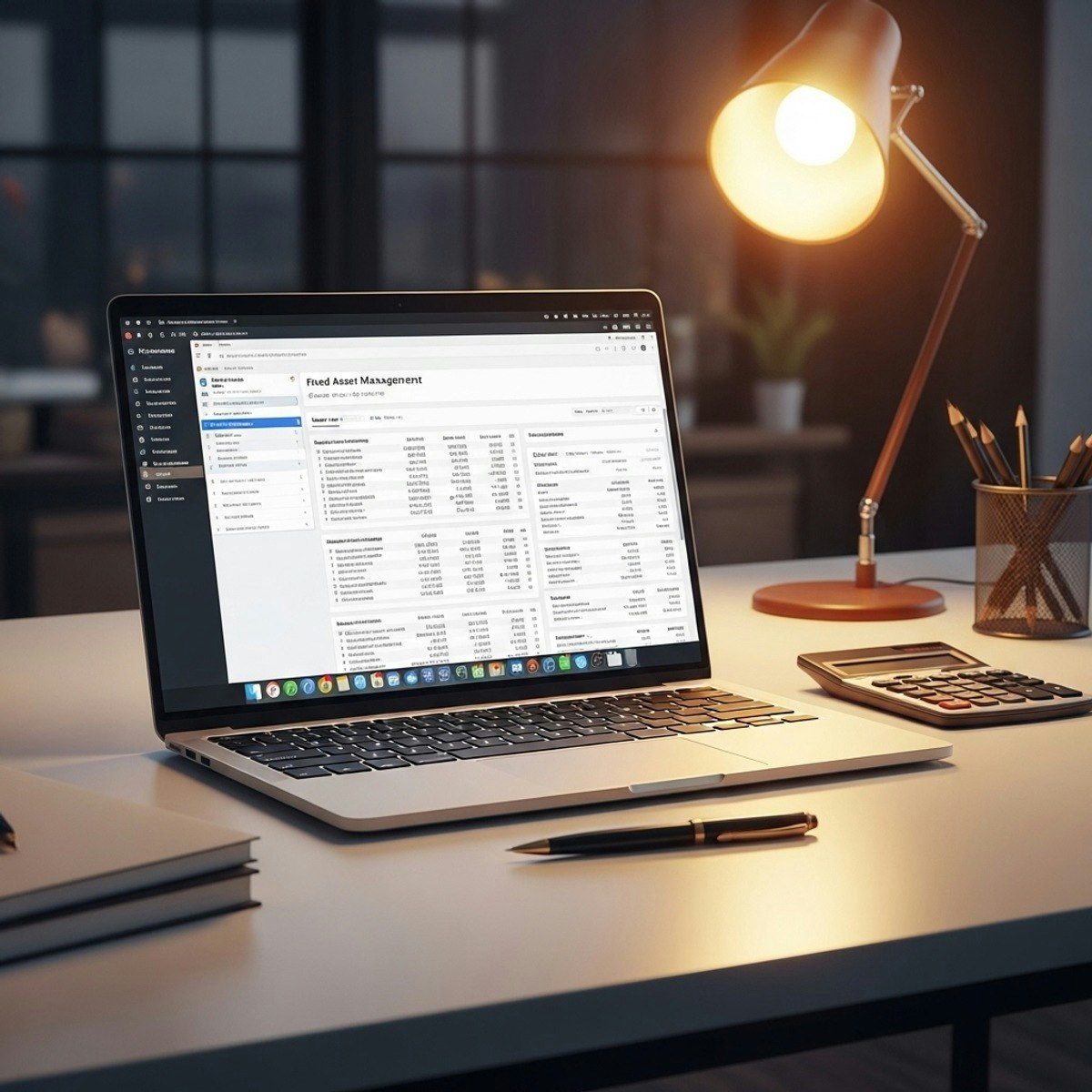
Master Depreciation Accounting: Analyze & Apply Methods
Key Takeaways
Analyzes and applies depreciation accounting methods using asset valuation techniques
Original Description
Learners will be able to explain key depreciation concepts, analyze asset valuation methods, evaluate financial reporting impacts, and apply advanced techniques such as impairment, depletion, and revaluation. This comprehensive course guides learners through the full lifecycle of fixed-asset accounting—starting from foundational depreciation principles to complex real-world scenarios encountered in modern financial environments.
By completing this course, learners gain the skills to interpret ERP-driven asset reports, reconcile financial discrepancies, classify capital expenditures, and accurately measure changes in asset value. They also benefit from hands-on examples, practical demonstrations, and clear step-by-step explanations that strengthen confidence in applying depreciation concepts across industries.
What makes this course unique is its integration of theory, ERP system walkthroughs, real-world case studies, and structured module progression—ensuring learners not only understand depreciation but can apply it in professional accounting contexts. Whether preparing for finance roles, improving reporting accuracy, or mastering compliance standards, learners emerge with a strong, practice-ready foundation in depreciation accounting.
Watch on External: Coursera ↗
(saves to browser)
Sign in to unlock AI tutor explanation · ⚡30
More on: Data Literacy
View skill →








Related Reads
📰
📰
📰
📰
This region wants to build Africa’s most connected fintech ecosystem
TechCabal
Why South African banks still charge for instant payments
TechCabal
Accrue targets African businesses with stablecoin-powered cross-border banking platform
TechCabal
Why “faster payments” is the wrong frame for stablecoins.
Medium · Startup
🎓
Tutor Explanation
 DeepCamp AI