
Introduction to Data Science (Public Policy)
Skills:
Data Literacy70%
Key Takeaways
Explores data science applications in public policy using various data sources and computational tools
Original Description
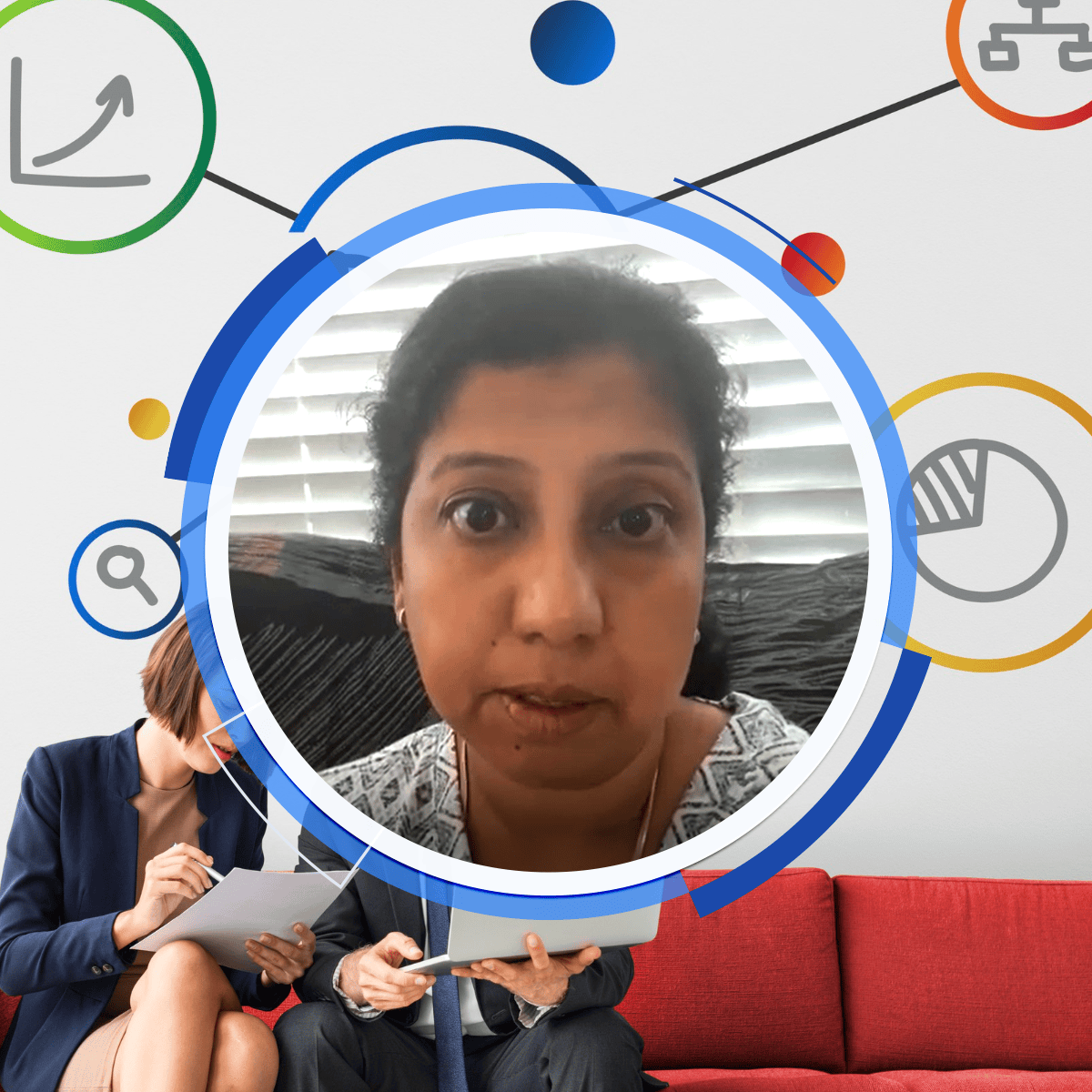
Data is everywhere. From historical documents to literature and poems, diaries to political speeches, government documents, emails, text messages, social media, images, maps, cell phones, wearable sensors, parking meters, credit card transactions, Zoom, surveillance cameras. Combined with rapidly expanding computational power and increasingly sophisticated algorithms, we have an explosion of digital data around us. Privacy, ethics, surveillance, bias, discrimination are some of the obvious policy issues emanating from these data sources. But there is also incredible potential for better understanding the social world, and the potential to use data for good.In this course we will explore how data and digital material can be leveraged to have a better understanding of social issues. We will devote a substantial component of the course to explore the technical skills necessary to access and analyze data (aka programming in Python!), and best practices re: research design, and the practical knowledge we and others can produce using digital data and methods.
By the end of the course you should be able to:
1. Know enough Python basics to qualify as, at a minimum, a novice programmer
2. List different types of digital data (e.g., delimited separated files, raw text, json), be able towrite
Python code to input and process each type, and explain how and why you might use each
data type in research
3. Write Python code to collect and structure digitized data, including from APIs, process the
data, and produce visualizations and/or output to explore or analyze the data
4. Explain what the output from computational methods means, and derive a few insights about
the social world from the output and visualizations
5. Feel comfortable learning new techniques and new Python libraries on your own
Watch on External: Coursera ↗
(saves to browser)
Sign in to unlock AI tutor explanation · ⚡30
More on: Data Literacy
View skill →








Related Reads
📰
📰
📰
📰
Building an AI Powered Security Operations Center (SOC)
Medium · LLM
AI-Powered RCE Discovery, Critical Infrastructure Wipeout, & Fil-C Capability Model
Dev.to · soy
What Explainability and Auditability Actually Look Like in Production
Medium · Cybersecurity
Fine-Tuning on Domain Data Quietly Expands Your Attack Surface
Medium · AI
🎓
Tutor Explanation
 DeepCamp AI