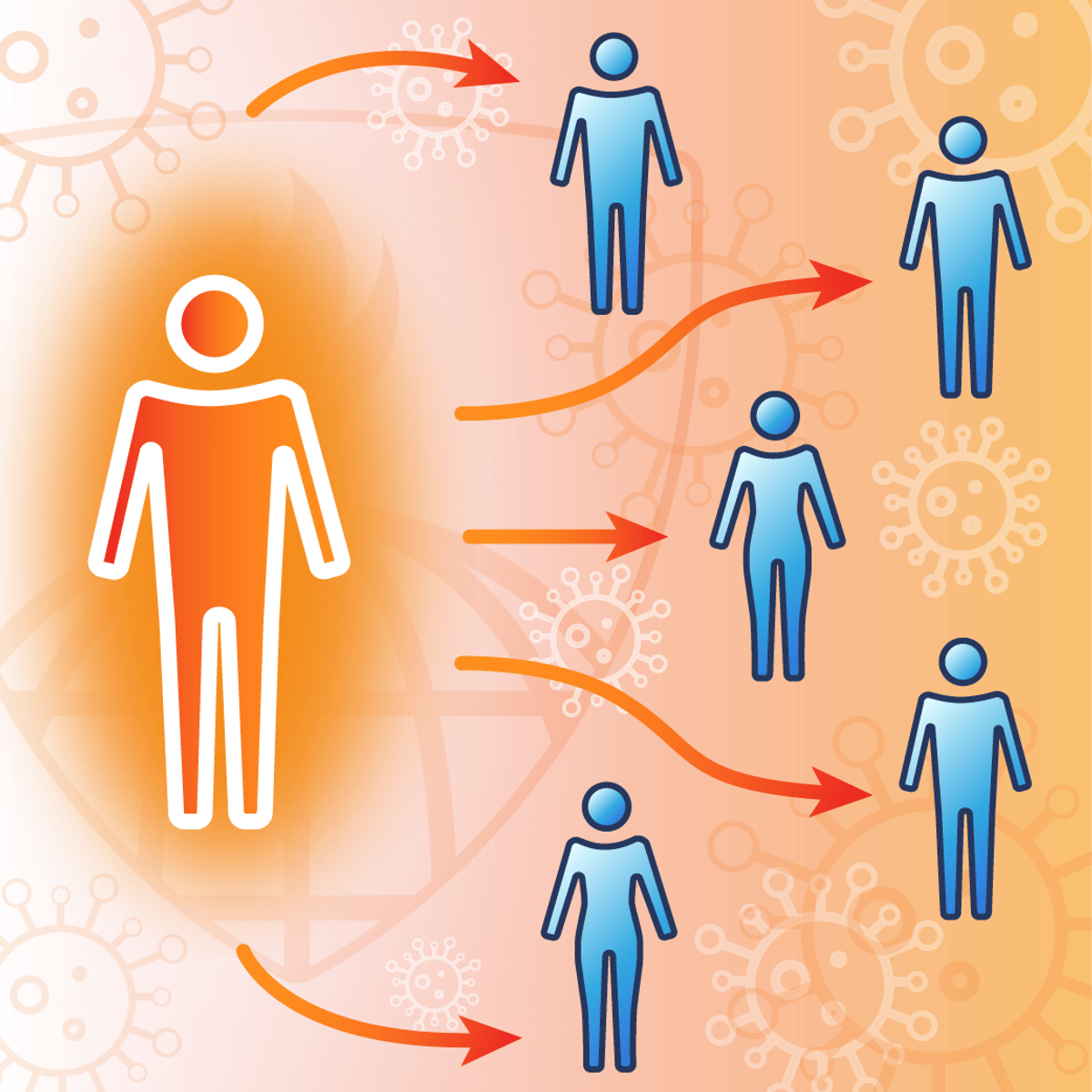
Infectious Disease Modeling in Practice
Skills:
ML Maths Basics80%
Mathematical modeling is an increasingly widespread tool for understanding infectious disease transmission and informing public health decision making. This course provides an in depth overview of the practical uses of mathematical modeling for a range of diseases and scenarios. We cover the basic principles of infectious disease models, how models are adapted to be specific to the disease and question of interest, and important assumptions of different models. We will discuss how data informs models, how models can be used to interpret data, uncertainty in model results, and pros and cons of different modeling and analytic approaches. In each module we focus on a use case for models: evaluating potential control strategies, quantifying and comparing the transmission rate of infections, and for forecasting future disease burden.
Learners will get the most out of this course if they are familiar with the basics of infectious disease epidemiology and some university level mathematics background. Those who are interested in a more basic overview of model uses in public health decision-making without the requirement for any mathematics background are recommended to view our companion course, Infectious Disease Transmission Models for Decision Makers. Learners who have a stronger quantitative background and are interested in learning to construct models themselves are suggested to consider the Infectious Disease Modeling Specialization developed by Imperial College London.
Watch on Coursera ↗
(saves to browser)
Sign in to unlock AI tutor explanation · ⚡30
More on: ML Maths Basics
View skill →




Related AI Lessons
⚡
⚡
⚡
⚡
Why Most “Innovative” Ideas Fail.
Medium · Data Science
From Raw Data to Risk Classes
Medium · Data Science
Modern businesses Data Analytics vs Data Science: Which Strategy Actually Drives Business Growth in…
Medium · Data Science
Python for Data Science — Handling Missing Values in Pandas
Medium · Programming
🎓
Tutor Explanation

 DeepCamp AI