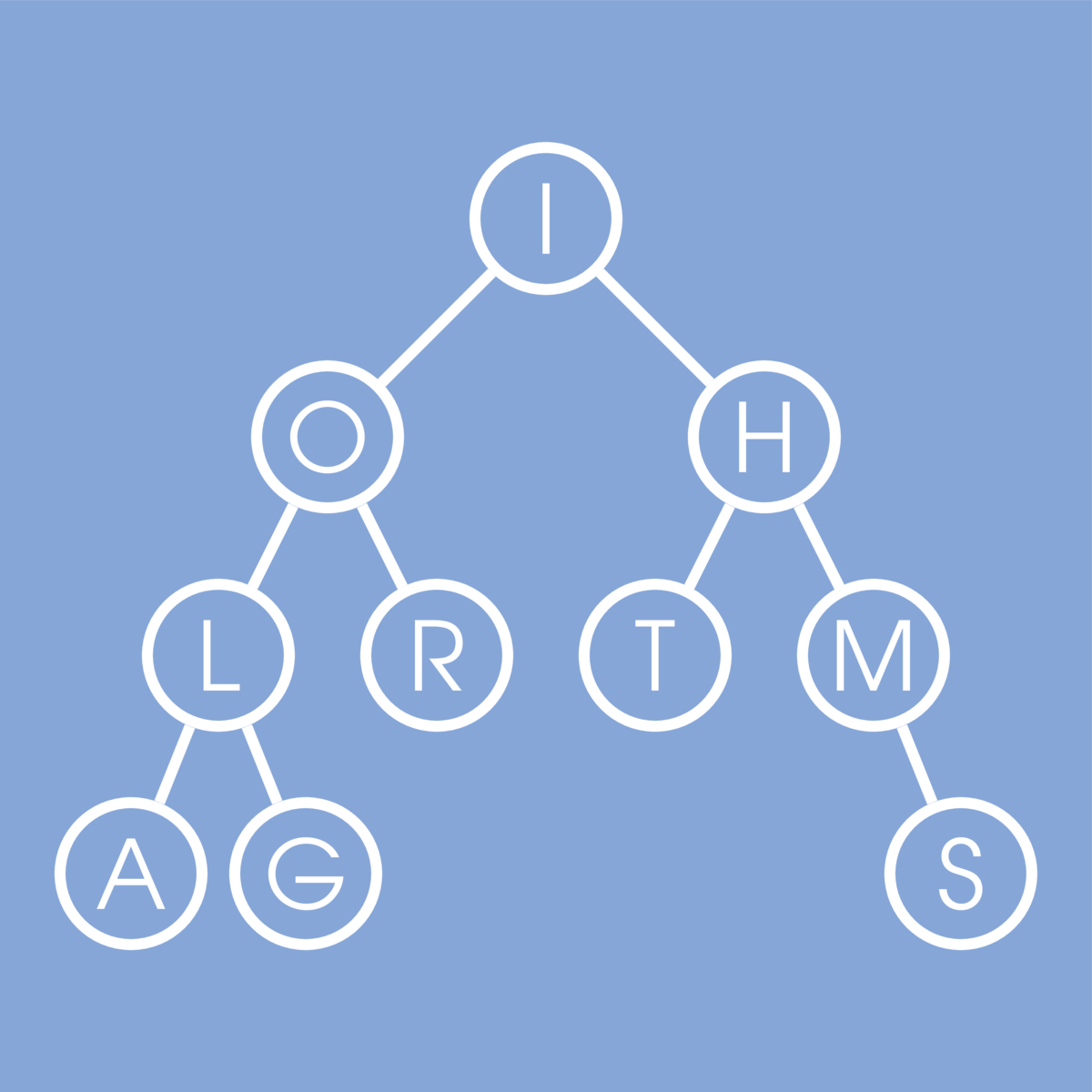
Genome Assembly Programming Challenge
Skills:
Reading ML Papers70%
Key Takeaways
Solves a genome assembly programming challenge using bioinformatics tools and techniques
Original Description
In Spring 2011, thousands of people in Germany were hospitalized with a deadly disease that started as food poisoning with bloody diarrhea and often led to kidney failure. It was the beginning of the deadliest outbreak in recent history, caused by a mysterious bacterial strain that we will refer to as E. coli X. Soon, German officials linked the outbreak to a restaurant in Lübeck, where nearly 20% of the patrons had developed bloody diarrhea in a single week. At this point, biologists knew that they were facing a previously unknown pathogen and that traditional methods would not suffice – computational biologists would be needed to assemble and analyze the genome of the newly emerged pathogen.
To investigate the evolutionary origin and pathogenic potential of the outbreak strain, researchers started a crowdsourced research program. They released bacterial DNA sequencing data from one of a patient, which elicited a burst of analyses carried out by computational biologists on four continents. They even used GitHub for the project: https://github.com/ehec-outbreak-crowdsourced/BGI-data-analysis/wiki
The 2011 German outbreak represented an early example of epidemiologists collaborating with computational biologists to stop an outbreak. In this online course you will follow in the footsteps of the bioinformaticians investigating the outbreak by developing a program to assemble the genome of the E. coli X from millions of overlapping substrings of the E.coli X genome.
Watch on External: Coursera ↗
(saves to browser)
Sign in to unlock AI tutor explanation · ⚡30
More on: Reading ML Papers
View skill →







Related AI Lessons
⚡
⚡
⚡
⚡
I Spent Weeks Looking for a Research Gap Before I Realized I Was Searching the Wrong Way
Medium · AI
ICMI 2026 Reviews [D]
Reddit r/MachineLearning
Workshop submission for main conference paper under review [D]
Reddit r/MachineLearning
Kept context-switching between arxiv, OpenReview, GitHub, and HuggingFace for every paper, so I built this. Chrome extension + website with everything inline, plus citation graph + SPECTER2 neighbors. 3M papers, free, feedback welcome [P]
Reddit r/MachineLearning
🎓
Tutor Explanation

 DeepCamp AI