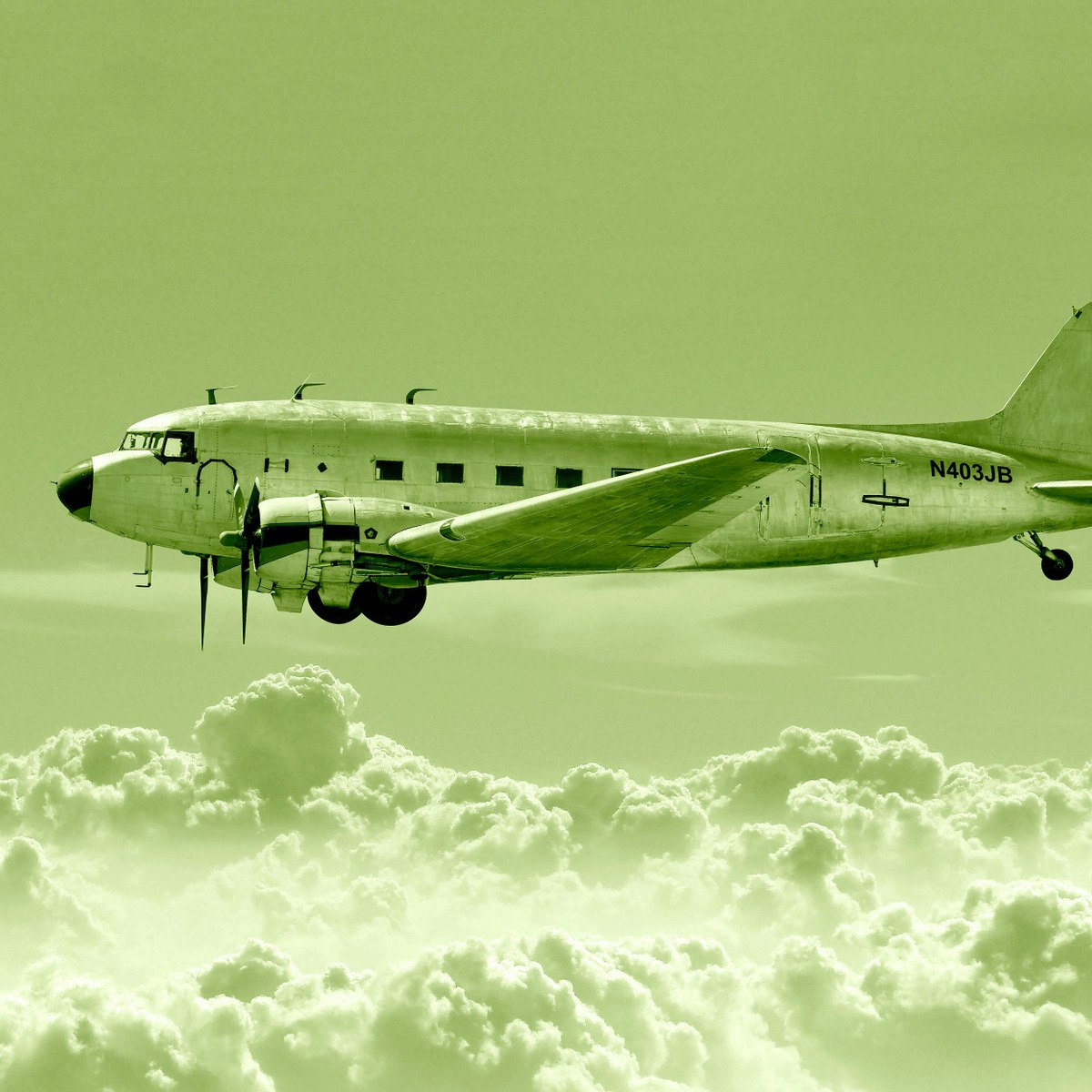
Flight mechanics - Propulsive balance and energy
This course is dedicated to energy management, i.e. speed and altitude control.
The various sources of drag are first described and modeled, as well as thrust origin, and evolution with speed and altitude. Using these models, we can evaluate the propulsive balance and derive important concepts like flight regimes, best climb speed, or propulsion ceiling.
We take then a glance at cruise performances and the evolution of range with weight.
This course is a part of the specialization "Fundamentals of Flight mechanics".
Watch on Coursera ↗
(saves to browser)
Sign in to unlock AI tutor explanation · ⚡30
More on: ML Maths Basics
View skill →




Related AI Lessons
⚡
⚡
⚡
⚡
The Future of RAG: Dead, Evolving… or Becoming the Brain of AI?
Medium · Machine Learning
Smart Routing, Transfer Family Ingestion, and Voice Chat — Permission-Aware RAG v4.2
Dev.to · Yoshiki Fujiwara(藤原 善基)@AWS Community Builder
Most Companies Doing GenAI Are Really Just Doing RAG: RAGOps Explained for analysts
Medium · RAG
RAG - Sliding Window, Token Based Chunking and PDF Chunking Packages
Dev.to AI
🎓
Tutor Explanation

 DeepCamp AI