Exploring Data Science, ML & Data Analytics | Be the Future of Tech | GeeksforGeeks X IBM
Key Takeaways
Exploring Data Science, ML, and Data Analytics with IBM certifications
Full Transcript
are we live okay so we are live now hello everyone I'm hoping you guys are doing great my name is Ashi jangra I'm data science Mentor at Geeks for geeks hello everyone I hope I am audible to you so uh this session is specifically dedicated to uh one of the key faculty that we have here or a key expert that we have here uh especially coming from IBM uh so uh he's having a diverse experience in the field of data science and AI when I'm saying diverse experience I mean to say all the different fields of data science which includes machine learning which include deep learning which includes uh AI which includes working on Text data working on optimizing the algorithms and also deploying the algorithms deploying the projects to the uh to the client side as well also worked on one of the uh top companies that that you might have heard of like he has worked on Tata steel Titan icnb uh so these are the top companies as a key client like he he has managed managed as well so welcome Mr kishik Pak sir hello sir yeah hi uh thanks thanks for that so uh like uh rishik sir is going to take the session forward forward by discussing about the different opportunities that you have uh with with IBM its own portal as well like they have their own uh uh like portal for data science AML tasks uh where they have end to end processes so rishik will take you forward for the career opportunity for the future and at the end of the session uh I also have a special surprise for you uh like because we have uh like n with the team of IBM the intelligent people where we are coming out with some of the certification with IBM so I'll take uh that thing at we'll talk about that thing at the end so over to you rishik sir okay okay just give me half a minute uh all right at the meantime whosoever is having any question any doubt uh in the uh like during if you have any questions so make sure to add it in the chat at the end of the session we will discuss about uh we'll discuss the answer of those questions as well so you can mention it in the chats okay so okay just to check again uh am I so is my audio clear yes yes all good sir all good sure okay uh thanks for that okay so and uh so I I don't know if it's audible to you guys or not but then uh uh so I mean there could be some background noise noise there is a concert going on right next to my house I hope the background noise is not much of a disturbance but let's see yeah let me know uh in case there is any issue with my audio my hearing or anything like that right all right all right uh fine then okay so let me share my screen okay so um I've shared a screen sharing request can you please approve it okay yeah sure thank you so much all right okay uh is my my screen visible so okay let me just open up a chat window as well in case yes yes sir it is sure all right yeah thank you so much all right so yeah uh uh very good morning good afternoon or good evening to each and every participant over here uh so what I understand is uh so what I was told by uh my folks at IBM as well as folks from uh geek for geeks is that uh this particular session uh it it would be some sort of a let's say maybe a beginner level or maybe up at the most up to an intermediate level session right uh and I was told that I should be focusing in and around topics of let's say data science and maybe to stretch it as well uh let's say some aspects of machine learning uh and AI as well right and uh what I understand is uh the participants over here uh some of you are probably just getting started with your journey in the field of data science ml right uh some of you may already be doing some tasks around it uh maybe some use cases around it right uh but then yeah uh I'll I'll try to sort of balance the sort of skill levels of all the participants over here and uh as we progress do let me know in case some of the participants uh wish to sort of go into even more deeper topics of the uh slides that I'll be presenting right so I happy to sort of get into any level of detail as we progress right not a problem at all right okay so let's see all right so yeah uh I I'll skip the slide but then yeah my my name is rishikesh Pak and I'll be sort of hopefully uh taking you through some of these topics around data science ml Ai and uh I've been with IBM for quite a long time now approximately 10 years and overall 12 years of experience is what I'll say right um yeah so from a topics perspective these are the topics which I have uh planned out for this particular session so we'll talk about of course what is data science we'll talk about some aspects around what exactly is machine learning what exactly is AI as well right uh we'll talk about what does a machine learning model do uh how does it work again not in a lot of detail but maybe at an level one level two detail as well right uh we'll also talk about some of the algorithms when we talk about data science uh there are some aspect ects around let's say mathematics statistics and then we also move towards some of the algorithms as well right so we'll talk about some of the algorithms right um and slowly slowly we'll move towards some of the uh basic use cases as well as some of the industry applications so when I talk about industry applications these would be certain applications which either me or my team uh we have been involved in uh we have implemented uh across certain industries that uh that are quite popular right and I mean although there is a Q&A section at the end of the uh I mean my slides right but what I'll encourage is that uh every few minutes maybe every 5 to 10 minutes I will be sort of pausing and I I'm very very happy to take any kind of questions which anybody over here has right so every 5 to 10 minutes whenever there is a logical uh sort of end to a topic I'll be pausing and uh we can take up any questions that we have right uh I believe uh you do have access to the chat window so please feel free to put any sort of questions and uh I can take them either myself or the team from uh Geeks for geeks we can definitely take up your questions as well right okay all right uh okay so let's start with some terminology over here right okay uh let's check this all right let's start with some terminology over here right now if any of us does a simple Google search around let's say what exactly is data science what exactly is machine learning what exactly is a right there's a very good chance that you'll be sort of given uh a variety of answers uh so if you frankly if you ask me uh each and every different textbook might give a slightly different flavor or a slightly different version of what exactly AI is or how do you define machine learning how do you define data science as well right uh but at least what I I felt and what uh sort of I've tried to sort of put a gist on this particular slide is that U it's like a condensed form of whatever we I I could gather from available sources right and this is this is essentially what we also propose to our own clients as well uh regarding the distinction between AI machine learning deep learning and data science as well right so let me break bring this up so if I can put it uh pictorially right so at a very high level uh we have this umbrella of Technology something called as artificial intelligence uh AI for short right and what exactly is AI uh if I go by the slide it basically says that it enables computers to perform tasks that normally require human intelligence right let me just bring up a pen over here okay so as it says artificial intelligence essentially what you're trying to do is you're trying to enable a computer you're trying to make a computer perform tasks that normally require human intelligence right so if I give you one uh example over here right so let's say let's say in a bank right so whether or not to approve a particular transaction or whether or not to approve a particular loan application whether or not you want to uh figure out how how do I sort of categorize my npas how do I um uh I mean one particular client or one particular account should it go to I mean should it be like a premium customer or some other customer so these kind of decisions of course there are certain rules there are certain Bank policies around it but uh is it possible to program a computer or is it possible to enable a computer to make those decisions of let's say uh uh approving a trade transaction or approving a loan application right uh if you are able to feed in that knowledge or that capability in a computer uh the computer will be able to perform tasks that uh let's say a loan officer would do or a uh let's say a savings uh maybe a savings officer would do right so at a very high level artificial intelligence it includes all those Technologies all those capabilities which enable a computer to perform humanik tasks right inside it uh there's something called as machine learning so machine learning is of of course a subset of artificial intelligence and when we talk about machine learning uh let me highlight this particular point over here so yeah techniques to learn from historical data so when we talk about machine learning the most important thing is that there should be some historical data and the computer or whatever program you write yet uh the computer should be able to learn from historical data one classic example for this let's say you have sales data right right uh let's take uh I don't know maybe a Hindustan Uno lever company right so let's say they have sales data for surf Excel or some other let's say maybe a dove or a pi and so on right so if they have certain sales data of their products of the let's say the last 6 months they have it till maybe December of 2024 what could be the sales in January 25 what could be the sales in February 25 right that essentially is how you are learning from historical data how you are making certain future predictions so that uh you can make Better Business decisions right that essentially is the entire area of machine learning right if I go one level deeper again that is wherein we enter the area of deep learning deep learning as it says it is a subset of machine learning and if I can highlight one particular point over here here uh it makes use of something called as artificial neural networks so some of you may be aware of how a neural network looks there are these neurons uh you have these connections between neurons and so on right so whenever we talk about deep learning point number one is that we definitely need to make use of artificial neural networks right and point number two uh it is I mean it it usually comes into picture whenever traditional machine learning fails right uh but yeah let's I mean I I I'll restrict myself uh to that for now for the time being right that's deep learning and yeah when you talk about data science notice how the umbrella of data science sort of cuts across these different domains so data science uh I mean somebody who is learning data science he or she definitely needs to know about statistics mathematics certain let's say visualization techniques right and the whole idea of data science is to turn data into into insights so if I can highlight this over here right the whole idea of data science is to turn data into insights what does that mean you have certain raw data what information can you get from the raw data which can be beneficial for let's say an organization or any other sort of uh uh company that you're working for right so turning data or raw data into insights is what data science essentially is Right another definition that uh the slide tries to bring up uh it can be described as the process of obtaining transforming analyzing and communicating data to answer a question right so notice the different phases if we can put it that way right right so it is the process of obtaining obtaining data that's part one transforming data that's part two analyzing it part three whatever analysis you do communicating it right and finally the whole intention is to get certain insights to take better decisions to answer certain questions right so as I said uh this I mean the definitions that you have over here May may not be very very accurate may not be the most complete definitions but if you ask me uh how can I explain these terminologies uh at let's say level zero level one right uh this kind of uh definition definitely helps and this is something which even our clients appreciate that without going into too much of details without giving them one parag paragraph of or two paragraph of answers a couple of an couple of statements which definitely does the job over here right okay uh all right let me just check if there are any queries in the chat window at the moment okay I don't see any queries uh at the moment all right I guess I can continue okay all right so we talk we spoke about uh what exactly is AI right we spoke about what exactly is machine learning what exactly is data science what exactly is deep learning right let me try and go into one level detail over here right so when we talk about uh data science or machine learning what I mean you'll very frequently you'll figure uh you'll hear this term something called as a model right so I mean this particular slide it tries to explain what exactly is a machine learning model right machine learning SL data science model I'll put it both ways uh because at the end of the day if you ask me uh the task of a machine learning model or a data science related model essentially it boils down to some sort of prediction uh predicting some aspect of the future that uh future related to the data right so one table that you see over here uh let me just give me one second let me bring this up uh hold all right so one table that you see in front of you so you have uh customer ID as one of the columns you have have balance right uh you have a column called monthly savings you have a column called greater than one account right uh you have a column called account type and finally you have a column called churn right so assume that this is a historical data for a particular financial institution or maybe a bank right and the data it talks about certain C customers you have certain customer IDs it talks about certain balance related information uh it talks about certain Savings of the account right on an average what are the savings um it talks about whether the particular customer ID it has only one account or more than one account right so there's a very good chance that let's say uh I mean some of the customers might have a loan account as well as a savings account as well as a credit card account and so on right uh you also have a column called account type right uh notice one thing the account type column it is encoded so for example G could be a savings account T could be maybe a current account a corporate account right XD could be a uh credit card account right so account type it is encoded in this particular data and finally you have a column called churn right I've highlighted over here uh churn is nothing but whether or not this particular customer is it is this customer still an active customer or has the customer left the bank uh because of whatever reason right so churn uh think of it this way that whether or not the customer is still a customer of the bank or whether the customer has left the services has closed the account right so if I take the first R over here so notice customer ID so it is 673 XY 673 it has a balance of let's assume 1,000 over here right a monthly savings of 25 greater than one account yes right account type of G and notice the churn value it is why essentially what we are saying is that this particular customer has churned has closed the account and uh left the services of the bank right let's take one more example the last row over here so we have customer ID of h45 with a balance of 525 right monthly savings of 100 uh greater than one account no account type is XD uh this customer churn is is no basically means that this customer is still an active customer of the bank right I'll repeat that so the fourth row what we are saying is it has the customer has certain details and churn is equal to no meaning that the customer is still an active customer of the bank right now you have certain historical data like this right and when you talk about a machine learning model or when we talk about any sort of a data analysis or any algorithm that we want to apply on this right uh at a very very basic level at a very very sort of high level uh what does a model do as it as you can notice it says model will try and search for common characteristics across all these customers I repeat that so what what the model tries to do is that it it searches for common character SS across all these customers right uh a simple graph shown over here notice that uh okay yeah notice that the values of Y and N over here right so churn is equal to Y plotted in red over here and churn is equal to no plotted in Black over here right so this is a graph of churn is equal to Y how does it look churn is equal to no how how does it look right and one clearcut I mean just to put it very simply over here one clearcut uh sort of segregation that you see is the blue line on your screen so notice that there is this blue line here it is right the Blue Line tries to sort of find certain common characteristics and it tries to create a separation between churn is equal to Y and churn is equal to no if I can put that in other words uh looking at this graph what you can definitely say is that churn is equal to no customers are more concentrated or are towards the top right hand side of the graph right top right hand side whereas churn is equal to yes R towards at the bottom left hand side of the graph right and that's how the Blue Line tries to separate out segregate these data points right so essentially the model tries to create some sort of a separation like this so as to figure out that what kind of I mean who are the churn customers who are the active customers right that's how you can probably put it and that's what is represented in the third point over here so model generates certain rules and patterns that can predict churn right so churn is likely when maybe age is great greater than 50 or maybe account balance is less than 100 and so on right certain parameters over here and finally what we can we do get is some sort of a table which says these are the set of customers which are at risk of churning out in other words these are the set of customers which are at risk of closing their account right so net net uh when you talk about any kind of a machine learning or data science model which you will come across uh uh in in this particular field uh the model tries to learn from historical data point number two uh the model tries to search for certain common patterns and from these common patterns it tries to predict let's say churn or any other field of interest that you have right all right okay uh let me check if there are any questions at this point okay I don't see any questions all right let me continue okay so this this was just a quick introduction about what does a model do let me proceed with certain algorithms as well right so let's let's bring up the table itself right uh give me one second all right so from an algorithm's perspective frankly if you ask me there are like hundreds and hundred hundreds of algorithms out there right uh but at least from a level one level two perspective what I recommend to our clients as well as to uh the students as well is that at a very high level if you able to master maybe 10 to 15 of the commonly used algorithms the rest you will be able to figure out right and some of the commonly used algorithms is what I've have tried to list on this particular slide over here right these are some of the most I mean very basic and very common algorithms uh and yeah as we progress as you progress in your journey you will encounter the higher sort of complexity algorithms as well right if I sort of break this uh slide into the different uh techniques over here so first and foremost there's some something called as a classification technique essentially what this involves is uh we are trying to predict group membership right so used to predict group membership uh example will this customer leave right uh the the example that we have over here right so will this customer churn that is a classification technique right is a banking transaction genuine or fraud that again is a classification technique right uh some examples of algorithms over here so there's something called as a logistic regression uh decision trees support Vector machines and so on right I'll not go into the details of these algorithms in this particular session but yeah uh a few algorithms listed logistic regression decision trees and support Vector machines as well right uh segmentation uh used to segment data into groups or in other words you it is also commonly called as clustering uh so if you have let's say customer data right and you want to figure out who are my high value customers who are my low value customers uh there are certain segmentation or clustering techniques uh by which you can create these different segments or different groups right uh one of the most basic algorithms uh is something called as K means when we talk about segmentation or clustering over here right the next one something called as Association right as the slide says used to find events that occur together what does this mean uh so one a very simple example or a popular example that is given over here is something called as a Market Basket analysis right Market Basket analysis uh so for example uh if somebody buys bread there's a very good chance that the person will also buy butter or maybe eggs right or maybe a jam as well right so if somebody buys bread very good chance that the person will also buy butter or maybe eggs and so on right so that is an example of Association finding events that occur together right one example algorithm shown over here uh something called as a Priory right um and finally uh the technique something called as regression regression essentially what it involves is you're trying to find relationship between dependent variable and independent variable put it simply uh these are certain techniques which use certain statistical equation I like to think of it that way that usually there are mathematical equations right and if a particular technique follows a particular mathematical equation specifically around let's say continuous features right continuous variables uh then that can be there's a very good chance it will use the regression technique one example uh given over here something called as linear regression regession right okay I think I saw some activity in the chat let me quickly check uh okay I think uh let me quickly check okay so what I'm guessing is what what I looking at the questions that I see right uh some of these questions will be answered in the next let's say 45 minutes of session that I'll be taking right so yeah please keep going with your questions not a problem uh anything related to uh some of the sort of next slides I'll park it for now anything related to slides already covered I'll definitely answer and I see one question uh specifically around algorithm for example it says on what basis do we find the algorithm so again uh there is no single answer to this uh but if if I give you a broad sort of thumb certain thumb rules or recommendations right if you have a categorical feature to predict categorical output right so yes no kind of an output or something like uh different classes right then it is more often than not it will be a classification kind of algorithm right if you want to do certain clustering certain grouping uh segmentation is your Technique if you want to find out what pair of events occur together Association is your Technique and if there is a statistical equation involved specifically around let's say continuous variables uh there's a very good chance regression can be used right that's part one of the answer part two if you ask me among these techniques let's say among the classification techniques which one should I use right uh again there are a lot of sort of checks that need to be done before using a particular technique uh so for example let's say a logistic right logistic typically follows again there is an equation involved and there are certain sort of assumptions inv worlded as well right related to decision trees as well uh there are certain assumptions and so on uh for this session again as I said at a level zero level one what I would recommend is that if you are trying to solve a use case go with some of the easier algorithms first something like a logistic or a decision tree right go go with the easier algorithms first and then experiment with some of the more complicated ones something like an support Vector machine svm or uh so on and so forth right so uh I hope I was able to answer the algorithm question at least to some extent uh a detailed answer I'll let me know if you need a detailed answer on that as well or any specific question let me know I can pinpoint and answer that right uh okay the other questions that I see I'll park it for now uh if those questions remain unanswered unanswered let me know I can get back to it but I am quite sure that as we progress you will get your answers to those questions as well right okay so yeah some very basic use cases uh for data science or ml right and when I say that of course so uh every sort of textbook or every sort of let's say uh uh sort of online material that you have they will definitely try and sort of uh bring this bring these use cases in front as well so uh the first one that we have something called as fraud detection essentially what involves is that if there is a let's say banking transaction right so is the transaction genuine or a fraud transaction right that essentially involves that essentially is what fraud detection is all about right the next one product recommendation this is usually done I mean I'm pretty sure most of you would have experience with let's say online marketplaces Amazon or a flip cart or any other marketplaces right and depending on your past purchase or depending on your current browsing history uh I mean the marketplace tries to sort of sort of suggest you or recommend you some more products right a very basic example if I can give you right now so let's say you want to buy maybe a whiteboard right you want to buy a whiteboard you go to Amazon and you search for a whiteboard right uh you take a look at the features what the size of the Whiteboard is and if you scroll down you'll see some sort of a section which says people who have bought a whiteboard have also purchased maybe a duster maybe a whiteboard marker maybe a whiteboard stand or maybe a whiteboard hook and so on right so that essentially is what product recommendation is all about uh depending on your past history or depending on your current browsing pattern try and suggest you certain more product recommendations right uh finding certain patterns or Trends so this you can definitely uh sort of have a clustering example over here wherein uh if you have a sort of mix of customers then can you segregate those customers or can you find certain patterns or Trends to segregate out those different let's say customers or any other uh object of Interest right um pricing yeah so depending on let's say whether or not there is a sale upcoming sale or whether or not a particular mobile phone is in high demand yes no right depending on certain depending on that product pricing decisions can also be taken over here right and yeah last few years things around let's say object detection autonomous vehicles uh uh drone images Drone footage and so on so things around those aspects image related data that is also picking up and of course uh as we move forward uh you will definitely see more and more of these use cases getting implemented as well right okay all right so these were some of the sort of basic use cases if I can put it that way uh the next section which uh I'll I'd like to cover is that if some of you are trying to implement a particular data science or ml or AI use case how do you go about doing that right so of course knowledge about statistics mathematics algorithms maybe a python or uh programming and these things that is of course required no doubts about it right but from a uh high level perspective from a project management perspective as well right uh you as a data scientist or you as an ml or an AI engineer what are the things that you should do so that your Endeavor your use case become successful right next few slide talks about that and what I'd like to bring about over here is something called as a methodology something called as crisp DM uh it stands for cross industry standard process for data mining I'll repeat that so the full form is cross industry standard process for data mining also called as Chris BM and it is definitely one of the leading methodologies used by data scientists uh again I'm not saying this is the only option or this is the only methodology that you should follow right but what we have noticed right uh so even in my own engagements and depending on the clients that I have spoken to right what we have observed is that even the clients uh they do follow some variation of the diagram that you see on your screen right some variation of this methodology itself what exact is this method or this methodology so if I yeah if I take you through the diagram so it starts with a phase called as business understanding followed by data understanding data preparation modeling evaluation and finally deployment right so first phase as I said is around business understanding right uh data understanding data preparation modeling evaluation and deployment over here right uh so think about think about it this way so some of you may have heard of this term something called as kdd right knowledge Discovery in datab bases this is something very similar to kdd uh knowledge discovering databases wherein this particular methodology it takes you through step one step two two step three of what exactly these steps are and you as data scientist what you should be doing in those steps right uh let me go one level detail over here so the first phase or the first step something called as business understanding right again you see a lot of text or a lot of sort of things going on on this particular SL I'll not I mean I I I'll keep try to keep things simple um essentially what this particular phase involves is that you need to figure out what exactly is the business problem you are trying to solve right and you need to figure out how I mean at at a high level what should be the plan how should how should the plan go about right so uh you need to determine what is the business objective what is the problem statement you're trying to solve right what is the success criteria do you need a 60% accuracy or is 80% mandatory or is 99% mandatory right so figuring out the uh business success criteria figuring figuring out the let's say uh inventory of resources that you have right be it uh let's say the number of data scientist what is the tools that you'll be using and so on right uh figuring out what is the business terminology for example uh let's say you working on a Telecom data uh in Telecom there is a kpi something called as arpu right average revenue per user right so as data scientists we need to be aware of the at least some of the terminologies of the business problem that we are trying to solve right U if it is a banking data set we need to be aware of what exactly is let's say an NPA right non-performing asset how exactly is the NPA classified and so on right again I'm not asking you guys to be the masters of the terminology but at least at a basic level uh we should figure out these terminologies and if we don't know ask the business person uh as well right not a problem right so determining the objectives terminology success criteria and finally some sort of a plan to go about implementing this right that's the idea about business understanding over here right the next phase something called as data understanding data understanding as the name says you are trying to figure out how exactly your data is right so first and foremost you collect your data you try and describe your data how many number of rows how many number of columns how many continuous columns how many categorical columns right uh you try and explore your data figure out if there are certain interesting histograms that you can draw certain interesting bar charts or certain interesting Scatter Plots that you can draw right and you also in the mean time you also figure out uh I mean how good your data is so are there any outliers are there how many missing values do you have uh is the data good enough for your own use case right that's essentially what you're are trying to figure out over here right is the data good enough to address your use case right that's phase two phase three as the name says uh data preparation so basically raw data you are preparing it and making it ready for an algorithm I'll repeat that so when we talk about data preparation essentially what you're trying to do is that you have certain raw data you are preparing it you are transforming it you are cleaning it to make it suitable make it ready for a particular algorithm right uh certain subtasks that you see so let's say selecting a particular data Maybe sampling Right cleaning your data right uh constructing new features something called as derived attributes right and any sort of Transformations or formatting that is required right again this will depend on use case to use case data set to data set but as data scientists uh we need to be sort of inquisitive we need to be sort of U uh I mean we need to imagine what are the different possibilities of formatting data transforming data to make it suitable for a particular algorithm right so that's the phase three next phase is wherein uh something called as modeling and you try and apply particular algorithm use a particular algorithm to create the model right so you select the technique is it a classification is it a regression is it a segmentation is it an association and so on right select a particular technique select a particular algorithm and finally you build your model over here right once the model is built the next part is evaluation wherein you are trying to figure out how good your model is so is it giving you an accuracy of 60% right now is it giving you an accuracy of 80% and so on right so evaluate the results right ensuring that the business team or uh the end user are kept in confidence as well right so evaluate your results and there's a very good chance that in your first iteration or the second iteration the results will not be very good you'll probably achieve maybe 10 10% accuracy or 50% accuracy right and hence this particular process notice that when you evaluate uh you can of course go back to one of the previous steps do some rework and come back right so it is a cyclical process between business understanding to evaluation and only and only when you are thoroughly convinced of the evalu metric let's say you're happy with maybe 90% accuracy or 95% accuracy right then you can proceed to the deployment side of things where in you are deploying it across the organization you are making the model available to the end users right uh for example let's say a loan prediction model right uh initial testing can be done at at the business Team level maybe a central office of a bank whereas once it deployment is done that particular model will I mean will will be made available across all the branches of the bank right so branches across let's say India or across the world as well right so that's essentially what deployment involves right so yeah uh this particular methodology Chris Bri uh one of the most leading methodologies used by data scientists and more often than not what you will figure out is that as you Pro proceed in your journey uh your own company or even let's say some of the online tutorials or online uh let's say GitHub links K nuggets kagal Etc right these notebooks also follow some sort of a methodology some sort of a pattern uh that's shown on your screen over here right okay okay let me check if there are any questions uh till this point okay yeah some of the pending questions I I hope they get ANW in the next few slides otherwise yeah feel free to ask me again and again I'll I'll more than happy to cover that as well right okay all right now let's talk about some industry applications right uh so hold on uh one second okay okay okay yeah so yeah let's talk about some industry applications so uh the next few slides that you will have on your screen are some of the uh industry applications and when I say industry application these applications are certain implementations which either I have been directly involved in or my team has been directly involved in right so you'll notice a wide variety of applications wide variety of Industries and yeah I'll I'll try to cover as many sort of different uh sort of techniques as we speak about them right okay uh I can see a few more questions thanks for the question uh I'll cover a few few more slides and then I'll definitely answer these questions not a problem right okay so let's talk about some industry application so the first industry application uh one company one of the leading mining companies across the globe uh so in this particular Mining Company uh what was happening is that the client was looking for a solution so the client was looking for a solution which would allow them to move from a reactive Asset Management to a more predictive approach what do I mean by that so when you talk talk about any sort of a mining company right uh picture I mean you have these large mines over here there and uh in those mines there are a lot of let's say trucks like this right there are there are a lot of Machinery a lot of conveyor belts right and the whole purpose of a particular mine is to extract certain raw material certain resources and bring it to a particular let's say uh maybe an uh sort of a steel plant or any other Factory over here right so one of the leading clients uh of mining they were looking for an approach some sort of a solution which would allow them to move from uh reactive Asset Management to a more productive approach so for example let's say a basic example of a truck right uh a sample truck is shown on your slide over here uh when we got into this particular engagement what we realized is that each of these strs uh it has a lot of sensors across its different uh sort of parts that you have right so certain sensors uh uh which monitor the tire Health right certain sensors around engine certain sensors around weight of the payload right certain sensors which measure the sort of vibration levels and so on right so there were about 150 to 200 different sensors over here and uh what the client told us definitely was that if a particular Machinery fails if a particular truck fails it is usually because some sort of a human error or some sort of a let's say prolonged use without any maintenance or without any sort of uh uh comparing that goes on right so again I I'm I'm putting the problem statement in a very I mean in a very basic level at this point but yeah a whole host of sensors that we had and using this data uh the client had asked us to figure out uh at what time will a particular Machinery fail I repeat that so using these sensors the sensor data uh the client had asked us to figure out at what time will a particular Machinery fail right uh so I mean we created a whole host of models right one of the models essentially for this particular use case it it used to tell that this particular machinery would require maintenance maybe 2 weeks from now and if nothing is done in let's say the next two weeks there's a very good chance or maybe there's a 90% chance that in the third week or in the fourth week uh the machine might break down right so this is at a high level what what the uh model would tell this particular uh sort of application over here right so a more predictive approach is what the client was interested in and yeah uh as you notice uh in the bottom part of your screen the blue blue bar so the end goal was to have certain early deduction of equipment failures predictive maintenance right predictive maintenance and the scheduling of that right and certain asset optimization so a lot of terminologies is thrown over here but uh if I can break it down early detection of equipment failures that is part one predictive maintenance and scheduling of that part two and asset optimization that's part three so this is uh one sort of end to endend use case which was done for this particular mining client that we had right uh a a slightly more detailed slide over here so yeah as it says certain dashboards and reports were created to understand the health of different assets be it a truck be it a conveyor be it some sort of a stacker reclaimer and so on right uh machine learning models were created for early detection of equipment M failures right uh and yeah I mean as I as I mentioned right certain factors such as operating time was the machine active for 6 hours or was it active for 16 hours at a stretch and so on right so operating time temperature pressure conditions sensor data and so on right and finally certain scheduling of Maintenance operations as well right and from a let's say techniques perspective skills perspective I have intentionally put certain uh sort of blue boxes on the right hand side so this particular end to end application was developed using python as the main languages yes and we did use skills around data visualization data science machine learning some aspects of AI as well over here right okay uh all right so this was one application uh I'll I'll briefly talk about the second application and then I'll talk about these questions right so yeah I can see some very detailed and sort of pinpointed questions thanks for that I I'll spend uh some time on these questions as well man uh yeah one one more application which myself and my team were involved in so this particular application was for banking uh specifically around the trade trade Finance domain so when we talk about trade you have these Import and Export transactions right and so for any sort of an import or export transaction there is basically a currency transaction which happens so let's say you are sending dollars out of India maybe or maybe you importing something you're sort of exporting something then probably you're getting maybe some do maybe maybe some money in maybe pound or maybe a Euro or a Yen and so on right so for a particular banking application trade finance application uh the client was looking for a solution to automate the processing of trade transactions right so a solution to automate the processing of trade transactions when you talk about trade transactions essentially it involves a lot of documents right so figuring out let's say who is the remitter who is the beneficiary uh who is the beneficiary sort of bank right is it maybe a JP Morgan or maybe a Lloyd's bank or maybe a Royal Bank of Scotland right what is the currency is it dollar is it Yen right so reading and understanding 100 plus trade documents and extracting more than 1,000 important Fields as I said so who is the remitter who is the beneficiary Remer country uh what is the Remer country what is the beneficiary country what is the currency what is the good that is being purchased uh what is the invoice amount what is the address uh what is the Swift Code and so on and so forth right so figuring out these thousand plus important fields and then finally recommend whether the trade transaction is to be approved or rejected that is the whole sort of goal over here right and so what used to happen is that before this appc ation all of this was a manual task so a bank officer would manually sort of uh take a look at these documents and based on based on his or his or her experience and his consultation with seniors uh the bank officer would approve a particular trade transaction or decline the trade transaction right that is what used to happen after this solution uh what I can definitely say is that the efficiency has gone up at least two to three times uh if I give you certain numbers so one particular trade officer who was able to do let's say around 60 to 70 transactions in a day is now able to do more than I mean about let's say 200 transactions a day easily right so the solution automates a lot of things it helps the trade officer figure out if there are any Red Flags uh so so for example you can't send money to buy AK-47 right or any sort of a machine weapon unless you are a government entity right or if you are buying gold uh you can buy gold with in certain restricted amounts but you can't buy a large amount of gold or maybe a crude oil right so the solution would sort of uh highlight these red flags if there are and it it definitely helped the trade officer to sort of improve his or her efficiency over here right so yeah that's another sort of Industry application which uh is giving very good results at the moment right uh all right okay so all right yeah so as the sort of takea away blue box that you see an end to end solution for processing trade documents and recommending trade approval or rejection over here that is one uh sort of Industry application which uh me and my team were definitely involved in right okay okay so uh let me just check the time we are at 8:00 over here okay so what I'll do is I'll take up some of the questions at this point and then I'll come to come back to some of some more industry applications right why not uh let me just check this okay so I have a question which says uh I'm starting as an SQL and bi developer all right what is a scope for me in current mask Market as an SQL Developer okay so when you talk about an SQL Developer frankly if you ask me uh SQL is definitely in scope and will remain in scope no matter what right so when you talk about let's say a data engineer or I mean the initial roles are called as data engineer or an SQL Developer right so as an if I mean if you're able to master SQL uh that is definitely one good skill to have and something like a data engineer uh is definitely available out there uh to sort of apply for and get the job as well right however having said that uh please also note that uh so as we are as as I'm speaking so it's like 20125 right now right so uh the market already has a lot of SQL developers right so although there are a lot of positions in I mean across companies uh you may need to be certain I mean you may need to sort of figure out which exactly company you want to apply for and uh the competition will not be easy easy so I mean there is competition uh in the SQL Developer field cuz again these are like traditional rules which have been existing for a very long time now right uh okay let me check the next question okay so okay hold on so okay I have an interesting question do does fresher need to learn data science data structures nowadays as AI are able to solve such problems right uh okay how do I answer this so see the thing is in 2025 right uh there has been an explosion of these large language models llm chat GPT and these things no doubt about it right uh can AI solve some of these use cases yes but can it can it replace a human being no right so if you ask me let's say for any use case right uh maybe 2 years back if it required let's say four data scientists or three data scientists for a particular use case right today there's a very good chance that probably one data scientist can accomplish it right taking the help of AI so what I can definitely say is that uh AI llms can it completely replace a human being no can it completely replace a data scientist no but uh it will definitely sort of uh enable existing data scientists or it it will increase the efficiency of the data scientists uh in a particular Organization no no doubt about it right uh and yeah one more sort of a side note which I can definitely say is that uh even today right uh companies are scared to completely rely on AI generated outputs right so an llm or an AI output if it generates something okay but companies don't I mean they can't blindly trust it right you need a human presence you need a human intervention or maybe human verification to ensure that AI is giving you good outputs so that will obviously be uh I mean it will definitely remain so I don't think that is going anywhere right um I hope that answers the question let me know uh if not let me know yeah um so I have a question again uh I'm learning data science machine learning generative AI okay uh my should we focus on the topics that can be us uh okay so okay this question is more about focusing on what topics for interview purpose right what I'll recommend is uh understand the position position that you are trying to sort of apply for right so if the position explicitly asks you for experience in AI experience in llms then at least for that particular interview your focus or your way of answering can be more towards llm side of things right whereas if the position is more from a let's say a broad level data science role right a broad level data scientist role then probably you can prepare accordingly right so I mean I mean you I mean at this point we can't say say this topic or that topic right I mean uh as you guys would already know um I mean there is immense competition last couple of years in the role of data scientists AI ml engineer as well we need to be prepared irrespective of what opportunity comes right what role comes right and but yeah depending on the job opening you can fine tune your answers you can fine tune your CV to suit what the interviewer is looking for yeah I I'll repeat that so depending on the job opening depending on the job description that you get uh you can probably finetune your CV you can find probably fine tune your answers to suit what the interviewer is looking for right so if the interviewer is more focused on llms your CV your way of answering can be slightly tilted towards that but if the interviewer is looking for a traditional data scientist Ro uh you can modify those answers accordingly right I I hope that answers the question let me know if not um okay let me check again okay let me just uh so this is consuming I'm just stopping my video for the next 5 minutes it is sort of interfering in the answers hold on so let me minimize this I'll just expand the chat window for the time [Music] being so okay I have a question how can we build projects to H skill required for practical aspects okay so uh again now working on okay okay I mean to answer your question um it depends on whether or not you are uh I mean you are let's say doing your engineering you are in your studying phase right now or are you actually uh working right now right so I I I'll try and answer both ways right let's assume you are a working professional right so if you are a working professional you may or may not be from a data science team right you may or may not be working with data sort of continuously that's okay but what I've seen is that if you are a working professional uh you can definitely try and maybe convince let's say your manager of what data can do to your team right and accordingly you sort of build incrementally to uh deliver use cases firstly focusing on your team your business and then maybe expanding to other teams right so one example which one of my colleagues had sort of one of my friends had done so he was working for a bank right he was not part of the data science team as such but then so he was part of the trade team trade transactions team right so initially what he did is that he did used to do certain analysis of trade transactions using Excel slowly slowly he went into python right uh again he was not a very very experienced of course data scientist but slowly slowly when he sort of gained his skills when he was able to convince his managers about the benefits of the analysis uh he was able to transition from a trade officer to a data scientist kind of a role right I I hope that kind of answers that question from a working professional perspective if you are a student uh what I'll recommend uh at this point is that uh take a look at some of the uh freely available data sets right publicly available data sets and uh over there uh the skill actually lies in how do I make the best use of my skills my techniques my algorithms to bring the best from whatever data that I have right so a publicly available data set you will find a lot of GitHub links you will find a lot of publicly available code as well right uh uh you need to sort of pick and choose uh I mean level one kind of a project mini project level two kind of a mini project level three kind of a mini project and so on and accordingly add it to your CV right uh I hope that kind of answers the question let me know if there is I mean you want me to discuss some more details or there is another sort of deeper question over here right so yeah that was a question from utar I believe yeah uh I already answered the question from uh yeah this question already answered okay let's okay okay yeah thanks a lot for the questions yeah let me take these one by one all right so um I have a question from Sai Kumar uh I heard these data roles varies from company to company and there will be large variability while getting into another company data job okay uh okay so yes so what you will definitely notice is that each company would have their own designations so some some might say some might call it a data scientist some might might call it a AI engineer some might call it a ml engineer some might just call it a finance analyst an HR analyst or an operations analyst and so on right so you will you will notice a sort of different designations right but at the end of the day if you ask me uh if you are in a particular industry the use cases remain the same for example ex if you are in a bank right the typical use cases for a bank would remain the same for an icic or a state bank or an HDFC or any other bank out there right so um what what what I tell my students is that uh focus on let's say these techniques focus on the use case right uh once you get a hang of it even switching between companies will not I mean you'll not be completely alienated or you'll not feel as if you are totally entering into a different domain right so uh yeah focus on the use case because at the end of the day for a particular industry use cases tend to remain the same right uh I hope that answers the question let me know if there are any more questions to that right uh okay I have another question from uh Rea over here okay data scientist should be aware of business okay so what I meant by that is that you need not be experts in the business but you should at least be aware of what the data is trying to tell you and when I say that you should be aware of what are the different columns uh what does let's say business terminology mean what does a non-performing asset NPA mean what does an arpu average revenue per user mean and so on so uh at least from a level Zer level one perspective a data scientist needs to get in touch with the business team and understand the business at least at a level zero level one perspective right uh I hope that is clear okay uh I have another question from aul over here okay let me check so the question is creating models and deployment is it handled by the same data scientist it depends as of today let's say 2025 some of the mature companies right some of the larger companies have a separate team for model development and they have a separate team for model deployment right but if you enter let's say of the maybe a startup right or maybe some of the not so mature companies right there's a very good chance that the same data scientist would be required to develop the model and deploy the same right so yeah that's how it is and but yeah one thing is definitely sure that as time goes on right many more and more companies are becoming mature from analytics data science MLA aai perspective and slowly and slowly you will notice that uh their I mean companies prefer a separate team for development model development and a separate team for deployment right um okay so that was part one of the question part two what I see is explain more about the model accuracy uh so what I meant by accuracy I I'm not sure uh so so what I meant is basically uh when you are creating a model uh how accurate the model is right is it giving you a 60% accuracy 0% accuracy 99% accuracy and so on right and for every technique so classification models have their own evaluation metrics accuracy metrics regression models have their own evaluation metrics right Association segmentation models have their own evaluation or accuracy metrics so uh depending on the algorithm depending on the technique uh you will have to figure out what evaluation metric suits my use case right I I hope that answers the question uh let me know if there are any more details required okay I have a next question from uh Tas over here let me check this okay the trade data set no no it's not a publicly available data set so the example that I gave was proprietary for a particular bank so it's not a publicly available data set yeah but yeah I mean if I mean I don't know if there may or may not be any publicly but the example that I gave on the slide was proprietary it was confidential for a particular Bank yeah uh okay I have another question so let's see some examples of project which we can have have as freshes okay okay let me bring this up then so thanks for ask asking this uh let me let me stop my PP let's see uh let's see okay I just add a new slide for the timing okay maybe I'll add it towards the end okay let's have this okay so I just put put out some of these projects uh mainly from a fresher perspective right somebody who is just getting started in his or her journey uh in data science or ml right so let's me uh okay let me just have this way so what I can what I would recommend is that uh you try and get certain expertise okay hold on experience across techniques uh let me just format this a bit okay yeah so what I I would recommend for all the freshers out there or somebody who is just getting started in their data science ml journey is try and get certain expertise try and get certain projects under your belt uh which are across techniques what do I mean by that so for example uh uh let's see so have one project for let's say classif so yeah so maybe a project on classification a project on regression um uh in the classification kind of a project you can try and incorporate some aspects of uh clustering segmentation right uh regression would be a separate project altogether right and if time permits if your skills rather if you are willing to experiment even Beyond this then try and have a project on deep learning right uh when we talk about deep learning again uh if time permits if you have the sort of inclination then try and have some project around images right so if you if you I mean if any interviewer takes a look at your CV and the interviewer realizes that let's say uh uh you have a project done on let's say classif ification which is the traditional data science or ml technique right you have a project done on regression and you have a project done on deep learning images related right uh I mean this would really be a kind of a complete CV if you ask me for a fresher right again deep learning I leave it as optional it depends on the role that you're trying to apply for right some companies I mean even at at at 2025 many of these companies still stick to traditional approaches so that is the first two techniques uh some of them I have moved on to deep learning uh AI llms as well right so but then yeah if you're able to get certain projects in these techniques uh very good right and if again problem statement is something that you I mean just try to figure out right but then from an algorithm's perspective try to incorporate algorithms such as let's maybe logistic regression uh decision trees right uh you can have maybe a basic neural network over here as well and if required uh svm as well right so uh if you able to have some classification project done using these algorithms that's definitely a very good plus point right when you talk about regression try and incorporate algorithms such as of course linear regression and there are sort of higher order regression so let's say a polinomial regression as well right and from a deep learning perspective uh when you talk about images right uh I mean try to have certain sort of use case or certain projects around something called as CNN right so that's like convolutional neural networks uh if you are willing to experiment even more then some project on maybe NLP speech uh related right so that can use maybe an RNN or lstm architecture so yeah this is some some of these sort of topics which I can recommend definitely recommend for a from a fresher perspective right I I hope that answers the question over here uh okay uh I have another question let's check this so electrical engineering all right okay okay data science all right okay so what I the question that I have in front of me right so the gentleman over here uh is primarily from an electrical engineering background all right and now interested in switching to a data science kind of a role right so what again what I'll recommend you sir is that uh try and have certain projects under your belt be it f fictitious data whatever publicly available data if you can have certain projects belonging to your domain electrical engine ing kind of a domain that will definitely help uh frankly if you ask me in India right or across even the world as well some of the clients that we have been interacting with so uh many clients who are in the manufacturing domain in the electrical engineering kind of domain uh there is still a very I mean there is still a shortage of good data scientists in manufacturing and electrical kind of domains right so if you can get certain EXP exposure uh certain publicly available data or if you have your own company data available uh trying to create certain models out of it doing certain predictions uh that can definitely help so you have a past experience and that can help in the uh sort of your switch to a data scientist role as well right uh I I think yeah let me know if you have any more questions over there uh okay uh one question from aush again what impact do you think AI will have on software Engineers so this is something that I tried to answer earlier so as I said uh AI llms chat GPT Microsoft co-pilot GitHub co-pilot and so on it will definitely I mean it definitely enables data scientists software Engineers to do faster work right and one thing that I I definitely see happening is that something a particular use case if it took maybe three data scientists uh maybe 2 three months of effort uh that can be replaced by one data scientist so yeah uh frankly I mean if you ask me uh anybody out there who is a software engineer in the it domain uh one thing that is certain is that uh change is happening change is even inevitable we need to keep upskilling ourselves uh that's the only option if I mean remaining stagnant is not an option if you are in the it space or the data science space I guess right yeah okay uh all right uh let's take the next question uh on what particular skill should one focus on to get into okay so from a skills perspective U again as so as we kind of slightly because right uh try and get skills around these topics for example let me bring this up again so the slide that you have on on your screen right so definitely skills around python skills around data visualization data science ml AI uh skills around this Technologies is definitely required and the best way to demonstrate these skills is to apply it in some of the other project be it a real life data set be it a fictional data set that you pick up in kaggle and at the end of the day when it comes to interviews you should be able to fully justify to the interviewer that you are aware of what project you have done uh the interviewer may ask you questions in depth and you should be able to sort of answer these questions in depth as well right um yeah I I hope that answers the question uh let me know if you need any more details uh okay okay I have a question from aniket uh is there a better option to choose data science as freshes uh I'm I'm assuming the question means is data science a good option I for freshers right I'm assuming the question means that so yeah for everybody out there who is ref fresher uh if you are getting a role of a data scientist doesn't matter what the company is right so if are able to get a role as a data scientist uh yeah I mean you can definitely go for it uh you would be tested I mean you would require skills in programming mathematics statistics at the end of the day data analysis is what you'll be doing uh and again so there is something which I tell some of my students even if you don't get a good package right at the start right as a fresher so so something that I've heard in some of my sessions right some of my face to face sessions so some of the students they ex I mean I'm not trying to sort of demotivate anyone over here but some of the students they say that we need a package of 15 lakhs perom 20 lakhs perom right at the start as a fresher and my response is if you get it very good congratulations do your best but if you don't get it if you if you're getting a package of let's say maybe a four lakh or five lakh or even if it's a two lakh package doesn't matter right uh my sort of my recommendation is get started uh get going slowly slowly the package will increase right with experience 2 years 3 years 5 years the package will definitely increase should not be a problem right okay uh let's see road map for freshers yeah so get as many projects as possible the list of projects is something that you can take okay let me bring this up yeah the list of projects uh I mean a draft slide that I have so list of projects that you can pick up right problem statement uh try and figure out from yourself right there is a lot of publicly available material out there so focus on some of these techniques in your projects and from a skills perspective yeah you can focus on uh the skills on the right hand side that you have so python is I would say is a must skills around data science ml AI algorithms and so on right uh okay uh yeah a couple of questions around timing I mean yeah to be very honest the timing is flexible and that's why uh uh uh there's no hard and fast timing as such if you ask me yeah okay uh all right I'll take the next question so uh project around image enhancement of lunar crators okay so when you talk about okay if I understand this right the project that you're suggesting is around image enhancement uh so image enhancement yeah why not so that uh I mean if you again uh if if if you can go beyond image enhancements as well so let's say some sort of object detection right so if you can go a level deeper on that that will definitely add to your resume as well so image advancement would be like maybe the step two step one step two step three but a step four step five could be like object detection uh detecting any anomalies an anomalies in the crater size uh any foreign objects and so on that will definitely add to the problem statement that you have right okay uh yeah so image enhancements would be like step one step two step three any sort of object detection anomaly detection you may consider it as well right why not okay uh let me check if there are any more questions okay I don't see any further questions in chat at least uh okay so uh I guess yeah uh Ashi sir or vin sir any more questions that you see in chat which we'd like to take up uh no sir that is it okay we are done with most of the question there are some question but they are relatedly almost like almost the similar as someone has asked and mentioned like almost all of them are done okay okay all right so uh yeah I think uh I think from a at least my presentation perspective as well so I was sort of approaching the end of that uh let me quickly check so uh I mean yeah so I'll not talk about all these use cases but the whole point of this particular slide what I wanted to convey is that at least uh be it India be it across the world data science mlei is gaining traction uh a lot of roles that are coming up and with some of the questions that I see the Advent of chat GPT llms right more and more companies are tilting their focus shifting their focus on these data science MLA Technologies right across India across the world right so uh again uh we need to constantly keep upskilling that is one part of it but the if you are if your skills are relevant you will definitely find uh very very good job opportunities is what I can definitely say right uh yeah so strong push towards these Technologies and uh across designations be it a data scientist ml engineer business analyst data analyst or any of the management roles as well right so even the management roles today uh managers are interested in figuring out how data science works or how AI works or how AI can help my business to increase my sales to increase and so on right so uh Technologies and skills around this at least if if you ask me will remain relevant for the next uh 5 to 10 years definitely should not be a problem right okay uh so I guess yeah that's it from my side uh Ash sir V sir yeah back to you I guess yeah okay thank you so much Rik sir for giving your valuable time to the students and asking like uh also sending the question to the students uh there are a couple of uh question if they are asked right now or probably the future I I'll be answering it right there so all of all of you guys like you guys can connect to R sir uh over LinkedIn so you you you can search on them on internet so you you you will find them and uh yes thank you so much Rik sir for joining in so now uh I'll take the session further uh with like uh okay I have one or two question that that I I'll answer so uh so the first question uh is is SQL really important for data science yes be data science be data analytics SQL is one of the core skills that you that you need to have a partn so uh make sure that you have an account on uh means you you are pretty good on Sequel and Rik if you can please share your LinkedIn uh account here so that I can share with the students as well it would be great I'll put the link in chat yeah yeah sure thank you so uh and uh there is one more question what will be the essential language for sorry again for like taking you like for make you waiting for so long so uh what is the essential language for uh for the time limit to complete DSA so if you your your agenda is to go to data analytics or data science so the language the go-to language you need to go further is uh definitely python so python is something you need to go ahead okay so okay so if anyone has any further question do let me know I'll I'll like have a large walk through at the end of the session as well okay so now I have some special announcement for you guys uh that's of our our uh like premium thing that that we are currently doing of uh 390 challenge okay so I have couple of things that we would like to discuss with you as a as a promise that of the session I'll be discussing about about it so here as you can see on my screen I hope the screen is visible to you so currently we are running uh a lot of uh things uh so let's start with the first first thing which is the 390 ch so a lot of you might be already aware about the 390 challenge if not 390 challenges as the name suggest 3 is not 390 390s so which goes like 390s it it goes something like this okay so uh basically what what 39 days uh there we have 390s where you will get 90% of the money back if you complete 90% of the course in 90 days so it will make you consistent at the end of the course you like uh so we are basically uh giving you refund fund if you are consistent on the course that's what we are doing so uh for that purpose like what and there something that's available in almost all of the courses that gfg offers what you can do go to the gfg website go to courses go to all the courses and here you can see you have an offer uh you have an uh like option of Avail the refund aail the refund so this is what we have written so uh these are all the courses where you cana Avail the refund of 90% okay so here it uh we have the course of DSA backend machine learning data science uh data analytics as well and if you I go specific to data analytics or data science module where you can uh like I can go here data science and machine learning so here you can see we have different courses of data analytics data science some of the courses are hybrid some of the courses are offline where you can come to the class and in the classrooms of different locations we have different classrooms we have an in NOA we have in uh like Bangalore we have in Hyderabad launching so you can go and uh and take the offline classes and Al and also online live classes so these are some of the data analytics courses that we are currently running so you guys can go through it like this is the free one that we have data analytics boot camp this is also one of them where uh like where you can have a participation and see how how the things are are going over for you okay so uh uh so these are the list of courses where where you can go ahead okay so uh and you can get 90% of the money back if you complete 90% of the course in 90 days 90% of the course completion means you need to you like complete the video complete the assignment and it's it's a dynamic module so it can be easily achievable and it will make you consistent as well so this is part one of of the thing that I want to discuss second is there are also couple of courses where we have associated with IBM as you can see IBM is written here like we have icons of IBM okay so in these courses we have also associated with IBM okay so in these courses if you go to these courses for example if I go for this one data science training program okay so here you can see in the data science training program so it's a 10we program where we'll start from basics of python like uh and we'll take you to data analytics work on different libraries tools used for data analytics and take you further to machine learning deep learning and so on okay and in this courses in this now these courses which are like where we have typed up with IBM are really special because here you don't only get the content that that is created by Geeks for geeks you are also getting the getting a separate course a separate certification from IBM so you will get a certificate from Geeks for geeks as well as IBM okay but like the 390 challenge that we are currently running Where will will get 90% of the refund back so this 90% of the refund will not be applicable on this particular amount that you are paying for the IBM certificate so there is a default course that we have of data analytics of data science and on top of that you can also Avail for the IBM certification exam so in the IBM certification exam you can get a lot of perks along with the dedicated modules of by IBM and the recorded as well and not only that you will get like quarterly sessions and not and also the exam so there will be a exam specifically conducted on IBM's own portal and based on their criteria you like if you fulfill that CR criteria then only you will get the certificate okay one very important thing is 390 refund uh will not be applicated uh will not be applicable to this amount if you are paying it okay but it will be applicable to the to the base course that that you are offering so we have a base course of data Antics data science machine learning and on top of that you can also Avil for the IBM certification which comes with IBM their own curriculum along along with existing data science Geeks for geeks and on top of that you also have a dedicated exam okay so this is something that we are coming up uh with with the association of IBM so you will get uh certified if you are taking part of IBM not only with geeks for geeks but also with IBM okay uh one uh like this this is how the this is how the whole this is how the whole scenario works okay now uh I also have a very very special announcement for you a special offer for you basically and that is of giving you a coupon code okay now the coupon code uh is something I'm going to share it with you in in a minute but at the meantime if you guys have any question do let me know I will be sharing the coupon code with you within a minute okay so if you guys have any question do let me know and um let me go through the chats if you guys have any how much SQL is needed okay so that depends for for fresher if I'm talking about uh like SQL if you know the basics the fundamentals of SQL that is enough okay so fundamentals of xql in means what is the use of databases what are the applications of of it how you'll go for all the DD DML commands how you can work on joints not only joints you need to know about the aggregation function the group by function the window function sorting getting the data and also some optimization techniques through which you can optimize your your existing queries okay this is the core of SQL okay once you know SQL then based on different companies based on different organization they might be using different kind of SQL based databases okay then there will be some some separate thing that are there company to company okay but the fundamental remain the same it's same like the ABC of SQL will remain the same okay but only some minor changes will be there so I have mentioned I have like told you a couple of topics which you guys can go through for sure okay so how can B of this course as IBM course how can IBM Employee after the project okay I don't understand the question like sh uh how can I be employ I I don't understand the question if you can rephrase it that would be better okay so uh not only that uh there's uh uh okay now I think this this is the time to share with you the coupon code so I'm sharing with you a coupon code exactly right in the chats okay so uh the coupon code is decode data okay so I'm mentioning it in the chats as well so if you go to the course and go for this particular coupon code let me present my screen with you again so so the coupon code is decode data okay so this is the coupon code that you can apply decode data uh on like while registering or doing the payment or doing the registration and you will get some extra discount on the course as well so make sure to go for that uh make sure to go for the coupon code to uh save some extra bucks and uh that that is basically it if you have any question if not right now uh but probably in the future you can ALS o like connect with us on LinkedIn okay so I um sure if Rik sir has shared their LinkedIn here or not uh like Have you shared your LinkedIn ID sir in the chats is here okay K has I Shar it yeah okay okay thank you so much so I'm sharing the exact same thing uh for the students joined online as well okay so I share uh the the LinkedIn as well so you guys can definitely have have a look to Riker LinkedIn and not only that if you want to connect with me on LinkedIn so you can do that as well so let me share that as well so this is smiling then if you guys if not right now probably have a question in the future you guys can connect with me over there anytime okay so I'm sharing the the coupon code again decode data okay so decode data is the C coupon code that you guys need to go through okay and I'm also sharing my LinkedIn right here I've shared it here okay how much math is needed for data science or data analytics uh so for data analytics uh the maths needed would be statistics and probability okay these are the two main things uh that are required if I'm talking about data science so uh on top of the probability and statistics algebra and calculus are needed because these are the these are some of the fundamental thing that you have if you want to dig deeper as like Rik s has also mentioned you need to know the fundamentals of some of the programming langu uh not the programming language but fundamental of some of the machine learning algorithms the fundamental algorithm for example line agression okay you can write the code using some inbu library for in in just one line of code you can execute it to run linear aggression but the fun is to know the working behind it you need to know the maths you need to know how to write these algorithm from scratch okay so if you you are uh if you want to really call yourself a data science scientist uh definitely at at after one level you need to use some inbu libraries to get the things done you are not going to write all the things from scratch but the funa is uh you need to know the fundamentals okay because it seem like if if uh you want to call yourself like you you you are engineer of a car so it's it's not like you need to know like how how to do some of the tweaks in the engine to get better performance you need to know the underline hard of the car right how the engine works how the friction Works how Car Works how motor works okay so for some of the basic algorithm uh you need to have the fundamental knowledge the the working behind it and math is something that that's some that's somewhat needed and uh algebra and calculus and the two things so probability stats for analytics and algebra and calculus for data science okay okay so to give you a quick road map of data science okay so quick road map of data science will go something like this start from uh uh start from python okay and in the python go for some of the basic uh basic functionalities of python core python okay I think uh I might share you some resources okay just give me a second let me present my screen with [Music] you it it it might it might help you a little bit in this so if I talk about so here you can see in in in the GitHub you can get a lot of resources for data analytics and data science okay so for data analytics I think uh okay these are the sources of data analytics and then exact same way you can also get it for data science and uh if I talk about okay let's suppose if I'm talking about data analytics where was that okay so here you can see in the data analytics these are some of the things that you need to know like these are properly arranged like structure wise where we are starting with pandas and everything but these are the data analytics you you need to know after knowing the core python okay so to give you a brief if I'm talking about start with python go for how to write the logic how to basically code anything okay so once you know how to code which include condition which includes operators which includes Loops which includes data structures specifically list and dictionaries you need to master these two things because if you uh if you have mastered list it is it resembles itself to a structure database okay if you have mastered dictionary it resemble itself to no stru unru no SQL based databases okay so if you mastered multi-dimensional list and list and dictionary and multi-dimension dictionary it would be really easy for you to work ahead in databases and working working even further with data okay once so this is basically the core python you can go back any time and go and go through the video to get uh to get back uh anything that you want once that part is done then jump on libraries which is python uh which is numi which is pandas which is mat plot lib uh seon plotly these are for visualization some of them are for data cleaning data handling Eda data analysis data visualization so this is how the road map of data analytics looks but for a data analyst you also need to know uh the tools like Excel the tools like SQL the tools like powerb or tblo but if you want to dig deeper into data science so once your data analytics is done jump on the machine learning side which requires the feature engineering which requires transforming the data so that machine learning algorithms can ingest it uh and what are machine learning algorithms what are different algorithms do we have okay we you need know the fundamentals the working behind them how to write the algorithm from scratch for some of the algorithm you need to know that logic as well but once that part is done you can anytime go ahead and work on the advanced algorithm like how algorithm can be performed M algorithm can be performed for classification based task for aggression based task for unsupervised learning task for for working on Text data for working on financial data okay and this is how the road map looks and as the time pass by you can also jump on the onto the Deep learning which include artificial neural networks which include different architectures uh like enn CNN rnns and come to the point as Transformers and then you can take this s uh take a step forward and take you to the generative AI as well okay so this is basically a quick walk through of how the whole process how the whole walkth through goes okay any time you can go to the GitHub and as well you can get a lot of resources of machine learning of deep learning of interview questions uh like recently we have made this interview question as well uh where you have a lot of practice question on machine learning of list of machine learning algorithms nay Panda so so you will get a lot of interview questions uh in this as well in this repo so you guys can go to this repo and you will get a lot of resources not only the question but the answers Associated to it as well okay so I think uh this is it thank you so much everyone for joining in again and thank you so much uh Riker for giving your valuable time and students for sh uh like showing this much of enthusiasm like so far we are done with like 100 plus chats and uh so make sure to share it with the student who might get benefit from it so thank you so much everyone for joining and thank you so much again isik sir for for having us so yeah my pleasure take care bye-bye everyone thank you bye
Original Description
Explore Data Science & Data Analytics programs with IBM Certifications. You can also register to any programs of your choice and we shall connect with you for a free counselling session: https://www.geeksforgeeks.org/courses/category/ibm-certification
In this free session, we dive into the world of Data Science, Machine Learning & Data Analytics- exploring how these powerful fields are shaping the future of technology and business.
Whether you're just starting out in your career or looking to enhance your knowledge, this guide will help you understand the impact and potential of data science. We promise you by the end of it, you will be on your career path to becoming an expert, high paid Data Scientist!
GeeksforGeeks Programs that offer 3 IBM Certifications:
- Complete Data Science & ML Program
- Data Science Training Program
- Data Analyitcs Training using Excel, Power BI, SQL & Python
Register to any program(s) of your choice and we shall connect with you for a free counselling session and to let you know about the advantages of getting certifications: https://www.geeksforgeeks.org/courses/category/ibm-certification
Connect with our guest, Hrishikesh Pathak: https://www.linkedin.com/in/hrishikesh-pathak21/
.
.
.
#DataScience #IBM #GeeksforGeeks #FutureOfTech #AI #MachineLearning #CareerGrowth #dataanalytics #gfg #gfgcourses #datascienccourses #ibmcertifications
Watch on YouTube ↗
(saves to browser)
Sign in to unlock AI tutor explanation · ⚡30
Playlist
Uploads from GeeksforGeeks · GeeksforGeeks · 0 of 60
← Previous
Next →
1
 2
2
 3
3
 4
4
 5
5
 6
6
 7
7
 8
8
 9
9
 10
10
 11
11
 12
12
 13
13
 14
14
 15
15
 16
16
 17
17
 18
18
 19
19
 20
20
 21
21
 22
22
 23
23
 24
24
 25
25
 26
26
 27
27
 28
28
 29
29
 30
30
 31
31
 32
32
 33
33
 34
34
 35
35
 36
36
 37
37
 38
38
 39
39
 40
40
 41
41
 42
42
 43
43
 44
44
 45
45
 46
46
 47
47
 48
48
 49
49
 50
50
 51
51
 52
52
 53
53
 54
54
 55
55
 56
56
 57
57
 58
58
 59
59
 60
60

How I got into Walmart | Shailesh Sharma
GeeksforGeeks
Upgrade yourself In 29 Days | GeeksforGeeks
GeeksforGeeks
Learn AWS Fundamentals For Free
GeeksforGeeks
Conversation With Young Achievers | Meet the winners of Bi-Wizard Coding Contest | GeeksforGeeks
GeeksforGeeks
Meet The Winners Of Bi-Wizard Coding Contests | GeeksforGeeks
GeeksforGeeks
Interview Prep Strategies | PayPal
GeeksforGeeks
OLX Interview Preparation Strategies | Hukam Singh
GeeksforGeeks
Meet Some More Winners Of Bi-Wizard Coding Contests | GeeksforGeeks
GeeksforGeeks
Live Mock DSA
GeeksforGeeks
Microsoft Azure For Absolute Beginners
GeeksforGeeks
Python for Data Science | Data Science Master Bootcamp | Arpit Jain
GeeksforGeeks
Getting Started with Data Analysis | Data Science Master Bootcamp | Ashish Jangra
GeeksforGeeks
How to prepare theory subjects for SDE interviews | Geeks Summer Carnival 2022
GeeksforGeeks
Get Your Tickets To The Geeks Summer Carnival | GeeksforGeeks
GeeksforGeeks
TED Talk Data Analysis Project | Data Science Master Bootcamp | Ashish Jangra
GeeksforGeeks
How I Secured AIR 9 in GATE'22 | Tushar
GeeksforGeeks
Learn Java Backend Development | Geeks Summer Carnival | GeeksforGeeks
GeeksforGeeks
How to Recognize which Data Structure to use in a question | Geeks Summer Carnival | GeeksforGeeks
GeeksforGeeks
Learn Data Structures and Algorithms | GeeksforGeeks
GeeksforGeeks
Interview experience at Flipkart | GeeksforGeeks
GeeksforGeeks
Lets Prepare for GATE'23 the Right Way | Sakshi Singhal | GeekSummerCarnival
GeeksforGeeks
Highest Paying Jobs in 2022 | Ishan Sharma | Geeks Summer Carnival 2022 | GeeksforGeeks
GeeksforGeeks
Geeks Summer Carnival 2022 | 5th April- 11th April | GeeksforGeeks
GeeksforGeeks
Preparing for SDE interviews | Soham Mukherjee | Geeks Summer Carnival 2022 | GeeksforGeeks
GeeksforGeeks
Full Stack Development with React & Node | Utkarsh Malik | Geeks Summer Carnival | GeeksforGeeks
GeeksforGeeks
Introduction to Open Source and Roadmap to GSOC 2022 | Geeks Summer Carnival 2022 | GeeksforGeeks
GeeksforGeeks
Web Scraping in Action | Geeks Summer Carnival 2022 | GeeksforGeeks
GeeksforGeeks
Getting Hired at BITCS via GfG Job Portal | Get Hired With GeeksforGeeks
GeeksforGeeks
How to build a faster landing Page | Geeks Summer Carnival 2022 | GeeksforGeeks
GeeksforGeeks
Geeks Summer Carnival | 5th To 11th April, 2022 | GeeksforGeeks
GeeksforGeeks
How to get ideas for Startup | Geeks Summer Carnival 2022 | GeeksforGeeks
GeeksforGeeks
Journey from Tier 3 to JusPay | GeeksforGeeks
GeeksforGeeks
Geeks Summer Carnival 2022 | GeeksforGeeks
GeeksforGeeks
Dispelling Myths and Pre conceptions of Programming Languages
GeeksforGeeks
Must Do System Design Questions
GeeksforGeeks
Understanding Sorting Techniques in an hour | Keerti Purswani | Geeks Summer Carnival
GeeksforGeeks
Get Hired at NEC | Job-A-Thon 8
GeeksforGeeks
Journey from Tier 3 college to Microsoft | GeeksforGeeks
GeeksforGeeks
Get Hired with GeeksforGeeks at SuperK | Job A Thon 8
GeeksforGeeks
GeeksforGeeks: Redesigned
GeeksforGeeks
From Tier 3 to cracking multiple interviews | GeeksforGeeks
GeeksforGeeks
Live Mock DSA
GeeksforGeeks
Youtube Data Analysis | Ashish Jangra | GeeksforGeeks
GeeksforGeeks
DSA Self-Paced Course Preview | Sandeep Jain | GeeksforGeeks
GeeksforGeeks
GATE Live Classes | Prepare for GATE CS 2023 | GeeksforGeeks
GeeksforGeeks
Journey from JIIT to Adobe
GeeksforGeeks
Life Is Unfair Ft. Shonty badmash | LIVE Discord Session | A GeeksforGeeks Exclusive
GeeksforGeeks
Interview Experience at Google | Tech Dose
GeeksforGeeks
Live Mock DSA
GeeksforGeeks
Interview Experience @ Amazon | GeeksforGeeks
GeeksforGeeks
My journey through the tech world from India to US | Vidushi | GeeksforGeeks
GeeksforGeeks
Complete Interview Preparation Course | GeeksforGeeks
GeeksforGeeks
Live Mock DSA
GeeksforGeeks
Getting Hired at FiftyFive Technologies | Job-a-thon 9.0
GeeksforGeeks
GFG Karlo, Ho Jayega | GeeksforGeeks ft. Khaleel Ahmed
GeeksforGeeks
How I got job offers from 2 big companies : Arcesium & Microsoft | GeeksforGeeks
GeeksforGeeks
LINUX for Beginners | GFG x Itversity
GeeksforGeeks
My interview experience at Walmart | GeeksforGeeks
GeeksforGeeks
Get Hired at Speckyfox
GeeksforGeeks
Live Mock DSA
GeeksforGeeks
More on: Data Literacy
View skill →


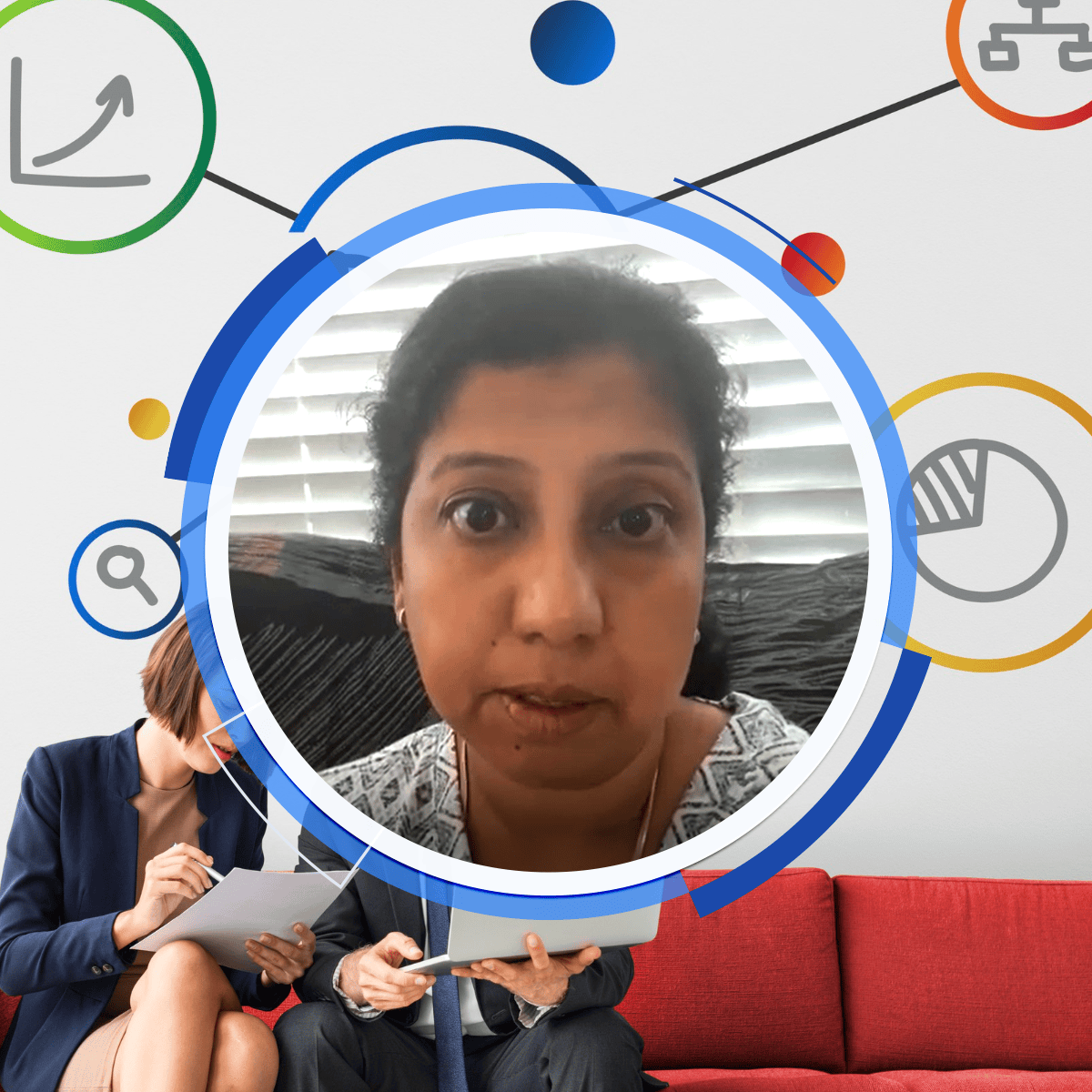





Related Reads
📰
📰
📰
📰
3 Python + Data Warehouse Patterns I Use in Every Production Pipeline
Medium · Python
PGA Best Online Data Analytics Courses in India 2026: What the Placement Data Actually Shows
Medium · Python
Breaking Down Punjab Kings’ Bowling Attack: What Statistics Reveal About IPL 2026
Medium · Data Science
Are You Realizing The Power Of Your Archived Customer Data?
Forbes Innovation
🎓
Tutor Explanation

 DeepCamp AI