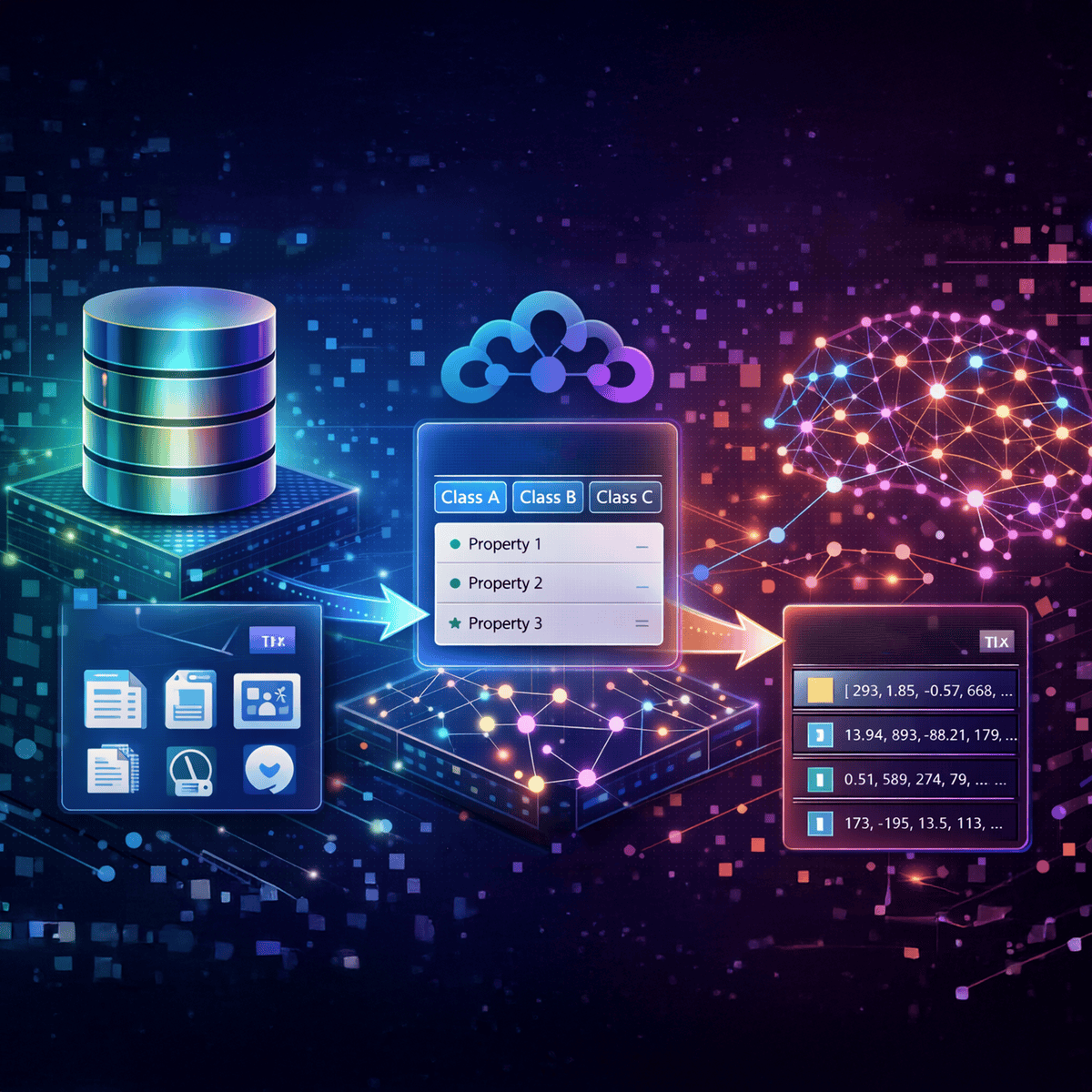
Enable Vectorization in Weaviate
Key Takeaways
Enables vectorization in Weaviate, a critical part of the AI workflow, using built-in vectorizer modules
Original Description
Enable Vectorization in Weaviate is a focused, intermediate course for developers and ML engineers ready to automate a critical part of the AI workflow. If you're tired of manually generating embeddings, this one-hour, hands-on course shows you how to make Weaviate do the heavy lifting for you. You will learn to enable and configure Weaviate's built-in vectorizer modules, such as those for OpenAI and Cohere, directly within your Docker environment. This course requires basic Docker and CLI skills, familiarity with APIs and vector embeddings, and Docker Desktop installed.
This is a practical, job-oriented course. Through a guided project, you will configure a Weaviate instance, define a schema to trigger automatic vectorization, and ingest data to see it in action. Crucially, you will also learn to perform a cost-benefit analysis of this approach, equipping you to make and justify architectural decisions. By the end, you'll have the skill to deploy a more efficient, production-ready vector database.
Watch on External: Coursera ↗
(saves to browser)
Sign in to unlock AI tutor explanation · ⚡30
More on: Vector Stores
View skill →![FULLY LOCAL Mistral AI PDF Processing [Hands-on Tutorial]](https://i.ytimg.com/vi/wZDVgy_14PE/mqdefault.jpg)








Related Reads
📰
📰
📰
📰
When “Smart” Parsers Fail: Building a Hallucination-Resistant RAG System for the Constitution of…
Medium · Python
Semantic Observability: Engineering Reliability for Production RAG
Dev.to · Dumebi Okolo
Stale RAG vs. expensive RAG: how to cache RAG context without serving outdated answers
Dev.to · Vectorlink Labs
Why vector-only RAG is weak for coding agents
Dev.to · lorismascio17
🎓
Tutor Explanation

 DeepCamp AI