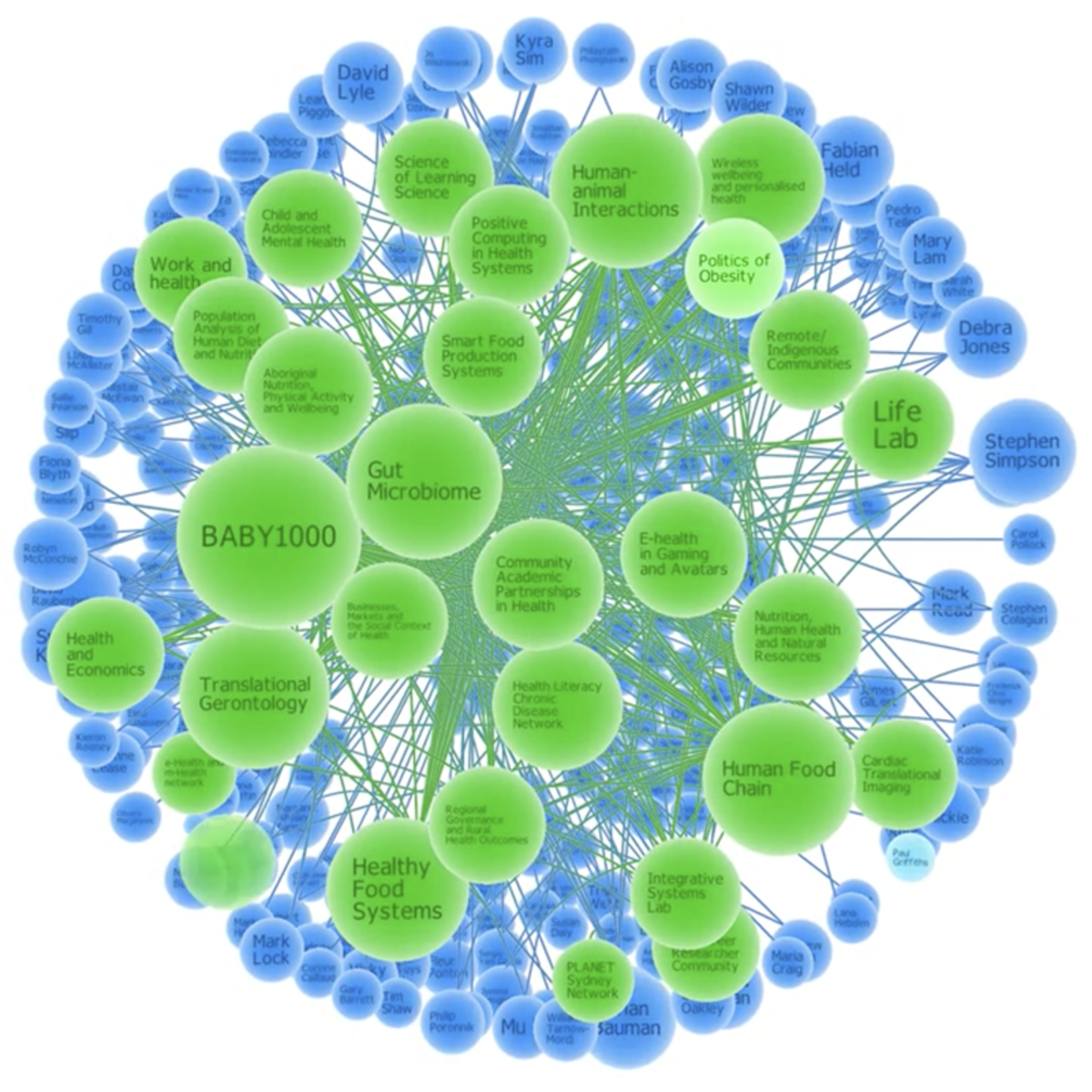
Easing the burden of obesity, diabetes and cardiovascular disease
This course is multidisciplinary in nature, and aims to equip the global audience of interested lay people, people with chronic disease, public health researchers, health clinicians, students, administrators, and researchers to reflect on the overall impact of the burden of chronic disease . It shows how all chronic diseases (obesity, diabetes, cardiovascular disease, chronic obstructive pulmonary disease, and cancer) are related by a set of common causes, and that such diseases should be tackled, not individually, but as part of a complex system, with interrelated contributing factors. These factors are genetic, environmental, psychological, economic, social, developmental, and media related.
The Charles Perkins Centre at the University of Sydney is a unique interdisciplinary education and research hub which seeks solutions to chronic disease through a complex systems approach. Academics in many disciplines (in Science and Medicine, but also in Architecture, Humanities, Law etc) work in a collaborative fashion to produce novel solutions to the problems of chronic disease. All contributors and participants in this course are members of the Charles Perkins Centre and will speak from the unique interdisciplinary perspective that this Centre affords.
The course will describe a complex systems approach as the most productive way to ease the burden of chronic disease. It then describes these diseases in detail, their risk factors, and the environmental and biological factors that have led to the current epidemic of obesity, diabetes and cardiovascular disease. Finally, the solutions – and more importantly the process for finding solutions- is the subject of the last module. No one approach by itself can ever be the answer, and certainly not a simple diet and exercise approach.
The entire course consists of 5 content modules, plus an extra module for completing assignments and discussions, and takes about 6 weeks to complete. Completion certificates are issued
Watch on Coursera ↗
(saves to browser)
Sign in to unlock AI tutor explanation · ⚡30
More on: Reading ML Papers
View skill →





Related AI Lessons
⚡
⚡
⚡
⚡
The ABCs of reading medical research and review papers these days
Medium · LLM
#1 DevLog Meta-research: I Got Tired of Tab Chaos While Reading Research Papers.
Dev.to AI
How to Set Up a Karpathy-Style Wiki for Your Research Field
Medium · AI
The Non-Optimality of Scientific Knowledge: Path Dependence, Lock-In, and The Local Minimum Trap
ArXiv cs.AI
🎓
Tutor Explanation

 DeepCamp AI