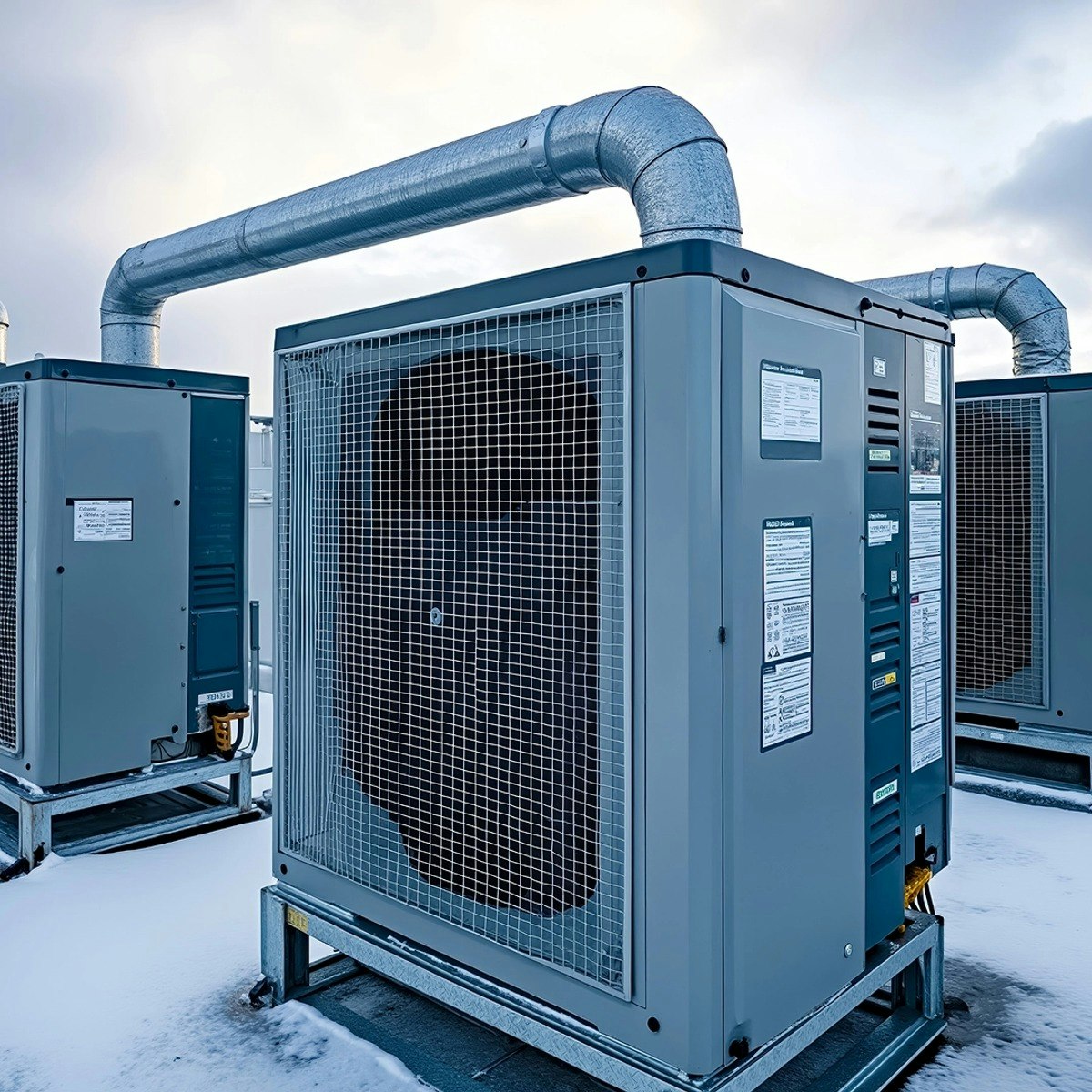
Design of Special Utility Systems
This course on Design of Special Utility Systems is intended for Mechanical and Chemical Engineering professionals, faculty members, and students who seek practical and design-oriented knowledge of industrial utility systems. The program covers the systematic design of fuel systems, thermic fluid systems, steam and condensate systems, and refrigeration systems used in process plants and industrial facilities. Learners will gain a clear understanding of fuel system components such as storage, pumping, filtration, and metering, along with the evaluation and selection of solid, liquid, and gaseous fuels for efficient and environmentally compliant operation.
The course develops competency in thermic fluid system design by focusing on fluid characteristics, heat transfer efficiency, safe operation, and energy optimization. Participants will also learn the fundamentals of steam generation, distribution, pressure control, and condensate recovery to enhance reliability and reduce energy losses. In addition, the course explains refrigeration principles, refrigeration cycles, refrigerant selection, and component sizing to achieve efficient and safe cooling solutions.
Overall, the course equips learners with the ability to design robust, energy-efficient, and compliant special utility systems for real-world industrial applications.
Watch on Coursera ↗
(saves to browser)
Sign in to unlock AI tutor explanation · ⚡30
Related AI Lessons
⚡
⚡
⚡
⚡
The Future of RAG: Dead, Evolving… or Becoming the Brain of AI?
Medium · Machine Learning
Smart Routing, Transfer Family Ingestion, and Voice Chat — Permission-Aware RAG v4.2
Dev.to · Yoshiki Fujiwara(藤原 善基)@AWS Community Builder
Most Companies Doing GenAI Are Really Just Doing RAG: RAGOps Explained for analysts
Medium · RAG
RAG - Sliding Window, Token Based Chunking and PDF Chunking Packages
Dev.to AI
🎓
Tutor Explanation

 DeepCamp AI