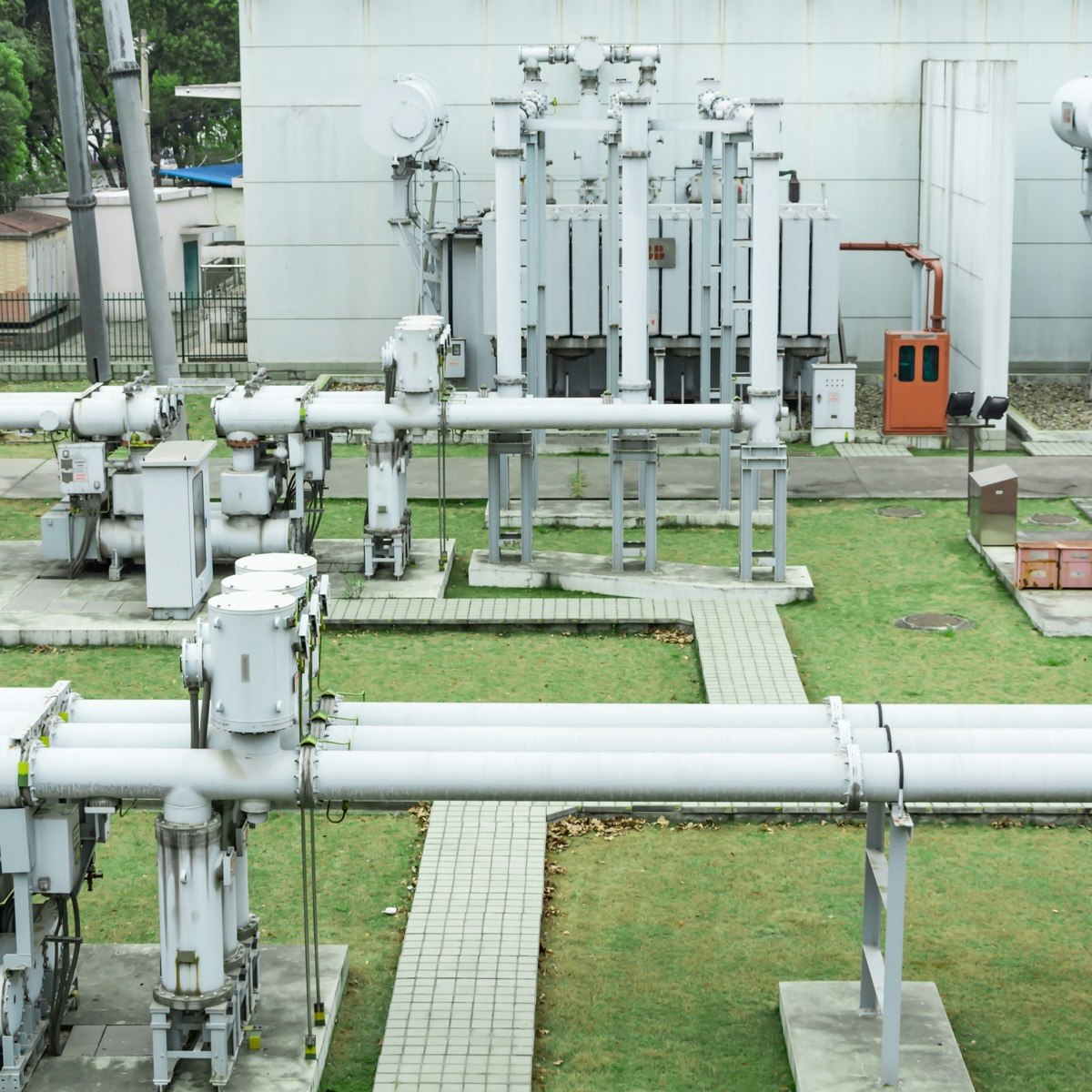
Design of General Utility Systems
This course is designed for Mechanical and Chemical Engineering professionals, faculty members, and students who are involved in the design, operation, and management of Chemical and Process Industry (CPI) facilities. It provides a comprehensive understanding of utility systems that are critical for safe, reliable, and efficient plant operations.
The course begins with an introduction to essential utilities such as water, steam, nitrogen, compressed air, and electricity, along with applicable industrial codes, safety regulations, and environmental guidelines. Learners will gain in-depth knowledge of compressed air system design, focusing on stable and energy-efficient supply, air quality requirements (ISO 8573), and relevant standards to minimize corrosion, malfunctions, and safety risks. The nitrogen system module covers high-purity nitrogen generation and supply for blanketing, purging, inerting, and pressure transfer, with emphasis on international standards such as API 2000, ASME B31.3, and NFPA 55. The water system modules (Part I & II) address sourcing, treatment, storage, and distribution of raw, potable, fire, boiler feed, soft, demineralized, and seawater, including treatment methods, chemical dosing, corrosion control, equipment procurement strategies, and design references.
Overall, the course equips learners with practical design knowledge to optimize utility performance, ensure compliance, and enhance operational efficiency while minimizing energy use and environmental impact.
Watch on Coursera ↗
(saves to browser)
Sign in to unlock AI tutor explanation · ⚡30
Related AI Lessons
⚡
⚡
⚡
⚡
RAG - Sliding Window, Token Based Chunking and PDF Chunking Packages
Dev.to AI
Ever Wondered How to Make Your RAG More Effective?
Medium · RAG
Why StarRocks Is Better Than Elasticsearch for RAG and AI-Powered Vector Search Analytics
Medium · LLM
Production RAG: Shipping a RAG System Into an Enterprise Product
Medium · RAG
🎓
Tutor Explanation

 DeepCamp AI