Data Science before low code tools #knime #lowcode #datascience
Key Takeaways
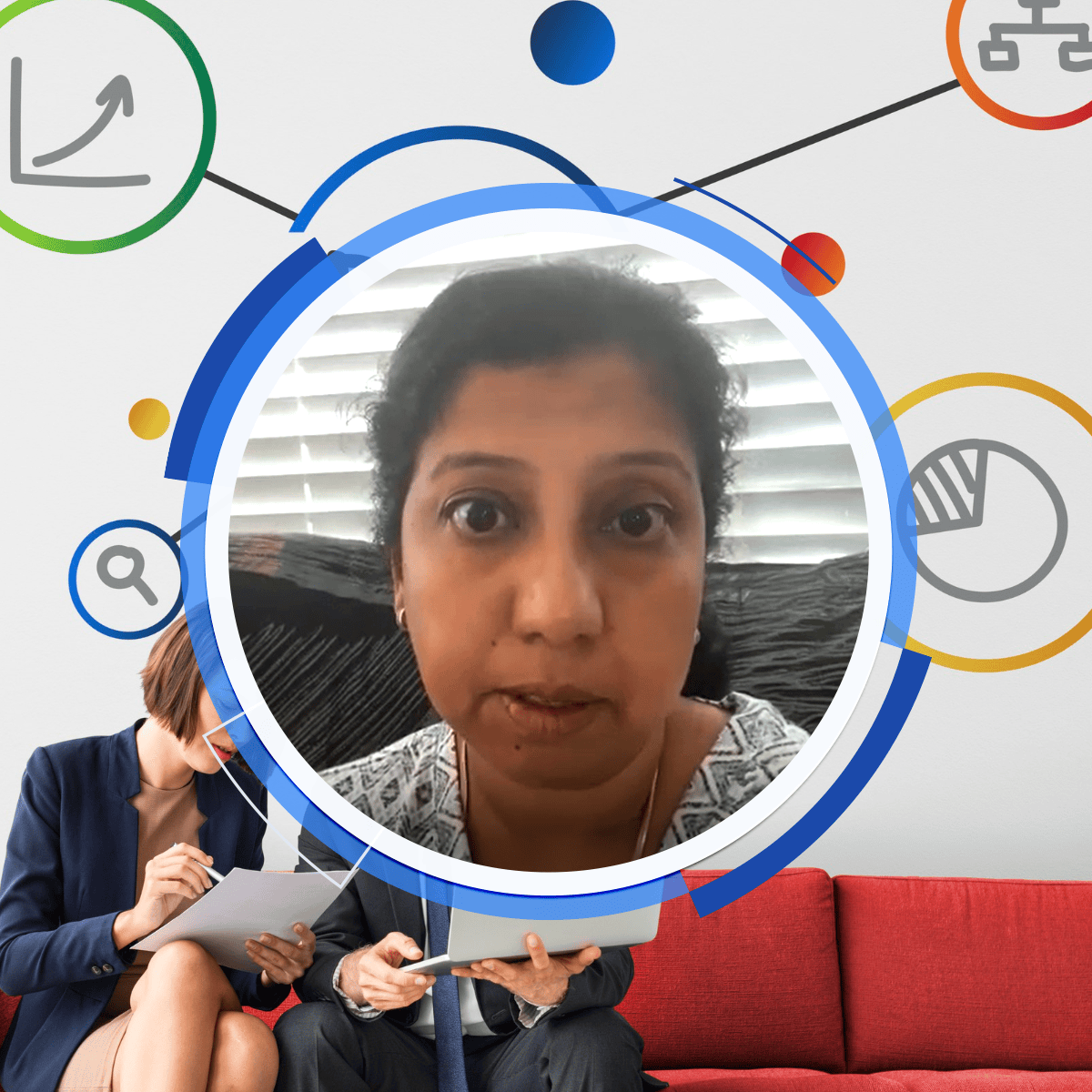
The episode discusses low-code data science with Michael Berthold, CEO and co-founder of KNIME, covering the adoption of low-code data tools, evolution of data science workflows, and integration with AI and GenAI tools
Original Description
Listen to the full episode: https://www.datacamp.com/podcast/low-code-data-science
Michael Berthold is CEO and co-founder at KNIME, an open source data analytics company. He has more than 25 years of experience in data science, working in academia, most recently as a full professor at Konstanz University (Germany) and previously at University of California (Berkeley) and Carnegie Mellon, and in industry at Intel’s Neural Network Group, Utopy, and Tripos. Michael has published extensively on data analytics, machine learning, and artificial intelligence.
In the episode, Adel and Michael explore low-code data science, the adoption of low-code data tools, the evolution of data science workflows, upskilling, low-code and code collaboration, data literacy, integration with AI and GenAI tools, the future of low-code data tools and much more.
Find DataFramed on DataCamp https://www.datacamp.com/podcast
and on your preferred podcast streaming platform:
Apple Podcasts:
https://podcasts.apple.com/us/podcast/dataframed/id1336150688
Spotify:
https://open.spotify.com/show/02yJXEJAJiQ0Vm2AO9Xj6X?si=d08431f59edc4ccd
Watch on YouTube ↗
(saves to browser)
Sign in to unlock AI tutor explanation · ⚡30
Playlist
Uploads from DataCamp · DataCamp · 0 of 60
← Previous
Next →
1
 2
2
 3
3
 4
4
 5
5
 6
6
 7
7
 8
8
 9
9
 10
10
 11
11
 12
12
 13
13
 14
14
 15
15
 16
16
 17
17
 18
18
 19
19
 20
20
 21
21
 22
22
 23
23
 24
24
 25
25
 26
26
 27
27
 28
28
 29
29
 30
30
 31
31
 32
32
 33
33
 34
34
 35
35
 36
36
 37
37
 38
38
 39
39
 40
40
 41
41
 42
42
 43
43
 44
44
 45
45
 46
46
 47
47
 48
48
 49
49
 50
50
 51
51
 52
52
 53
53
 54
54
 55
55
 56
56
 57
57
 58
58
 59
59
 60
60

SQL Server Tutorial: Date manipulation
DataCamp
R Tutorial: Intermediate Interactive Data Visualization with plotly in R
DataCamp
R Tutorial: Adding aesthetics to represent a variable
DataCamp
R Tutorial: Moving Beyond Simple Interactivity
DataCamp
Python Tutorial: Why use ML for marketing? Strategies and use cases
DataCamp
Python Tutorial: Preparation for modeling
DataCamp
Python Tutorial: Machine Learning modeling steps
DataCamp
R Tutorial: The prior model
DataCamp
R Tutorial: Data & the likelihood
DataCamp
R Tutorial: The posterior model
DataCamp
R Tutorial: An Introduction to plotly
DataCamp
R Tutorial: Plotting a single variable
DataCamp
R Tutorial: Bivariate graphics
DataCamp
Python Tutorial: Customer Segmentation in Python
DataCamp
Python Tutorial: Time cohorts
DataCamp
Python Tutorial: Calculate cohort metrics
DataCamp
Python Tutorial: Cohort analysis visualization
DataCamp
R Tutorial: Building Dashboards with flexdashboard
DataCamp
R Tutorial: Anatomy of a flexdashboard
DataCamp
R Tutorial: Layout basics
DataCamp
R Tutorial: Advanced layouts
DataCamp
Python Tutorial: Time Series Analysis in Python
DataCamp
Python Tutorial: Correlation of Two Time Series
DataCamp
Python Tutorial: Simple Linear Regressions
DataCamp
Python Tutorial: Autocorrelation
DataCamp
R Tutorial: The gapminder dataset
DataCamp
R Tutorial: The filter verb
DataCamp
R Tutorial: The arrange verb
DataCamp
R Tutorial: The mutate verb
DataCamp
R Tutorial: What is cluster analysis?
DataCamp
R Tutorial: Distance between two observations
DataCamp
R Tutorial: The importance of scale
DataCamp
R Tutorial: Measuring distance for categorical data
DataCamp
Python Tutorial: Plotting multiple graphs
DataCamp
Python Tutorial: Customizing axes
DataCamp
Python Tutorial: Legends, annotations, & styles
DataCamp
Python Tutorial: Introduction to iterators
DataCamp
Python Tutorial: Playing with iterators
DataCamp
Python Tutorial: Using iterators to load large files into memory
DataCamp
SQL Tutorial: Introduction to Relational Databases in SQL
DataCamp
SQL Tutorial: Tables: At the core of every database
DataCamp
SQL Tutorial: Update your database as the structure changes
DataCamp
Python Tutorial: Classification-Tree Learning
DataCamp
Python Tutorial: Decision-Tree for Classification
DataCamp
Python Tutorial: Decision-Tree for Regression
DataCamp
Python Tutorial: Census Subject Tables
DataCamp
Python Tutorial: Census Geography
DataCamp
Python Tutorial: Using the Census API
DataCamp
R Tutorial: A/B Testing in R
DataCamp
R Tutorial: Baseline Conversion Rates
DataCamp
R Tutorial: Designing an Experiment - Power Analysis
DataCamp
R Tutorial: Introduction to qualitative data
DataCamp
R Tutorial: Understanding your qualitative variables
DataCamp
R Tutorial: Making Better Plots
DataCamp
SQL Tutorial: OLTP and OLAP
DataCamp
SQL Tutorial: Storing data
DataCamp
SQL Tutorial: Database design
DataCamp
Python Tutorial: Introduction to spaCy
DataCamp
Python Tutorial: Statistical Models
DataCamp
Python Tutorial: Rule-based Matching
DataCamp
More on: Data Literacy
View skill →








Related AI Lessons
⚡
⚡
⚡
⚡
The Python Dictionary Trick That Makes Interviewers Smile
Dev.to · Ameer Abdullah
I Compared 50 Python Courses. Here Are My Top 5 Recommendations for 2026
Medium · Python
Machine learning for beginners #5
Medium · AI
Beyond the Elephant: On Manifolds, Projections, and the Hidden Assumptions of Neural Geometry
Medium · AI
🎓
Tutor Explanation
 DeepCamp AI