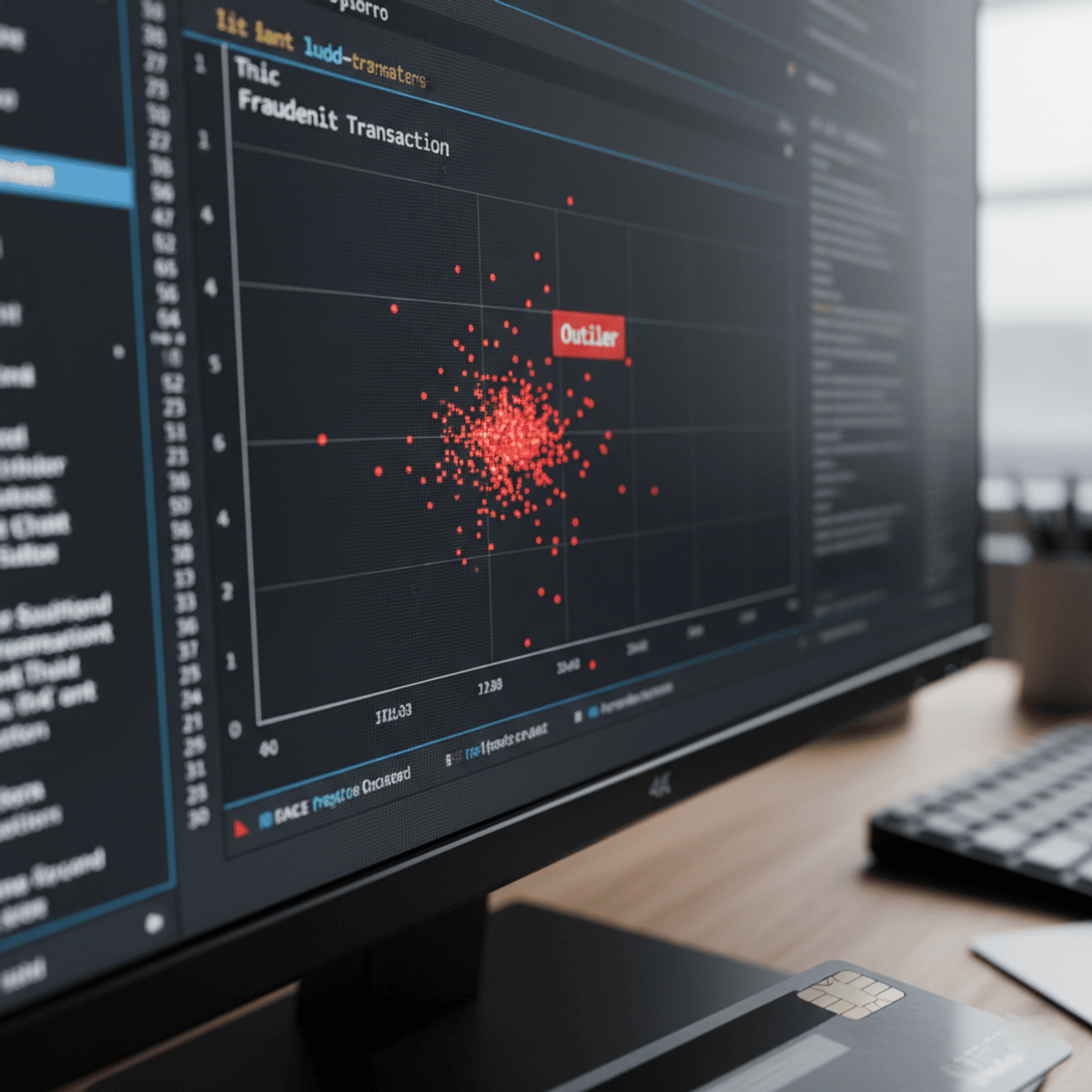
Analyze Fraud Using Data Analytics and R
Key Takeaways
Analyzes fraud patterns using data analytics and R with supervised and unsupervised learning techniques
Original Description
Learners will analyze fraud patterns, evaluate fraud detection techniques, and apply data-driven analytical approaches to identify and mitigate fraudulent activities. This course builds a strong foundation in fraud concepts while progressively introducing modern fraud analytics methods, including Big Data approaches and machine learning techniques such as supervised and unsupervised learning. Learners will gain a structured understanding of the fraud lifecycle, high-level fraud analytics strategies, and the measurable business benefits of analytics-driven fraud prevention.
By completing this course, learners will be able to interpret real-world fraud scenarios, assess risk using analytical reasoning, and support informed decision-making in fraud detection environments. The course emphasizes practical insight through detailed credit card fraud examples, enabling learners to connect theory with real operational challenges.
What makes this course unique is its end-to-end perspective on fraud analytics—from foundational concepts to strategic implementation—combined with a project-oriented approach using R for analytical thinking. Rather than focusing solely on tools, the course develops analytical judgment, pattern recognition skills, and strategic awareness essential for roles in fraud risk, data analytics, and financial crime prevention.
Watch on External: Coursera ↗
(saves to browser)
Sign in to unlock AI tutor explanation · ⚡30
More on: Data Literacy
View skill →








Related Reads
📰
📰
📰
📰
Half of Data Engineering Jobs on LinkedIn Aren't Real
Dev.to · DataDriven
Evolutionary Data Through Schemaboi: Achieving Forward, Backwards, and Sideways Compatibility
InfoQ AI/ML
How Morphohack Helped Me Recover €678,000 in Lost Crypto Assets
Medium · Data Science
10 awk and sed Techniques Every Data Analyst Should Know for Data Cleaning and Transformation
Medium · Data Science
🎓
Tutor Explanation

 DeepCamp AI