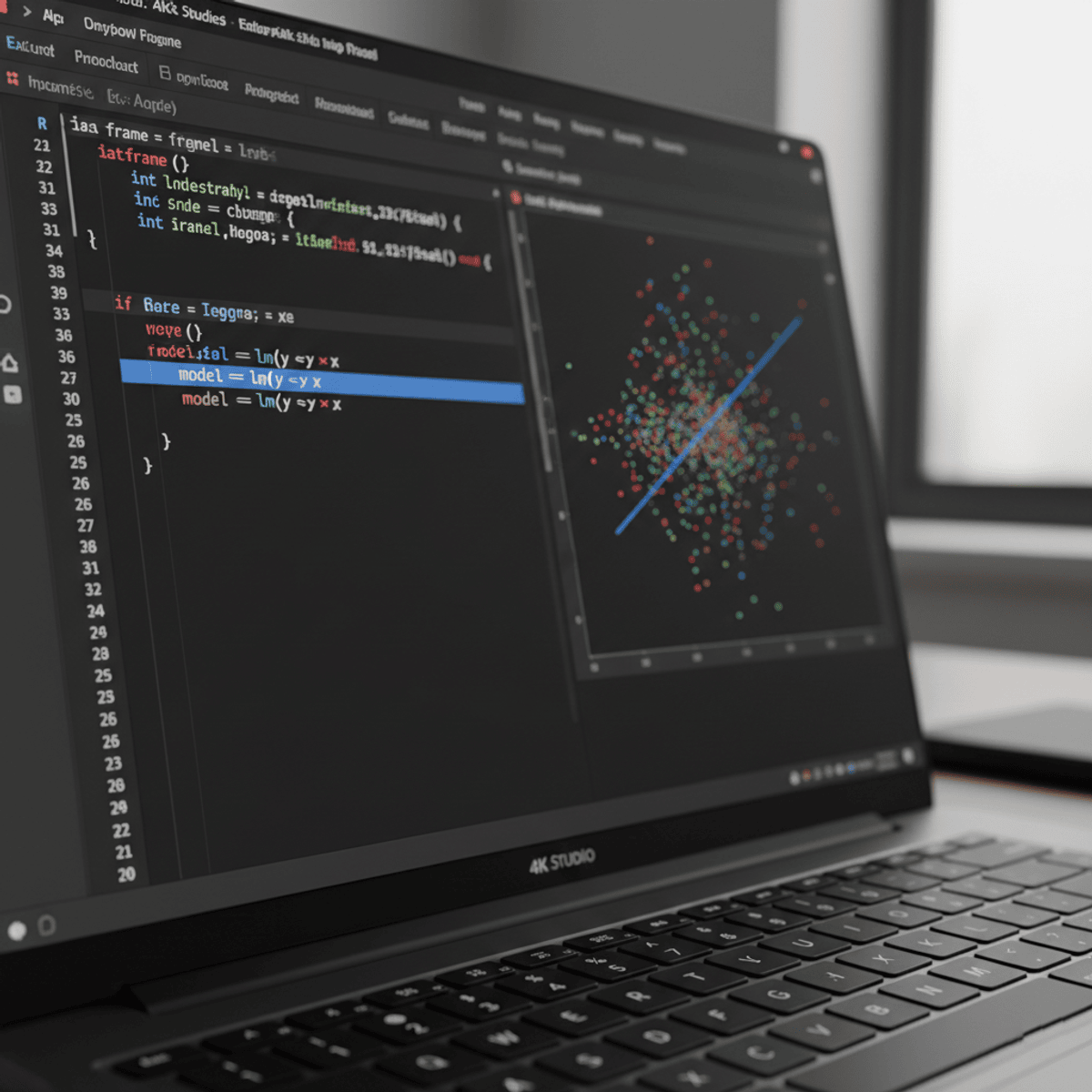
Analyze Data Using R for Statistical Analytics
Key Takeaways
Analyzes data using R for statistical analytics, including data visualization and real-world use cases
Original Description
Learners will analyze data using R, apply core statistical techniques, build analytical models, and interpret insights through visualization and real-world use cases. By the end of this course, learners will be able to confidently use R programming to perform data analysis, statistical modeling, and exploratory analytics.
This beginner-friendly course provides a structured, end-to-end introduction to Data Analytics using R, starting from R’s origin, architecture, and syntax, and progressing through vectors, data frames, visualization, and statistical methods. Learners gain hands-on exposure to essential programming concepts, data handling techniques, and analytical workflows that are widely used in academia and industry.
What makes this course unique is its subtitles-driven, concept-aligned curriculum, ensuring every topic directly reflects real instructional explanations rather than abstract theory. The course emphasizes practical analytics, including regression, decision trees, time series analysis, and business-focused case studies such as insurance analytics.
Designed for aspiring data analysts, students, and professionals, this course builds a strong foundation in R programming while developing analytical thinking skills that are transferable to real-world data science and statistical problem-solving scenarios.
Watch on External: Coursera ↗
(saves to browser)
Sign in to unlock AI tutor explanation · ⚡30
More on: Data Literacy
View skill →







Related Reads
📰
📰
📰
📰
Raincloud Plots with PtitPrince: See What Your Data Is Really Doing
Medium · Python
Confused Between Data Science, Data Analytics, Cloud Computing, DevOps, Data Engineering, and Generative AI? Here's How to Choose the Right Career
Dev.to AI
Data Science with AI — Join IDSA Janakpuri Today
Medium · Data Science
Data Science with AI — Enroll Now at Lonestar Academy Janakpuri
Medium · Data Science
🎓
Tutor Explanation

 DeepCamp AI