
Analysis and Visualization of Data with Power BI
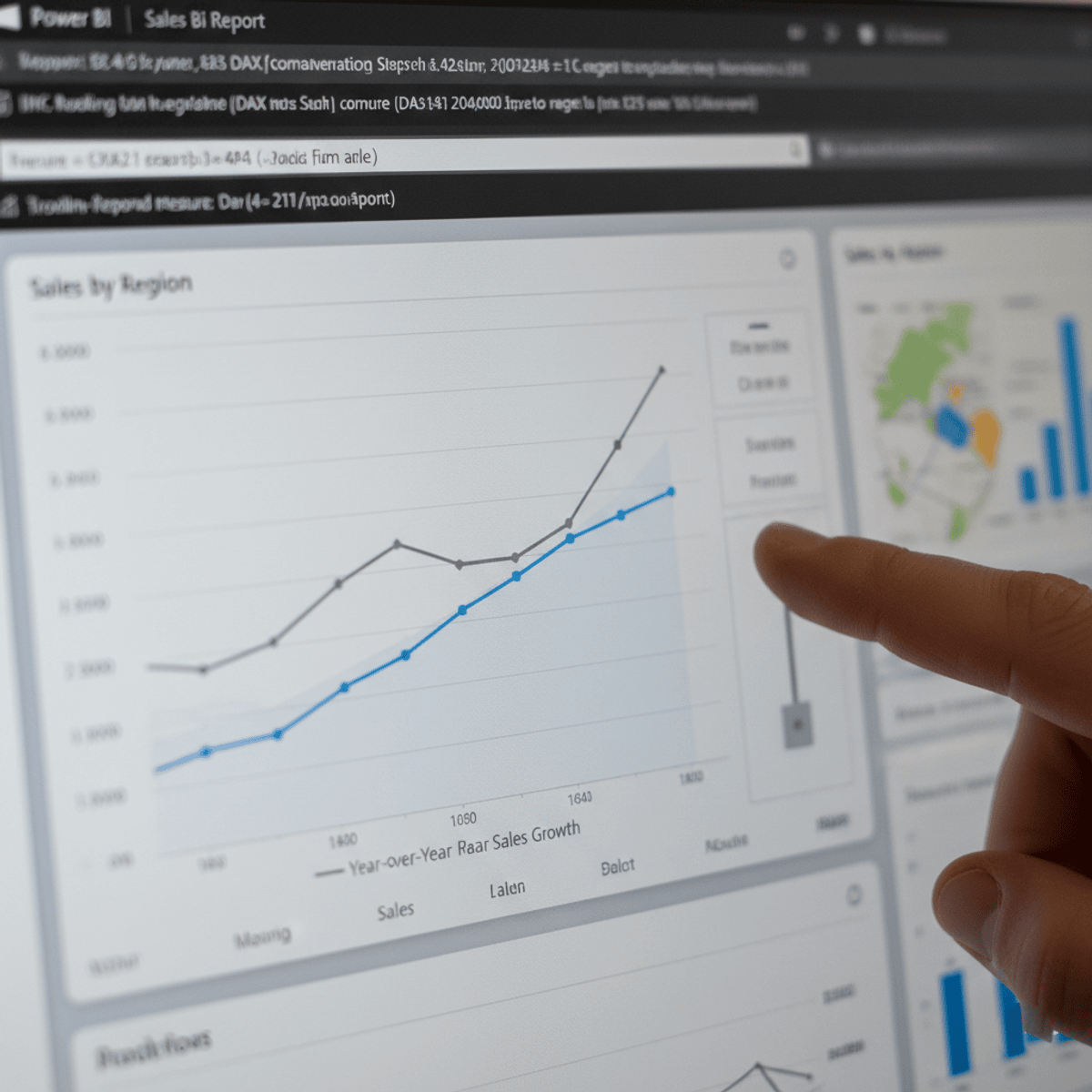
In this course, you will learn report design and formatting in Power BI, which offers extraordinary visuals for building reports and dashboards. Additionally, you will learn how to use report navigation to tell a compelling, data-driven story in Power BI. You will explore how to get a statistical summary for your data and how to create and export reports in Power BI. You will also perform advanced analytics in Power BI to get deeper and more meaningful data insights.
After completing this course, you'll be able to:
● Recognize the different types of visualizations in Power BI
● Add visualizations to reports and dashboards
● Apply formatting choices to visuals
● Add useful navigation techniques to the Power BI report
● Design accessible reports and dashboards
● Use visualizations to perform data analysis
Watch on Coursera ↗
(saves to browser)
Sign in to unlock AI tutor explanation · ⚡30
More on: Data Literacy
View skill →








Related AI Lessons
⚡
⚡
⚡
⚡
I Tried to Find Out How Close I Am to the CEO of Roblox. The Answer Was Three.
Medium · Data Science
The Dying Symphony of Nature :
How climate change silences Cultures, Species, and Nature.
Medium · Data Science
Student Mental Health Analytics: An Interactive Dashboard in R Shiny
Medium · Data Science
Building a US choropleth in Python with plotly express, using a real fragrance dataset
Dev.to · ahmad-khan-97
🎓
Tutor Explanation

 DeepCamp AI