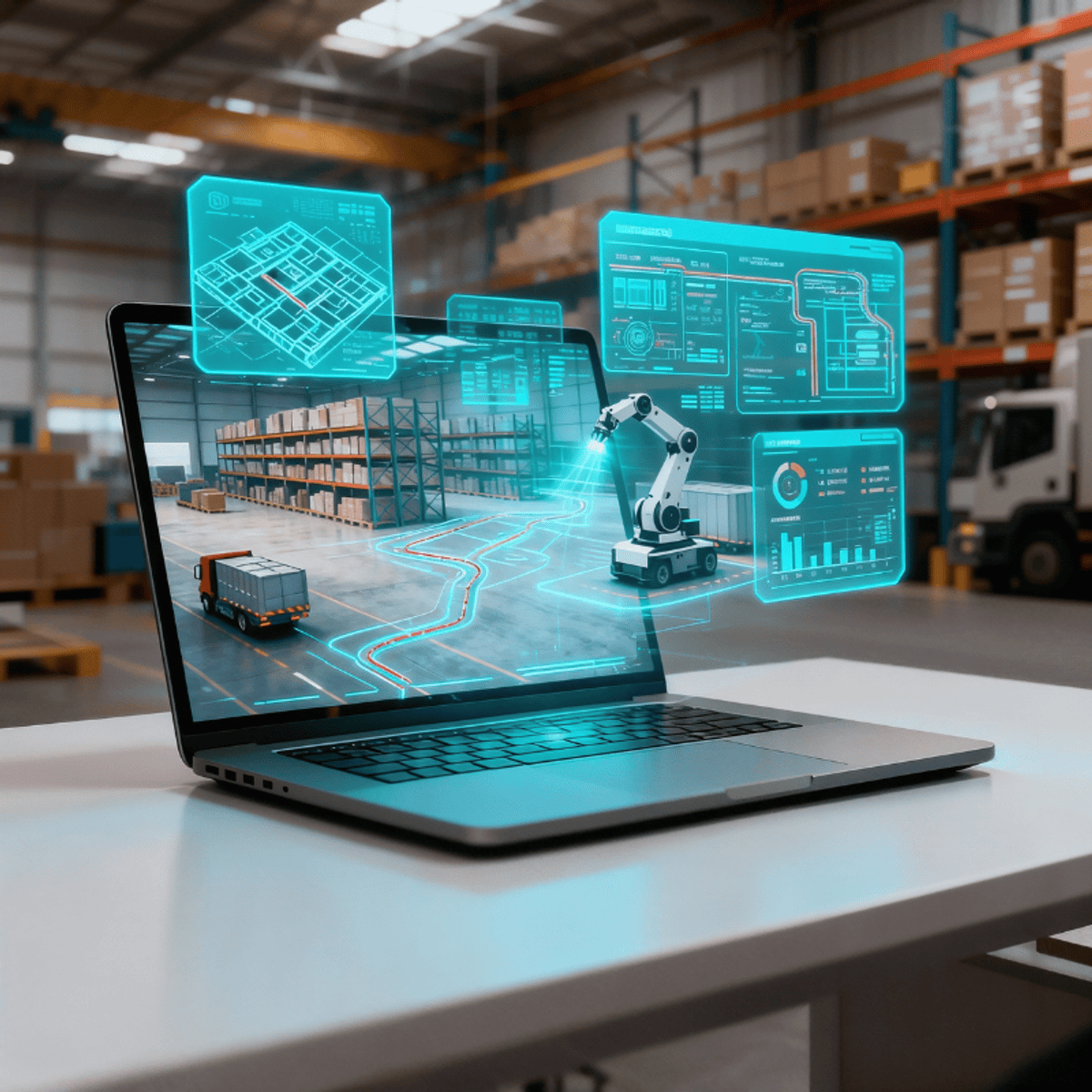
AI & Automation for Supply Chain Resilience
Key Takeaways
Explores AI and automation for supply chain resilience
Original Description
Global supply chains are being redefined by uncertainty, from pandemics and geopolitical tensions to raw material shortages and shipping disruptions. In this fast-changing world, organizations can no longer rely on reactive strategies. Building resilience requires intelligence powered by AI and automation.
This course explores how technology is transforming supply chain operations into adaptive, predictive systems capable of withstanding real-world shocks. Through engaging examples, simulations, and interactive tools, you’ll learn how data-driven insights, machine learning, and automation can strengthen every stage of the supply chain from procurement to logistics.
In Module 1, you’ll explore the foundations of AI and automation in supply chains, understanding key technologies, historical disruptions, and the rise of intelligent tools that enhance forecasting, warehousing, and delivery efficiency.
In Module 2, you’ll see these concepts in action, using predictive analytics, real-time dashboards, and automation frameworks to design more resilient systems. You’ll analyze case studies from global leaders like Maersk and Unilever, learning how they anticipate and adapt to disruption.
By the end of this course, you will be able to:
Analyze how AI and automation improve visibility, speed, and resilience.
Apply predictive analytics for proactive disruption management.
Design automated workflows that support adaptive decision-making.
Evaluate real-world case studies of AI-driven supply chain innovation.
Disclaimer: This is an independent educational resource created by Board Infinity for informational and educational purposes only. This course is not affiliated with, endorsed by, sponsored by, or officially associated with any company, organization, or certification body unless explicitly stated. The content provided is based on industry knowledge and best practices but does not constitute official training material for any specific employer or certification progra
Watch on External: Coursera ↗
(saves to browser)
Sign in to unlock AI tutor explanation · ⚡30
More on: Data Literacy
View skill →







Related Reads
📰
📰
📰
📰
Por qué el "precio de lista" de una tienda no vale nada (y cómo construimos un tracker honesto)
Dev.to · Edu Tor
FDA Recall API: A Working Guide to openFDA Enforcement
Dev.to · Mayd-It
Common Mistakes New Data Engineers Make (And How to Avoid Them)
Dev.to · Abhishek Konagalla
DuckDB vs PostgreSQL: I Ran the Same Query on Both. One Finished in 12ms. The Other Timed Out.
Medium · Programming
🎓
Tutor Explanation

 DeepCamp AI