#153 From Data Literacy to AI Literacy with Cindi Howson, Chief Data Strategy Officer at ThoughtSpot
For the past few years, we've seen the importance of data literacy and why organizations must invest in a data-driven culture, mindset, and skillset. However, as generative AI tools like ChatGPT have risen to prominence in the past year, AI literacy has never been more important. But how do we begin to approach AI literacy? Is it an extension of data literacy, a complement, or a new paradigm altogether? How should you get started on your AI literacy ambitions?
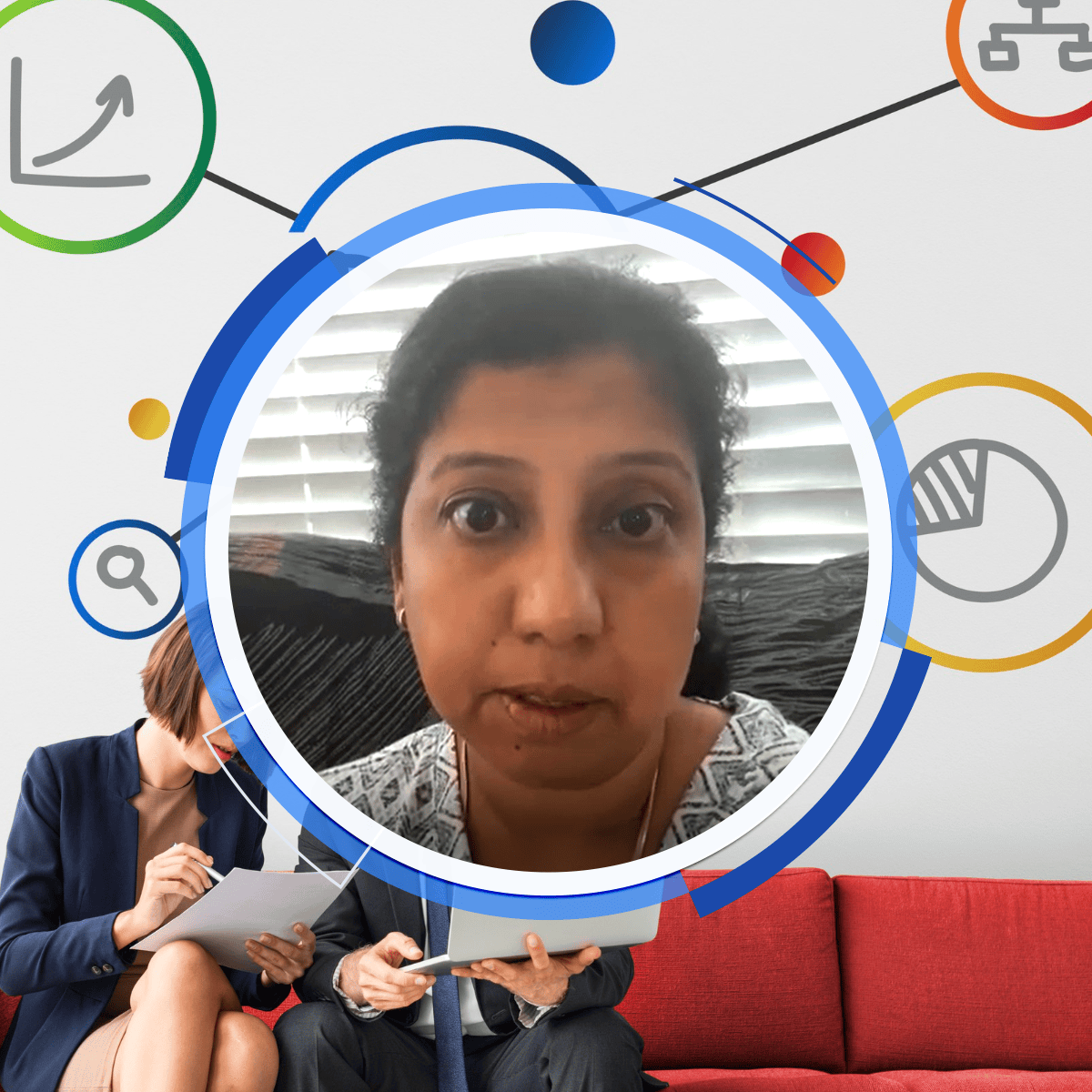
Cindi Howson is the Chief Data Strategy Officer at ThoughtSpot and host of The Data Chief podcast. Cindi is a data analytics, AI, and BI thought leader and an expert with a flair for bridging business needs with technology. As Chief Data Strategy Officer at ThoughtSpot, she advises top clients on data strategy and best practices to become data-driven, speaks internationally on top trends such as AI ethics, and influences ThoughtSpot’s product strategy.
Cindi was previously a Gartner Research Vice President, the lead author for the data and analytics maturity model and analytics and BI Magic Quadrant, and a popular keynote speaker. She introduced new research in data and AI for good, NLP/BI Search, and augmented analytics, bringing both BI bake-offs and innovation panels to Gartner globally. She’s frequently quoted in MIT, Harvard Business Review, and Information Week. She is rated a top 12 influencer in big data and analytics by Analytics Insight, Onalytca, Solutions Review, and Humans of Data.
In the episode, Cindi and Adel discuss how generative AI accelerates an organization’s data literacy, how leaders can think beyond data literacy and start to think about AI literacy, the importance of responsible use of AI, how to best communicate the value of AI within your organization, what generative AI means for data teams, AI use-cases in the data space, the psychological barriers blocking AI adoption, and much more.
Find DataFramed on DataCamp https://www.datacamp.com/podcast
and on your preferred podcast
Watch on YouTube ↗
(saves to browser)
Sign in to unlock AI tutor explanation · ⚡30
Playlist
Uploads from DataCamp · DataCamp · 0 of 60
← Previous
Next →
1
 2
2
 3
3
 4
4
 5
5
 6
6
 7
7
 8
8
 9
9
 10
10
 11
11
 12
12
 13
13
 14
14
 15
15
 16
16
 17
17
 18
18
 19
19
 20
20
 21
21
 22
22
 23
23
 24
24
 25
25
 26
26
 27
27
 28
28
 29
29
 30
30
 31
31
 32
32
 33
33
 34
34
 35
35
 36
36
 37
37
 38
38
 39
39
 40
40
 41
41
 42
42
 43
43
 44
44
 45
45
 46
46
 47
47
 48
48
 49
49
 50
50
 51
51
 52
52
 53
53
 54
54
 55
55
 56
56
 57
57
 58
58
 59
59
 60
60

SQL Server Tutorial: Date manipulation
DataCamp
R Tutorial: Intermediate Interactive Data Visualization with plotly in R
DataCamp
R Tutorial: Adding aesthetics to represent a variable
DataCamp
R Tutorial: Moving Beyond Simple Interactivity
DataCamp
Python Tutorial: Why use ML for marketing? Strategies and use cases
DataCamp
Python Tutorial: Preparation for modeling
DataCamp
Python Tutorial: Machine Learning modeling steps
DataCamp
R Tutorial: The prior model
DataCamp
R Tutorial: Data & the likelihood
DataCamp
R Tutorial: The posterior model
DataCamp
R Tutorial: An Introduction to plotly
DataCamp
R Tutorial: Plotting a single variable
DataCamp
R Tutorial: Bivariate graphics
DataCamp
Python Tutorial: Customer Segmentation in Python
DataCamp
Python Tutorial: Time cohorts
DataCamp
Python Tutorial: Calculate cohort metrics
DataCamp
Python Tutorial: Cohort analysis visualization
DataCamp
R Tutorial: Building Dashboards with flexdashboard
DataCamp
R Tutorial: Anatomy of a flexdashboard
DataCamp
R Tutorial: Layout basics
DataCamp
R Tutorial: Advanced layouts
DataCamp
Python Tutorial: Time Series Analysis in Python
DataCamp
Python Tutorial: Correlation of Two Time Series
DataCamp
Python Tutorial: Simple Linear Regressions
DataCamp
Python Tutorial: Autocorrelation
DataCamp
R Tutorial: The gapminder dataset
DataCamp
R Tutorial: The filter verb
DataCamp
R Tutorial: The arrange verb
DataCamp
R Tutorial: The mutate verb
DataCamp
R Tutorial: What is cluster analysis?
DataCamp
R Tutorial: Distance between two observations
DataCamp
R Tutorial: The importance of scale
DataCamp
R Tutorial: Measuring distance for categorical data
DataCamp
Python Tutorial: Plotting multiple graphs
DataCamp
Python Tutorial: Customizing axes
DataCamp
Python Tutorial: Legends, annotations, & styles
DataCamp
Python Tutorial: Introduction to iterators
DataCamp
Python Tutorial: Playing with iterators
DataCamp
Python Tutorial: Using iterators to load large files into memory
DataCamp
SQL Tutorial: Introduction to Relational Databases in SQL
DataCamp
SQL Tutorial: Tables: At the core of every database
DataCamp
SQL Tutorial: Update your database as the structure changes
DataCamp
Python Tutorial: Classification-Tree Learning
DataCamp
Python Tutorial: Decision-Tree for Classification
DataCamp
Python Tutorial: Decision-Tree for Regression
DataCamp
Python Tutorial: Census Subject Tables
DataCamp
Python Tutorial: Census Geography
DataCamp
Python Tutorial: Using the Census API
DataCamp
R Tutorial: A/B Testing in R
DataCamp
R Tutorial: Baseline Conversion Rates
DataCamp
R Tutorial: Designing an Experiment - Power Analysis
DataCamp
R Tutorial: Introduction to qualitative data
DataCamp
R Tutorial: Understanding your qualitative variables
DataCamp
R Tutorial: Making Better Plots
DataCamp
SQL Tutorial: OLTP and OLAP
DataCamp
SQL Tutorial: Storing data
DataCamp
SQL Tutorial: Database design
DataCamp
Python Tutorial: Introduction to spaCy
DataCamp
Python Tutorial: Statistical Models
DataCamp
Python Tutorial: Rule-based Matching
DataCamp
More on: Data Literacy
View skill →







Related AI Lessons
⚡
⚡
⚡
⚡
How I Made My Android App Discoverable on 4 LLMs in 24 Hours (llms.txt, IndexNow, JSON-LD, the Bing Cycle)
Dev.to · TAMSIV
What LLMs Can Actually Do for Your Business
Medium · AI
MiMo-V2.5-Pro: The Long-Context LLM I’d Actually Test Before Paying More for Claude or GPT
Medium · Programming
25 Deep Learning Questions Every GenAI Engineer Gets Asked (And How to Answer Them)- Part I
Medium · Deep Learning
🎓
Tutor Explanation

 DeepCamp AI