๐คฏ Why did AI ditch GANs for diffusion models? The answer will blow your mind! ๐ฏ IN THIS VIDEO: Discover why the entire AI industry shifted from GANs (Generative Adversarial Networks) to diffusion models for image generation. Learn the fundamental problems with GANs and why diffusion models like DALL-E, Stable Diffusion, and Midjourney dominate today's AI landscape. โก KEY TOPICS COVERED: โข How GANs work: The forger vs detective game โข The critical problem of mode collapse in GANs โข Why GAN training is unstable and chaotic โข How diffusion models flip the script with denoising โข Why diffusion models are more stable and reliable โข The advantages: diversity, scalability, and consistency โข Real-world applications in DALL-E, Stable Diffusion & Midjourney ๐ฌ WHAT YOU'LL LEARN: GANs revolutionized AI with their adversarial approach - a generator network trying to fool a discriminator network. But this competitive game comes with serious drawbacks: mode collapse (generating repetitive images), training instability, and wildly oscillating loss functions. It's like balancing on a knife's edge! Diffusion models changed everything by learning to gradually denoise images, starting from pure noise and removing it step by step. With ONE clear objective instead of battling networks, training becomes stable and predictable. The result? More diverse images, better scalability, and reliable training. ๐ WHY THIS MATTERS: Every major AI image generator today uses diffusion models. Understanding this shift is crucial for anyone interested in: โข Deep learning and neural networks โข AI image generation and computer vision โข Machine learning engineering โข The future of generative AI โข AI research and development ๐ก PERFECT FOR: โข AI enthusiasts and students โข Machine learning engineers โข Data scientists โข Computer science students โข Anyone curious about how AI creates images ๐ LEVEL: Intermediate (concepts explained clearly for broad understanding) ๐ RELATED TOPICS: โข Generative A
Full Transcript
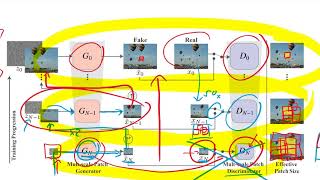
GANs versus diffusion. Why did AI ditch GANs for diffusion models? The answer will blow your mind. In GANs, a generator tries to fool a discriminator, like a forger versus a detective. But this adversarial game is unstable. Training often collapses into making the same image
Original Description
๐คฏ Why did AI ditch GANs for diffusion models? The answer will blow your mind!
๐ฏ IN THIS VIDEO:
Discover why the entire AI industry shifted from GANs (Generative Adversarial Networks) to diffusion models for image generation. Learn the fundamental problems with GANs and why diffusion models like DALL-E, Stable Diffusion, and Midjourney dominate today's AI landscape.
โก KEY TOPICS COVERED:
โข How GANs work: The forger vs detective game
โข The critical problem of mode collapse in GANs
โข Why GAN training is unstable and chaotic
โข How diffusion models flip the script with denoising
โข Why diffusion models are more stable and reliable
โข The advantages: diversity, scalability, and consistency
โข Real-world applications in DALL-E, Stable Diffusion & Midjourney
๐ฌ WHAT YOU'LL LEARN:
GANs revolutionized AI with their adversarial approach - a generator network trying to fool a discriminator network. But this competitive game comes with serious drawbacks: mode collapse (generating repetitive images), training instability, and wildly oscillating loss functions. It's like balancing on a knife's edge!
Diffusion models changed everything by learning to gradually denoise images, starting from pure noise and removing it step by step. With ONE clear objective instead of battling networks, training becomes stable and predictable. The result? More diverse images, better scalability, and reliable training.
๐ WHY THIS MATTERS:
Every major AI image generator today uses diffusion models. Understanding this shift is crucial for anyone interested in:
โข Deep learning and neural networks
โข AI image generation and computer vision
โข Machine learning engineering
โข The future of generative AI
โข AI research and development
๐ก PERFECT FOR:
โข AI enthusiasts and students
โข Machine learning engineers
โข Data scientists
โข Computer science students
โข Anyone curious about how AI creates images
๐ LEVEL: Intermediate (concepts explained clearly for broad understanding)
๐ RELATED TOPICS:
โข Generative A