Unfair, Deceptive, or Abusive Acts or Practices (UDAAP)
Skills:
AI Alignment Basics80%
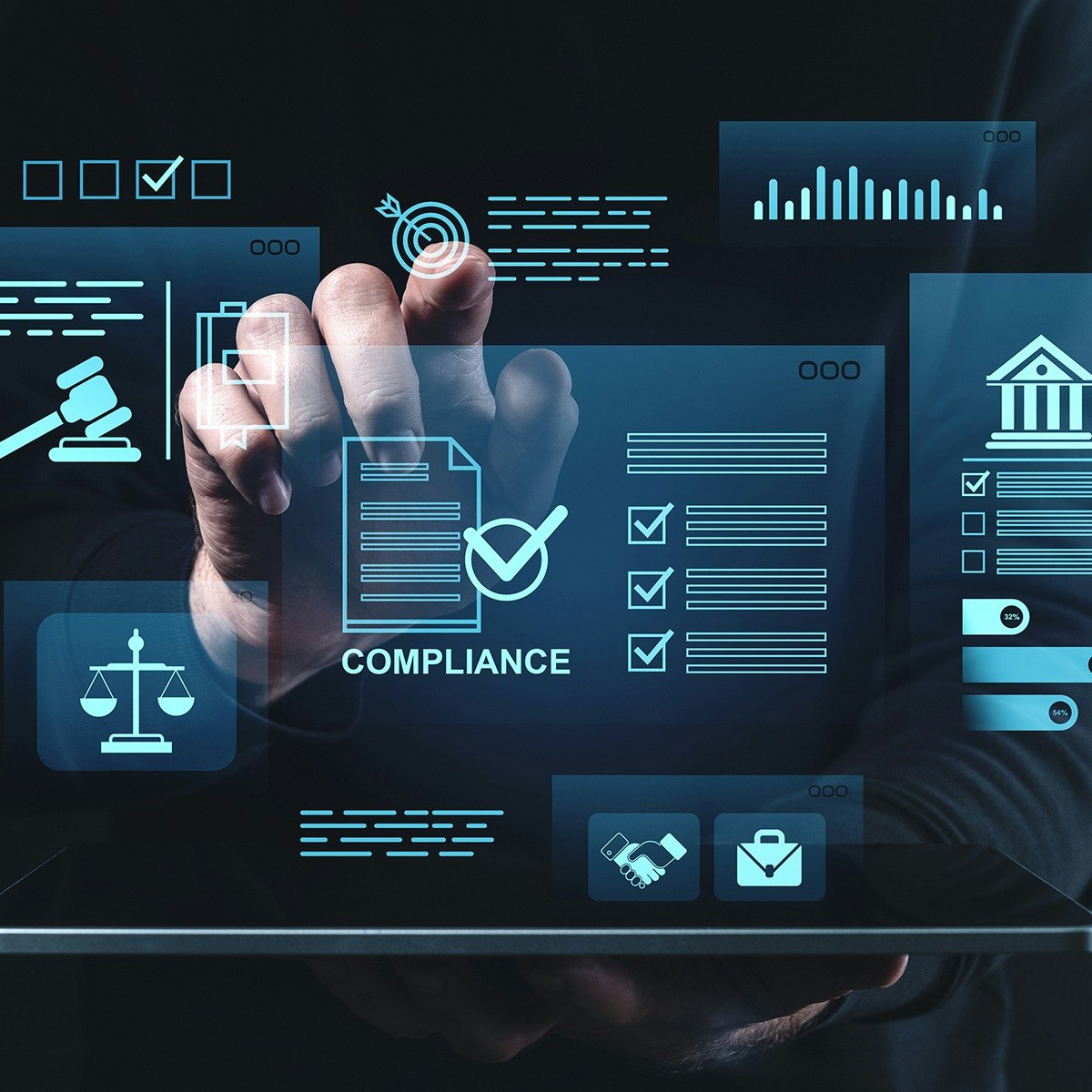
In today’s highly regulated financial landscape, even small missteps can lead to significant compliance risks, making a strong understanding of Unfair, Deceptive, or Abusive Acts or Practices (UDAAP) more important than ever. This course equips you with a solid foundation in UDAAP compliance under the Dodd–Frank Act, enabling you to confidently navigate regulatory expectations and protect consumers.
You’ll move from core concepts, such as UDAAP definitions, legal standards, and enforcement frameworks, to applying them in real-world scenarios. Explore high-risk areas, including marketing, lending, loan servicing, debt collection, and digital financial channels, while learning to identify potential violations.
Through practical scenarios and case-based learning, you’ll build skills to evaluate business practices, apply regulatory tests, and implement effective compliance controls and risk management strategies. You’ll also learn best practices for clear disclosures, ethical decision-making, and timely escalation.
By the end, you’ll be ready to proactively identify and mitigate UDAAP risks, strengthen trust, compliance, and business integrity. Enroll today to build critical compliance skills and stay ahead in the financial services industry.
Watch on Coursera ↗
(saves to browser)
Sign in to unlock AI tutor explanation · ⚡30
More on: AI Alignment Basics
View skill →






Related AI Lessons
⚡
⚡
⚡
⚡
Big Tech firms are accelerating AI investments and integration, while regulators and companies focus on safety and responsible adoption.
Dev.to AI
Mauritius’ new AI policy makes ethics mandatory, not optional
TechCabal
Contextual AI is Changing How We Detect Phishing — And It’s About Time
Medium · AI
Contextual AI is Changing How We Detect Phishing — And It’s About Time
Medium · Machine Learning
🎓
Tutor Explanation

 DeepCamp AI