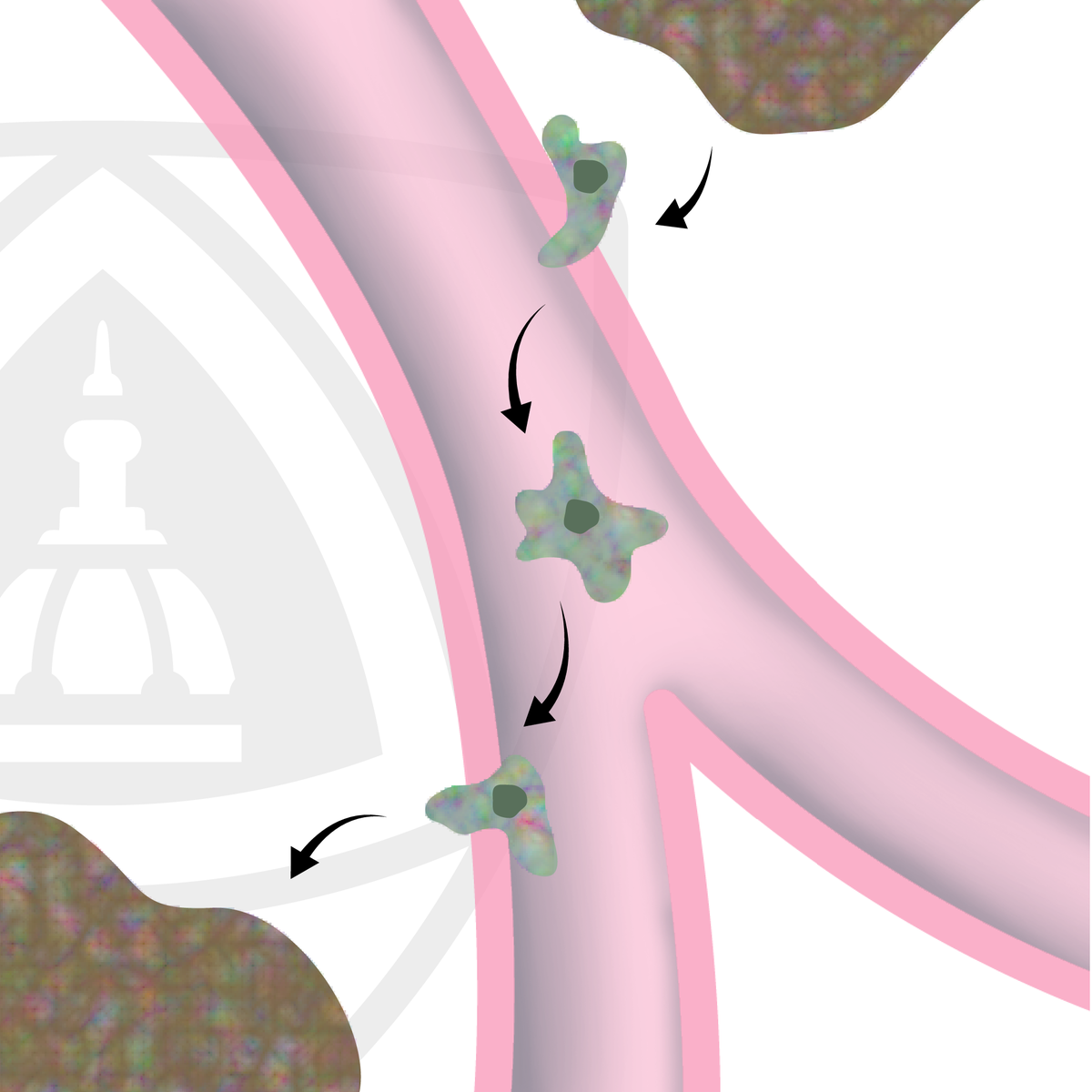
Understanding Cancer Metastasis
Skills:
Research Methods90%
Over 500,000 people in the United States and over 8 million people worldwide are dying from cancer every year. As people live longer, the incidence of cancer is rising worldwide, and the disease is expected to strike over 20 million people annually by 2030.
Everyone has been, or will be touched by cancer in some way during their lifetime. Thanks to years of dedication and commitment to research we’ve made enormous advances in the prevention and treatment of cancer, But there is still a lot of work to be done.
In this course, physicians and scientists at the Johns Hopkins School of Medicine explain how cancer spreads or metastasizes. We’ll describe the major theories of metastasis and then describe the biology behind the steps in metastasis. The course also describes the major organs targeted by metastasis and describes how metastases harm the patient.
Watch on Coursera ↗
(saves to browser)
Sign in to unlock AI tutor explanation · ⚡30
More on: Research Methods
View skill →







Related AI Lessons
⚡
⚡
⚡
⚡
The ABCs of reading medical research and review papers these days
Medium · LLM
#1 DevLog Meta-research: I Got Tired of Tab Chaos While Reading Research Papers.
Dev.to AI
How to Set Up a Karpathy-Style Wiki for Your Research Field
Medium · AI
The Non-Optimality of Scientific Knowledge: Path Dependence, Lock-In, and The Local Minimum Trap
ArXiv cs.AI
🎓
Tutor Explanation

 DeepCamp AI