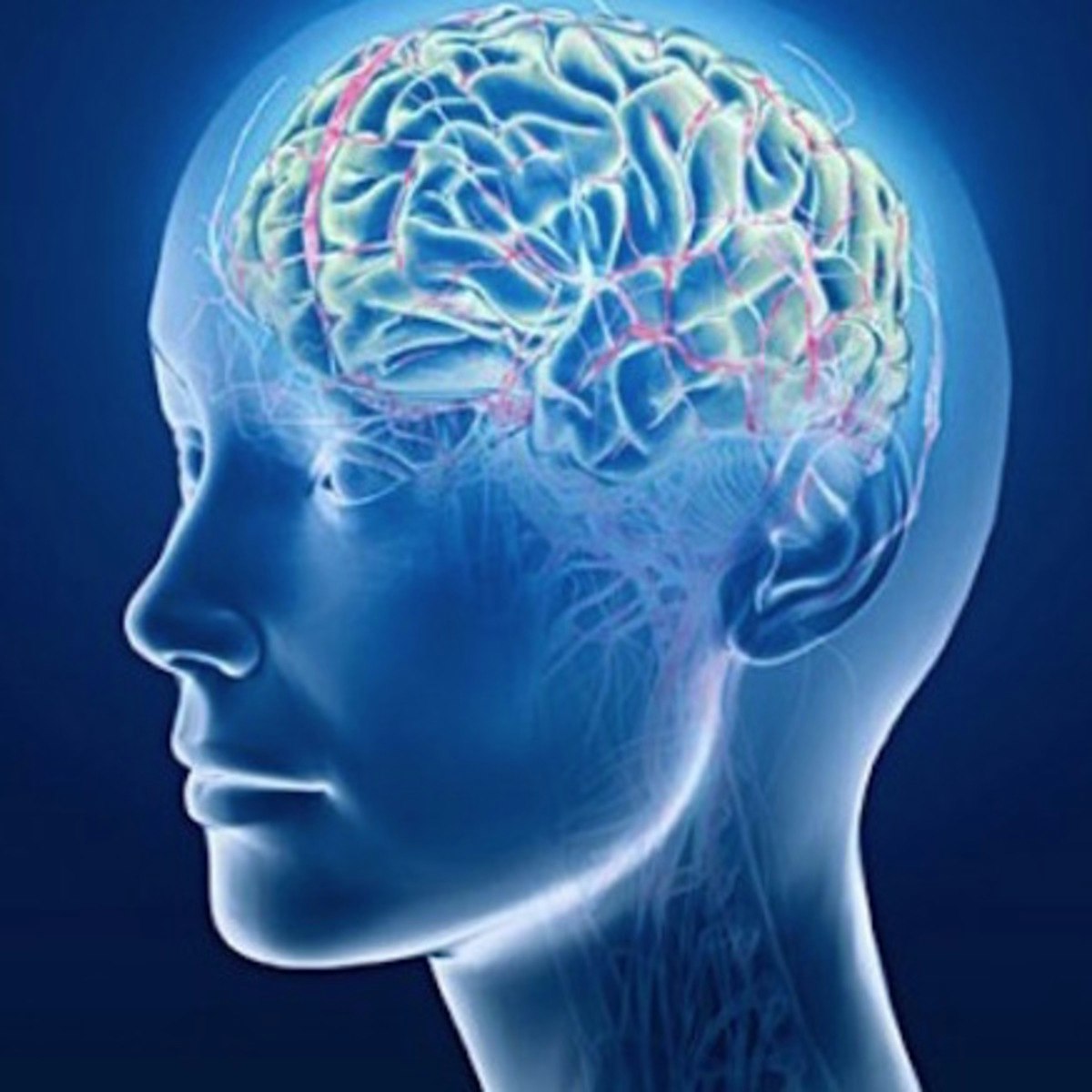
The Brain and Space
This course is about how the brain creates our sense of spatial location from a variety of sensory and motor sources, and how this spatial sense in turn shapes our cognitive abilities.
Knowing where things are is effortless. But “under the hood,” your brain must figure out even the simplest of details about the world around you and your position in it. Recognizing your mother, finding your phone, going to the grocery store, playing the banjo – these require careful sleuthing and coordination across different sensory and motor domains. This course traces the brain’s detective work to create this sense of space and argues that the brain’s spatial focus permeates our cognitive abilities, affecting the way we think and remember.
The material in this course is based on a book I've written for a general audience. The book is called "Making Space: How the Brain Knows Where Things Are", and is available from Amazon, Barnes and Noble, or directly from Harvard University Press.
The course material overlaps with classes on perception or systems neuroscience, and can be taken either before or after such classes.
Dr. Jennifer M. Groh, Ph.D.
Professor
Psychology & Neuroscience; Neurobiology
Duke University
www.duke.edu/~jmgroh
Jennifer M. Groh is interested in how the brain process spatial information in different sensory systems, and how the brain's spatial codes influence other aspects of cognition. She is the author of a recent book entitled "Making Space: How the Brain Knows Where Things Are" (Harvard University Press, fall 2014).
Much of her research concerns differences in how the visual and auditory systems encode location, and how vision influences hearing. Her laboratory has demonstrated that neurons in auditory brain regions are sometimes responsive not just to what we hear but also to what direction we are looking and what visual stimuli we can see. These surprising findings challenge the prevailing assumption that the brain’s sensory pathways remain se
Watch on Coursera ↗
(saves to browser)
Sign in to unlock AI tutor explanation · ⚡30
Related AI Lessons
⚡
⚡
⚡
⚡
The ABCs of reading medical research and review papers these days
Medium · LLM
#1 DevLog Meta-research: I Got Tired of Tab Chaos While Reading Research Papers.
Dev.to AI
How to Set Up a Karpathy-Style Wiki for Your Research Field
Medium · AI
The Non-Optimality of Scientific Knowledge: Path Dependence, Lock-In, and The Local Minimum Trap
ArXiv cs.AI
🎓
Tutor Explanation

 DeepCamp AI