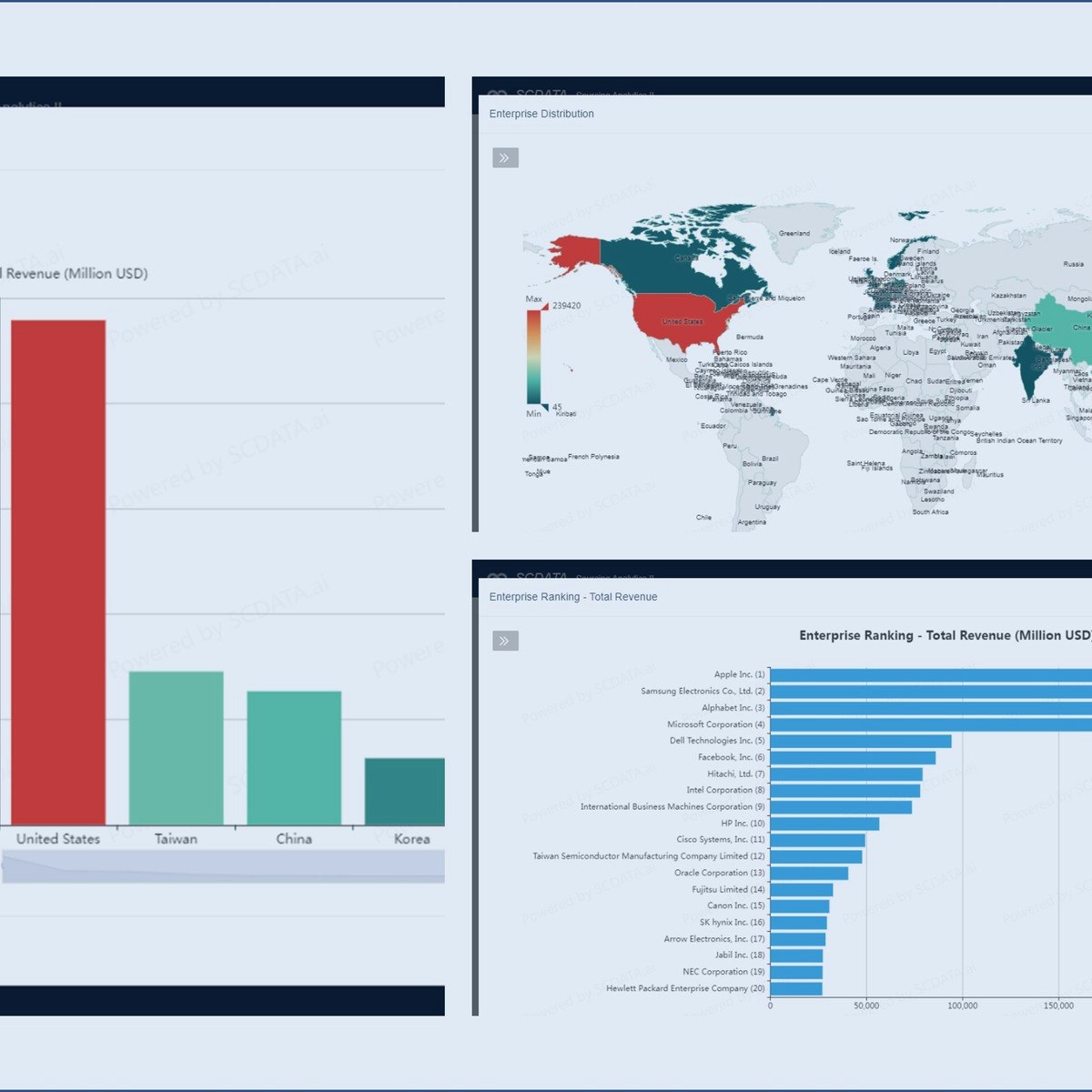
Sourcing Analytics
Key Takeaways
Analyzes sourcing analytics using data-driven strategies
Original Description
It is easy to spend money, but hard to get the value.
From 2007 to 2010, Apple made $27 billion from iPhone with a profit of $15.6 billion. Apple could not achieve this financial success without its global sourcing strategy. However, one of Apple’s key suppliers, Samsung Electronics, became a competitor and used its cost advantage to over-take Apple in the global market. Meanwhile, many new suppliers and products are emerging constantly. To continue the success, Apple must explore and select new suppliers that are capable, inexpensive and financially robust. The question is, how to do it right for this year?
What Apple experienced is typical in practice, as sourcing poses huge risks despite its significant benefits, especially under the fast changing global economy and trade. Companies need to evaluate and select suppliers constantly and globally, and make frequent adjustment to their supply base.
In this course, you will learn sourcing analytics which applies data analytics to supplier development and management. Specifically, you will learn supplier intelligence, bargaining power analysis, and supplier benchmarking, to explore and select the best suppliers meeting your company's needs.
Watch on External: Coursera ↗
(saves to browser)
Sign in to unlock AI tutor explanation · ⚡30
Related Reads
📰
📰
📰
📰
Let's Talk Relationships and Joins
Dev.to · gikonyo-v
A 15-Year Breakout That Never Looked Back
Medium · Python
SQL Joins Explained with Real Examples (INNER, LEFT, RIGHT & FULL JOIN)
Medium · Programming
Seeing Is Believing: How to Visualize a Linear Regression Model in R
Medium · Data Science
🎓
Tutor Explanation

 DeepCamp AI