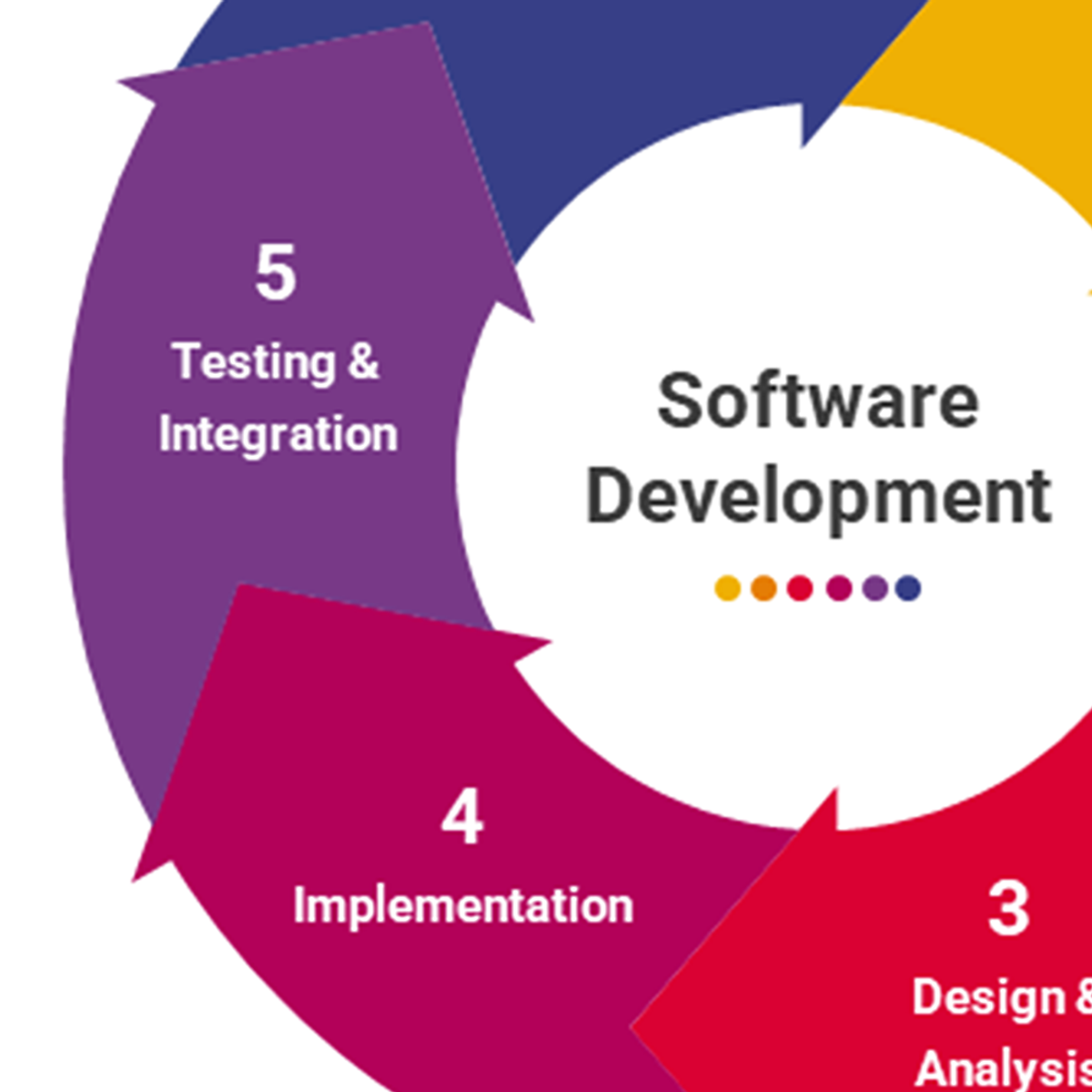
Software Engineering: Implementation and Testing
Key Takeaways
Examines software development processes, implementation, and testing for large software systems
Original Description
Software Development Life Cycle (SDLC) is the process of developing software through planning, requirement analysis, design, implementation, testing, and maintenance. This course focuses on the implementation and testing phases of SDLC, and you will examine different software development processes for large software systems development, and understand the strengths (pros) and weaknesses (cons) of different software development processes. You will also encounter defensive programming techniques to prevent software bugs during implementation, and learn how to test your system thoroughly using different types of test cases.
Basic object-oriented programming (OOP) concepts are required for topics covered in defensive programming and object-oriented testing. Implementation is driven by the UML models derived from requirement analysis. It is recommended to take the course "Software Engineering: Modeling Software Systems using UML" before attempting this course, but it is not a hard requirement.
Watch on External: Coursera ↗
(saves to browser)
Sign in to unlock AI tutor explanation · ⚡30
More on: PM Basics
View skill →





Related Reads
📰
📰
📰
📰
Unique Creative Business Ideas for Beginners in 2026
Medium · Startup
Solstice and Element Solutions weigh a $27bn merger of materials makers
The Next Web AI
I Made $5,758 Doing This From My Laptop, Here’s the Truth.
Medium · AI
Hire a VA to Handle Daily Operations: The Complete Playbook
Medium · Startup
🎓
Tutor Explanation

 DeepCamp AI