Sensors and Sensor Circuit Design
Key Takeaways
Covers the design and implementation of sensor circuits, including thermal, flow, and rotary sensors
Original Description
This course can also be taken for academic credit as ECEA 5340, part of CU Boulder’s Master of Science in Electrical Engineering degree.
After taking this course, you will be able to:
● Understand how to specify the proper thermal, flow, or rotary sensor for taking real-time process data.
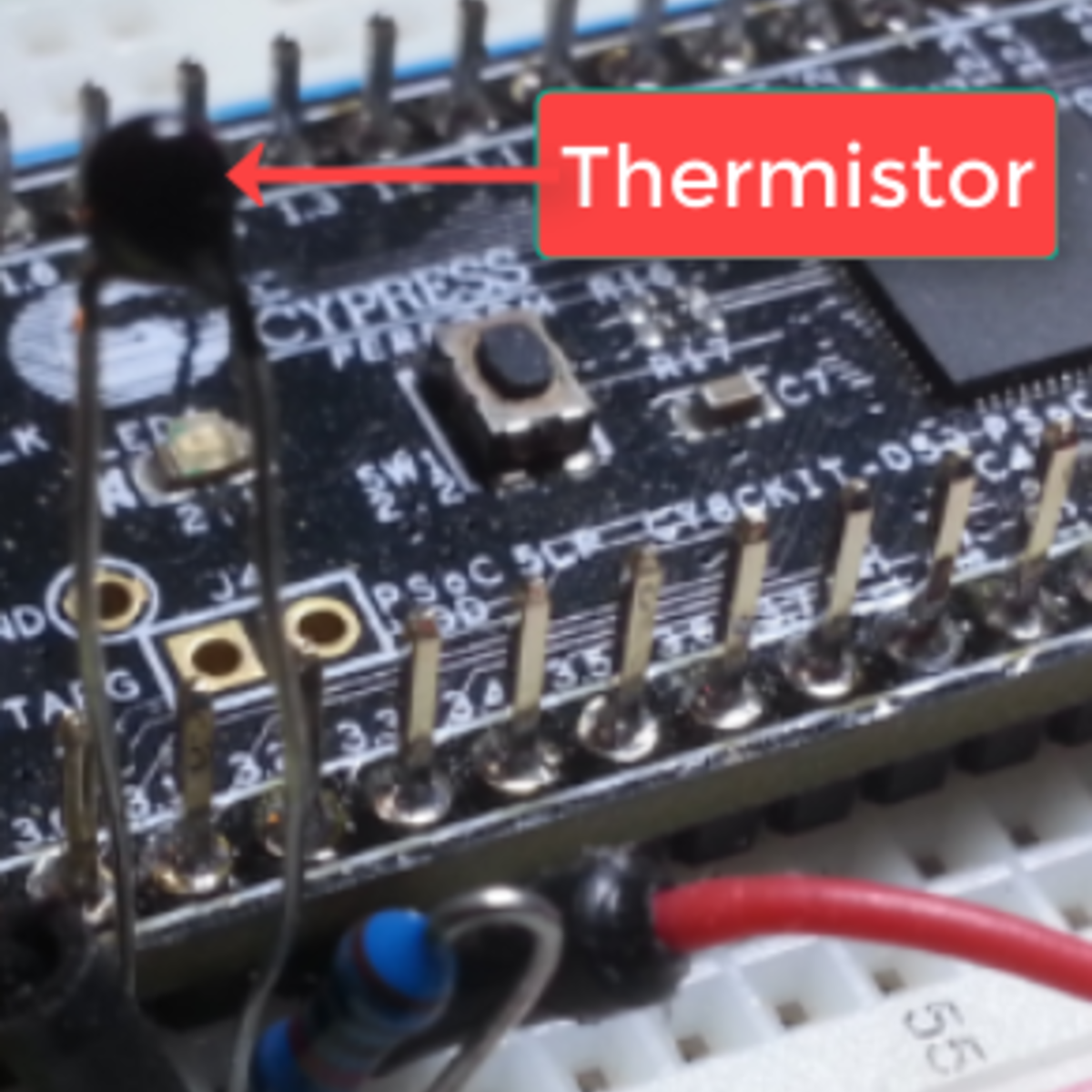
● Implement thermal sensors into an embedded system in both hardware and software.
● Add the sensor and sensor interface into a microprocessor based development kit.
● Create hardware and firmware to process sensor signals and feed data to a microprocessor for further evaluation.
● Study sensor signal noise and apply proper hardware techniques to reduce it to acceptable levels.
This course includes specific hardware and software requirements. Please review the FAQ below for complete details.
Watch on External: Coursera ↗
(saves to browser)
Sign in to unlock AI tutor explanation · ⚡30
Related Reads
📰
📰
📰
📰
AI-Ready Infrastructure: A Checklist Before You Scale
Dev.to AI
How I Cut My OpenAI Bill by 97% — The Full Migration Guide
Dev.to · rarenode
Your Website Passed Claude’s Search Test. It Might Still Fail the Other Two
Medium · AI
AI Made Creation Free. Taste Is What's Scarce Now
Forbes Innovation
🎓
Tutor Explanation

 DeepCamp AI