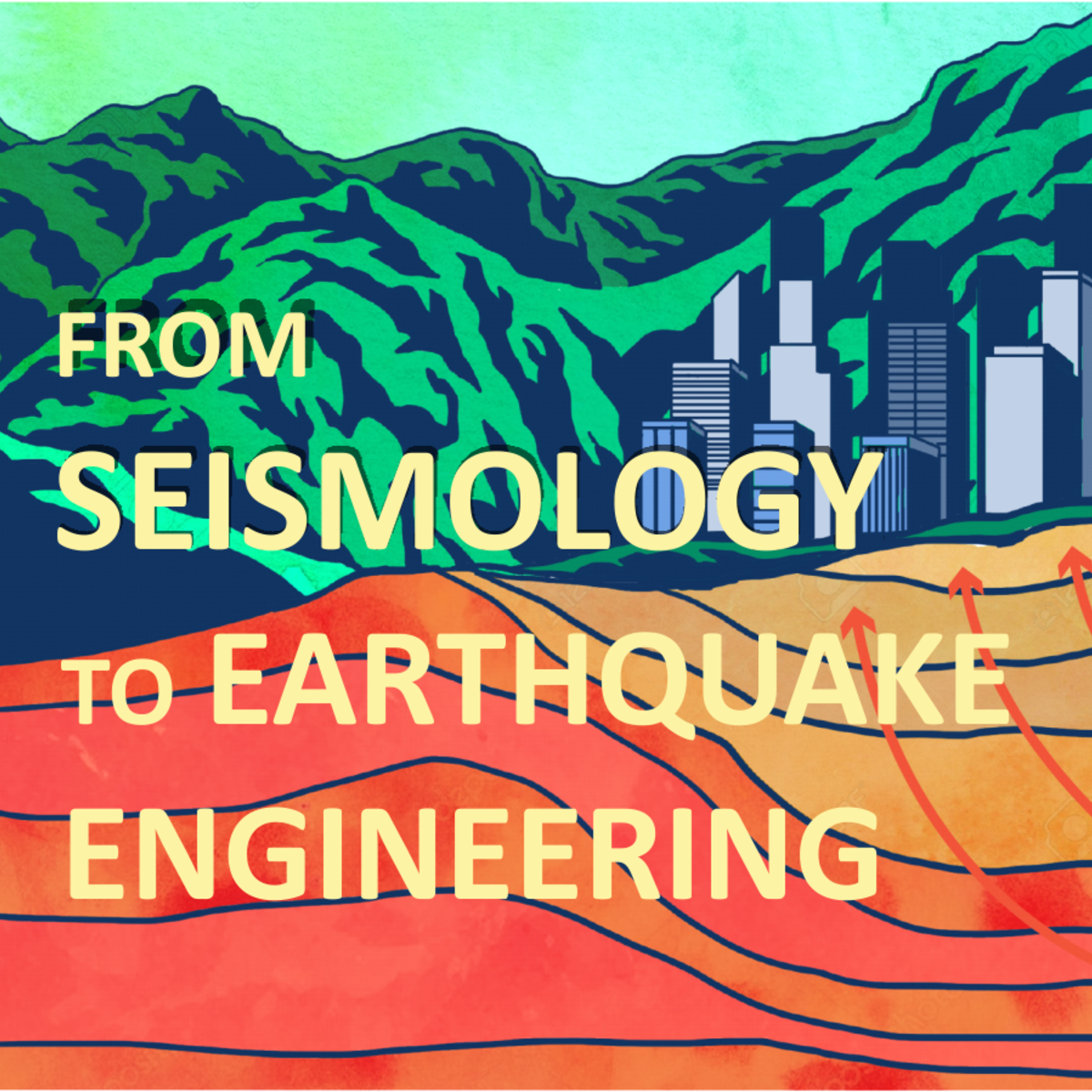
Seismology to Earthquake Engineering
Skills:
Research Methods60%
This course ranges from the earth structure, the generation of earthquakes and seismic waves by faults to the seismic response of soils, foundations and structures as well as seismic risk. It is consequently aimed at undergraduates, graduates and professionals interested in engineering seismology, earthquake engineering or seismic risk. It investigates various technical fields: rock mechanics, soil dynamics, structural dynamics and dynamic soil-structure interaction.
Various types of sessions are proposed: regular sessions describing a phenomenon or explaining its basic principles, lab sessions illustrating concepts through simple experiments (fault motion, liquefaction, resonant column tests, shaking table tests) and research topics focusing on advanced topics from various research fields (e.g. magnet-Earth, seismicity of Mars, seismic sensors, probabilistic approaches). Several quizzes, as well as 3 mini-projects, will allow you to check your knowledge and assess your understanding of the various topics.
Watch on Coursera ↗
(saves to browser)
Sign in to unlock AI tutor explanation · ⚡30
More on: Research Methods
View skill →








Related AI Lessons
⚡
⚡
⚡
⚡
The ABCs of reading medical research and review papers these days
Medium · LLM
#1 DevLog Meta-research: I Got Tired of Tab Chaos While Reading Research Papers.
Dev.to AI
How to Set Up a Karpathy-Style Wiki for Your Research Field
Medium · AI
The Non-Optimality of Scientific Knowledge: Path Dependence, Lock-In, and The Local Minimum Trap
ArXiv cs.AI
🎓
Tutor Explanation

 DeepCamp AI