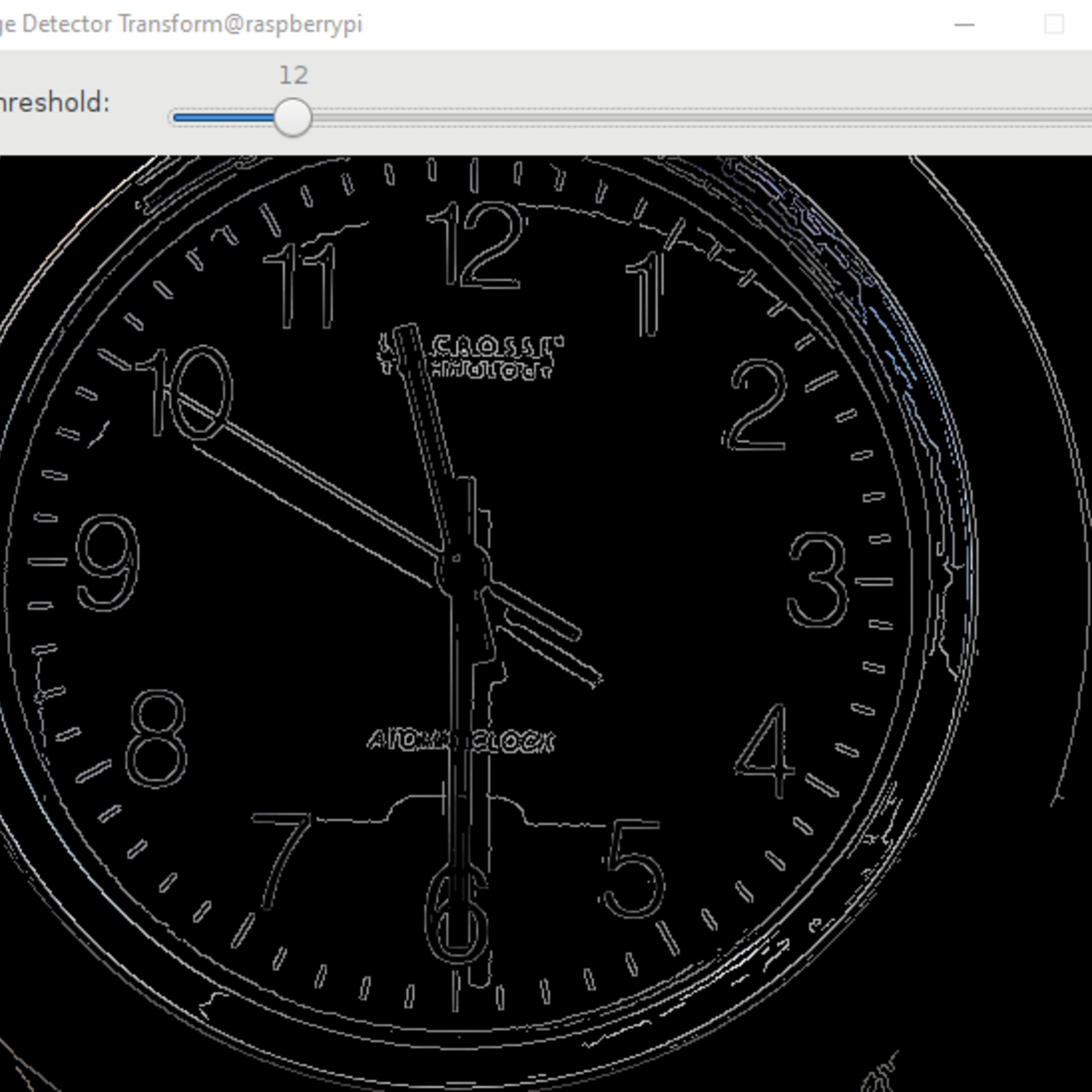
Real-Time Project for Embedded Systems
Key Takeaways
Builds a real-time project for embedded systems using machine vision and real-time services
Original Description
This course can also be taken for academic credit as ECEA 5318, part of CU Boulder’s Master of Science in Electrical Engineering degree.
The final course emphasizes hands-on building of an application using real-time machine vision and multiple real-time services to synchronize the internal state of Linux with an external clock via observation. Compare actual performance to theoretical and analysis to determine scheduling jitter and to mitigate any accumulation of latency. The verification of the final project will include comparison of system timestamp logs with a large set of images which can be encoded into a video. The final report will be peer reviewed and the captured frames and video uploaded for scripted assessment.
Course Learning Outcomes:
● Outcome 1: Decompose a problem and set of basic real-time requirements into software modules and Linux POSIX real-time threads
● Outcome 2: Analyze services in terms of C (execution time), T (request period), and D (deadlines for completion) to establish feasibility and margin for meeting requirements
● Outcome 3: Design and construct a solution for a native Linux system equipped with a webcam to verify and demonstrate system synchronization using machine vision processing
This course includes specific hardware and software requirements. Please review the FAQ below for complete details.
Watch on External: Coursera ↗
(saves to browser)
Sign in to unlock AI tutor explanation · ⚡30
More on: AI Pair Programming
View skill →





Related Reads
📰
📰
📰
📰
Bukan Menggantikan, Ini Cara Memanfaatkan AI Terkini untuk Naikin Produktivitas Kerjamu
Medium · AI
Rytr vs QuillBot for Academic Writing 2026: Which AI Tool Actually Saves Your Thesis?
Dev.to AI
Automating Exposure and Color Corrections: AI Retouching Basics for Headshot Photographers
Dev.to AI
I Built a Browser-Based YouTube Frame Extractor (No FFmpeg Required)
Dev.to · H3l!0s_T3k
🎓
Tutor Explanation

 DeepCamp AI