
Optimize AI: Build Reusable Model Pipelines
Key Takeaways
Builds reusable model pipelines for AI workflows
Original Description
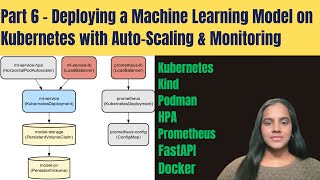
Optimize AI: Build Reusable Model Pipelines is an intermediate course for machine learning engineers and data scientists aiming to create efficient, scalable, and maintainable AI workflows. In a world of rapidly evolving models, choosing the right one is only the beginning. This course moves beyond model selection to focus on the critical next step: building standardized, reusable pipelines that ensure consistency and accelerate development.
You will learn to strategically evaluate the trade-offs between large, pre-trained models and smaller, custom-built alternatives, balancing performance with real-world constraints like inference speed and cost. Through hands-on labs, you will master the art of constructing modular and reproducible ML pipelines using Scikit-learn. The curriculum emphasizes best practices for model management and versioning, empowering you to design robust systems that are easy to update, debug, and deploy. By the end of this course, you will be equipped to move from ad-hoc model development to a systematic, pipeline-driven approach that is essential for building professional, production-ready AI solutions.
Watch on External: Coursera ↗
(saves to browser)
Sign in to unlock AI tutor explanation · ⚡30
More on: ML Pipelines
View skill →





Related Reads
🎓
Tutor Explanation

 DeepCamp AI